
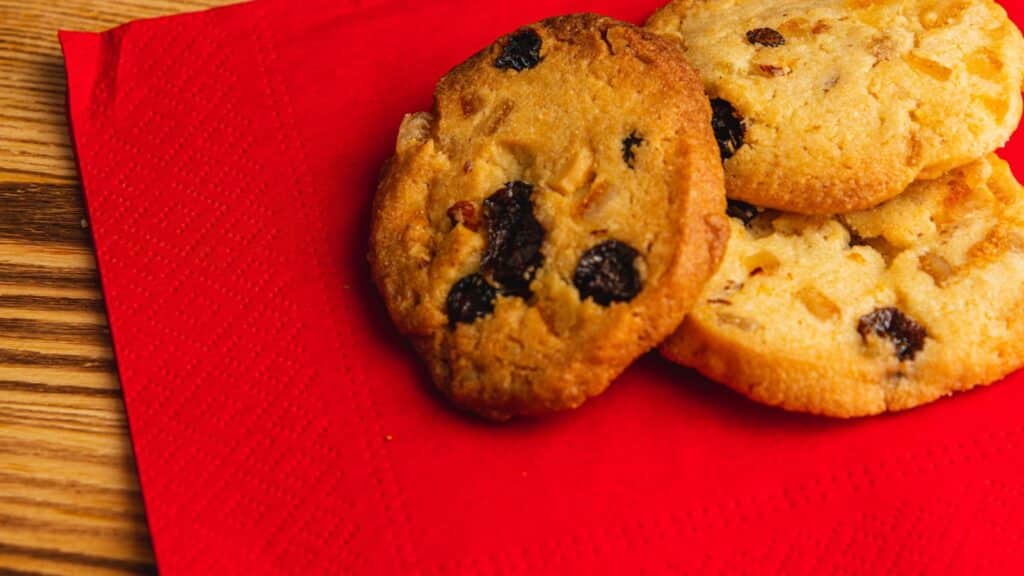
A recent social media post about having a “decolonized Christmas” caused a lot of drama on the internet. Elise Bonilla-Myers, a California-based content creator, said that she was planning to celebrate what she called a “decolonized Christmas” that involves specific food ideas and shopping habits. What is a decolonized Christmas exactly? Let’s find out.
The Posts That Kicked It Off

Bonilla-Myers posts online under the username “glutenfree_girlfriend,” and she shared a post talking about how she was changing her holiday traditions. She said she planned to have a “decolonized Christmas” and shared her plans with her followers on TikTok and Substack.
She talked about her routines for a “decolonized Christmas,” along with her plans. It didn’t take long for her comments to go viral. It led to a wider discussion about the idea of a “decolonized Christmas,” along with some criticism of the term itself.
A Christmas Cookie Made From Masa
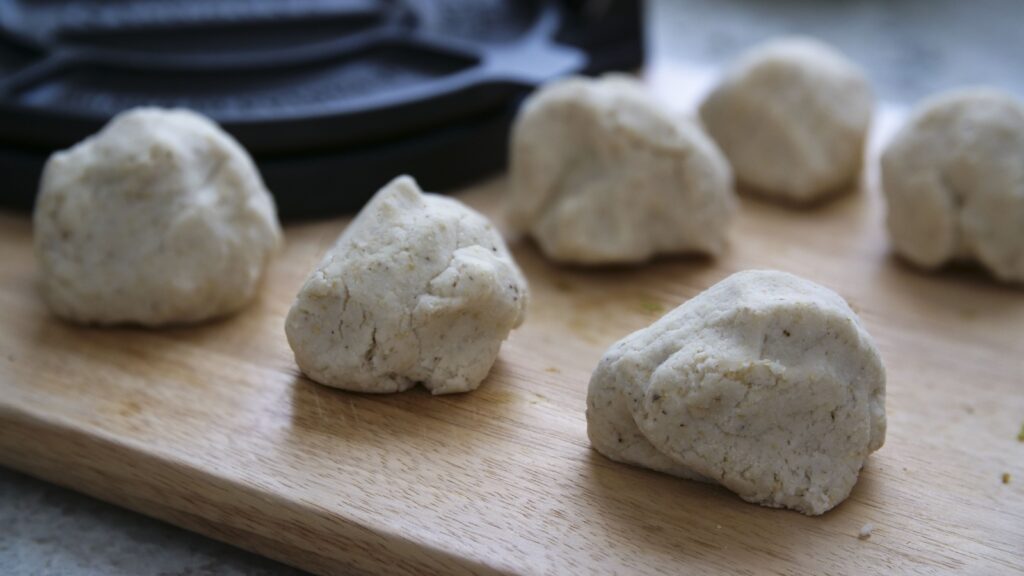
One example that she shared of a decolonized Christmas was the holiday cookies she made. She avoided standard Christmas cookies entirely. Bonilla-Myers said she would use masa instead of making regular Christmas cookies. Masa is corn flour treated with lime or ash.
She shared instructions on how to cook with masa and sweeten it with honey. Bonilla-Myers then finished the recipe with an agave glaze. Masa is a healthier ingredient to use because it has more bioavailable nutrients, according to Bonilla-Myers, and it’s more ethical because masa is an ingredient native to the Americas.
The Gluten-Free Rule
Sticking to food found natively in the Americas was a big part of Bonilla-Myers’s decolonized Christmas. She said she actively avoids barley and wheat, as well as rye, because these ingredients aren’t originally from the Americas, so she decided to use things like masa instead.
Bonilla-Myers seemed to suggest that going gluten-free is a more ethical choice, at least for those living in America, because it doesn’t involve using any ingredients brought to America by the pilgrims. Her decisions don’t seem to be connected to any sort of medical advice or health reason. It’s simply that she disagrees with using food brought over from other countries to America.
A Gift Plan Focused On Indigenous-Owned Sellers

Food wasn’t the only aspect of Bonilla-Myers’s decolonized Christmas, as she also shared details about where she went shopping for gifts. She said that she made sure to visit Indigenous-owned establishments, such as a tea company that Indigenous and Hispanic women owned.
Bonilla-Myers also said she stuck to buying corn from Navajo sellers and that she also went Christmas shopping at a Snoqualmie tribe business based in Washington State. She mentioned shopping at a market in Los Angeles run by a local Native American tribe, and the venue includes many vendors selling products.
The Pushback

Bonilla-Myers’s efforts to have a “decolonized Christmas” received quite a bit of criticism. Some people argued that Christmas is a religious holiday that already has roots outside the Americas, so it’s impossible to “decolonize” such an idea. Others said that Bonilla-Myers’s approach was performative.
They focused on the contradictions between her words and her actions, such as talking about decolonization while using modern platforms. Many people said that the idea of a “decolonized Christmas” doesn’t make sense at all.
Flattening Indigenous cultures
Some viewers took issue with how broad Bonilla-Myers’s ideas felt. They said the posts put foods and products together from very different Native American tribes, almost as though they came from the same place. But Indigenous nations have separate histories and customs. They even have separate languages.
Mixing them all together under one holiday theme blurs those differences and makes Native American people seem like one group of people. They’re not. Each tribe has its own distinct community that’s entirely different from other Native American tribes, so it’s wrong to treat them the same.
Questioning the messaging
Another part of the criticism focused on who the posts were actually intended for. The majority of Bonilla-Myers’s viewers are non-Indigenous. But critics said that she framed her choices as things that anyone could do. They argue that Bonilla-Myers was essentially trying to turn cultural practices into a sort of checklist for her followers.
They questioned who actually benefited from her content. Was it really trying to make people more aware of Indigenous cultures and histories? Or was it a performative video designed to make Bonilla-Myers seem like a better person?
7 Ways Christmas Has Drifted Away From Christianity

Christmas changed over the years. But that’s not because someone wanted to rewrite it, as the changes to the festive period came over several years. A lot of what people think of as “Christmas stuff” is anything but Christ-related. Here are seven ways that Christmas has drifted away from Christianity.
7 Ways Christmas Has Drifted Away From Christianity