

Most people have all sorts of realizations once the New Year arrives. A few of them come to understand that their financial problems have nothing to do with income or effort, but rather a few money habits that they failed to set. It’s never too late. Here are 8 new money rules that people wish they’d started earlier.
Just be aware that this doesn’t count as financial advice. You should always speak to a qualified professional before making any decisions about your finances.
Set a money admin hour

You should avoid checking your finances only when something feels off. Try locking into one hour that happens at the same time, same day every month. Use this time to look through your past transactions and see what bills you have coming up, as well as any new things on your statement.
It’s as simple as that. You don’t need to create a dozen spreadsheets or spend hours thinking about each individual item you’ve ever bought. Many people actually wish they’d started such a habit earlier because it would’ve given them a better understanding of their own finances.
The “payday + 48 hours” rule
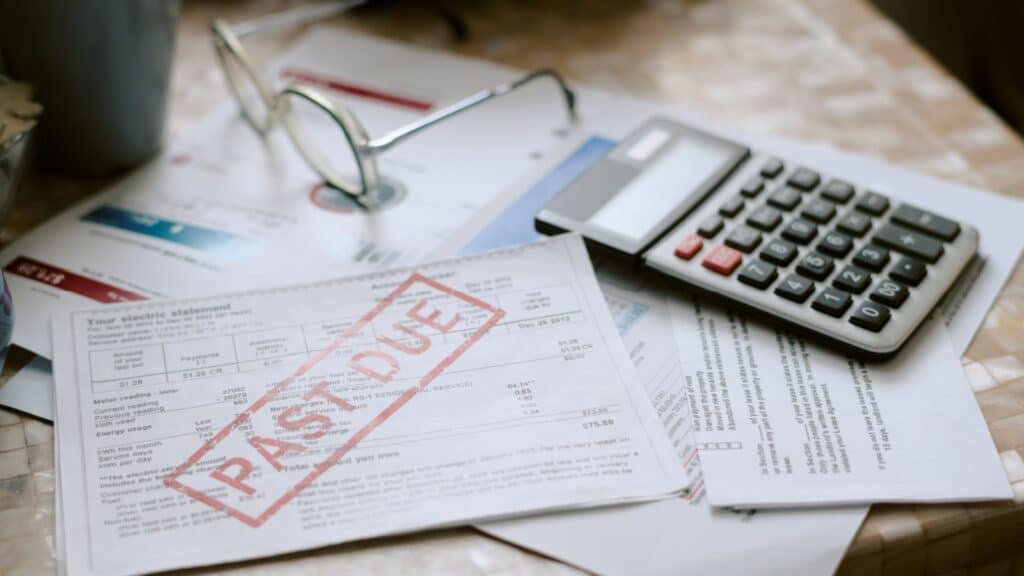
Dealing with enough financial annoyances encourages you to change your approach to paying bills. Bills set to come out before your deposit clears are going to cause you issues, including overdrafts and last-minute attempts to move cash over. A better approach is to move due dates to two days after payday.
It doesn’t matter whether it’s rent or phone bills, perhaps even subscriptions. Giving yourself 48 hours to pay means that your deposit has a little breathing room, and you’ll be able to prepare for any significant changes in your bills. Adjusting the time could save you quite a few years of checking the calendar.
Name every savings account

Having a generic account name is likely to cause you problems because it doesn’t feel bad to take money out of an account called “Savings.” That’s why some people choose to rename theirs to something a little more blunt. It’s a little harder to take money out of an account called “Pet emergencies” or “dentist and glasses.”
You could also add months or dollar targets to the name for some extra encouragement. Quite a few people say they wish they’d taken the easy step to rename their accounts earlier. It would’ve helped to avoid some of those transfers that felt so justified in the moment.
Run a yearly subscription sweep
January’s arrival leads some people to sit down and look through every recurring charge. They’ll check whether they actually want to continue subscribing to that streaming service or if they’re actually being honest about that gym membership. They’ll then write each subscription out with prices and billing dates.
Simply knowing what exists helps them get a better picture of their finances. January is also a good time to do so because it helps to start the year in the right way. They know exactly what’s coming out and how much each month.
Keep a price change log

Having to deal with changes in your regular bills can be quite confusing. Your internet bill might go up, and your insurance renewal changes. Even the price of pet food might jump up. But that’s not a problem for some people because they’ll keep a short note of whenever their regular expenses change.
They’ll write down the old price next to the new one, as well as the dates of when the change happened. It’s a good habit to have because it gives you exact numbers for when you’re calling providers. You’ll stop feeling like you’re being nickel-and-dimed to death.
Put a 48-hour pause on online carts

Late-night shopping is a problem for quite a few people, and that’s where the habit of waiting two days before buying can help out. You must have no exceptions. Feel free to fill the cart whenever you want, as long as you remember that you need to close the tab and wait the allotted time before pressing “buy.”
Some people go as far as screenshotting the total as well. They’ll come back after 48 hours and decide to either buy it or delete the cart without any sense of guilt, and many people realize that their impulse buys entirely disappear.
Create a “next-week money” balance

There’s really no point in running your checking account down to near zero because it’ll only create problems. You should try setting a floor that you never touch instead. It could be $300 or $600, whatever fits. The number is only there to cover next week’s expenses, like gas and groceries.
It helps to stop thinking of it like savings or extra. Doing it early will stop timing from mattering so much for your finances, and it’ll also stop weeks with different pay dates from feeling so fragile. Your finances should feel more stable this way.
Have a gift list

Dealing with rushed gift ideas in December is never fun. It’s one of the reasons some people keep a simple list of birthdays and events throughout the year. They’ll put a dollar limit next to each one, and they’ll add ideas throughout the year whenever they think of a good present.
It helps them to buy gifts early, sometimes months ahead, and they’re able to avoid the spike in gift prices during the festive period. They’ll buy these gifts when there’s a good discount on them. Those who have tried this habit have said they wish they’d started it earlier because it would’ve saved them a lot of time and money each year.
15 Things Middle-Class Families Do That the Rich Don’t Even Consider

What’s “normal” to middle-class families is something the rich don’t even think about. Ready to see the discreet habits that shout middle class — and why the rich wouldn’t even touch them?
15 Things Middle-Class Families Do That the Rich Don’t Even Consider