

Words change all the time. It’s not sudden, but a process that takes place over many years. A term may initially be used to mean one specific thing, and then it gets reused or repurposed to mean something that may be entirely different from the original one. Here are seven retro words and expressions that mean something completely different today.
Bootleg
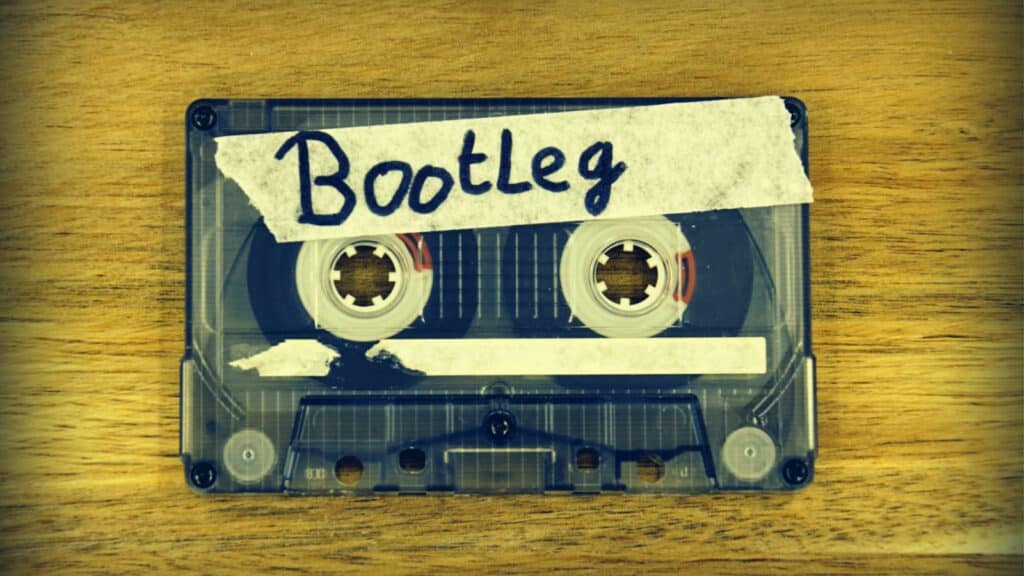
You’d hear people using the word “bootleg” quite a lot during Prohibition. The term came from people hiding illegal alcohol in their boots and secretly transporting it to avoid law enforcement. The word stuck around after Prohibition ended, although the meaning had changed quite a bit.
People began using it to describe any unauthorized copies of records or concert tapes by the mid-20th century. It was then used to talk about pirated videos. “Bootleg” is most often used today to talk about any unlicensed media, and many people don’t realize how connected the phrase is to American history.
Meme

It may sound strange, but the term “meme” isn’t something that began online, and it’s also not something that was originally visual. The phrase appeared in the 1970s to describe how ideas and behaviors spread among people. Biologist Richard Dawkins was the person who first came up with the phrase, and it was mostly an academic word at first.
But the internet adopted the phrase to refer to a familiar image or video, as well as phrases, that you see online. You can still see the original definition in the dictionary. But the majority of people only use the term to talk about internet content instead of general cultural things.
Drag
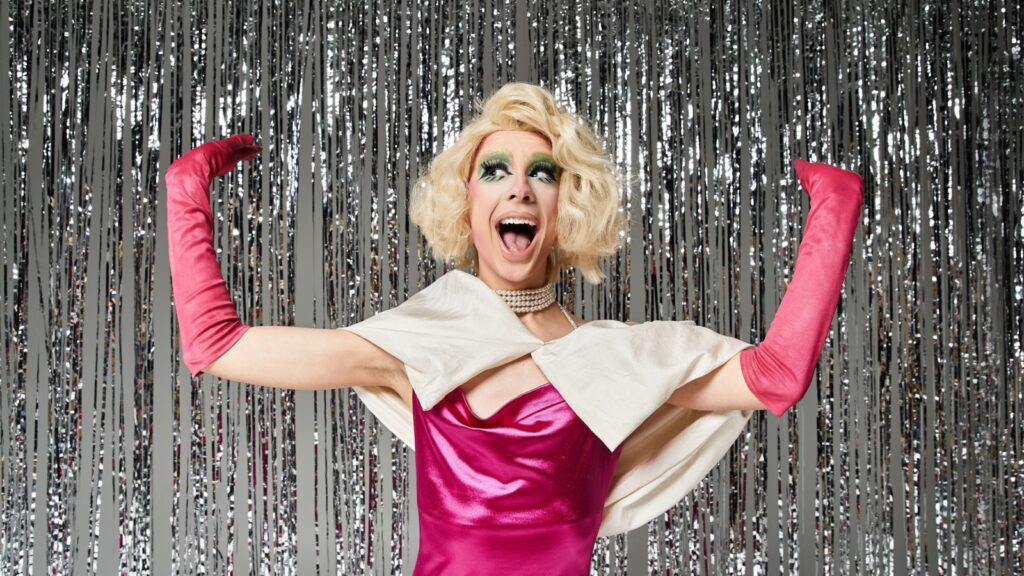
“Drag” used to be a kind of slang word that people used to talk about anything that felt dull or draining. They’d use it to complain about plans that went nowhere, or perhaps tasks that felt like they took forever to complete. You can see people using it in this way during movies from the 1930s and 1940s.
The word now has quite a different meaning. “Drag” is often used to refer to drag queens, and you’re unlikely to hear anyone using it to talk about a boring situation anymore. It’s something that’s connected to staged personas and entertainment instead.
Juice
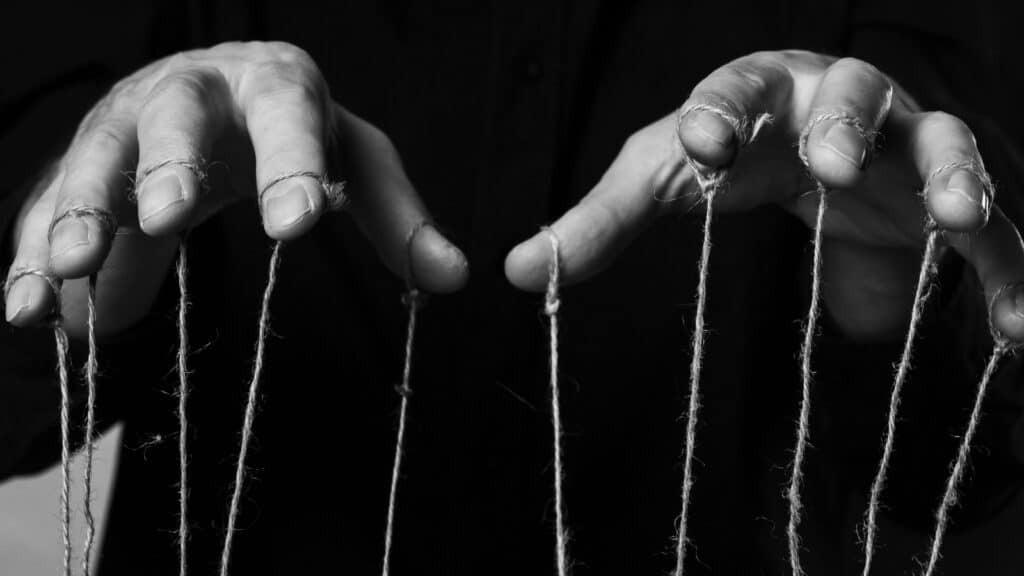
Having juice in mid-century America meant that you had some kind of influence over other people. The phrase was quite common in political discussions and business deals because having pull was a lot more important than having a title. You could make things happen without a lot of noise if you had juice.
That meaning has mostly disappeared these days because it now refers to having energy or some sort of motivation to do your work. You may even hear people using it to talk about cash flow. But there are very few individuals who use “juice” to talk about power & influence.
Punk

“Punk” was once a mild insult that people used for decades to talk about a reckless or small-time person. It was especially common to use it to talk about kids or young adults. The term changed meaning in the 1970s, and music writers began using the words to describe the new wave of loud bands. These bands were intentionally unpolished.
It didn’t take long for “punk” to become its own scene, with a specific sound and attitude to match. “Punk” isn’t really used as an insult anymore, and people tend to use it only to talk about the specific music scene.
Nerd

“Nerd” had one of the weirdest starts as a word because it began as the name of a made-up creature in a Dr Seuss book. It changed in the 1950s to become a negative word for a person who didn’t fit social norms, usually men who were too focused on their school or niche interests. It then changed again.
The edge behind “nerd” has mostly disappeared, and you’ll see people using it in almost a proud way. Some people will openly call themselves nerds because they’re so interested in tech or gaming. The word doesn’t have the bite that it once did.
Mod

“Mod” came from the word “modernist,” and it was a word that people used in the 1960s to label a specific kind of youth. Mods were people who rode scooters and had a sharp, polished look to them. It was originally popular in the U.K. and later spread internationally. But the word took on a new meaning with the rise of the internet.
A mod can still be a person, although they are someone who’s in charge of a forum or group instead of a young person. The term “mod” in this sense comes from “moderator.” Some people also use “mod” to talk about making changes to a game or app, from the word “modification.”
17 Common Words with Offensive Origins

From racial origins to classist slurs, these words did not stand the test of time—and nobody knows. Prepare to side-eye your vocabulary and say, “Wait… WHAT did I just say?”
17 Common Words with Offensive Origins