

Older Americans grew up dealing with life without digital shortcuts or instant syncing abilities. Constant automation wasn’t a thing for them. It taught them certain habits that were sometimes physical, sometimes manual, but they all still exist today and were rather important in helping them deal with reality. Here are eight ways older Americans adapt better to real life than Gen Z.
Working in a cash-and-check world
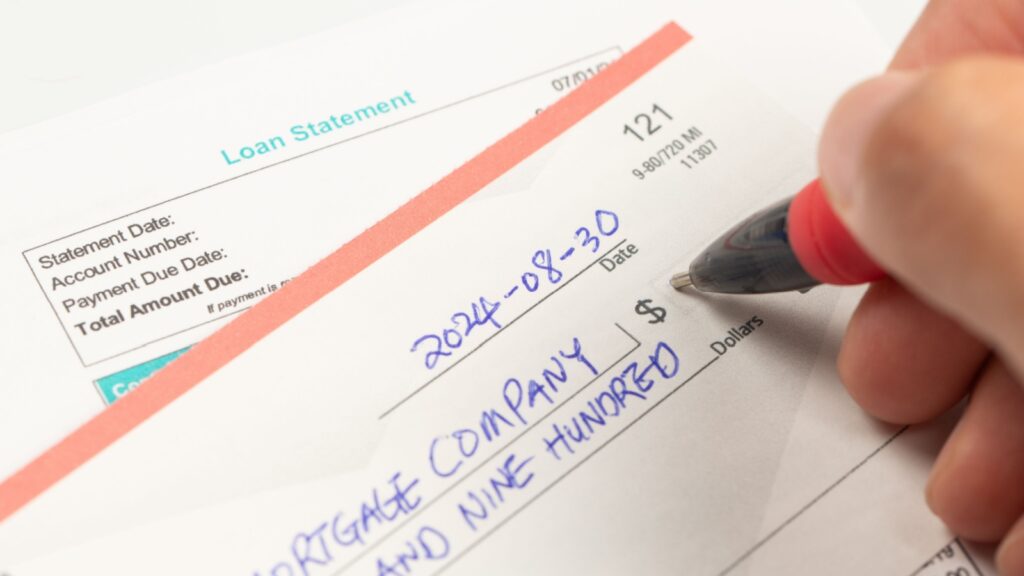
The older crowd learned how to understand money by dealing with it physically. They would write checks by hand and make sure their cash lasted until the next payday, especially since ATMs didn’t appear in America until 1969. It made planning ahead with your cash a normal part of life for most Americans.
That sort of habit stuck with older Americans. They continue to track how they’re spending money on paper or mentally, instead of relying on an app to do it for them, and that’s quite a useful skill when you’re somewhere that doesn’t accept digital payments. It’s also useful when digital systems go down.
Troubleshooting tech changes
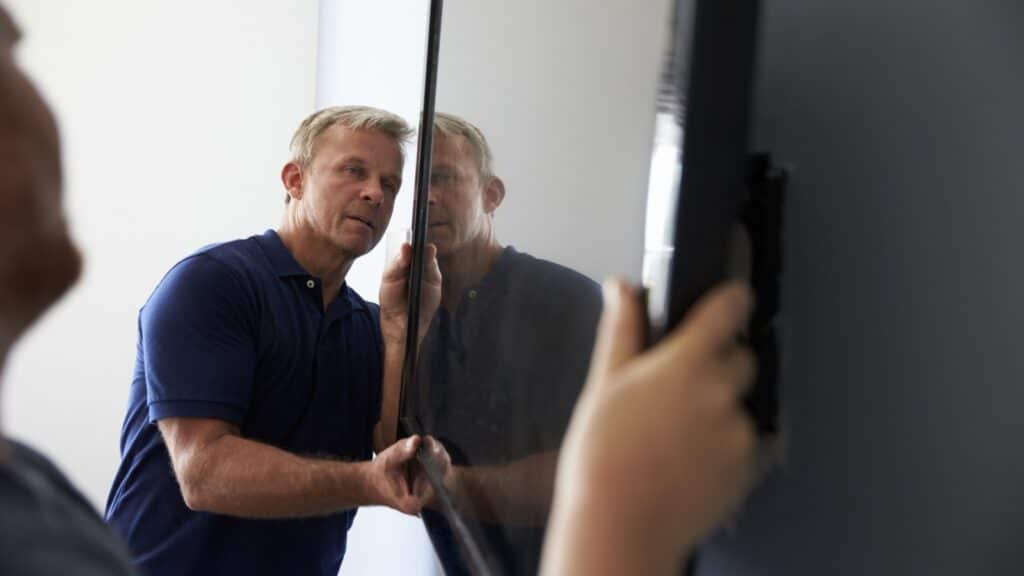
Major changes to technology arrived rather quickly, and older Americans had to go from rotary phones to touch-tone in the blink of an eye. They also had to make the shift from analog to digital broadcasts with their TVs, and every change involved understanding new hardware & reading printed manuals.
They figured out how to use each piece of technology without any online tutorials. But that was useful. It gave them the ability to feel comfortable when starting over, and every later change that came felt less intimidating because they’d learned to adapt to new things many times before.
Living with rationing-style rules and substitutions
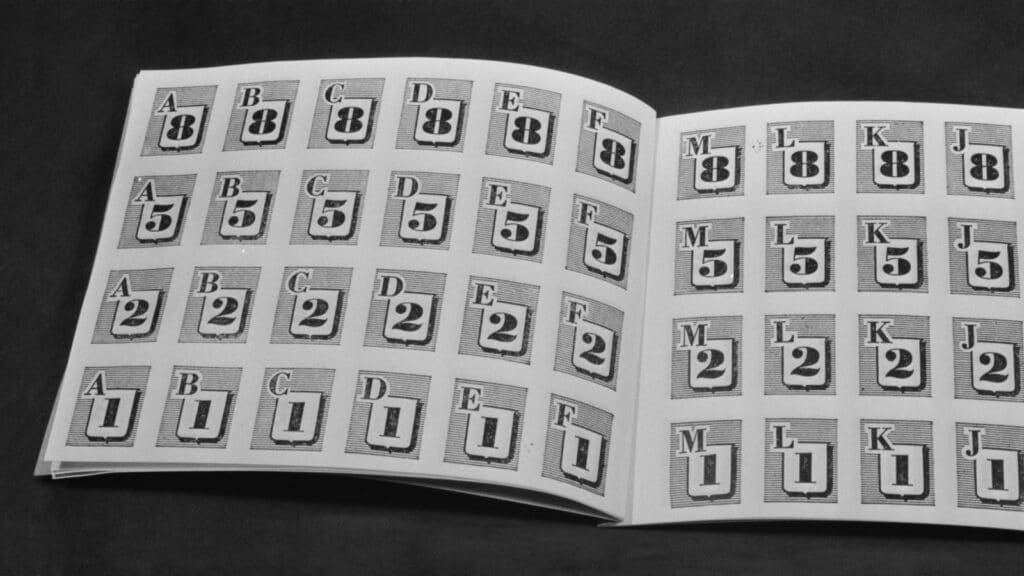
The Office of Price Administration forced American families to ration their supplies during World War II. They bought stamp books so that they could purchase limited goods like sugar & meat. The habit of stretching what you have is a habit that stuck around for older Americans. Even now, they’re okay with substituting ingredients and repairing instead of replacing.
Saving usable leftovers is nothing special for them. Older Americans learned how to do so successfully from their parents, and it was a kind of mindset that didn’t require abundance or quick replacements. They know how to make do with the things they have.
Keeping a house file for anything important

You’ll find that all the important documents stay in one physical place in most older households. They won’t scan or label these things, nor will they store them in the cloud. Keeping physical copies of appliance manuals & receipts means they don’t have to go searching through online accounts to find what they’re looking for.
Older Americans know that the answer is already written down somewhere in the house. All of the most important information is there, and they don’t need to rely on their memory to remember where they’ve filed it. Keeping things physically feels a lot more organized.
Keeping cars running
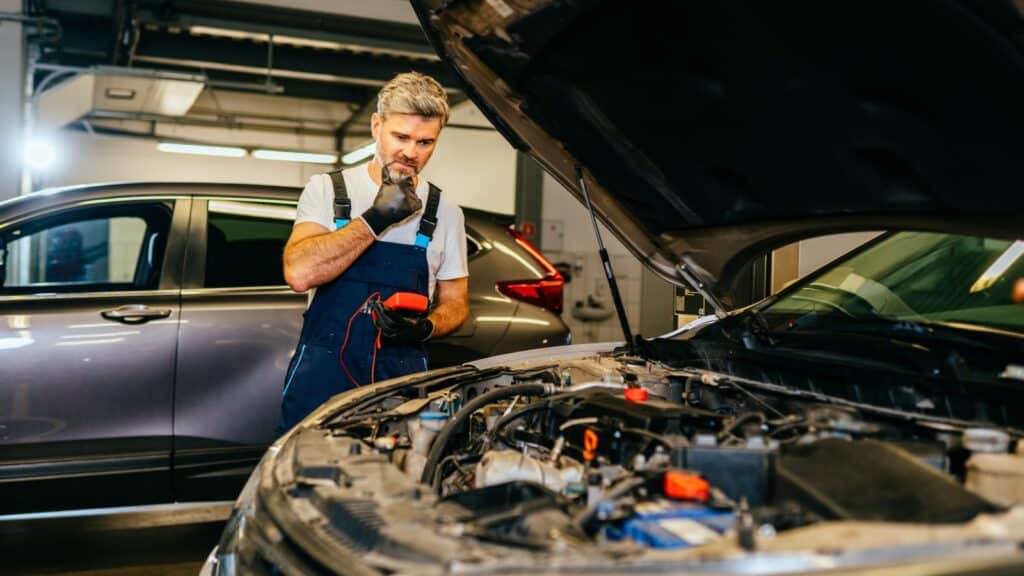
The majority of older people know all about paying attention to their cars to make sure they continue running. Writing down when they need to get an oil change and understanding tire pressure & fluid levels is no big deal for them. They know how to do it all.
That’s not to say that every older American is a qualified mechanic. But they won’t panic when a warning light comes on in their car because they know the first step is to figure out what the issue might be. They understand how to check what the issue is before something bigger breaks.
Understanding deadlines that don’t come with reminders
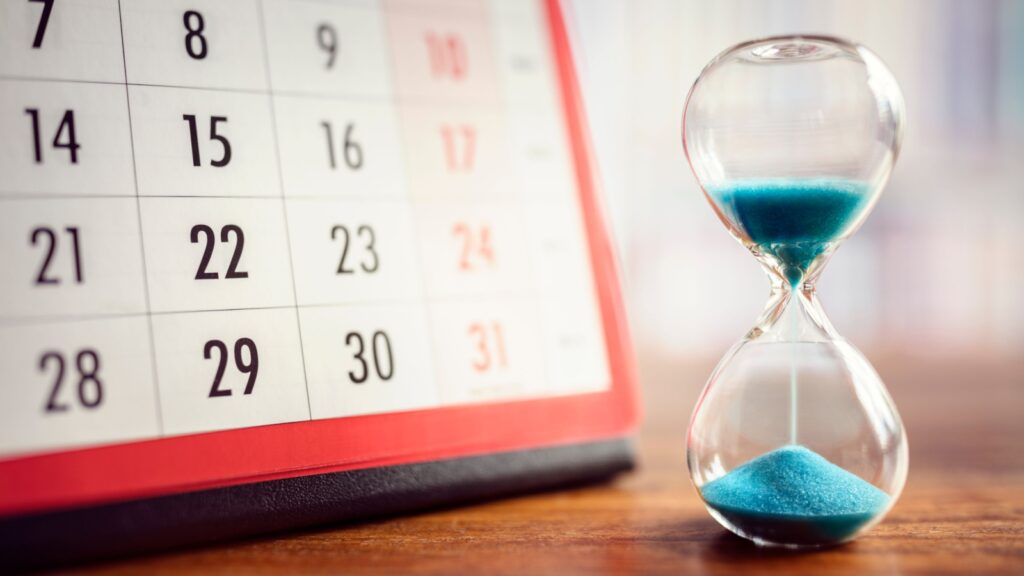
There was a time when deadlines would appear in the mail, sometimes weeks or months before they were due. Follow-up reminders & countdown alerts didn’t exist. It’s something that taught older Americans to recognize the dates early and keep an eye on them, so they could avoid the consequences.
They didn’t have a chance to get a do-over. Older Americans know how to keep themselves on track with calendars & reminder notes, rather than trusting an app to do it for them. They’re far better at managing their time because they had to do so when they were younger.
Understanding vague instructions without extra guidance

So many instructions were written in a way that appeared to be unclear on purpose, like forms that assumed you knew the basics of what they were talking about. Any job tasks you had to do came with short instructions, and certainly no step-by-step help. Yet that was a good thing. Older Americans became used to reading things twice and filling in the missing details.
They figured out how to understand what the instructions were actually asking them to do, rather than expecting immediate help online. It’s a skill that’s still useful today when they’re dealing with housing paperwork or legal notices.
Managing consequences that can’t be edited
Older Americans lived in a world where the majority of actions were permanent as soon as they happened, and there were no undo buttons to fix mistakes. You simply had to get it right the first time. Fixing mistakes later, whether from a written check or a mailed form, wasn’t easy, and it taught older Americans to view every submission as final.
They understand how to act carefully before something is locked because there’s no guarantee that you can take it back. Older Americans grew up with fewer chances to revise, so they make sure to get it right each time now.
Boomer Childhood Experiences That Show Kids Today Have It Easy

No, it was not a TikTok dance or asking Alexa to make things happen. Prior to iPads and DoorDash, kids were basically free labor. Here are the 21 chores Boomers did as kids that would put today’s kids straight into therapy.
Boomer Childhood Experiences That Show Kids Today Have It Easy