
Most of us don’t think twice before tossing kitchen scraps into the bin. A chicken bone here, a splash of leftover cooking oil there – it all seems harmless enough. Honestly, it’s one of those everyday habits that almost nobody questions. Yet what ends up in your trash, drain, or compost pile can have surprisingly serious consequences, from clogged sewer systems to attracting dangerous pests to releasing climate-warming gases into the atmosphere.
In 2024, over a quarter of the food an average U.S. consumer purchased went to waste. EPA findings show that an estimated 58% of methane emissions released into the atmosphere from landfills come from food waste – and not all of it is handled responsibly. The 11 food scraps below are the ones experts consistently flag as needing a smarter, more deliberate approach to disposal. Let’s dive in.
1. Cooking Oil and Grease
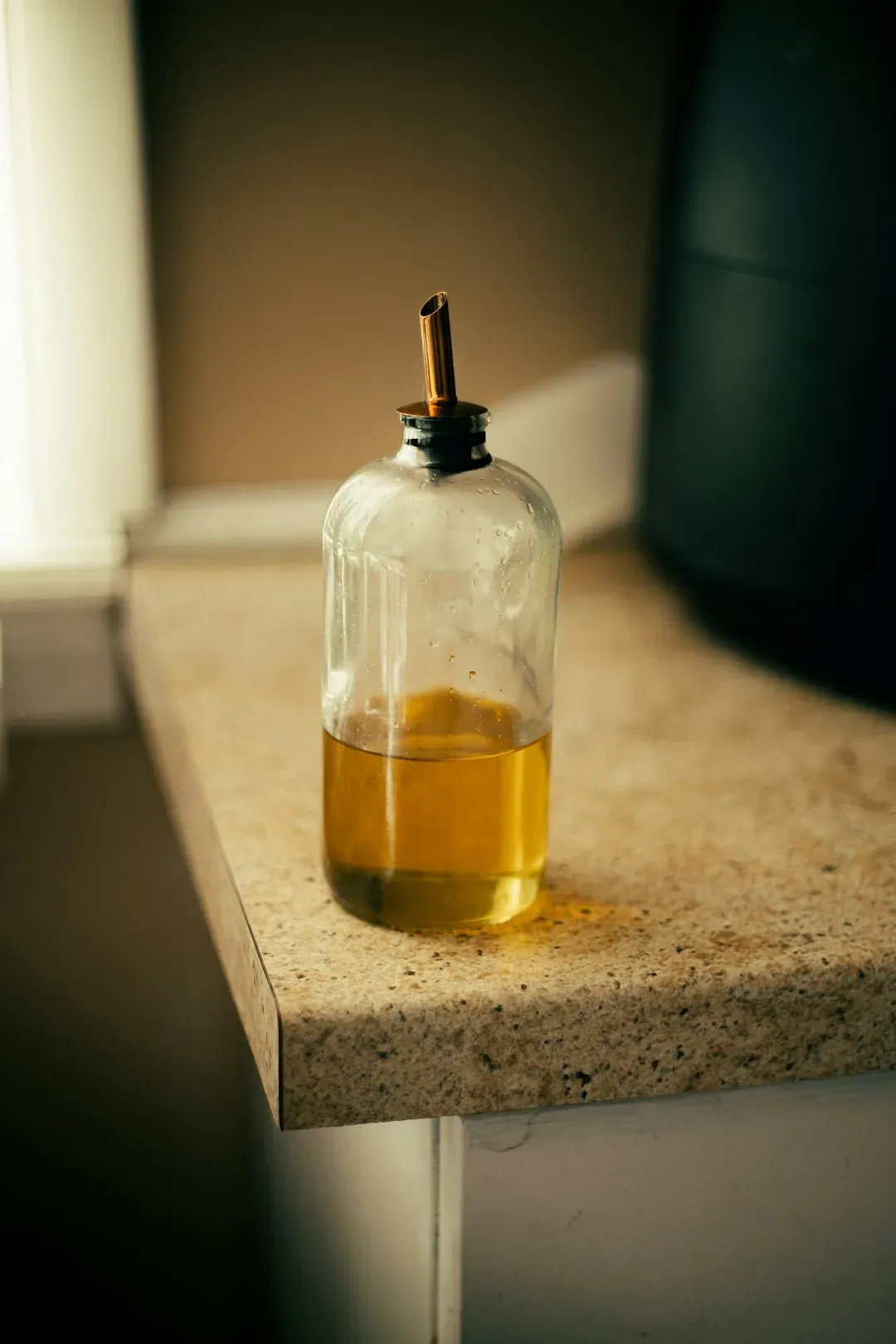
1. Cooking Oil and Grease (Image Credits: Unsplash)
This is probably the single most mishandled kitchen scrap in households everywhere. Pouring leftover frying oil or bacon grease down the sink feels convenient in the moment, but the damage it causes downstream is genuinely alarming. The EPA found that grease from kitchens is the number one cause of sewer blockages, responsible for roughly half of all reported sewer system blockages.
FOG – fats, oils, and grease – comes from everyday foods like cooking oil, lard, butter, meat drippings, and creamy sauces, and while it might be liquid when hot, it quickly cools and hardens like wax inside your pipes. A fatberg is a massive, rock-hard lump that forms inside sewer pipes when cooking fats, oils, and grease combine with non-biodegradable items. The most famous example, discovered beneath Whitechapel in London in 2017, stretched 250 meters long and weighed an estimated 130 tonnes. The fix? Let the oil cool completely, seal it in a container, and throw it in the trash.
2. Meat Scraps and Raw Trimmings
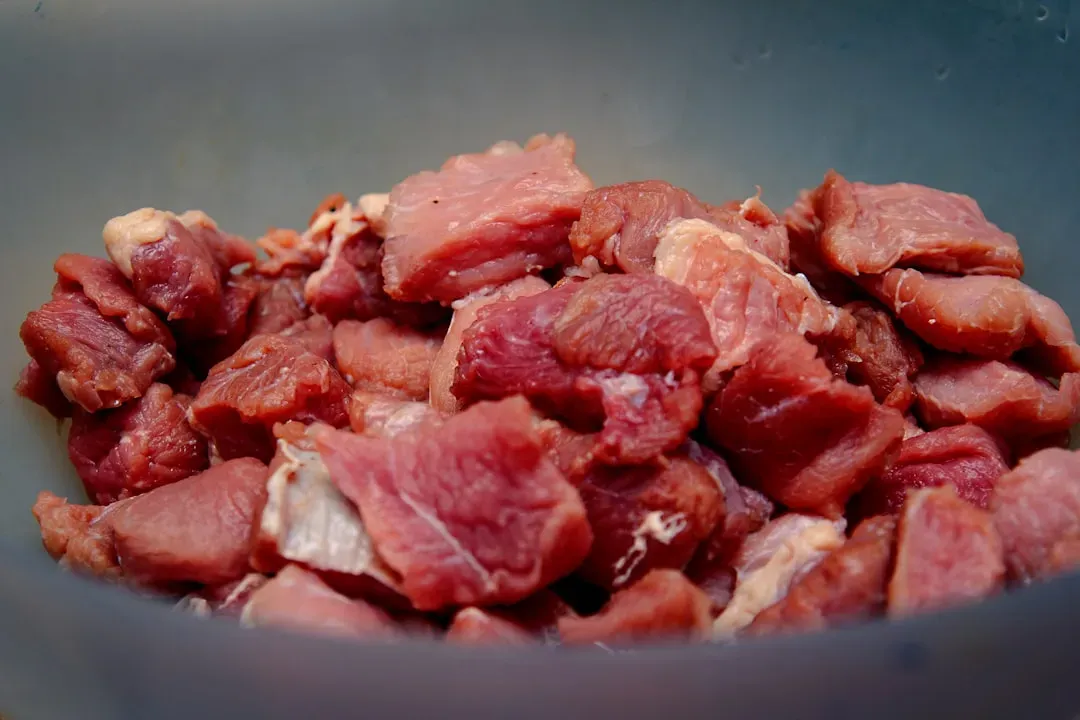
2. Meat Scraps and Raw Trimmings (Image Credits: Unsplash)
Leftover pieces of raw or cooked meat are one of those scraps that seem fine to toss just about anywhere – but experts are pretty consistent about why that's a mistake. The EPA cautions against composting dairy products, meat scraps, and fish bones. At home, the risks stack up fast. Meat, bones, and cooked food are all known attractants to pests in the compost pile. Rats, mice, flies, raccoons, bears, and other local visitors will soon sniff out the free food and make your compost bin a regular dinner stop.
Decomposing meat may contain harmful pathogens, and high temperatures are needed to destroy them. While these temperatures can be reached in a commercial compost facility, the average backyard pile rarely gets hot enough. Meat and dairy products are typically thrown into the trash, where they end up in the landfill and decompose into methane – a climate super pollutant. Meat and dairy products should be used before they spoil or disposed of in a way that will prevent contaminants from entering the environment.
3. Fish Bones and Seafood Shells
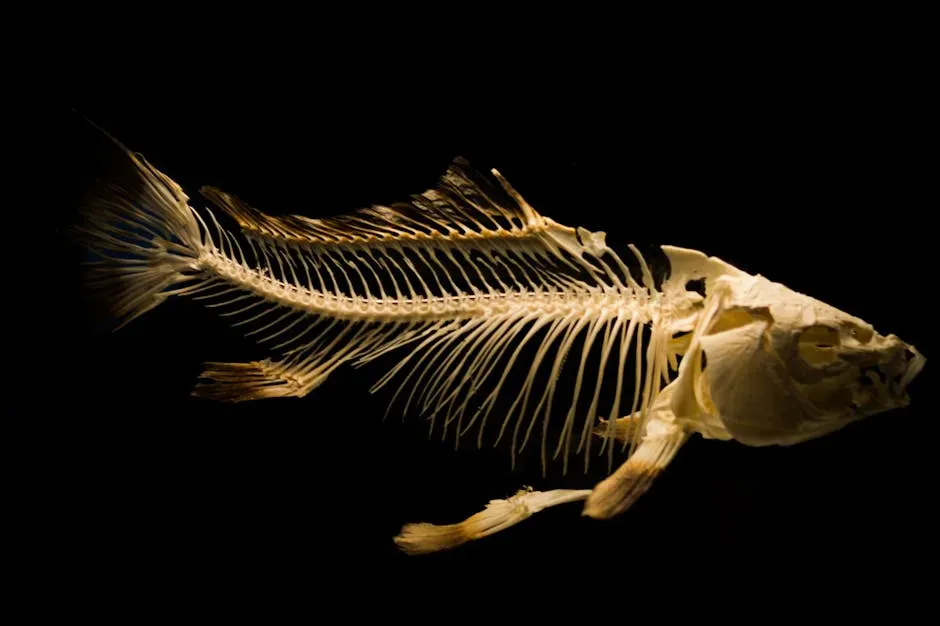
3. Fish Bones and Seafood Shells (Image Credits: Pexels)
Fish scraps occupy a weird middle ground in the world of disposal. They're organic, they break down eventually, and yet they're among the most problematic items to handle incorrectly. Fish bones will not readily compost unless utilized as a bone meal fertilizer. To create bone meal fertilizer, the fish bone must be dehydrated, ground into a meal, and spread across the soil – a lengthy process that requires heat, time, energy, and labor.
Animal products like meat, fish, eggs, bones, dairy, grease, and fat can create odor problems and attract flies, rodents, and other pests to your pile or bin, and these products can also carry pathogens that may survive the home composting process. The smell from fish in particular is intense enough that pets and wildlife will dig up buried scraps. Many municipal curbside programs accept fish scraps, so checking with your local service is the smartest move.
4. Dairy Products
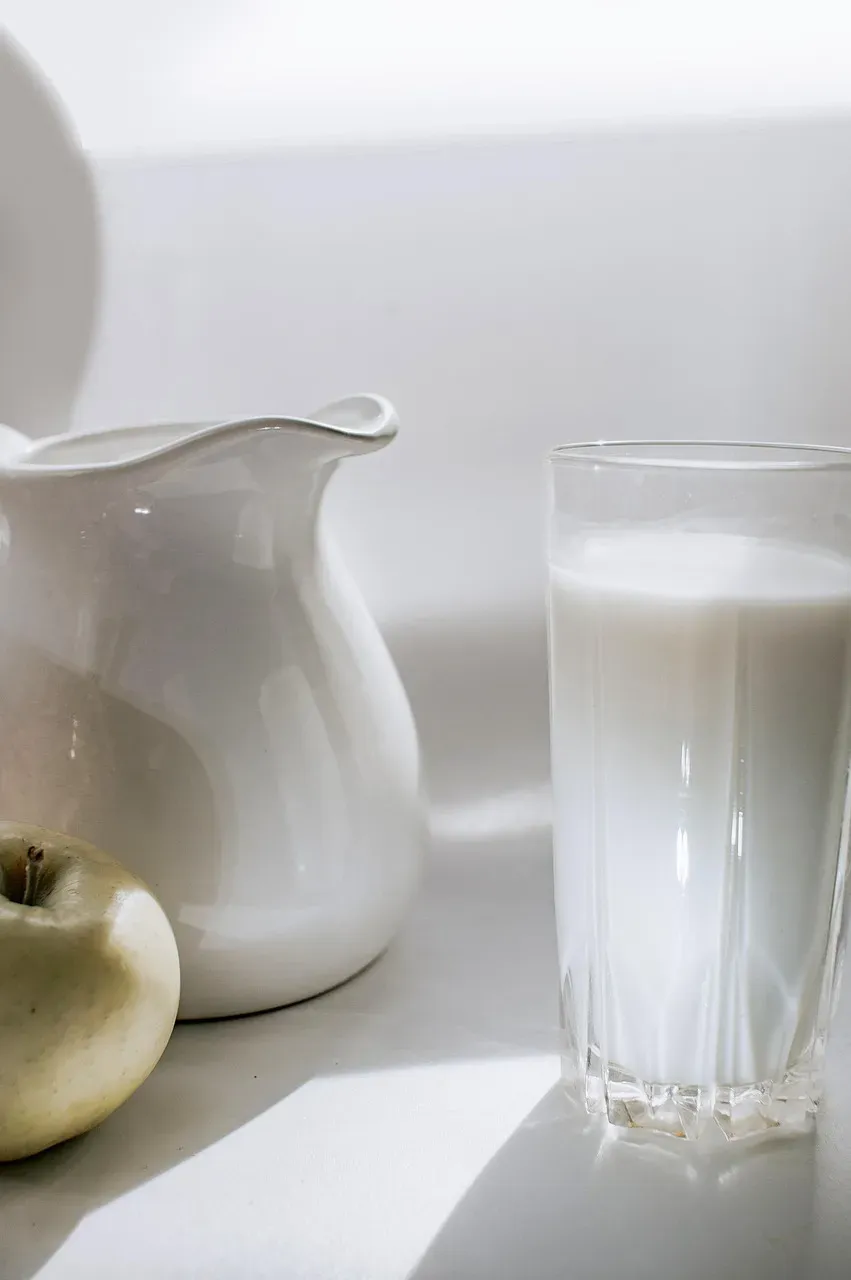
4. Dairy Products (Image Credits: Pixabay)
Think spoiled milk, old cheese, leftover yogurt. They feel like easy items to discard – just toss them in the bin or rinse them down the sink, right? Not quite. Dairy products differ from normal organic waste due to their high moisture and fat content. Fats and oils slow down composting by creating water-resistant barriers around the waste, displacing water, and reducing airflow. A balance of water and air is required to maintain optimal conditions, and too much or too little water will slow down the composting process.
When dairy products begin to spoil, they create an unpleasant, rancid odor due to the overgrowth of bacteria. This can attract pests and wildlife that can disrupt the compost pile in search of food. Oils, meat residues, dairy, and human waste are the big no-nos of backyard composting. For small liquid amounts like milk, rinsing down the drain is generally acceptable, but larger dairy waste is best handled through municipal organics collection.
5. Animal Bones
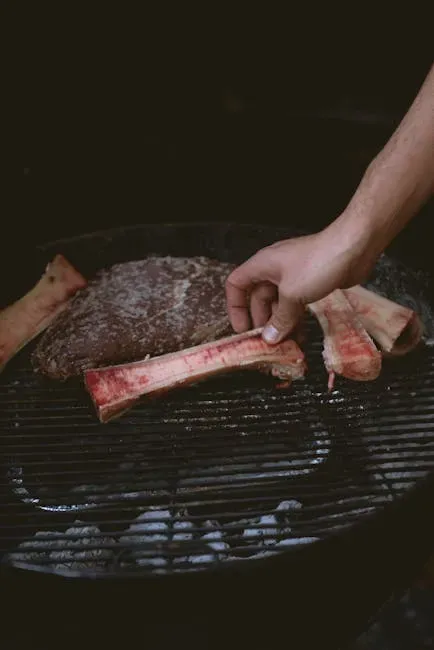
5. Animal Bones (Image Credits: Pexels)
Bones from chicken, beef, pork, and similar sources are denser than almost anything else you'll find on your plate, and that density is exactly what makes them so troublesome to dispose of incorrectly. Dense bones from poultry or larger mammals are hard for grinders to process, raising jam risk and the potential for motor damage. Some very small bones may pass, but they still add friction and potential buildup over time. Best practice is to keep bones out of the unit and dispose of them in the trash or compatible compost stream where bones are allowed.
National guidance for household composting steers home setups away from meat, dairy, fats, and skeletal material. If you only have a garden pile, keep bones out and use your regular refuse, or better, a council organics cart if offered. The exception worth knowing: large-scale municipal composting facilities can often handle bones safely since city plants rely on scale and controlled temperatures, with aerated windrows reaching steady heat that knocks back pathogens while microbes chew through food.
6. Citrus Peels
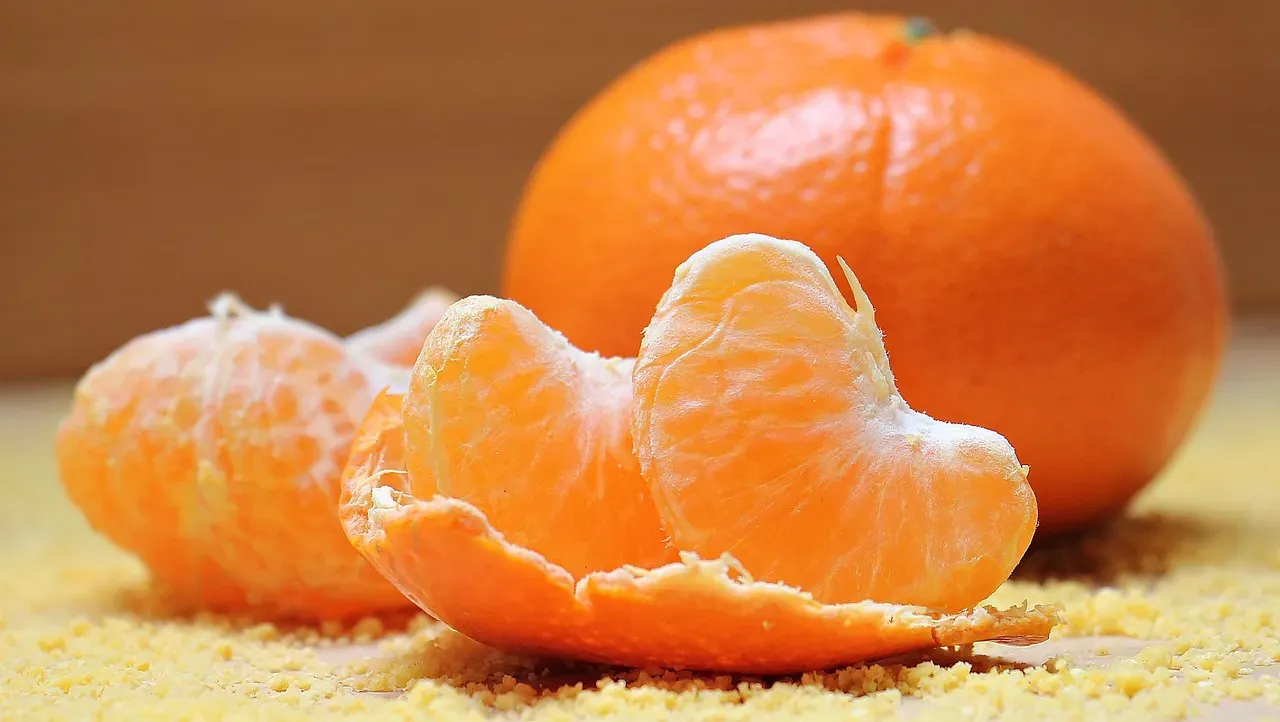
6. Citrus Peels (Image Credits: Pixabay)
Here's one that surprises a lot of people. Citrus peels feel so wholesome and natural – I mean, it's just an orange peel. Surely the compost bin is perfect for it? The reality is a bit more complicated, especially if you're using a worm bin. Rinds from oranges, grapefruits, lemons, limes, and other citrus are slow to decompose. The oils in the skins can be harmful to some microbes and worms. It's best to avoid adding these to a worm bin and put them in the main compost bin instead.
The EPA advises avoiding citrus fruits, odorous foods like onions and garlic, meat, dairy products, greasy foods, bones, and pet waste in worm composting systems specifically. In a regular backyard compost pile, citrus can work if managed well – cut the peels into smaller pieces and spread them out rather than dumping a large batch all at once. In moderation and with the right setup, citrus peels are manageable, but many people add far too many at once without realizing the impact on their compost's microbial balance.
7. Cooked Grains, Bread, and Pasta
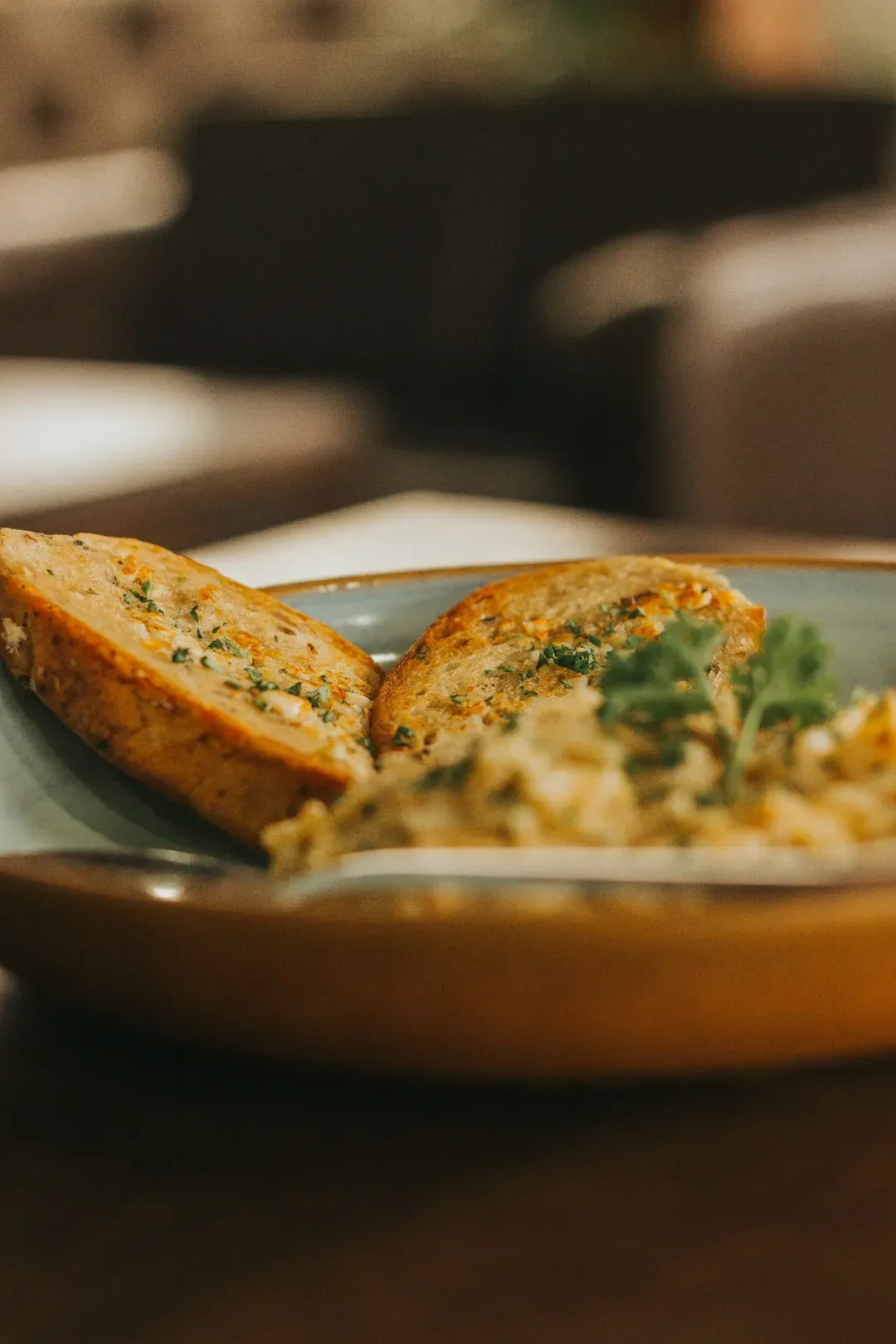
7. Cooked Grains, Bread, and Pasta (Image Credits: Unsplash)
Stale bread. Leftover rice. A pot of overcooked pasta nobody wanted to finish. These feel totally harmless, and yet they come with their own set of disposal headaches. Breads, pastas, and rice usually fall into the cooked food category, and cooked food can attract pests. Some composters do add these items to their main compost pile, but only those lucky enough not to have major problems with mice, rats, or other potential pests.
Cooked starchy foods break down quickly and produce a wet, anaerobic environment in the middle of your pile if not managed carefully – essentially the opposite of what good compost needs. They are also particularly attractive to rodents in urban settings. Critters like rats tend to be attracted to human cooked food like meat and bread, so depending on your situation, adding them to compost bins may not be the best idea. Municipal composting programs that accept cooked food are the safest option here.
8. Spoiled or Moldy Produce
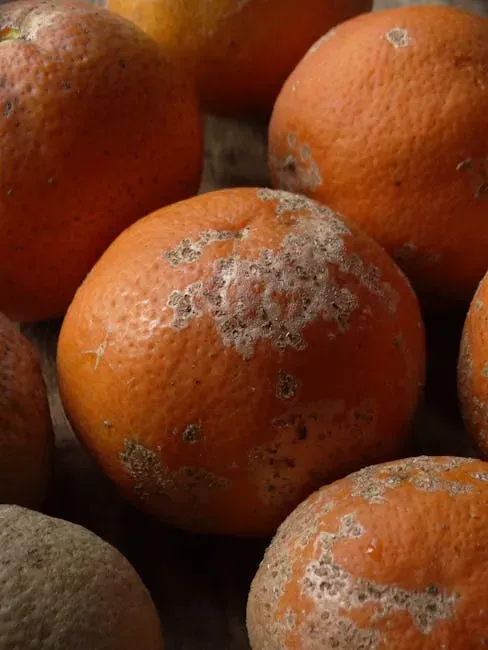
8. Spoiled or Moldy Produce (Image Credits: Pexels)
This one might actually be the most common food scrap in any kitchen, and it genuinely splits expert opinion. Small amounts of moldy fruit in a well-managed compost pile are generally fine. The trouble starts when people treat the compost bin like a catch-all for any amount of rotting produce without thinking through the implications. Food waste data from ReFED shows that roughly four-fifths of surplus food comes from perishables, which include fruits and vegetables, meats, prepared fresh deli items, and seafood.
Heavily diseased plant material can potentially spread pathogens to finished compost and then into your garden. When food has little or no exposure to oxygen in a landfill, it creates an anaerobic environment, and in these conditions microorganisms decompose the organic material very slowly, releasing methane – a potent greenhouse gas with a much higher potential for warming than carbon dioxide. The takeaway: composting is always better than landfilling for produce scraps, but diseased or heavily contaminated produce should go to a municipal facility rather than your backyard pile.
9. Onion and Garlic Scraps
9. Onion and Garlic Scraps (Image Credits: Pixabay)
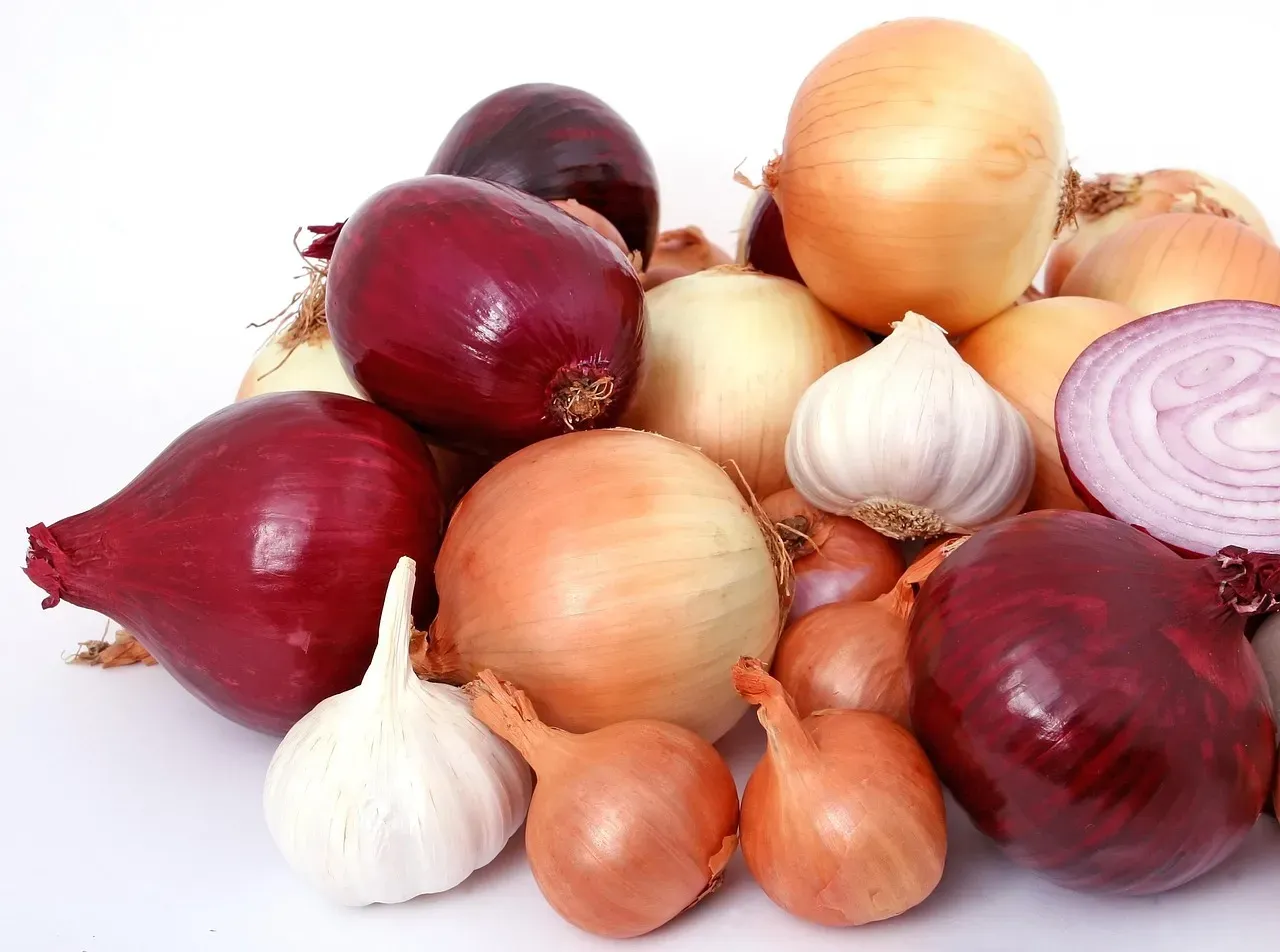
Garlic skins. Onion tops. The root ends of green onions. They seem like the most innocent of kitchen trimmings, but experts specifically single these out as problem items for certain disposal methods. The EPA lists odorous foods like onions and garlic alongside meat and dairy as items to keep out of worm composting systems. The natural sulfur compounds that give onions and garlic their sharp smell are genuinely irritating to composting worms and can disrupt your vermicompost environment significantly.
For worm composting, you can feed worms most fruit and vegetable scraps, coffee grounds, crushed eggshells, and paper tea bags without staples. However, citrus fruits and odorous foods like onions and garlic should be avoided, along with meat, dairy products, greasy foods, and bones. In a traditional outdoor compost pile, small amounts of onion and garlic scraps are usually fine. The problem is when they accumulate in large quantities or go into systems – like worm bins – that simply cannot handle them.
10. Eggshells
10. Eggshells (Image Credits: Unsplash)
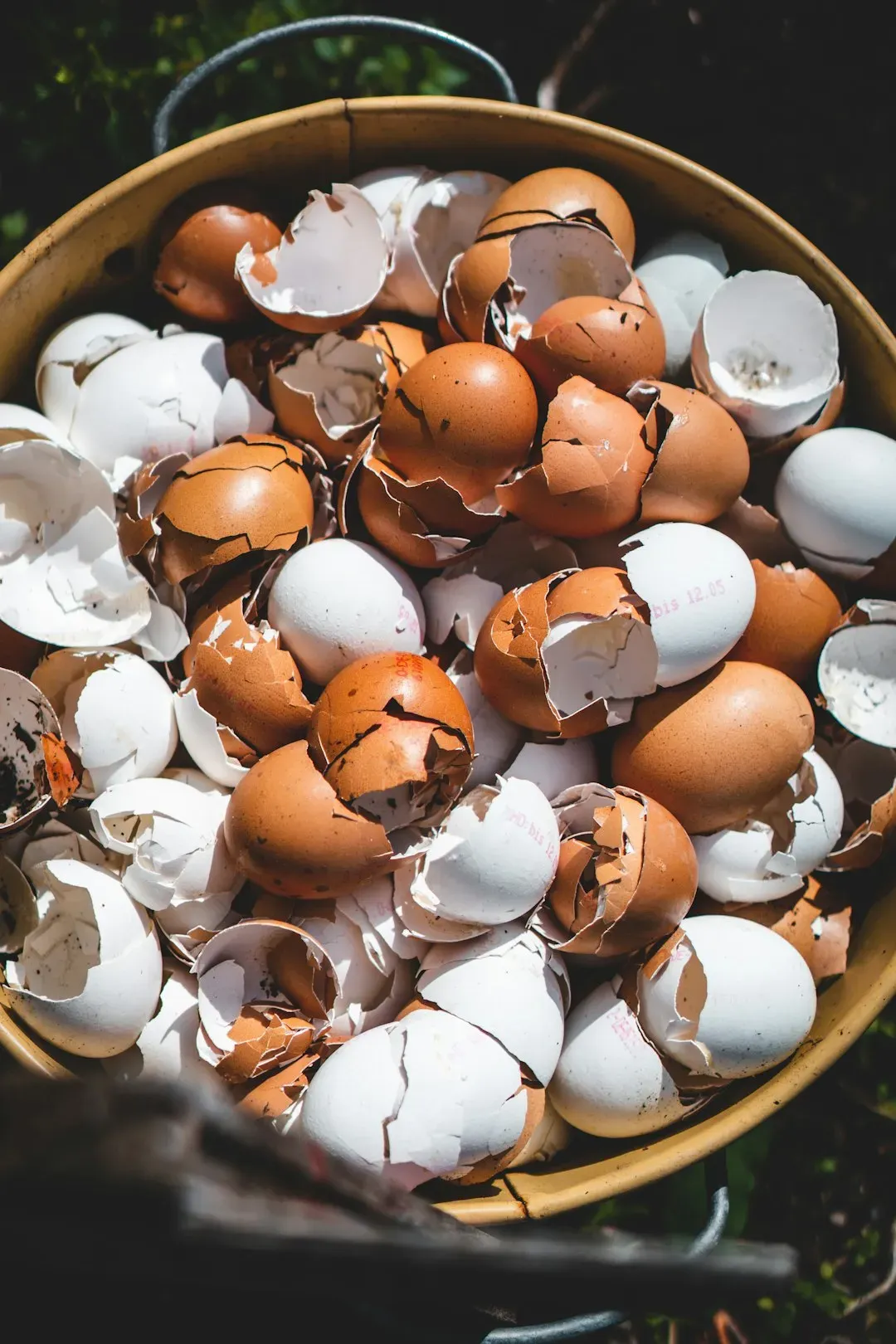
Eggshells are endlessly debated in sustainability circles. They're calcium-rich, technically compostable, and widely recommended as a garden amendment. Yet they also come with some important caveats that most people skip right past. Egg shells, dairy, bread, and even potato peelings can attract unwelcome guests to your compost bin and garden – particularly when any residue of egg white or yolk remains on the shell.
The key is rinsing eggshells thoroughly before adding them to any compost system. Shells with egg residue can smell as they break down and invite the same pest problems as meat and dairy. It's hard to say for sure how much residue is too much in practice, but a quick rinse is an easy precaution. In landfills, eggshells are inert and don't contribute meaningfully to methane, but they also represent a missed opportunity since food scraps contain valuable nutrients that are good for the soil, and finished compost can be used in gardens, farms, and landscaping.