
Home renovation is one of those things that sounds perfectly manageable until you’re actually standing in the middle of it, watching costs climb faster than you expected. Most homeowners go in with a number in their heads, maybe something they pulled from a quick online search, and then reality hits. American homeowners spent more than $600 billion on home renovation costs in 2024, according to a report from the Joint Center for Housing Studies at Harvard University. That’s roughly half again as much as what was spent before the pandemic. The appetite for renovation is clearly enormous. The financial preparation, though, often lags behind.
Some projects demand more careful financial planning than others. A fresh coat of paint is one thing. A gutted kitchen is an entirely different beast. The 10 renovation choices below are the ones most likely to derail a budget that wasn’t properly thought through. Whether you’re planning your first big project or your fifth, these are worth understanding before you pick up the phone and call a contractor. Let’s dive in.
1. Kitchen Remodel
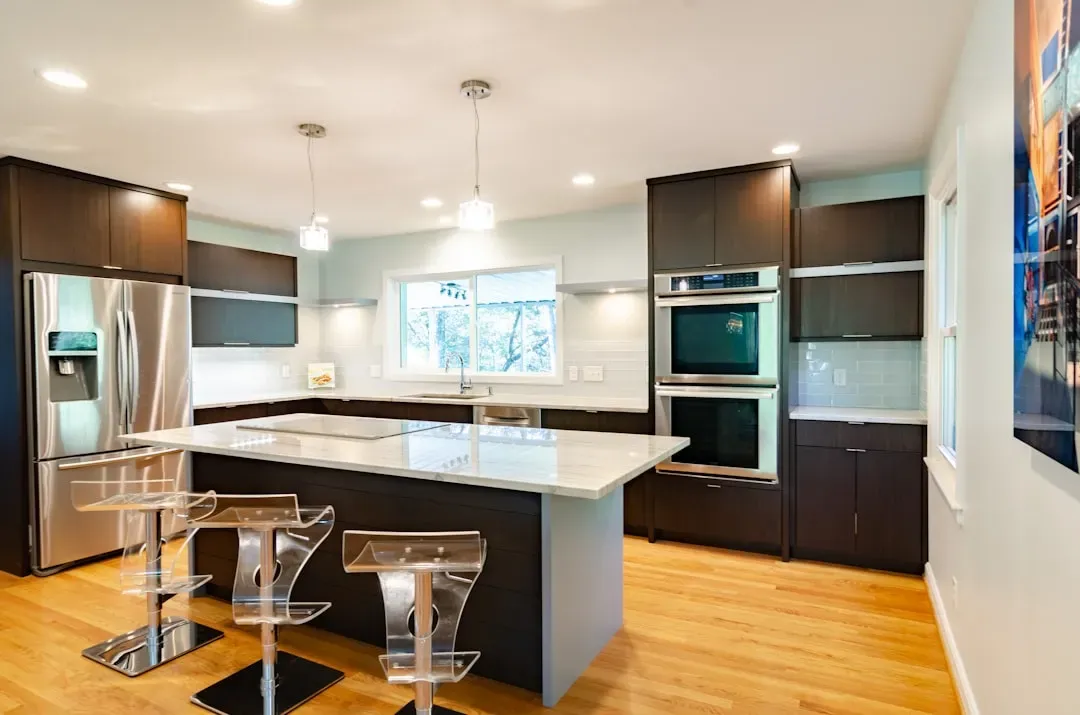
1. Kitchen Remodel (Image Credits: Unsplash)
Honestly, the kitchen is the one room that can humble even the most seasoned homeowner. A kitchen renovation cost from $14,585 to $41,530 in 2025, with the average homeowner spending around $26,968. Overall, you should expect to spend from $75 to $250 per square foot on a kitchen remodel. The trouble is, that range is massive, and people tend to anchor on the lower end.
Minor kitchen remodels might cost between $10,000 and $20,000, while major kitchen projects might cost between $65,000 and $130,000. Cabinets, flooring, and countertops alone account for nearly three quarters of kitchen remodel costs. The moment you start moving appliances, changing the floor plan, or choosing custom cabinetry, you are in very different financial territory. Plan conservatively, and then plan some more.
2. Bathroom Renovation
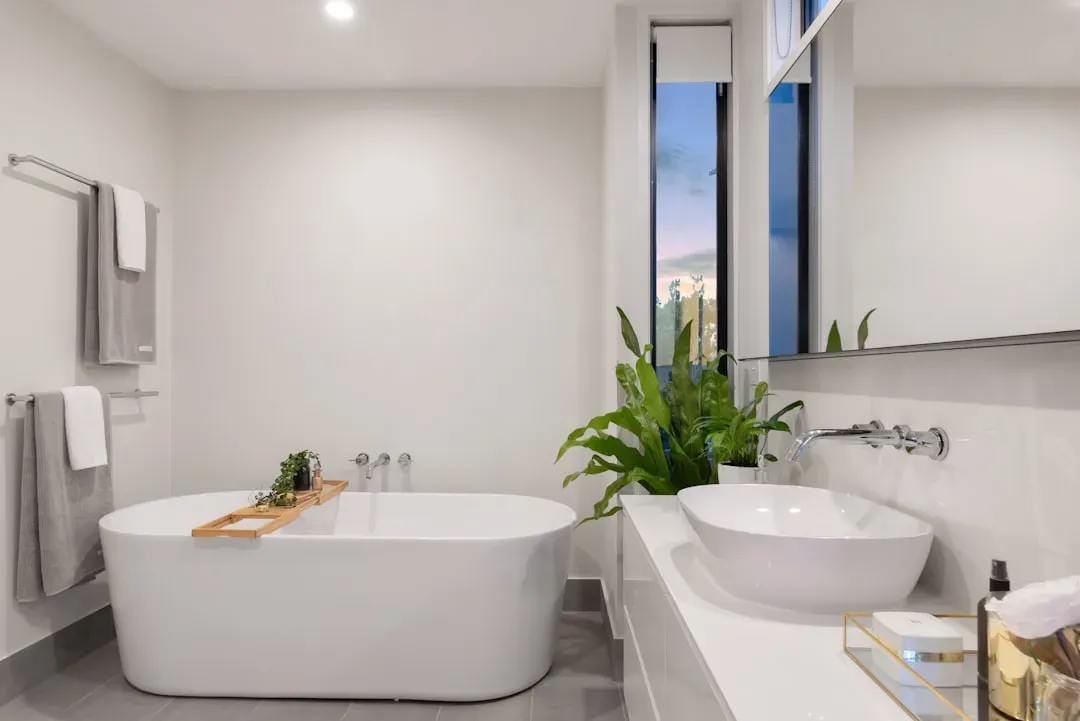
2. Bathroom Renovation (Image Credits: Unsplash)
Bathrooms are deceptively expensive. The room is small, sure, but the density of plumbing, electrical, waterproofing, and tile work packed into those few square feet means costs add up surprisingly fast. According to the latest data from Angi, the normal range for bathroom remodeling costs in 2025 falls between $6,639 and $17,621, with the national average sitting at approximately $12,120. That is the typical range for a standard project.
Labor accounts for roughly 40% to 65% of your total remodeling budget in 2025. Change the layout, move the plumbing, or go for a spa-style primary bath, and costs escalate sharply. If you're investing in an upscale bathroom remodel, the Journal of Light Construction reported that high-end bathroom renovations average $78,840 with a 45% return on investment. Know your tier before committing to materials.
3. Roof Replacement
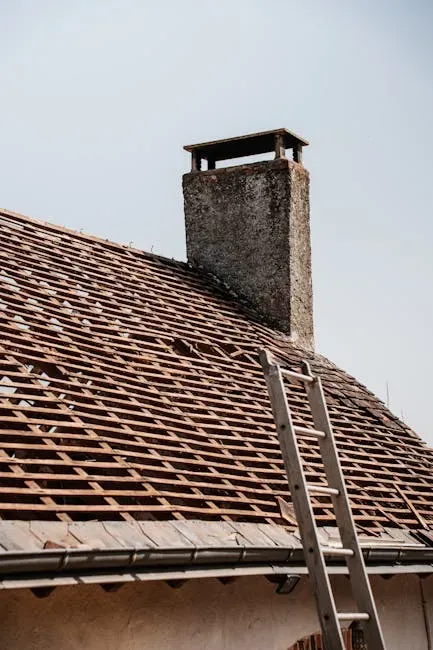
3. Roof Replacement (Image Credits: Pexels)
A roof replacement is one of those renovations nobody gets excited about, but everyone eventually has to face. It does not add a dramatic visual upgrade to your living space. It simply keeps the entire house intact. In 2025, the average cost to replace a roof ranges from $6,800 to $14,500 for residential properties, depending on the size, slope, material, and location. That range reflects standard asphalt shingles at the lower end and premium materials on the higher side.
Most roofs are priced by the square foot, with costs ranging from $4.00 to $14.00 per square foot in 2025. Asphalt shingles fall on the lower end of that range, while metal, tile, or slate roofing lands on the higher side. This pricing typically includes materials and basic installation but may not cover tear-off, permits, or structural repairs. Those add-ons catch a lot of people off guard. Budget with those extras factored in from the start.
4. HVAC System Replacement
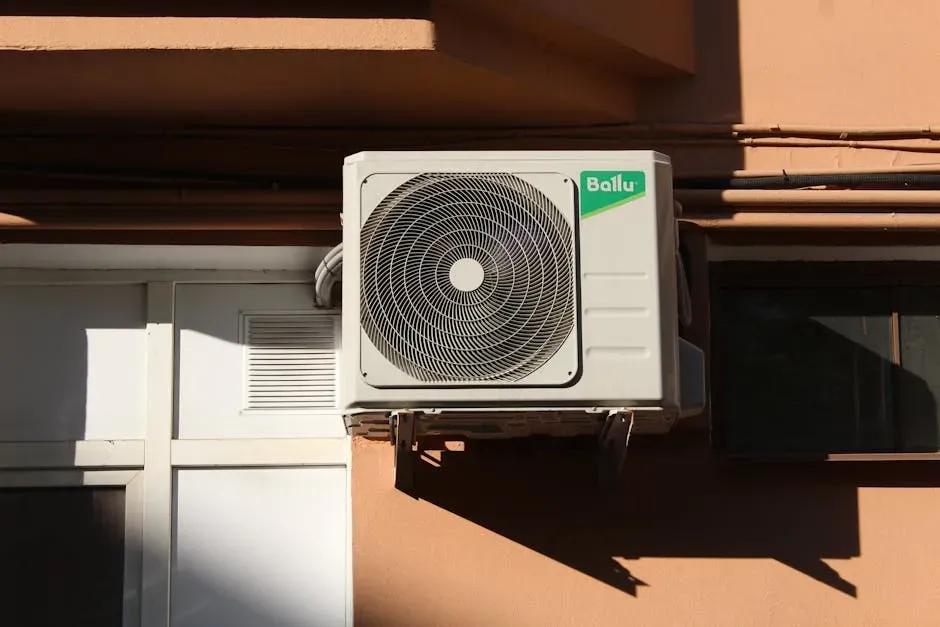
4. HVAC System Replacement (Image Credits: Pexels)
Few renovation choices are as invisible and as expensive as replacing the HVAC system. You do not get a gorgeous new countertop or gleaming hardwood floors to show for it. What you do get is a home that actually breathes properly. Heating, ventilation, and air conditioning are critical to home comfort. Installing or upgrading HVAC systems is another significant expense in home renovations, with average expenses ranging from $3,000 to $15,000 or more.
Budget between $7,000 and $13,000 for standard systems, while premium or larger homes cost between $13,000 and $18,000. A single AC replacement without a furnace runs between $4,000 and $7,000. It is also worth noting that if your HVAC system is over 15 years old or is not performing efficiently, it is smart to include it in your renovation, since new systems can reduce energy bills and improve indoor comfort, especially if you are adding square footage.
5. Electrical Rewiring

5. Electrical Rewiring (Image Credits: Pixabay)
Here is the thing about electrical rewiring: it is one of those renovation choices that many homeowners discover they need halfway through another project entirely. You open up the walls for a kitchen remodel and suddenly the wiring looks like it belongs in a history museum. On average, most homeowners spend between $4,000 and $12,000 on rewiring, though costs can climb higher for large, historic, or heavily outdated properties. At first glance that price tag might feel steep, but rewiring is not just a home improvement, it is a safety upgrade.
Rewiring an old house tends to be more complex and costly because outdated electrical systems need to be updated. The average cost of rewiring an old house is usually between $5 and $17 per square foot, depending on factors like the home's size, number of circuits, and how easily the wiring can be accessed. Homeowners who schedule rewiring during another open-wall renovation project often save significantly on labor costs, since the walls are already exposed.
6. Plumbing System Updates
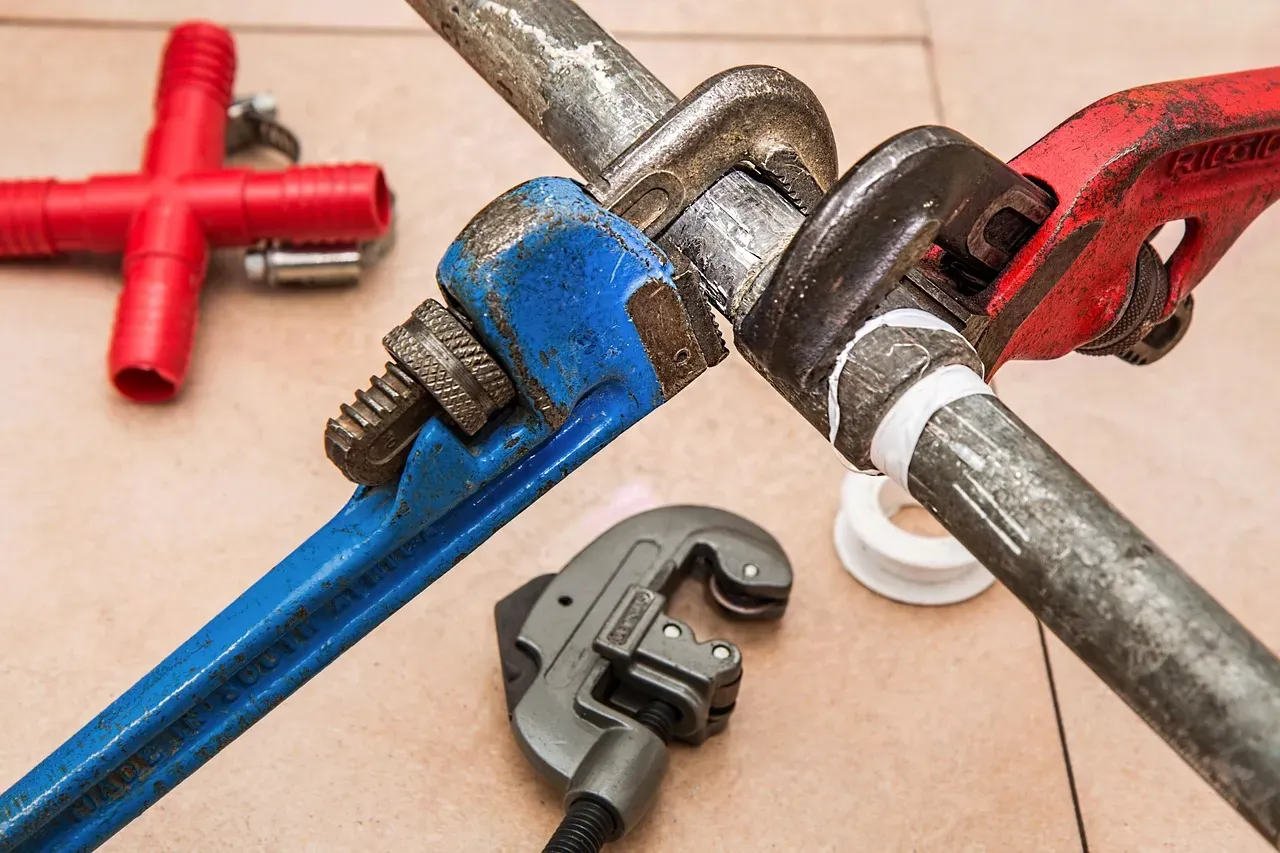
6. Plumbing System Updates (Image Credits: Pixabay)
Plumbing updates rarely get the same attention as a kitchen redesign, but they are just as capable of wrecking a budget that was not designed to accommodate them. Old pipes, outdated fixtures, or rerouted supply lines all carry real financial weight. Updating plumbing fixtures or rerouting pipes can add to your renovation expenses, with costs ranging from $2,000 to $10,000 or more, depending on the complexity of the plumbing work.
In addition to labor and materials, homeowners should account for hidden expenses like permitting, waste removal, and insurance policies, as well as contingency funds for unforeseen issues such as mold, asbestos, or structural repairs. Plumbing issues discovered mid-project are among the most common causes of budget overruns. If your home is older, having a pre-renovation plumbing inspection done first is well worth the cost.
7. Flooring Replacement
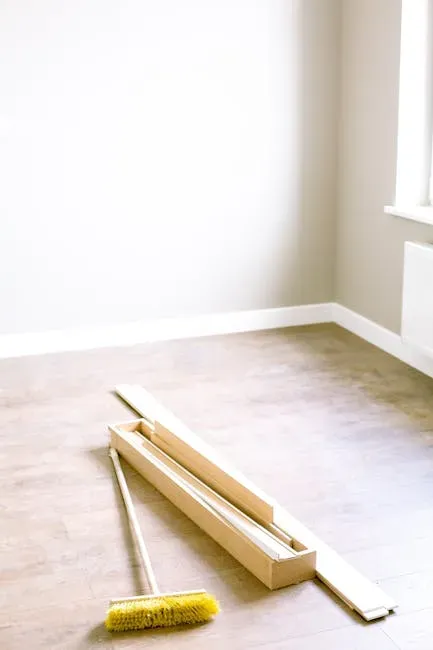
7. Flooring Replacement (Image Credits: Pexels)
New flooring is one of those renovations that transforms the look of a home faster than almost anything else. It also has a wider price range than most people realize going in. New flooring for an entire home costs between $8,000 and $25,000. Hardwood costs more than laminate, and tile costs more than vinyl. Your choice here makes a big difference. The per-square-foot gap between the cheapest and most expensive options is enormous.
Hardwood runs between $8 and $15 per square foot installed, while laminate goes for about $3 to $7 per square foot. Quality matters, as cheap flooring looks cheap and wears out fast. I think the smartest approach here is to spend a little more in the highest-traffic areas, like kitchens and living rooms, and consider more budget-friendly options in less-used bedrooms. Stretching value strategically is the whole game.
8. Home Addition or Room Extension
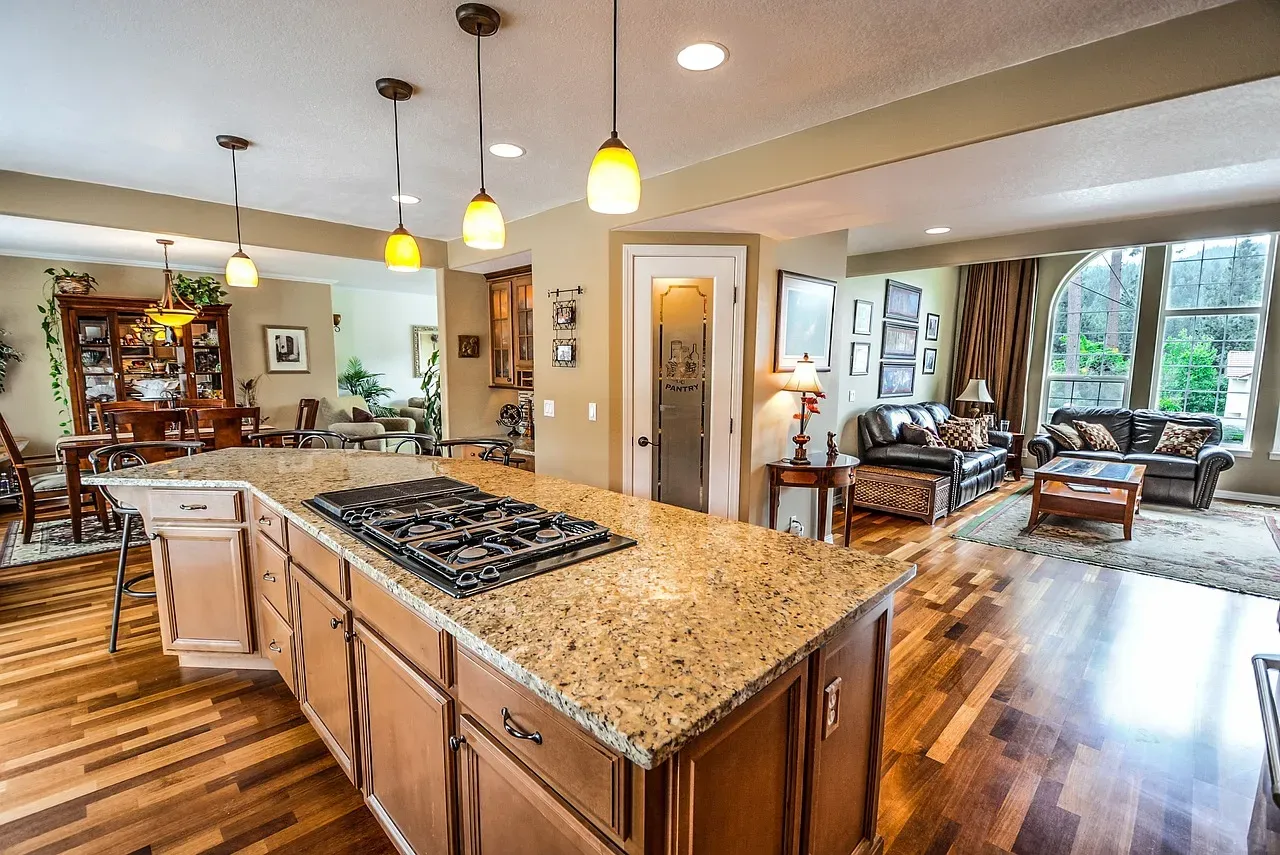
8. Home Addition or Room Extension (Image Credits: Pixabay)
Adding square footage to your home is one of the most ambitious renovation choices on this list, and one of the most financially unpredictable. The scale of the project means that even small decisions, like ceiling height or window count, compound into meaningful cost differences. The average home addition cost is approximately $51,018. You could pay as little as $4,000 for a small bump-out and prices can climb to $160,000 for a full second-story addition. Home additions cost between $80 and $200 per square foot if you are building out, and between $300 and $500 per square foot if you are building up.
Home additions are one of the most variable renovation projects, so starting with a realistic cost range is key. In many markets today, homeowners can expect additions to fall between roughly $125 and $350 or more per square foot, depending on the room type and finishes. Beyond construction, it is also important to budget for design plans, permits, and mechanical updates like HVAC or electrical. Missing any one of those line items can throw the whole financial plan off by tens of thousands of dollars.
9. Basement or Attic Conversion
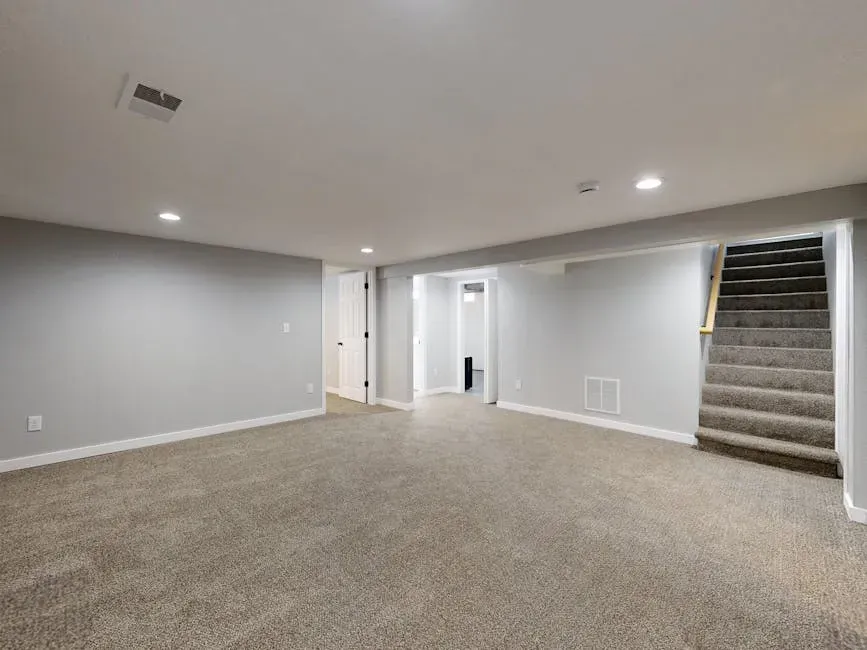
9. Basement or Attic Conversion (Image Credits: Pexels)
Turning unfinished space into livable square footage sounds like an efficient win. You already own the space, so how expensive can it be? More expensive than most people expect, is the honest answer. Basic refinishing of a basement or attic may start at $20,000, while full conversions with structural changes or high-end finishes can exceed $70,000. The reason the range is so wide comes down to how finished the space is to begin with.
The cost of renovating a basement or attic depends on your vision for the space. If you intend to make it an entertainment area, you will spend additional money on new appliances. Insulation, HVAC extensions, egress windows, moisture control, and fresh electrical circuits all add up before you have even touched a single design element. Think of a basement conversion like a small house build inside your existing house. Budget accordingly.
10. Structural Changes and Floor Plan Alterations
10. Structural Changes and Floor Plan Alterations (Image Credits: Pixabay)
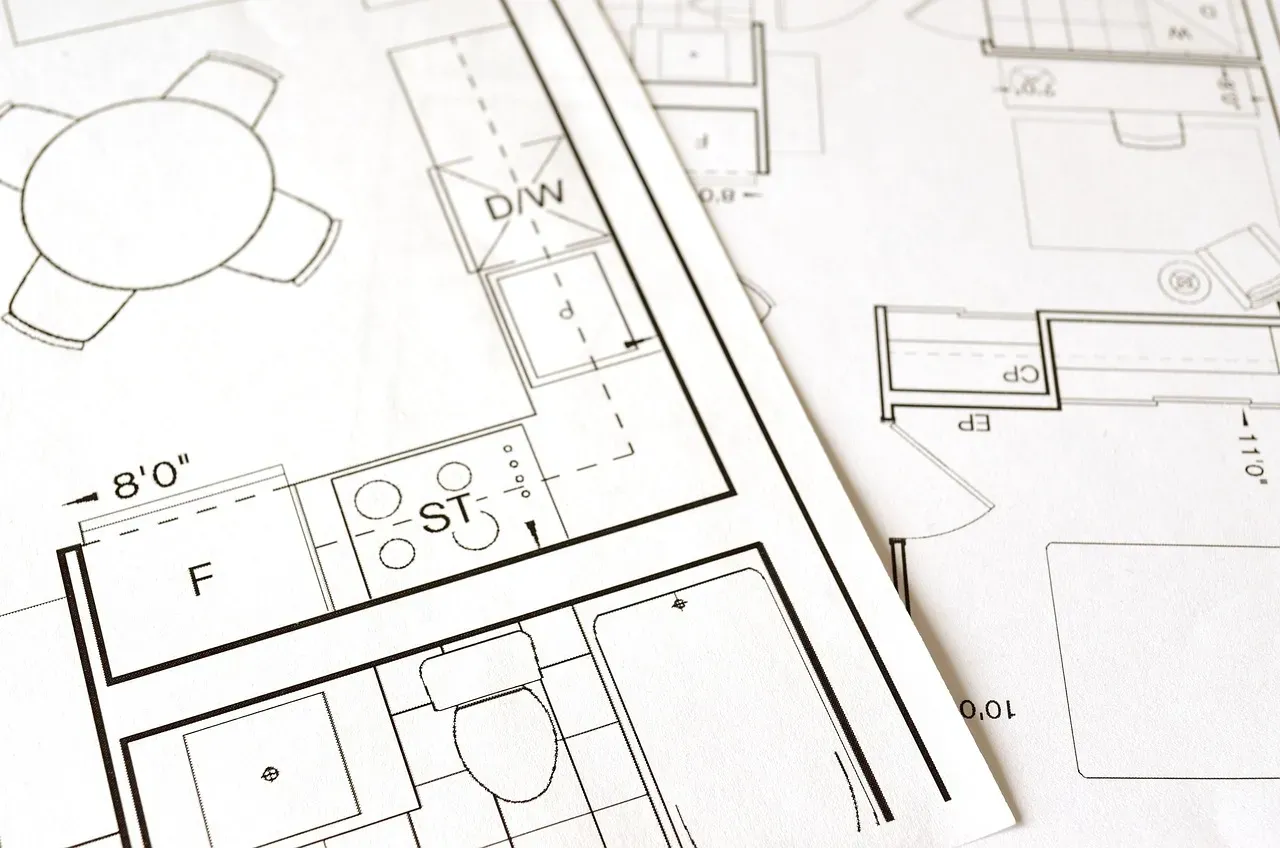
Removing load-bearing walls to create an open-concept layout is the kind of change that photographs beautifully on renovation shows. What those shows rarely linger on is the structural engineering, the permit process, and the cascading costs that follow. Making changes to your home's floor plan can significantly impact renovation costs. Whether you are knocking down walls or adding new ones, expect to allocate additional funds for structural modifications, which on average can cost between $2,000 and $15,000.
Altering your home's floor plan is considered a high-end renovation that comes with greater costs. You will likely need to hire a structural engineer to ensure the work is done safely. If your project involves removing load-bearing walls, project costs can exceed $10,000. The ripple effect of a floor plan change also tends to pull in adjacent renovations, such as new flooring throughout, relocated lighting, extended HVAC runs, and updated plumbing. One wall comes down and suddenly five other budget lines grow.
No matter which of these renovation choices you are weighing, the single most consistent piece of advice from industry data is to build in a meaningful financial cushion. The 2024 U.S. Houzz and Home Study found that nearly 4 in 10 homeowners exceeded their renovation budget, and roughly 1 in 4 never set a budget at all. Industry standard recommends budgeting an additional 10% to 20% beyond quoted estimates for unexpected discoveries. Renovation surprises are not the exception. They are practically the rule. The homeowners who come out the other side feeling good about the experience are almost always the ones who planned for the unexpected before it arrived.
What would you do differently if you had to budget for one of these projects today? Tell us in the comments.