
There is something quietly powerful about the way a property makes you feel the moment you encounter it. Before a single room is entered, before a floor plan is studied or a price tag examined, a home has already told its story. That story is written almost entirely in design. Whether you are a homeowner preparing to sell, a developer calculating your next move, or simply someone who wants to live somewhere genuinely beautiful, understanding how design shapes perceived value is one of the most useful things you can know.
Some of these connections between design and appeal are obvious. Others are genuinely surprising. A few are backed by hard research that should make you rethink even the smallest decisions in your home. Let’s dive in.
1. Curb Appeal and Landscaping
1. Curb Appeal and Landscaping (Image Credits: Pexels)
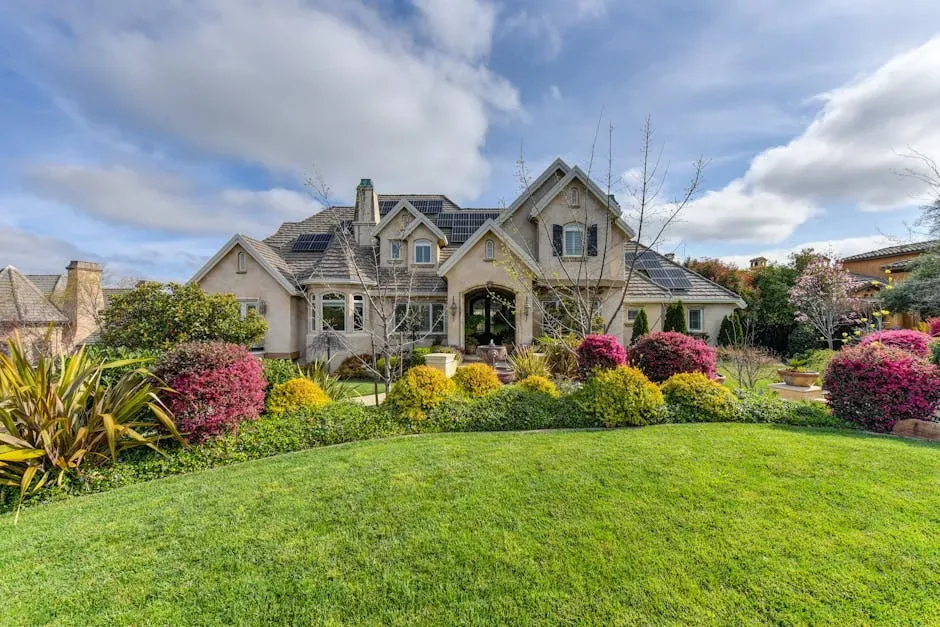
Here is the thing about first impressions – they happen fast, and they stick. Potential buyers often form their first impressions within seconds of arriving at a property. That brief moment can define everything that follows. A buyer who pulls up to a beautifully maintained front yard arrives inside already feeling good. One who encounters a neglected exterior often walks in looking for faults.
The financial reality behind this is striking. A study published in The Journal of Real Estate Finance and Economics found that curb appeal can account for up to 7 percent of a home's sale value. Think about what that means in real numbers. A study on curb appeal by the University of Texas at Arlington used more than 400 photos from Google Street View and a deep-learning classification algorithm, finding that curb appeal accounted for up to 7% of a home's value. On top of that, according to multiple studies, homes with strong curb appeal can sell for 7% to 14% more than similar properties with less appealing exteriors, with landscaping projects delivering a particularly strong return because they combine relatively moderate costs with high visual impact.
It is not just about having grass. Survey results showed that relatively large landscape expenditures significantly increase perceived home value and will result in a higher selling price than homes with a minimal landscape, with design sophistication and plant size being the landscape factors that most affected value. In other words, a thoughtfully curated garden communicates something that even the best interior renovation cannot always replicate – that the owner genuinely cares.
2. Kitchen Design and Functionality
2. Kitchen Design and Functionality (Image Credits: Unsplash)
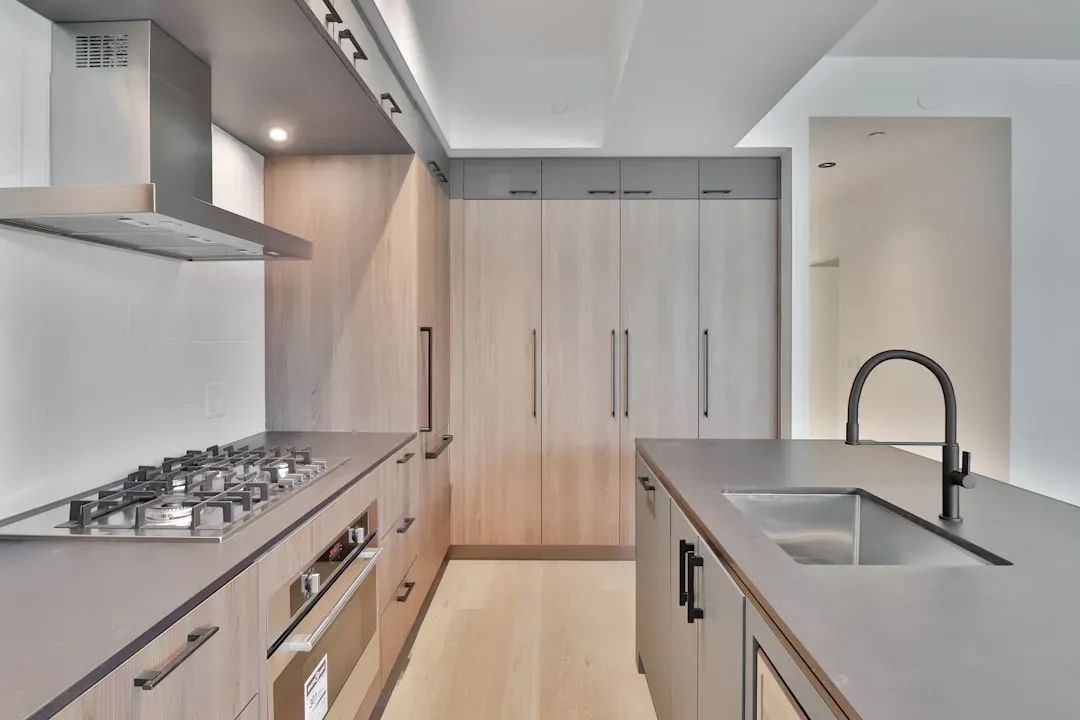
Honestly, no single interior space carries more weight in a buyer's decision than the kitchen. It is the room people mentally "move into" during a viewing. When it comes to increasing a home's value, the kitchen reigns supreme, and according to numerous real estate experts, a well-designed, modernized kitchen can significantly boost a property's market appeal because prospective buyers often consider the kitchen the heart of the home. It is where daily life happens, and buyers know it.
The return on investment data here is genuinely compelling. For minor kitchen remodels, the average ROI is 96%, while major remodels yield an ROI of about 50% on average, according to Remodeling's 2024 Cost vs. Value Report, with a kitchen remodel adding an average of $13,500 to $25,920 in value to a home depending on the extent of the project. The counterintuitive lesson? Spending more does not always mean earning more. To ensure maximum value, focus on neutral designs, functional layouts, and widely appealing features. A modest refresh with fresh countertops, updated cabinetry, and improved lighting often outperforms a full gut renovation.
Small layout changes can have a big impact on kitchen renovation ROI, as expanding counter space or creating a more open floor plan can enhance usability and overall home value, making the space more inviting and practical. Think of it like tuning an instrument rather than replacing it. Sometimes just a little adjustment creates an enormous difference in how things sound – or in this case, how they sell.
3. Bathroom Presentation and Spa-Like Features
3. Bathroom Presentation and Spa-Like Features (Image Credits: Unsplash)
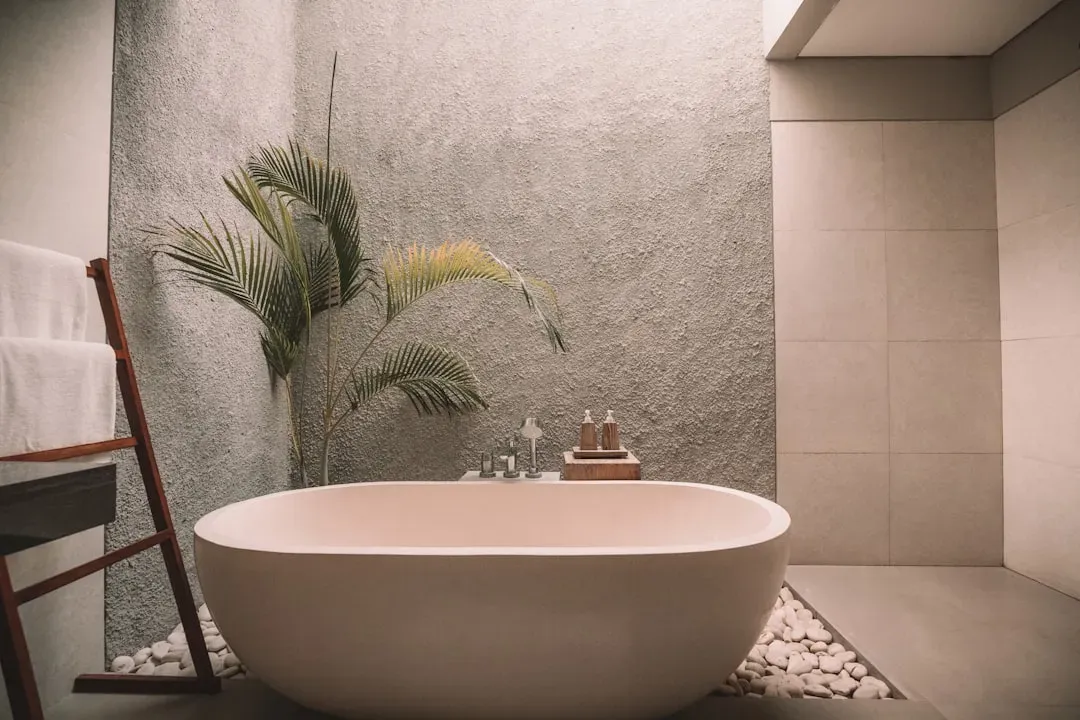
Bathrooms are no longer simply functional – they're a key area of emotional connection, and in 2025, features like rainfall showers, freestanding tubs, underfloor heating, and luxury stone finishes are influencing buyer decisions more than ever. This shift has been building for years, but it has accelerated considerably. Buyers increasingly expect bathrooms to feel like a retreat, not just a utility room.
According to HomeLight's Top Agent Insights from Q3 2025, 18% of agents identified modernized bathrooms as the second most sought-after feature for buyers, and bathroom remodeling can increase property value by as much as 74% of the renovation cost, making it one of the stronger interior investments you can make. That is a meaningful return for a relatively contained space. Bathrooms rank high on the priority list for buyers, and a renovated bathroom can dramatically increase a home's appeal.
What is especially interesting is the growing demand for accessibility. Universal design bathrooms incorporating features like walk-in showers with benches, grab bars, and wider doorways are gaining traction, and as the population ages and multigenerational living becomes more common, these features appeal to broader audiences than just seniors, representing forward-thinking design that many buyers appreciate even if they don't currently need the accessibility features. Smart design, in other words, thinks beyond the current moment.
4. Flooring Quality and Consistency
4. Flooring Quality and Consistency (Image Credits: Unsplash)
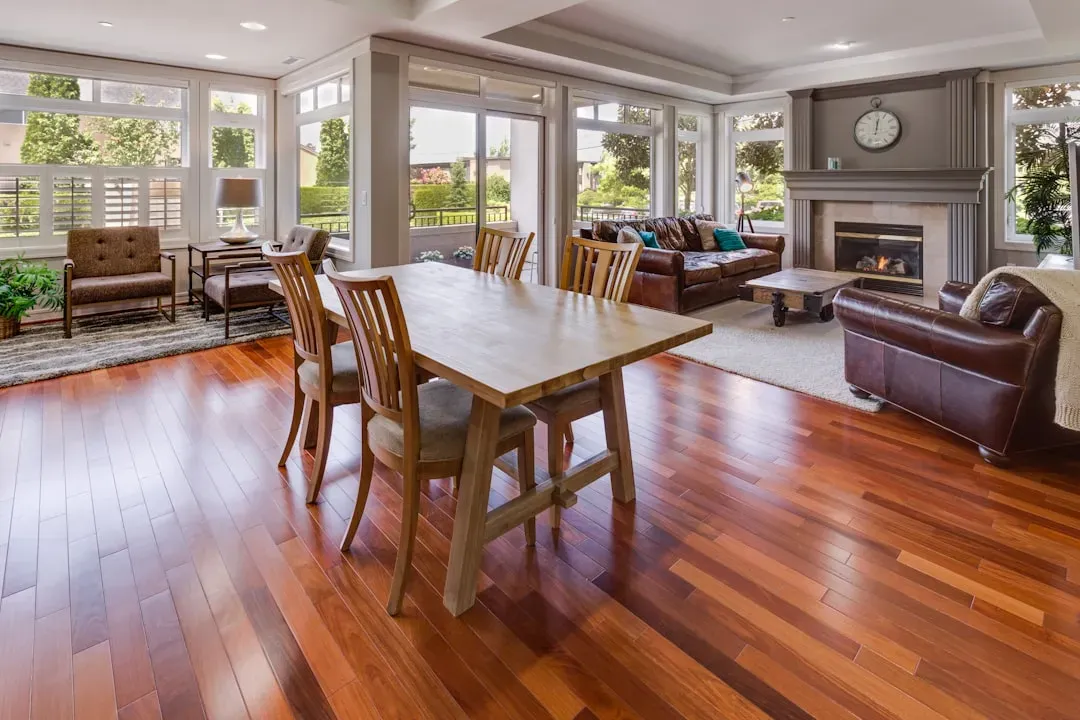
Floors set the tone for the entire home, and old, worn-out flooring can make a property feel dated, so replacing old carpeting with hardwood, engineered wood, or luxury vinyl planks is one of the most impactful upgrades a homeowner can make. It is similar to how a stain on the first page of a book affects how you read the rest of it. Tired, mismatched flooring makes buyers feel like everything needs updating, even when it does not.
Outdated flooring can instantly diminish a home's perceived value, while opting for hardwood or luxury vinyl provides a stylish, lasting impression and helps unify the interior aesthetic. Consistency is the key word there. A home where flooring flows seamlessly from one room to the next feels larger, more intentional, and considerably more desirable. Durable and neutral choices – materials that are long-lasting, low-maintenance, and in neutral tones – maximize resale value. Neutral is not boring here; it is strategic.
5. Sustainable and Energy-Efficient Design Features
5. Sustainable and Energy-Efficient Design Features (Image Credits: Unsplash)
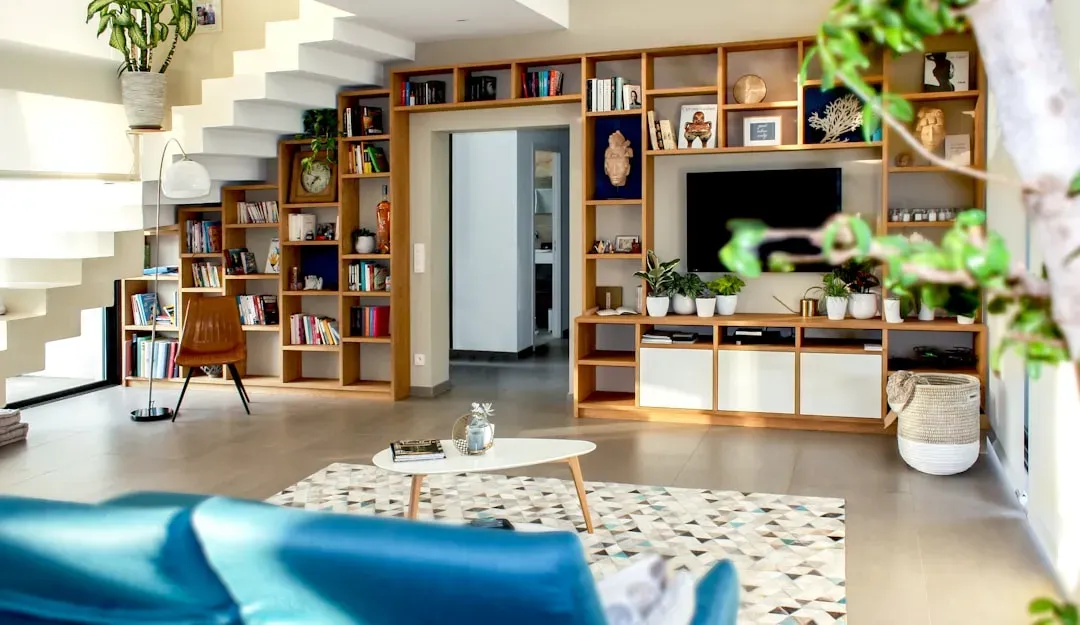
This is the area where the market has shifted most dramatically in recent years. Sustainability has moved from being a niche preference to something that directly affects how properties are priced and perceived. Realtor.com's 2025 Home Trends Report found that efficiency, sustainability, and nature-inspired design are on the rise, while more opulent or space-heavy features are losing ground, highlighting a clear shift in how Americans define comfort and value. That is a striking headline from a major industry source.
Properties with recognized green certifications such as LEED and Energy Star are witnessing a surge in desirability because these certifications signify a commitment to sustainability and superior energy efficiency leading to lower operational costs, with LEED-certified homes reported to sell at a premium compared to non-certified homes. According to Realtor.com's analysis, WaterSense Fixtures topped the list of fastest-growing trends with a nearly 290% year-over-year increase in mentions within listing descriptions, with homes featuring this certification carrying a median listing price of about $628,000.
Eco-conscious design has moved from niche to norm, and in 2025, buyers actively seek out properties with sustainable finishes such as responsibly sourced timber flooring, energy-efficient lighting, and low-VOC materials. It is hard to say for sure how much this trend will continue accelerating, but all signals currently point in one direction. Buyers want homes that cost less to run and do less environmental damage. Delivering that in the design is now a genuine competitive advantage.
6. Smart Home Technology and Lighting Design
6. Smart Home Technology and Lighting Design (Image Credits: Pixabay)
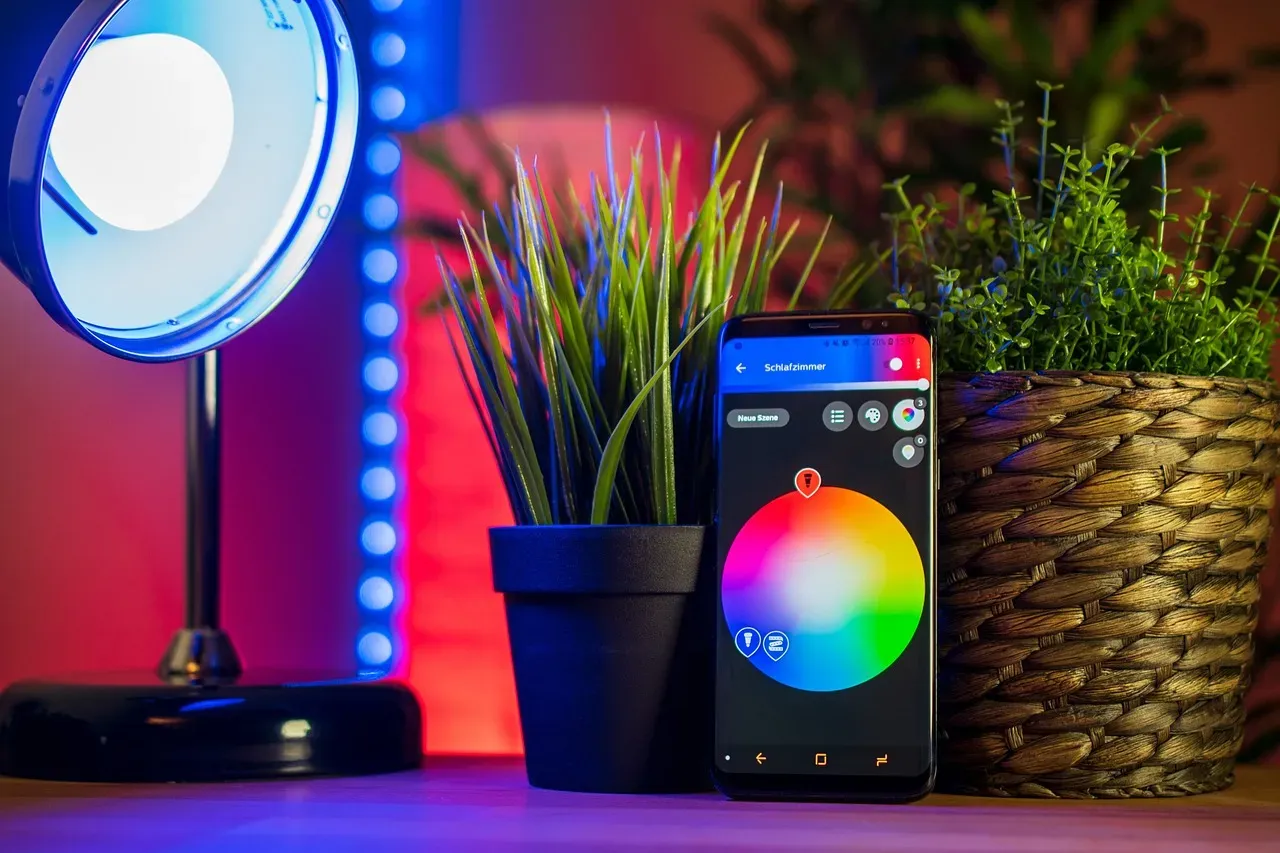
Features like built-in coffee systems, smart lighting scenes, and hardwired ethernet/cat6 ranked among the top 15 fastest-growing home trends, with reliable connectivity and automation now as much of a selling point as square footage. That last point is worth sitting with. Connectivity – the invisible infrastructure of a home – now influences appeal just as much as physical space. It is a remarkable shift in what buyers actually value.
Smart home technology is transforming the real estate market and driving higher property values, with homes that can control lighting, arm security systems, and reduce energy use commanding higher price points than others in today's housing market. Homes with Matter-compatible smart systems are more attractive to buyers because they offer flexibility and long-term viability, making them easier to sell and potentially commanding higher prices. The ecosystem compatibility question has historically slowed smart home adoption, but that friction is now being resolved.
Lighting design specifically deserves its own moment of recognition. Layered lighting systems rank among the most effective yet overlooked value boosters, with the integration of recessed ceiling fixtures, under-cabinet LED strips, and pendants elevating usability and atmosphere for a cost that can yield 80 percent or greater in added value. Good lighting does something almost magical to a space – it makes everything feel more deliberate, more polished, more alive. No other design decision delivers that kind of emotional punch for the investment involved.
When you step back and look at all six of these features together, a clear pattern emerges. The properties that command the most attention – and the highest prices – are those where design decisions feel intentional at every level. From the first glance at the front yard to the glow of a well-lit kitchen, buyers are responding to signals that tell them this home has been cared for and considered. That feeling, more than any single feature, is what truly drives property appeal.
What design feature do you think has the biggest impact on a property's appeal? The answer might surprise you more than you expect.