
The United States has long been considered one of the world’s most exciting and diverse travel destinations. From glittering city skylines to jaw-dropping national parks, it genuinely has something for everyone. So what’s changing? Why are more and more travelers – both from abroad and right here at home – quietly reconsidering their plans before ever booking a flight?
Honestly, the reasons are layered. Some destinations are bursting at the seams with visitors and simply can’t keep up. Others are grappling with rising costs, shifting politics, or environmental strain that makes the experience feel less rewarding than advertised. This gallery takes an honest look at 11 American destinations that travelers are increasingly thinking twice about, and why. Let’s dive in.
1. New York City, New York
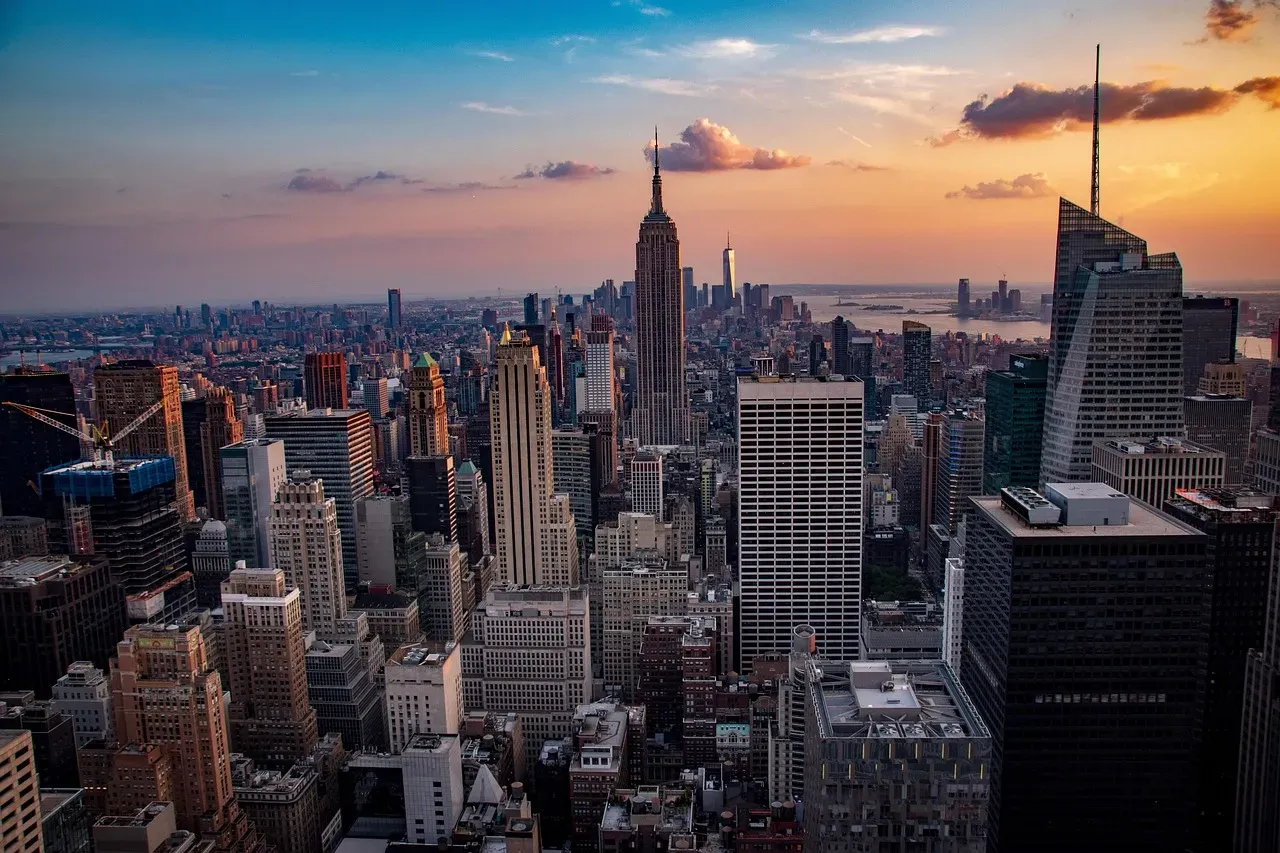
1. New York City, New York (Image Credits: Pixabay)
In 2025, New York experienced the sharpest tourism decline in the United States, surpassing states like Nevada, California, and Florida, with a staggering drop in international visitors. This decline is largely attributed to growing concerns over U.S. immigration policies, political rhetoric, and rising travel costs, which have deterred foreign tourists. Think of it this way: when the world's most iconic city starts losing its crowd, something significant is happening.
Political tensions, post-pandemic travel hesitation, and soaring accommodation prices are key factors in this unsettling trend. Higher costs of living, unreasonably high hotel fees, and the city's ongoing struggles with crime rates have become deterrents. The surge in visitors that does come has led to unprecedented congestion in popular tourist areas, particularly Midtown Manhattan. Areas like Times Square and Broadway are overwhelming public transportation systems, pedestrian walkways, and local businesses, creating real tension between local New Yorkers and tourists.
2. Las Vegas, Nevada
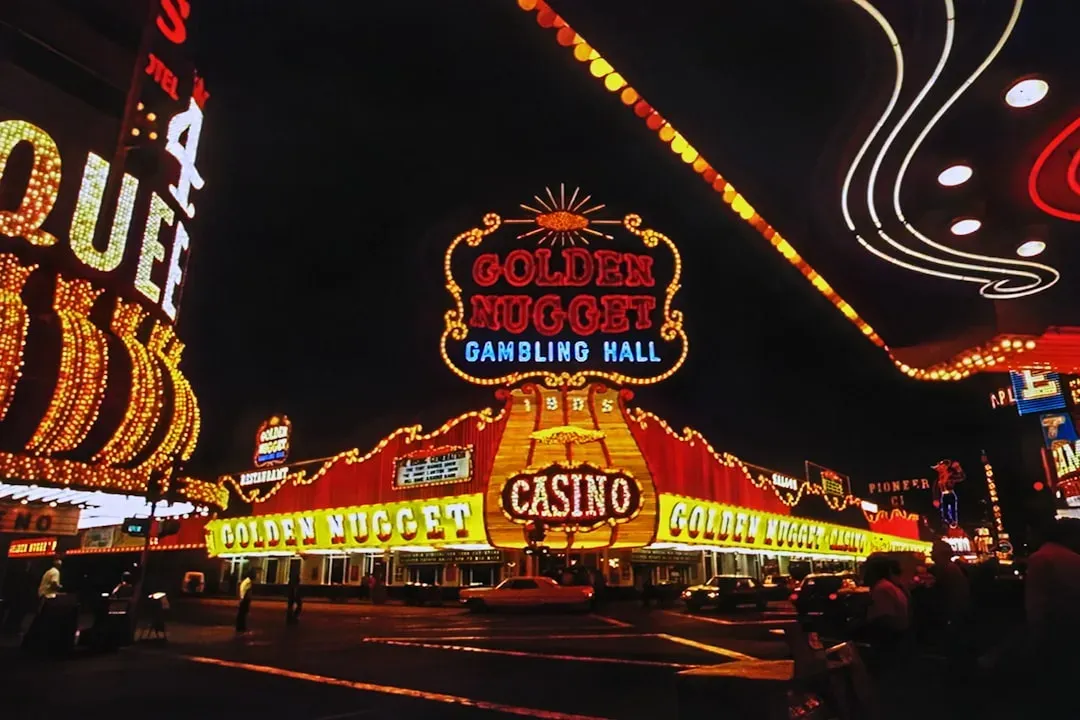
2. Las Vegas, Nevada (Image Credits: Unsplash)
Las Vegas, once known for its bustling tourism and endless entertainment, is facing a serious crisis. With a nearly ten percent decline in air traffic at Harry Reid International Airport in November 2025, the city's tourism continues to struggle. This marked the tenth consecutive month of declines in air traffic, with no signs of recovery in sight. For a city literally built on visitors, that is a sobering reality.
High costs, like pricey cocktails and ATM fees, are pushing tourists away, and stricter immigration policies are making it harder for international visitors to get into the U.S., with conventions down by over ten percent, leaving the city's economy feeling the strain. High resort fees, increasing travel costs, and a lack of new, game-changing attractions are keeping potential tourists at bay. The glamour is still there – but for many, the value calculation just doesn't add up anymore.
3. San Francisco, California
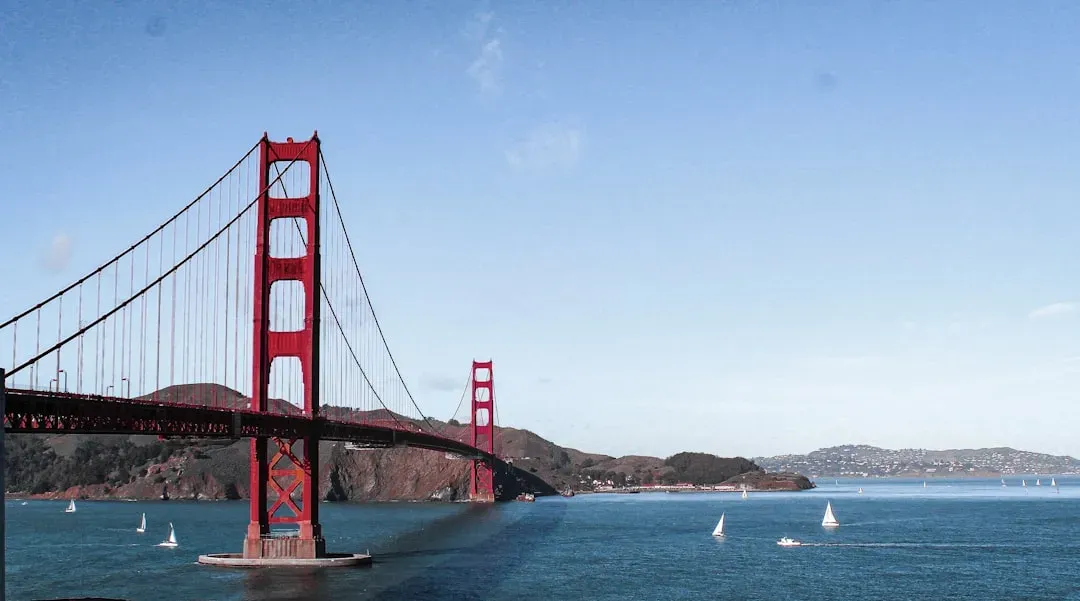
3. San Francisco, California (Image Credits: Unsplash)
San Francisco, a city renowned for its stunning landmarks, diverse culture, and history, is facing a significant decline in tourism. The city has seen a sharp reduction in international visitors, with a projected drop in 2025. While the drop may seem small in isolation, it reflects a broader trend of declining tourism in the U.S. and raises concerns about how this will impact the city's economy.
International leisure travel – the kind that brings people to stroll Fisherman's Wharf, photograph the Painted Ladies, or cruise out to Alcatraz – is still below pre-pandemic levels. Industry experts predict it could take until at least 2028 or 2029 before San Francisco fully restores its international tourism volume to where it stood in 2019. Residents have also voiced frustration over the overuse of public spaces, inflated housing costs, and the influx of short-term rentals that displace long-term residents.
4. Honolulu, Hawaii
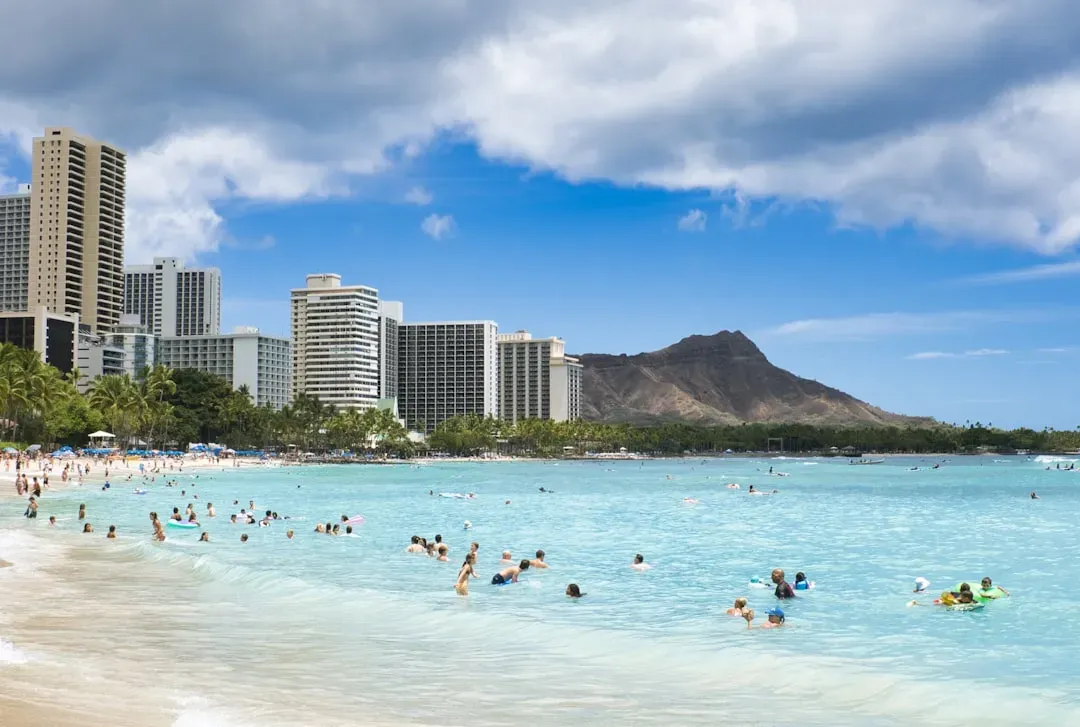
4. Honolulu, Hawaii (Image Credits: Unsplash)
Honolulu has now surpassed Orlando, Vancouver, Montreal, Cancún, and Miami as among the worst cities for quietcationing – that modern concept of escaping the noise only to find more of it. The Hawaiian tourism industry is facing its own set of challenges due to overtourism. Waikiki Beach has long been a top destination for international and domestic travelers alike, but crowding has become a serious concern in recent years, putting a real strain on natural resources and local communities.
An estimated ten million visitors come to Maui every year, putting pressure on its fragile ecosystems, including coral reefs, beaches, and the local water supply. Local authorities are addressing overcrowding by instituting reservation systems for popular parks, beaches, and hiking trails, but the infrastructure is still playing catch-up. I think most people dream of Hawaii as a peaceful paradise, and what they often find – especially in peak season – is something closer to a crowded resort mall.
5. Orlando, Florida
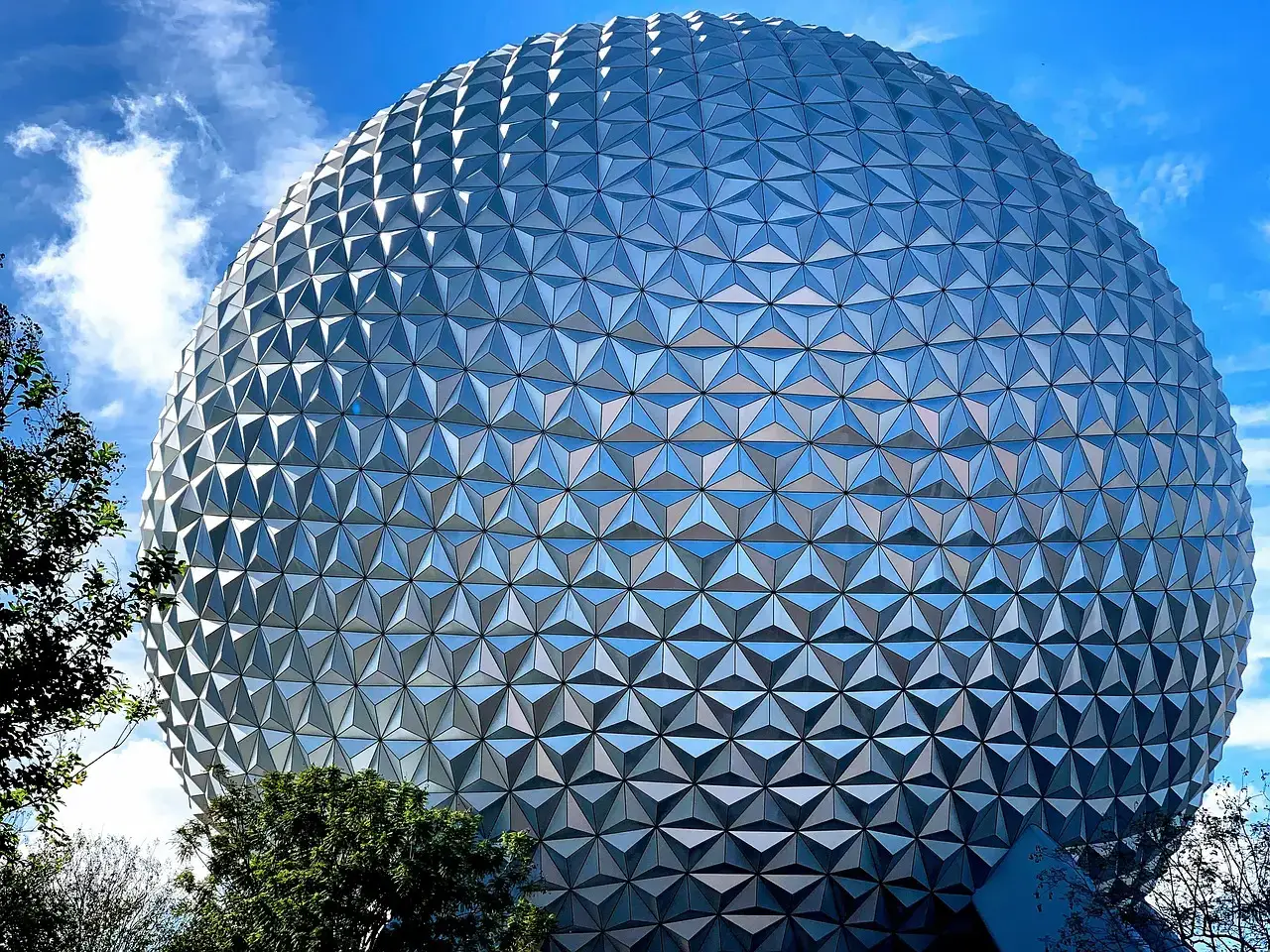
5. Orlando, Florida (Image Credits: Pixabay)
Florida, the land of theme parks, sandy beaches, and vibrant cities like Miami and Orlando, has historically attracted millions of international visitors. However, like many other states, it's facing a sharp decline in foreign arrivals. Florida saw a notable drop in international tourism in 2025, particularly from Canada, Europe, and Latin America. Canadian visitors, who have traditionally made up a large portion of Florida's international tourist base, are now opting to stay home, likely due to political tensions and changing travel regulations.
This decline in international tourism has led to financial strain on Florida's tourism-dependent economy, especially in major tourism hubs like Orlando, where the theme parks and resorts are heavily reliant on foreign guests. Add to that the exhausting crowds, scorching summer heat, and premium park ticket prices that now routinely exceed what many families can comfortably spend, and it's easy to see why some travelers are taking Orlando off their shortlist.
6. Miami, Florida
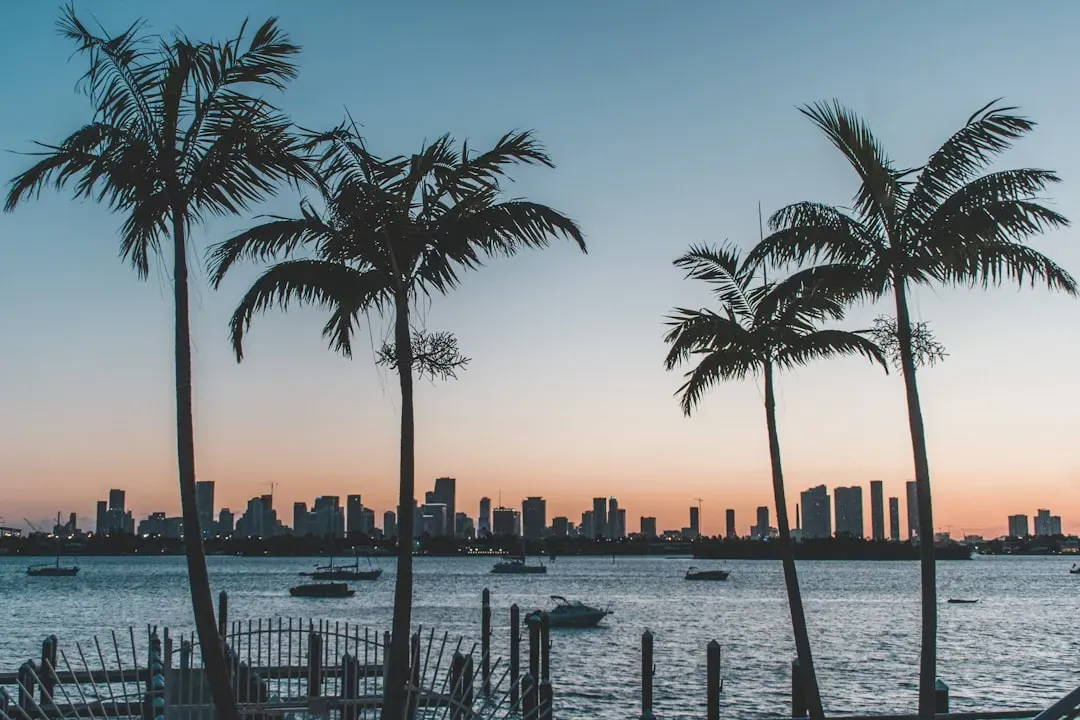
6. Miami, Florida (Image Credits: Unsplash)
Miami, a city known for its beautiful beaches, vibrant culture, and international appeal, is facing a notable decline in tourism. While the city is still drawing a decent number of domestic visitors, the international crowd is shrinking, and the outlook is concerning. Miami International Airport reported a drop in international passengers, signaling a wider trend of declining tourism affecting many U.S. cities.
Miami Beach, with its famous beaches, nightlife, and cultural attractions, is also a hotspot for overtourism. High volumes of visitors, especially during spring break and the winter holiday season, contribute to pollution, traffic congestion, and a decline in environmental quality. The strength of the U.S. dollar has made it more expensive for international visitors, particularly from Latin America and Europe, to travel to Miami. With the dollar strong, tourists are finding it more affordable to visit other destinations where their money goes further.
7. Los Angeles, California
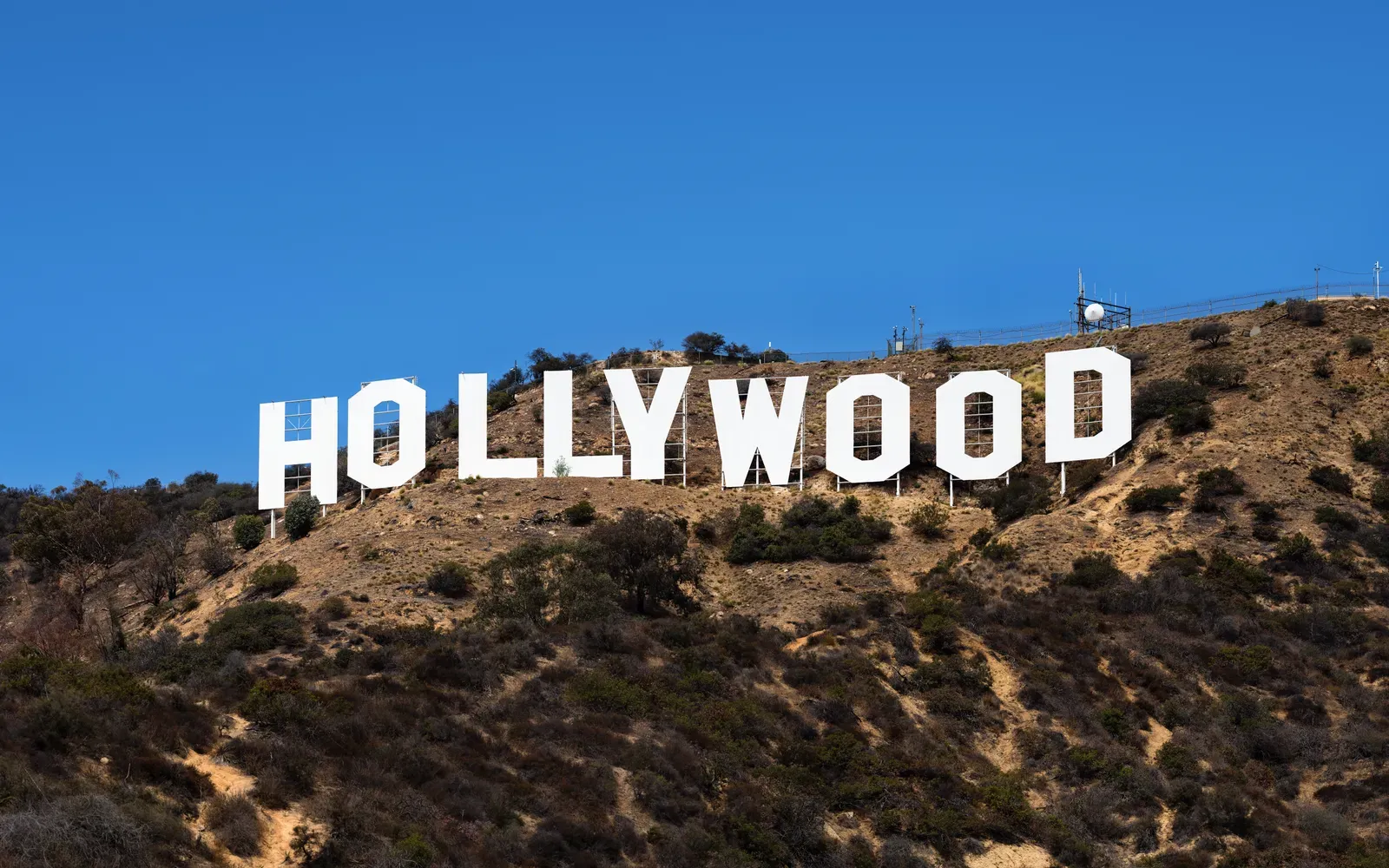
7. Los Angeles, California (By Thomas Wolf, www.foto-tw.de, <a href="https://commons.wikimedia.org/w/index.php?curid=43944546" target="_blank" rel="noopener">CC BY-SA 3.0</a>)
California, with its rich diversity and array of attractions, is experiencing a significant downturn in international tourism, with cities like Los Angeles and San Francisco bearing the brunt of this decline. California's tourism industry has been rocked by a notable decrease in international visitors forecasted for 2025, largely due to federal policies related to travel bans, visa delays, and tightening entry requirements.
Los Angeles has suffered a one-two punch: foreign visitors remain cautious amid reports of wildfires, and visa backlogs continue to impede travel plans. For cities that thrive on overseas travelers coming for Hollywood, beaches, and cultural events, the combination of natural disasters and policy roadblocks has proven costly. While the city is large, the concentration of tourist activity in certain neighborhoods creates daily bottlenecks. Residents near popular spots deal with traffic, parking shortages, and rising rents driven partly by short-term rentals. Public transportation, already limited, struggles to absorb the dual load of commuters and visitors.
8. Sedona, Arizona
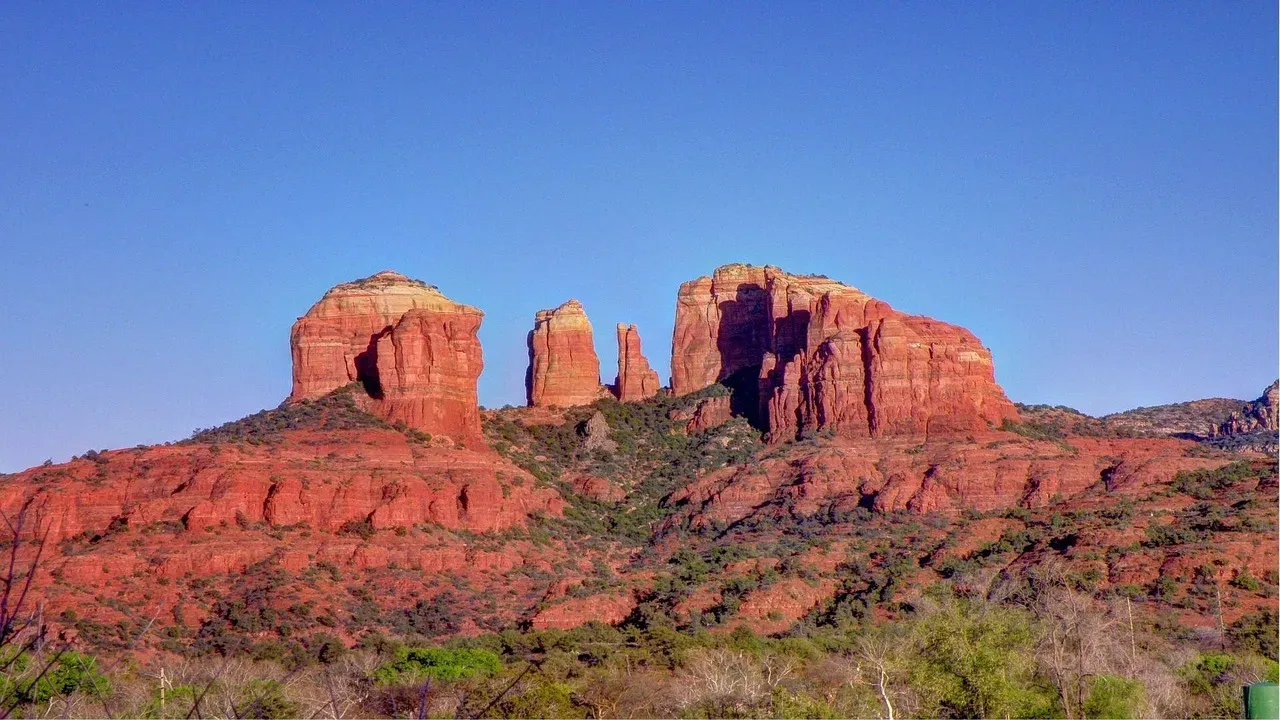
8. Sedona, Arizona (Image Credits: Pixabay)
Renowned for its red rock formations, flourishing arts scene and spiritual vibes, Sedona hosts over three million visitors per year against a population of just under ten thousand residents. Though tourism is the backbone of the city's economy, the inundation of visitors has resulted in overcrowding, gridlocked roads and garbage issues, while short-term vacation rentals have gobbled up a substantial share of Sedona's housing stock.
Parking lots fill before sunrise, and the once-quiet town center is now congested most weekends. Residents face a shrinking supply of long-term housing as more properties convert into short-term vacation rentals. The community, built on wellness and reflection, struggles to maintain that rhythm amid noise, traffic, and real estate pressure. Conservation groups are pushing for restrictions, but growth continues to outpace protective measures. It's a cruel irony – people travel to Sedona to find stillness, and they often find gridlock instead.