
Markets go up. Markets go down. Most investors know this intellectually, yet when a real drop arrives, it rarely feels routine. The gap between knowing something in theory and actually living through it, watching your portfolio shrink week after week, is enormous. And that gap has consequences, sometimes very costly ones.
From the Great Depression to the 2008 financial crisis to the volatility of 2025 and early 2026, market drops have shaped how ordinary people save, plan for retirement, and think about risk. The stories behind these drops are surprisingly consistent, and the lessons they offer are more relevant than ever. Let’s dive in.
The Anatomy of a Market Drop: Crashes vs. Corrections
The Anatomy of a Market Drop: Crashes vs. Corrections (Image Credits: Unsplash)
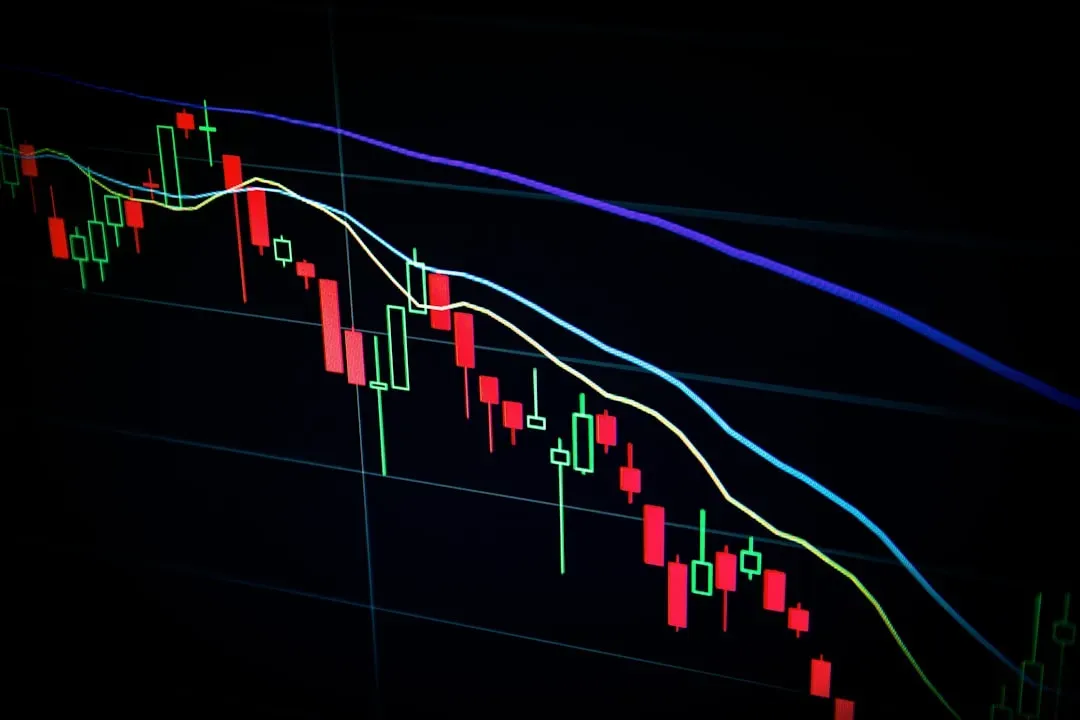
Not every scary headline means the same thing. In general, a stock market crash is a decline of roughly 20 percent or more in a few days across a broad section of markets, while a correction is a decline of more than 10 percent but less than 20 percent, typically occurring at a slower pace, often over a few months. That distinction matters a lot to your portfolio, though in the middle of one, the difference can feel invisible.
Stock market pullbacks are far more common than most investors realize. Since 1980, declines of 5 percent or more have occurred an average of about 4.6 times per year, meaning investors should expect several meaningful dips annually. Corrections of 10 percent or more have occurred approximately every 1.2 years over the same period. Honestly, when you see it spelled out like that, volatility stops looking like an emergency and starts looking like the normal operating conditions of investing.
The Worst Drops in History and What They Did to Portfolios

The Worst Drops in History and What They Did to Portfolios (Image Credits: Pexels)
Nothing puts modern turbulence in perspective quite like looking back. On Black Monday in October 1929, the Dow declined nearly 13 percent, followed by nearly 12 percent the following day. By mid-November, the Dow had lost almost half of its value, and the slide continued through the summer of 1932, when the Dow closed at 41.22, a staggering 89 percent below its peak. That is not a typo. Nearly nine out of every ten dollars simply vanished for those holding stocks.
The first contemporary global financial crisis unfolded on October 19, 1987, a day known as "Black Monday," when the Dow Jones Industrial Average dropped 22.6 percent. Yet, remarkably, stock markets quickly recovered a majority of their Black Monday losses. In just two trading sessions, the DJIA gained back 288 points, or roughly 57 percent, of the total Black Monday downturn, and less than two years later, U.S. stock markets surpassed their pre-crash highs. Speed of recovery, it turns out, is just as important as the depth of the drop.
The 2008 Financial Crisis: A Portfolio Generation-Defining Moment

The 2008 Financial Crisis: A Portfolio Generation-Defining Moment (Image Credits: Unsplash)
The 2007 and 2008 stock market crash was triggered by the collapse of mortgage-backed securities in the housing sector. High frequency of speculative trading caused the securities to rise and decline in value as housing prices receded, and with most homeowners unable to meet their debt obligations, financial institutions slid into bankruptcy, causing the Great Recession. For everyday investors, this wasn't just a number on a screen. It was retirement accounts, college funds, and lifetimes of savings cut roughly in half.
By March 6, 2009, the DJIA had dropped 54 percent to 6,469 from its peak of 14,164 on October 9, 2007, over a span of 17 months, before beginning to recover. Anyone who panicked and sold near the bottom locked in those losses permanently. Those who stayed invested eventually saw remarkable recoveries, but the psychological cost of those 17 months is hard to overstate.
The 60/40 Portfolio: Does It Still Protect You When Markets Fall?

The 60/40 Portfolio: Does It Still Protect You When Markets Fall? (Image Credits: Pexels)
The classic 60/40 portfolio, 60 percent stocks and 40 percent bonds, has long been the go-to defense strategy. And historically, the numbers are compelling. The dot-com market crash began in August 2000, and the stock market never fully recovered until May 2013. When the stock market was at its September 2002 trough, having lost nearly half of its previous value, the 60/40 portfolio had only lost about 24.7 percent. That is a significant cushion in a brutal environment.
Here is the thing, though. The stock-bond relationship has fundamentally shifted, with less reliable correlations undermining the diversification benefits the two core asset classes once provided each other. Unlike previous episodes of temporary correlation spikes, today's alignment between stocks and bonds reflects deeper structural forces including persistent inflation dynamics, policy action and fiscal imbalances, suggesting this regime may endure and fundamentally alter portfolio risk profiles. That is a serious challenge for a strategy millions of people rely on.
How 2024 and 2025 Market Drops Rattled Portfolios

How 2024 and 2025 Market Drops Rattled Portfolios (Image Credits: Unsplash)
The recent past has not been quiet. In 2025, the market finished up 16 percent, but at one point during the year it dropped by 19 percent. In 2024, the market finished up 23 percent, but had an 8 percent correction during the year. Those mid-year drops are easy to forget once the calendar year ends with a gain, but for investors who reacted emotionally during the dip, the damage could be permanent.
The CBOE Volatility Index soared in April 2025, momentarily jumping above 60 and drawing unwanted comparisons to 2020 and 2008. Also known as the "Fear Gauge," it is feared by no one more than retirees who may see their life savings fall in value just as they need to rely upon their portfolio assets for income. That context makes the emotional stakes of portfolio drops very clear, very fast.
The 2026 Market Environment: Geopolitics and New Pressures
The 2026 Market Environment: Geopolitics and New Pressures (Image Credits: Unsplash)
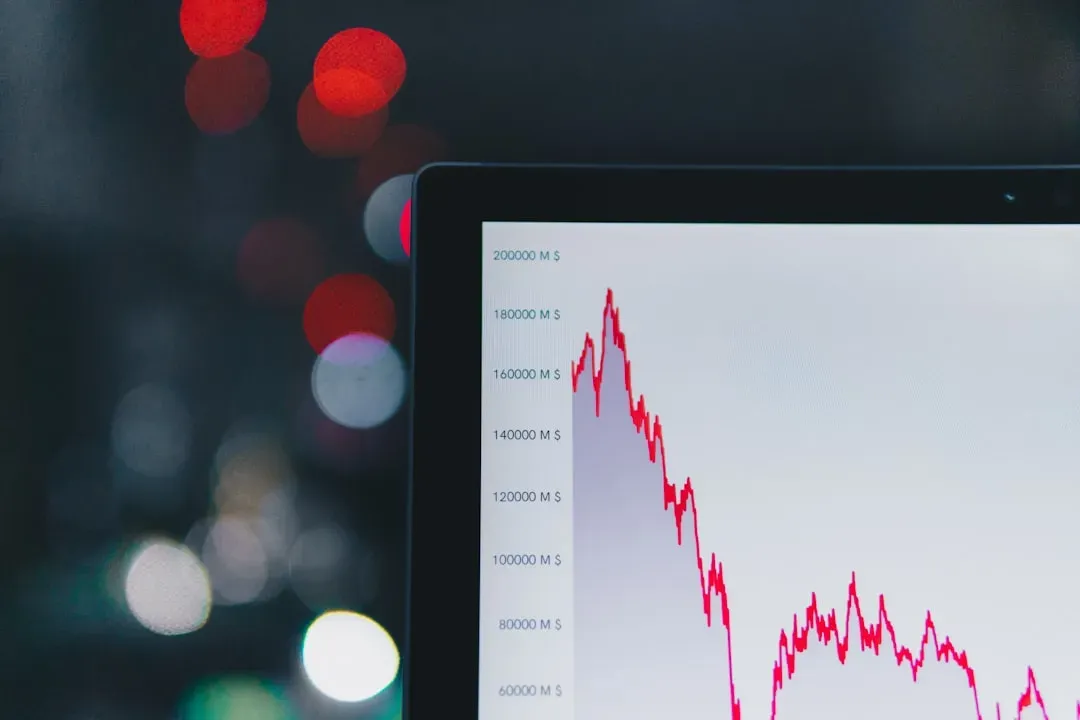
U.S. stock markets entered 2026 at record highs, but recent volatility has raised common concerns. The pullback reflects rising geopolitical risk tied to conflict in the region, which has pushed energy prices higher and disrupted global trade routes, though those pressures have increased short-term uncertainty without yet undermining economic growth, consumer spending, or corporate earnings. It is an uncomfortable balance, and markets are feeling it.
At the start of the year, oil was around $57 per barrel, and as of late March 2026, oil had risen to roughly $90 per barrel. That kind of move sends shockwaves through everything from inflation expectations to central bank policy. The S&P 500 Index was down about 7 percent from its all-time high as of March 31, 2026, as investors reassessed risk while continuing to track the broader growth outlook. Not yet a crash, but a serious reminder that record highs don't last forever.
The Retirement Portfolio Danger Zone

The Retirement Portfolio Danger Zone (Image Credits: Unsplash)
Of all the ways market drops affect portfolios, the impact on retirees is probably the most underappreciated and most painful. Market declines within the first five years of drawing down retirement assets can significantly impact the chance of the portfolio lasting, especially when planning for a retirement horizon that could span decades. The term for this is "sequence of returns risk," and it is one of the sneakiest threats in personal finance.
Selling investments at depressed prices during a market downturn creates a double-edged problem for retirees. When prices are low, you may have to sell more shares to raise the same amount of cash as you would have before the downturn, and tapping your portfolio during a market dip or selling out of the market without a plan could permanently undermine your ability to participate in any future recoveries. Think of it like spending from your savings during a flood. You can survive it, but rebuilding takes far longer.
Gold and Alternative Assets as Portfolio Shock Absorbers

Gold and Alternative Assets as Portfolio Shock Absorbers (Image Credits: Unsplash)
With bonds becoming less reliable during downturns, investors have turned increasingly to gold. After setting more than 50 all-time highs and gaining over 60 percent by the end of November 2025, gold emerged as one of the strongest performing assets in the year. This historic rally, gearing up to be gold's fourth strongest annual return since 1971, was driven by a combination of factors. For many portfolio managers, it stopped looking like a niche hedge and started looking like a core holding.
The uptick in volatility across equities coupled with a positive correlation between stocks and bonds has led to higher portfolio risk, acting as a wake-up call for investors to find alternative ways to manage portfolio volatility. This has become especially important in a world of diminishing diversification benefits. Gold, however, has been an efficient source of portfolio diversification due to its low correlation to equities and fixed income assets. Diversification is getting harder to achieve. Gold is one of the tools helping investors adapt.
Behavioral Finance: The Hidden Cost of Panic
Behavioral Finance: The Hidden Cost of Panic (Image Credits: Pexels)
Here is what the data does not always show clearly. It is not just the market drop itself that hurts portfolios. It is what investors do in response to it. The difference between investor returns and investment returns, known as the "behavior gap," widens significantly during periods of market volatility, representing tens or even hundreds of thousands of dollars in lost retirement wealth for the average retiree. Without objective guidance, even the most carefully constructed portfolio can be undermined by panic-driven decisions during market downturns. That gap is real money, and it compounds over time.
Panic-driven decisions are often the biggest mistake investors make. No one can consistently predict the exact bottom of a market correction. However, market declines driven by geopolitical events and oil shocks have historically recovered relatively quickly once the situation stabilizes. I think this is the single most important piece of investment wisdom that most people forget precisely when it matters most, which is in the middle of a drop.
Long-Term Resilience: What History Actually Tells Us

Long-Term Resilience: What History Actually Tells Us (Image Credits: Pexels)
Step back far enough and the picture changes completely. In spite of all of the stock market crashes and corrections, one dollar invested in the Standard and Poor's Composite index at the beginning of 1926 would have grown to approximately $20,000 by early March 2026, assuming dividends were reinvested. That is a remarkable testimony to the long-term resilience of staying invested, even through wars, recessions, pandemics, and political upheaval.
Though they had varying lengths and levels of severity, the market always recovered and went on to new highs. That pattern is not guaranteed to repeat forever, and it would be naive to treat it as a certainty. Still, diversification, phased investing, and disciplined rebalancing can help investors stay aligned with long-term goals during market pullbacks. The investors who came out ahead over decades were almost always the ones who resisted the urge to flee.
Strategies That Have Proven Effective During Downturns

Strategies That Have Proven Effective During Downturns (Image Credits: Pixabay)
Practically speaking, how do you protect a portfolio without simply avoiding the market altogether? Holding enough cash to fund at least two to three years of living expenses allows retirees to avoid selling assets at a loss during market downturns, preserving portfolio value and enabling investments to recover as market conditions improve. It sounds simple, but it works. Cash is not just for spending. It is a buffer that keeps you from selling stocks when they are cheap.
Stock market dips can be most harmful to portfolios during the first five years of retirement. If you withdraw money when asset values have fallen, there are fewer funds available to capture growth when the market rebounds. The phenomenon of poorly timed withdrawals paired with stock market losses is known as "sequence of returns risk," and it could increase the chances of outliving retirement savings. The bucketing strategy, spreading money across short, medium, and long-term allocations, is one of the most practical defenses against exactly this risk. What strategy do you think would suit your own portfolio best?