
Mold is one of those houseguests nobody invites, yet it keeps showing up anyway. It hides behind walls, creeps along window frames, and silently spreads across bathroom grout before you even notice a problem. What makes it so persistent? Honestly, it doesn’t need much to thrive.
The truth is, most homes already provide almost everything mold needs to survive. The missing piece, more often than not, comes down to specific indoor conditions that tip the balance in mold’s favor. Some of these conditions are obvious. Others are surprisingly easy to overlook. Let’s dive in.
1. High Indoor Humidity
1. High Indoor Humidity (Image Credits: Pexels)
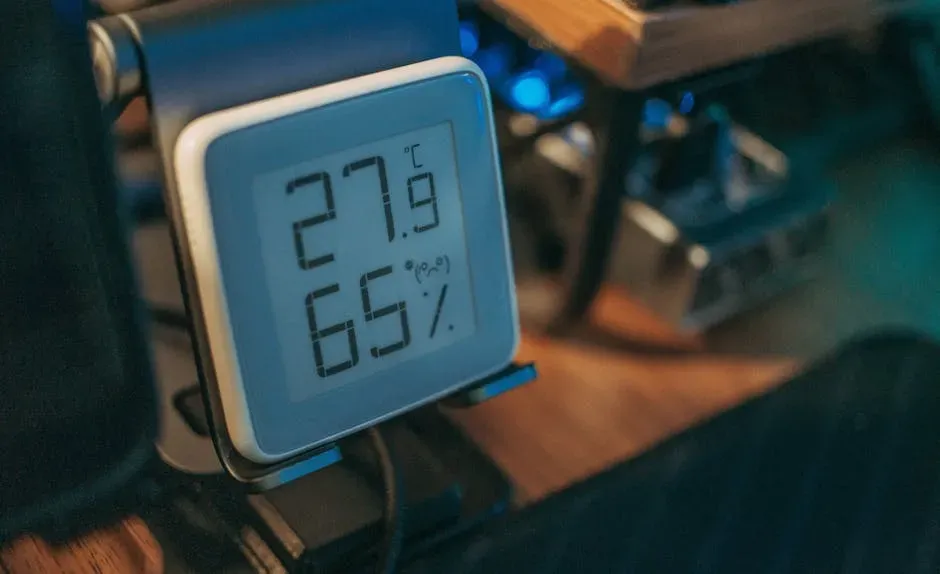
Between roughly one third and one half of all structures have damp conditions that may encourage the development of pollutants such as mold and bacteria. That's a staggering number when you stop to think about it. Humidity is, without question, mold's single biggest ally indoors.
If there are no cold-condensing surfaces and the relative humidity is maintained below 60 percent indoors, there will not be enough water in building materials for mold to grow. However, if the relative humidity stays above 70 percent indoors for extended periods of time, mold will almost certainly grow. The CDC recommends keeping humidity no higher than 50 percent all day long, and using a dehumidifier or air conditioner to maintain that level.
2. Warm Indoor Temperatures
2. Warm Indoor Temperatures (By Shixart1985, <a href="https://commons.wikimedia.org/w/index.php?curid=186686727" target="_blank" rel="noopener">CC BY 2.0</a>)
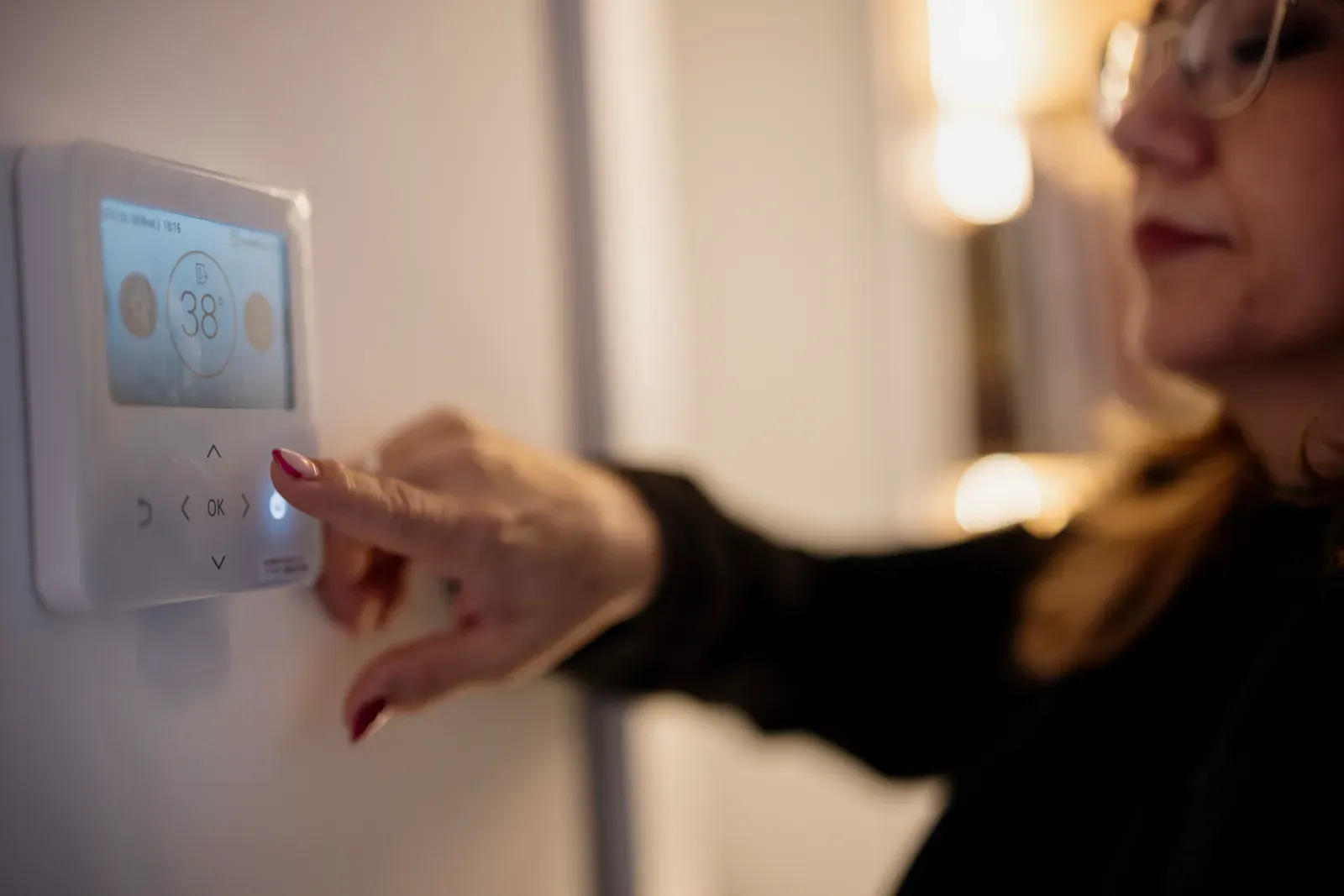
Think of your home's thermostat as a dial that can work either for you or against you. Most molds, including black mold, thrive within a specific temperature range. The ideal temperature for mold growth is between 60 to 80 degrees Fahrenheit, and warmer conditions usually promote mold growth. That's essentially the same temperature range most of us find perfectly comfortable. Inconvenient, right?
Mold thrives in warmth, especially between 77 and 86 degrees Fahrenheit, but it can grow in cooler settings with enough moisture. Temperature is known as one of the abiotic factors that can affect mold growth, and many mold growth prediction models consider temperature as one of the parameters that can significantly impact mold growth indoors. Turning the thermostat down too sharply isn't the answer either, since turning your thermostat down too quickly may increase the relative humidity within your indoor space.
3. Poor Ventilation and Stagnant Air
3. Poor Ventilation and Stagnant Air (Image Credits: Pexels)
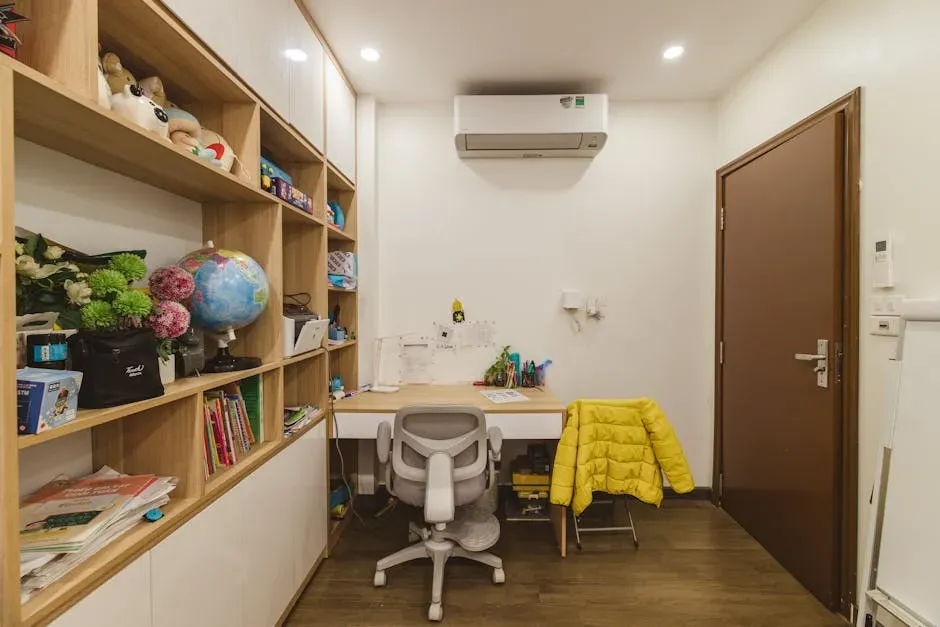
Here's the thing about stagnant air: it traps moisture with nowhere to go. Rooms and buildings that are airtight or have poor ventilation often experience high rates of mold growth because moisture is trapped within them. This is especially common in modern, energy-efficient homes that are sealed tightly for insulation purposes. Think of it like wrapping your house in plastic wrap. Nothing gets out, including the moisture your daily routines constantly generate.
Building energy-efficient designs, such as increased insulation and airtightness, improve the thermal environment but possibly accumulate indoor moisture and increase mold growth risks due to lack of sufficient ventilation. Always running the bathroom exhaust fan when showering or bathing and ensuring the vent is exhausted to outdoors helps, as does a properly vented kitchen exhaust fan to remove steam created during cooking. These small habits make a surprisingly large difference over time.
4. Water Leaks and Moisture Intrusion
4. Water Leaks and Moisture Intrusion (Image Credits: Unsplash)
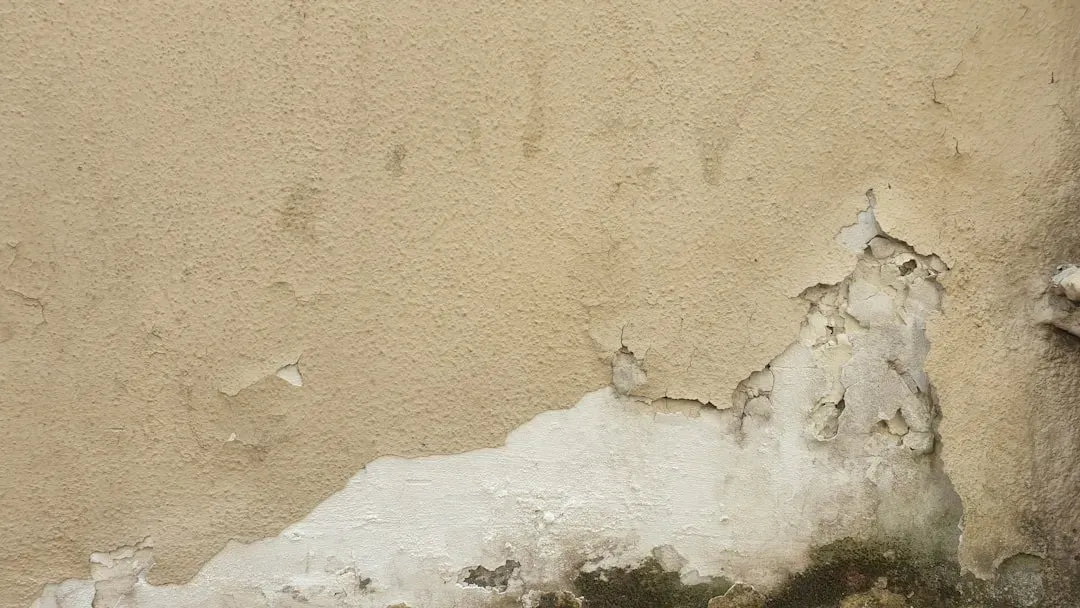
Water leaks are basically a welcome mat for mold. Mold will grow where there is moisture, such as around leaks in roofs, windows, or pipes, or where there has been a flood. What's particularly insidious about leaks is that they often go undetected for weeks or even months, quietly soaking into building materials behind walls and under floors while mold spreads out of sight.
For indoor mold to thrive, three essential factors are required: nutrients, moisture, and time. Mold growth typically begins anywhere from 24 hours to 10 days after growing conditions are provided. Common cellulose-based building materials such as plywood, drywall, furring strips, carpets, and carpet padding provide food for mold. So when a slow drip saturates drywall, it's not just water damage you're dealing with. It's a feeding frenzy waiting to happen. If not promptly fixed, water intrusion can lead to higher relative humidity and create an ideal environment for mold growth.
5. Cold Surfaces and Condensation

5. Cold Surfaces and Condensation (Image Credits: Pexels)
Condensation is one of the sneakiest contributors to indoor mold, and it's often completely misunderstood. Condensation can be a sign of high humidity. When warm, humid air contacts a cold surface, condensation may form. You've seen this exact effect every time a cold glass of water sweats on a warm summer day. Now imagine that same process happening on your window frames, behind furniture, or on basement walls, day after day.
Condensation accelerates the mold problem. When moist air brushes against a cooler surface, water vapor transforms into liquid droplets. These micro-puddles become tiny reservoirs where mold can anchor and expand. Mold thrives on poorly insulated walls, especially where condensation occurs, such as on walls and windows. Temperature differences causing condensation significantly contribute to mold growth, and insulating cold surfaces can reduce condensation and decrease the likelihood of mold growth. It's a relatively straightforward fix that far too many homeowners put off for far too long.
Mold rarely announces itself with a dramatic entrance. It creeps in slowly, taking advantage of conditions that most of us don't even think twice about. High humidity, warm temperatures, stagnant air, hidden water intrusion, and persistent condensation – each of these on its own can create a foothold. Together, they practically roll out the red carpet. The good news is that each of these conditions is manageable with the right awareness and a few proactive habits. What do you think – could any of these be lurking in your home right now? Tell us in the comments.