
Most of us have been there. You buy a beautiful bunch of spinach on Monday, and by Thursday it’s a soggy, dark mess at the back of the fridge. Or that block of cheese you swore you’d use up goes fuzzy before you even get close to it. Honestly, it’s not bad luck. It’s storage science, and most people never learned the rules.
The way you store food has a staggering impact on how long it stays fresh, how nutritious it remains, and whether it’s even safe to eat. A product’s longevity is influenced by several factors, including temperature, packaging, and storage conditions. Get those right, and your food lasts significantly longer. Get them wrong, and you’re throwing money in the bin. Let’s dive in.
1. Controlling Storage Temperature With Precision
1. Controlling Storage Temperature With Precision (Image Credits: Flickr)
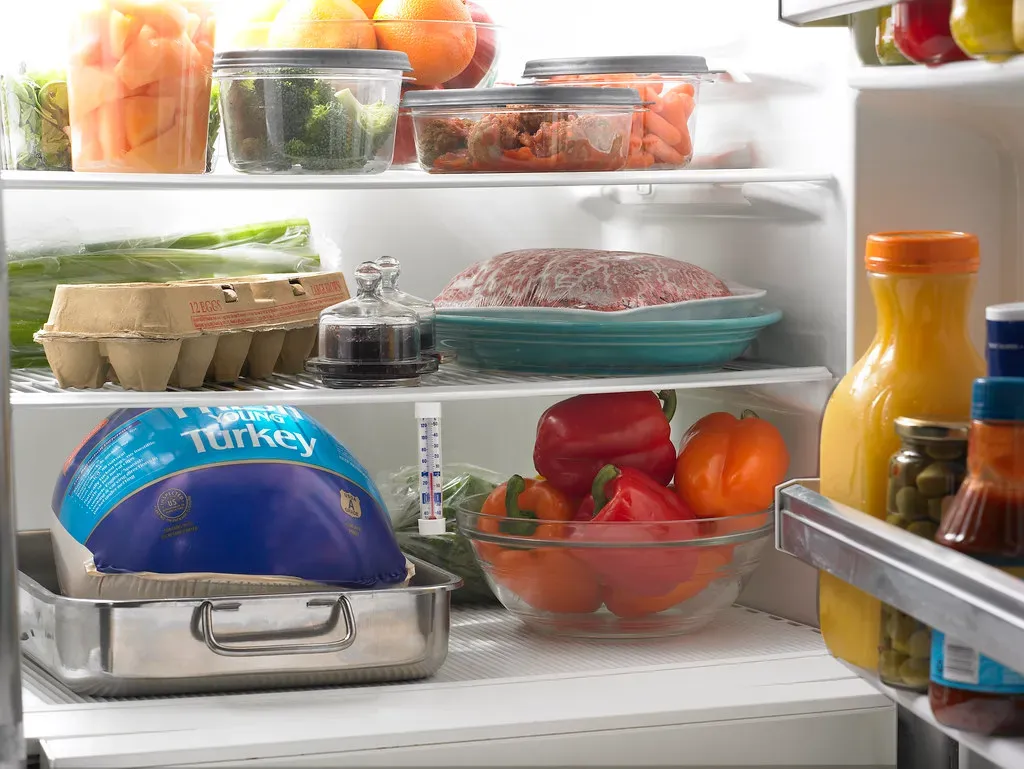
Temperature is arguably the single most powerful lever you have over food freshness. Temperature significantly affects the preparation, storage, distribution, and shelf life of fresh goods. Perishable foods should be maintained under specific temperatures and environmental conditions to ensure quality, reduce waste, and obtain profitability. Think of temperature like a dimmer switch for microbial activity. The warmer it gets, the faster everything multiplies.
The storage lives of most foods are cut in half by every increase of 18°F (10°Celsius). That's a remarkable fact. It means food stored in a hot garage could lose more than half its intended shelf life compared to the same item kept in a cool pantry. For optimal quality and safety, dairy products should be stored at refrigerated temperatures between 34°F and 38°F, meats between 33°F and 36°F, and eggs between 33°F and 37°F. Small differences in degrees actually matter a great deal.
2. Managing Humidity for Each Food Category
2. Managing Humidity for Each Food Category (Image Credits: Unsplash)
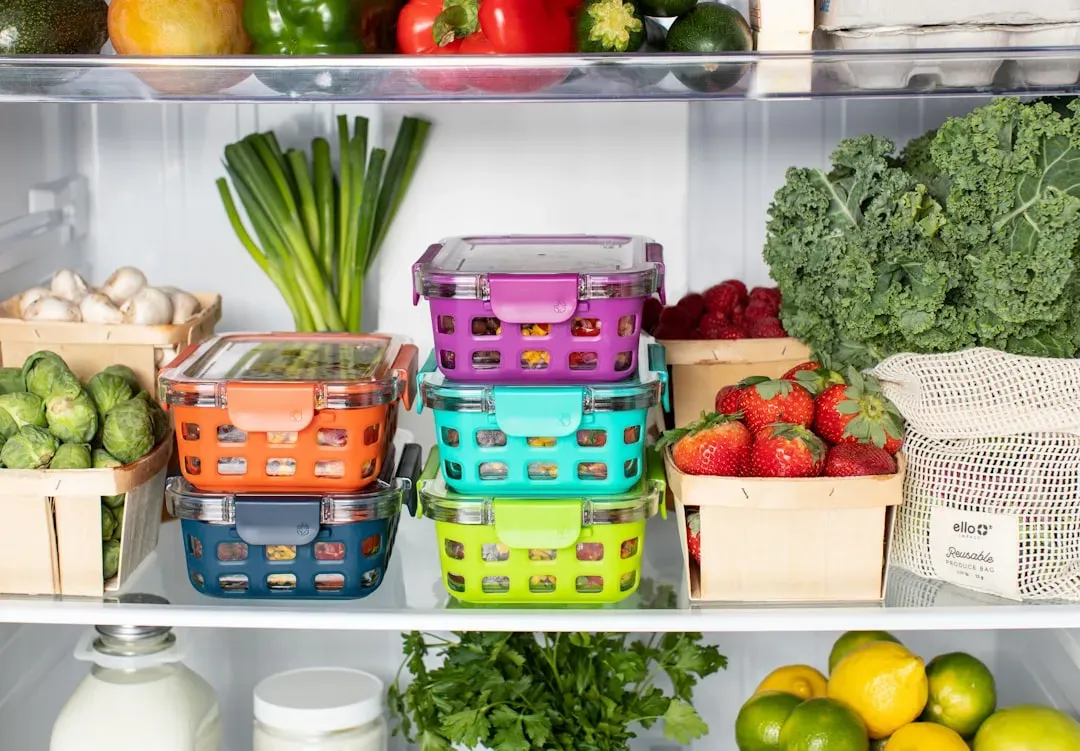
Here's the thing most people overlook entirely: humidity is just as critical as temperature, and different foods need completely different levels of it. High humidity environments can lead to mold growth, spoilage, and a decrease in food quality. Conversely, low humidity can dry out foods, causing them to lose their texture and flavor. It's a surprisingly delicate balance to strike.
Fruits and vegetables typically require higher humidity levels of 85 to 95 percent to prevent drying out. Meat and dairy need moderate humidity of 75 to 85 percent to prevent microbial growth while maintaining moisture. Dry goods require low humidity of 50 to 60 percent to avoid moisture absorption and spoilage. Storing onions next to leafy greens, for example, is a real problem since leafy greens like lettuce and spinach need 95 to 100 percent relative humidity, while dry onions and garlic do best at just 65 to 70 percent. Storing onions in the same high-humidity room as lettuce would promote sprouting and fungal growth on the onions.
3. Using Airtight Containers Correctly
3. Using Airtight Containers Correctly (Image Credits: Unsplash)
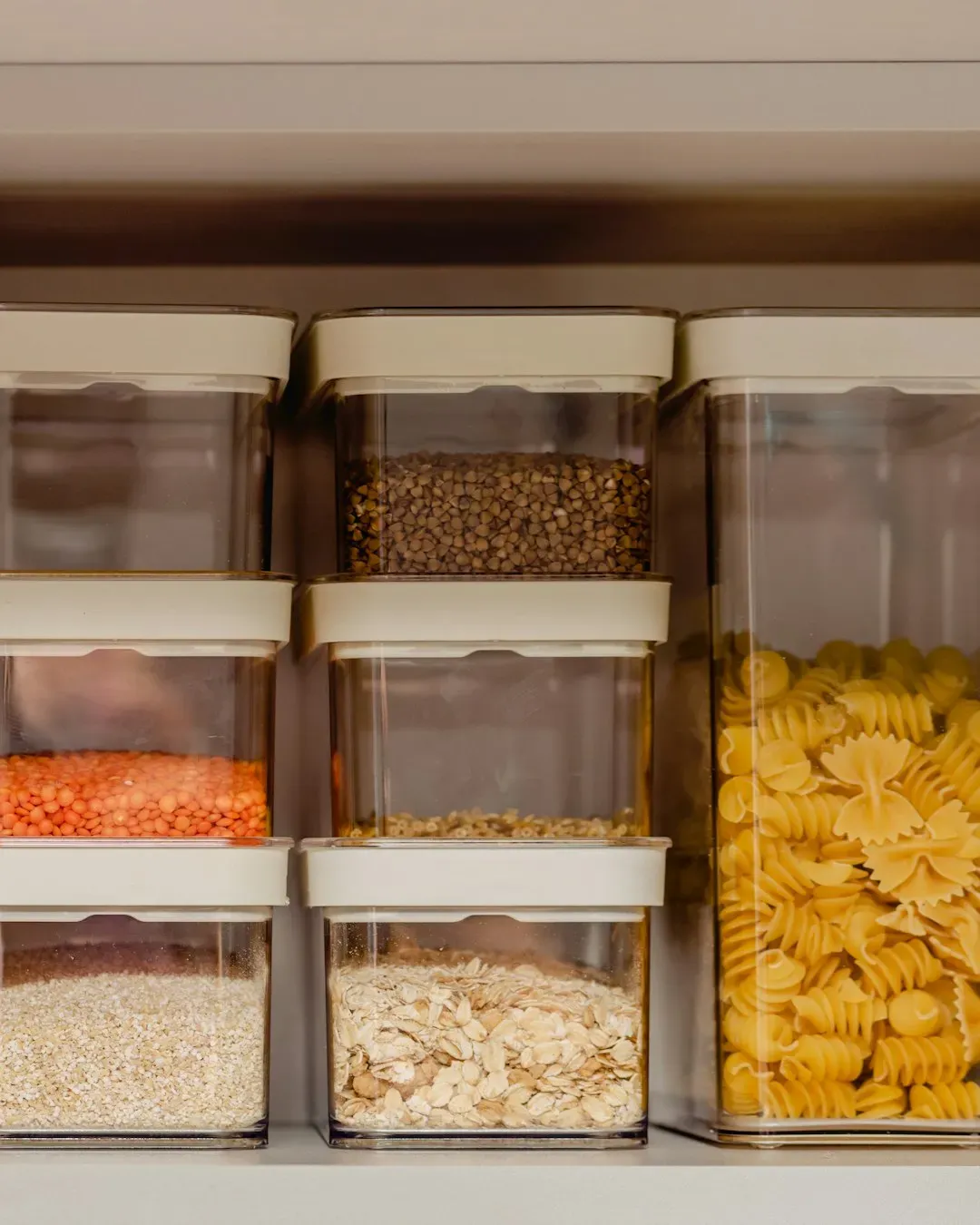
Reach for the right container and you're already winning. Airtight containers like silicone airtight food storage containers are ideal for preserving food freshness and preventing contamination. They block out both air and moisture, which are two of the main drivers of degradation. I think most people underestimate just how much open-air storage ages food prematurely.
Many foods should be kept in airtight containers in order to ensure shelf life and quality. However, other foods such as fruit and vegetables should not be kept in airtight packaging as this could cause them to spoil quicker. So it's not a one-size-fits-all approach. Humidity levels greater than 60 percent may cause dry foods to absorb moisture, resulting in caked and stale products. Flour in a loosely closed bag in a humid kitchen is basically on a countdown timer.
4. Vacuum Sealing to Extend Shelf Life
4. Vacuum Sealing to Extend Shelf Life (sousvideguy, Flickr, <a href="https://creativecommons.org/licenses/by/2.0/" target="_blank" rel="noopener">CC BY 2.0</a>)
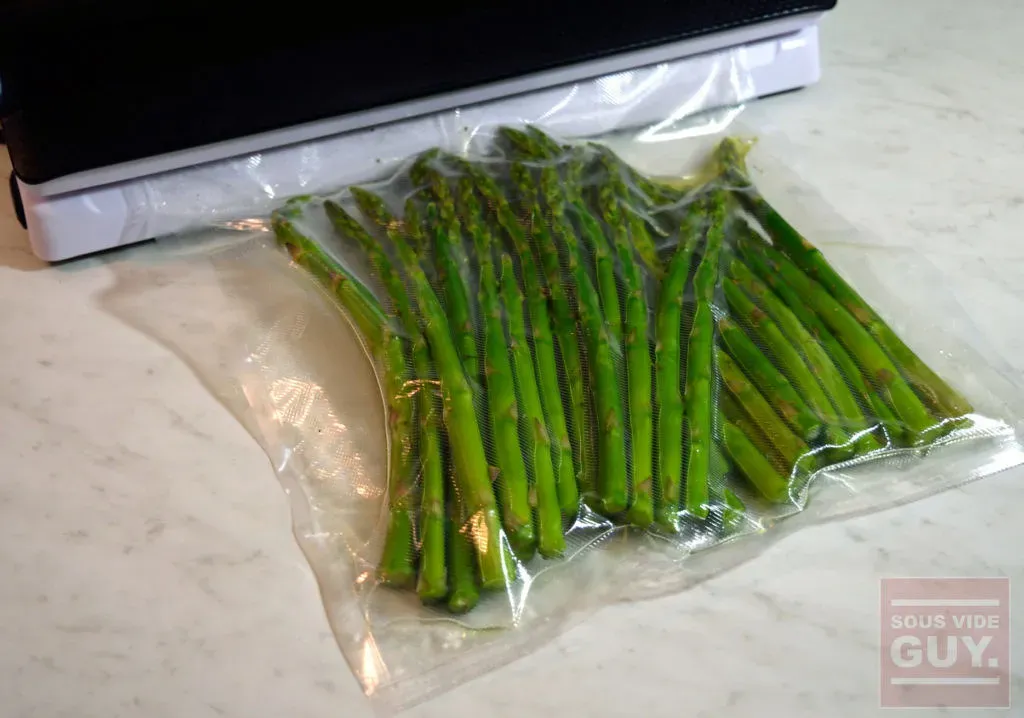
Vacuum sealing is one of those practices that sounds almost too good to be true, but the science is very real. At its very foundation, vacuum sealing is the act of removing oxygen from bags or containers, creating an airtight seal that protects food from freezer burn and bacteria growth. By limiting exposure to oxygen, which causes spoilage, vacuum sealing helps extend your food's shelf life. It's essentially putting spoilage on pause.
On average, the process of vacuum sealing extends the shelf life of fresh food up to three to five times longer than a normal storage container. The numbers get even more impressive for specific items. Cooked chicken lasts only three to four days in regular storage but can last up to two weeks when vacuum-sealed. Similarly, vacuum-sealed cheese can last four to six months, compared to six to eight weeks in standard conditions. There's a caveat worth mentioning though: vacuum packaging does not replace food preservation. In other words, refrigerated foods still require refrigeration or freezing.
5. Proper Refrigerator Organization and Zoning
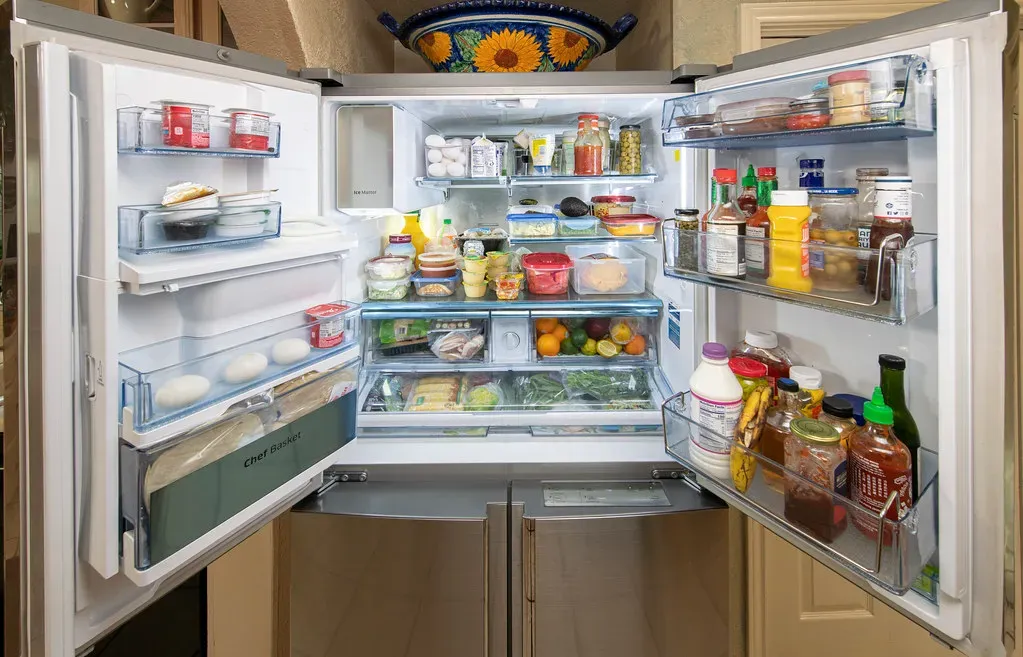
5. Proper Refrigerator Organization and Zoning (Image Credits: Flickr)
Your refrigerator is not just one big cold box. It's actually a machine with distinct temperature zones, and where you place food inside it matters enormously. The most common and impactful mistake is storing highly perishable items on the refrigerator door. While convenient, the door is the warmest part of the fridge and is subject to constant temperature fluctuations. This is the worst possible environment for milk, eggs, and raw meat.
Store raw foods below cooked foods in the refrigerator to prevent drips. This single habit stops a surprising number of contamination incidents before they start. Be mindful not to overload your refrigerator or freezer. If you do, you can block the airflow necessary to keep the entire unit at the proper temperature. A crammed fridge might feel efficient, but it's actually creating warm pockets that accelerate spoilage throughout.
6. Keeping Ethylene-Producing Fruits Separate
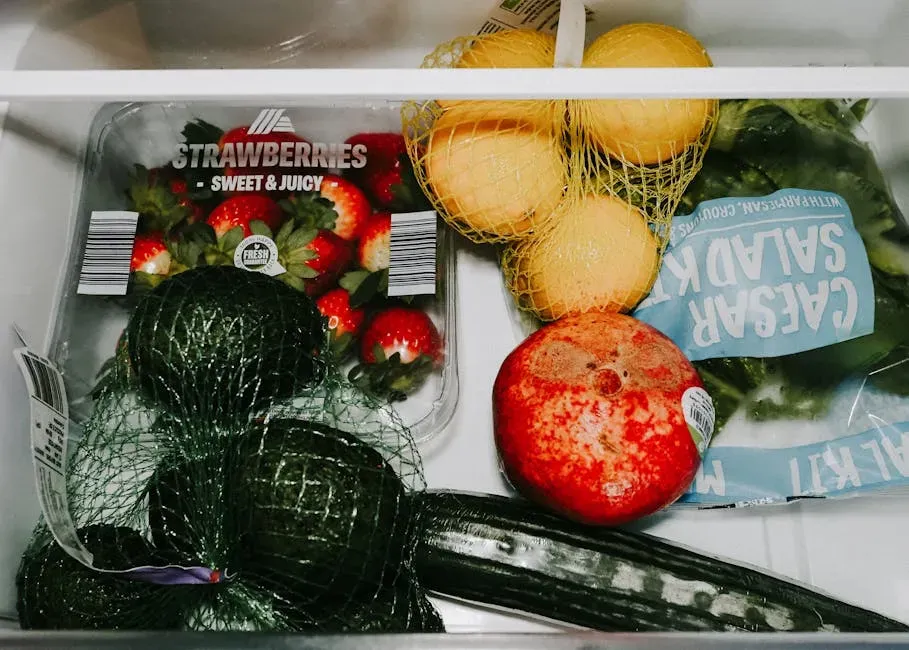
6. Keeping Ethylene-Producing Fruits Separate (Image Credits: Pexels)
This one surprises a lot of people. Some fruits aren't just ripening themselves. They're actively speeding up the aging of everything nearby. Certain fruits, such as apples and bananas, release ethylene gas during ripening, which can cause vegetables nearby to spoil more quickly. Therefore, storing these items in different drawers or bins can significantly prolong their lifespan.
Certain fruits like apples, bananas, avocados, and peaches release ethylene, a natural plant hormone that triggers ripening in nearby produce. When you store these producers next to ethylene-sensitive items like leafy greens, broccoli, carrots, and cucumbers, you are actively accelerating spoilage. It's almost like one bad apple really can spoil the bunch, quite literally. Separating these two groups is a zero-cost action that can double the life of your vegetables.
7. Practicing FIFO (First In, First Out) Rotation
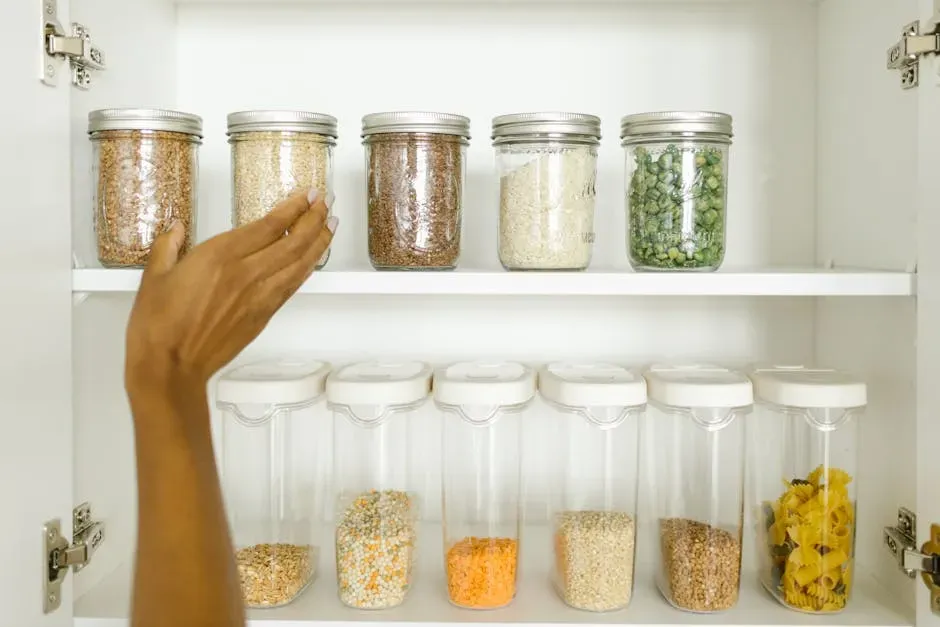
7. Practicing FIFO (First In, First Out) Rotation (Image Credits: Pexels)
FIFO is one of those concepts used in professional kitchens and commercial food operations that every home cook should also be using. FIFO simply means you need to label your food with the dates you store them and put the older foods in front or on top so that you use them first. It sounds almost too basic, yet so few households actually do it consistently.
With a food inventory management such as the FIFO system, you reduce food wastage by ensuring that the older stocks are used without the risk of food poisoning. The bigger picture here matters too. According to the United Nations, food waste is a significant global issue, with around 931 million tons of food wasted annually. Something as simple as rotating your pantry stock can make a meaningful personal contribution to reducing that staggering number.
8. Maintaining Dry Storage Conditions for Pantry Staples
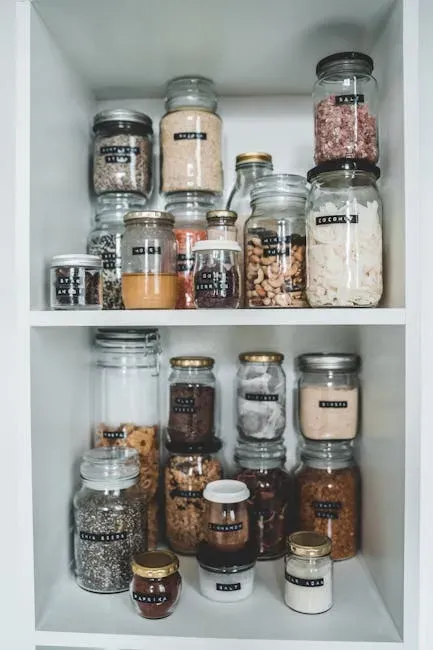
8. Maintaining Dry Storage Conditions for Pantry Staples (Image Credits: Pexels)
Dry goods like rice, flour, pasta, and grains are often treated as practically immortal. Just toss them in a cupboard and forget about them, right? Not quite. Moisture and temperature are the two critical factors in optimal food storage. The humidity in the storage environment should be low. If dried foods pick up moisture from the storage area, molds and bacteria can grow.
Keep dry storage areas clean with good ventilation to control humidity and prevent the growth of mold and bacteria. Store dry foods at 50°F for maximum shelf life. However, 70°F is adequate for dry storage of most products. Light exposure is another often-forgotten enemy. Store foods away from sources of heat and light, which decrease shelf life. Store foods off the floor and away from walls to allow for adequate air circulation. That cabinet right next to the stove? Probably the worst place in your kitchen for long-term storage.
9. Keeping Raw and Cooked Foods Separated
9. Keeping Raw and Cooked Foods Separated (Image Credits: Unsplash)
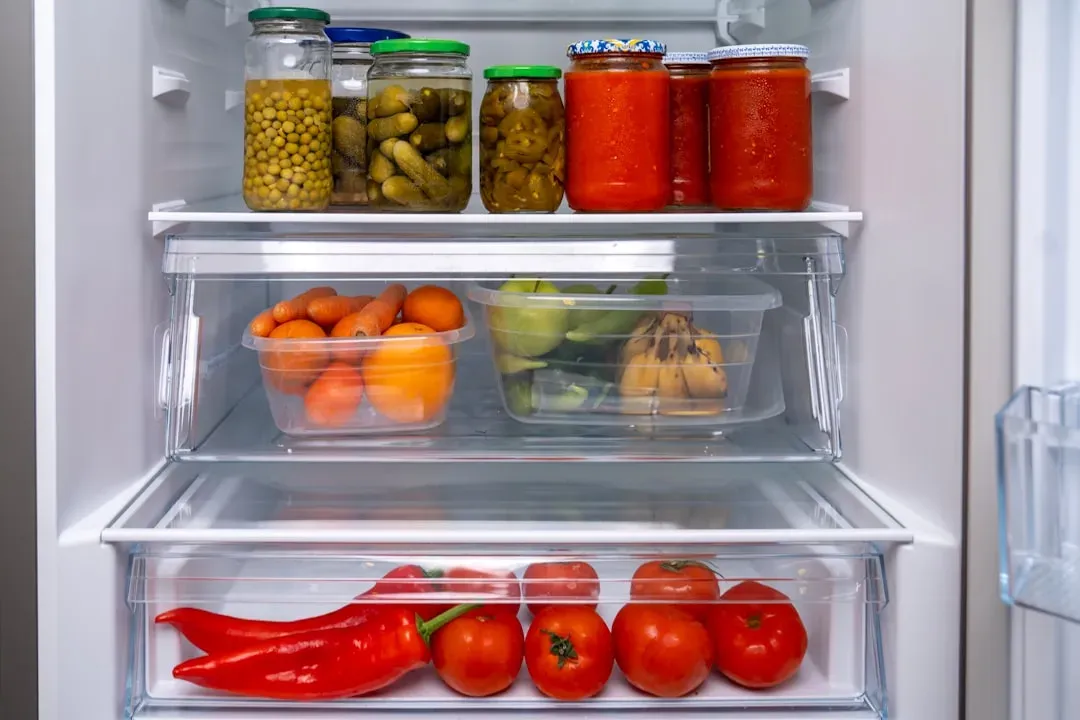
Cross-contamination is one of the leading causes of foodborne illness, and it often happens silently with no visible signs at all. Cross-contamination is a leading cause of foodborne illnesses. Keeping raw and cooked foods separate is vital for safety. It's not just about hygiene in the abstract. It's about the very real risk of pathogens from raw proteins reaching foods that won't be cooked again before eating.
Keep raw meats, poultry, and seafood in airtight containers or plastic bags on the lowest shelf in the refrigerator to prevent juices from dripping onto other foods. Store cooked or ready-to-eat foods above raw items to prevent potential contamination. It's hard to say for sure how often this goes wrong in home kitchens, but food safety experts consistently flag it as one of the most common and preventable mistakes. Clean utensils and surfaces thoroughly after handling raw ingredients.
10. Proper Freezer Practices and Preventing Freezer Burn
10. Proper Freezer Practices and Preventing Freezer Burn (Image Credits: Unsplash)
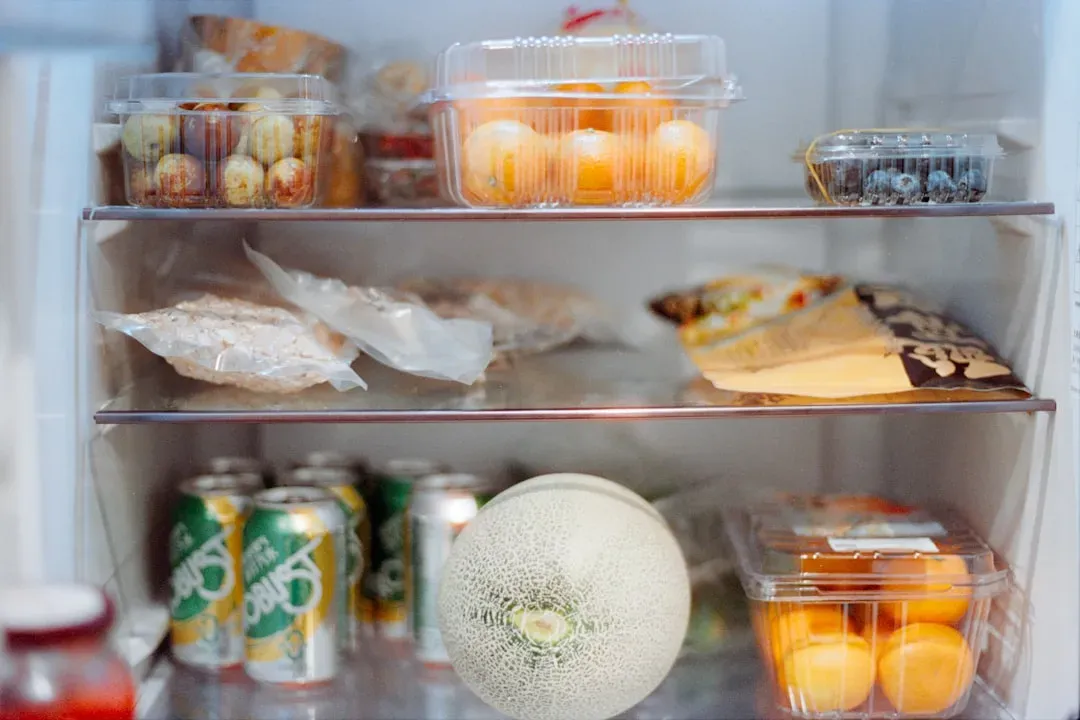
Freezing food is one of the most effective preservation tools available, but a poorly managed freezer still lets you down. For frozen foods, it is recommended to store them at 0°F to prevent bacteria growth. The key is not just hitting the right temperature, but also ensuring the food is protected from air exposure inside the freezer environment.
Freezer burn is a form of sublimation, where moisture escapes from food and turns into ice crystals. This damages cell structure and leaves meat dry or vegetables rubbery. Vacuum sealing is one excellent defense against this, but even proper wrapping in freezer-grade bags helps significantly. For long-term preservation, many people pair vacuum sealing with freezing, which practically stops microbial activity altogether. Vacuum sealing is powerful on its own, but it works even better when combined with proper refrigeration. Think of the freezer not as a destination where food disappears indefinitely, but as a carefully managed environment where conditions still need to be actively controlled.
Food storage, at its core, is one of the most impactful everyday decisions you make in your kitchen. The gap between food that lasts and food that spoils prematurely is almost never about luck. It comes down to temperature, humidity, oxygen exposure, organization, and a few habits that, once learned, become second nature. Getting these ten practices right doesn't require expensive equipment or extra hours. It mostly just requires knowing why they matter. What surprises you most about how much storage conditions affect the food on your shelves? Share your thoughts in the comments.