
Your home might look solid and timeless from the outside, but beneath that fresh coat of paint and behind every tiled wall, things are quietly breaking down. It’s a bit like getting older yourself – the process is slow, largely invisible at first, and then one day you notice something that wasn’t quite like that before. Every material in your house has a clock ticking inside it.
Most homeowners don’t think about material degradation until there’s visible damage or a repair bill sitting on the kitchen table. The truth is, knowing what deteriorates, how fast, and why can save you real money and a lot of headaches. Here’s a look at eight materials found in nearly every home that are silently degrading right now. Be prepared for a few surprises.
1. Window Caulk and Sealants
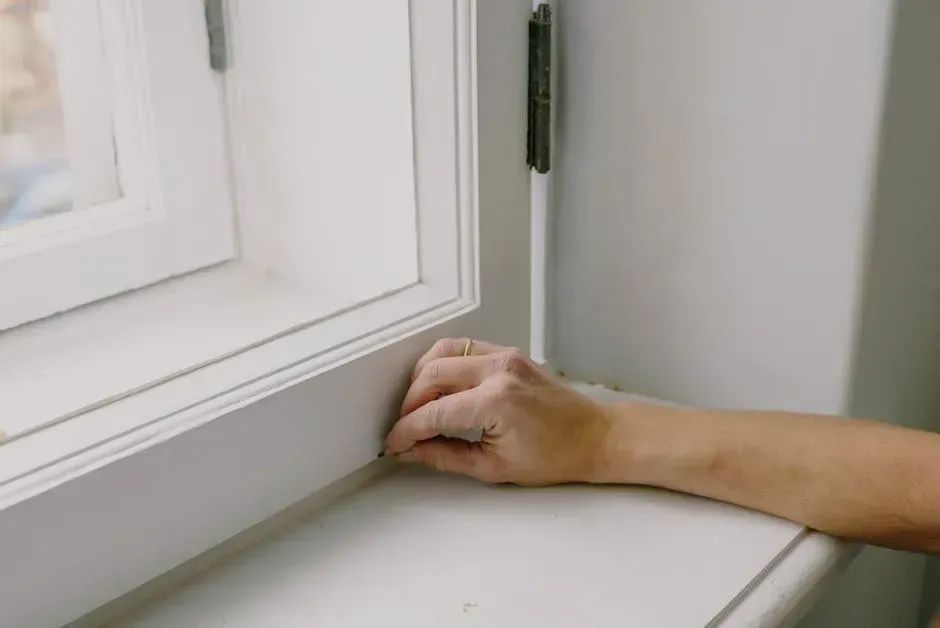
1. Window Caulk and Sealants (Image Credits: Pexels)
Here’s the thing – that thin bead of caulk sealing your windows might be doing more work than the windows themselves. Window sealant is a flexible material used to fill gaps and joints, typically applied where the window meets walls or other structural elements, with the purpose of blocking air, moisture, and sometimes sound. It sounds simple, but its role in keeping your home energy-efficient and moisture-free is enormous.
Most window caulking lasts about five to ten years. What’s more, the type of material matters a great deal. Silicone sealants can last twenty years or longer with proper application and maintenance, while polyurethane varieties typically hold for five to ten years before weakening, and acrylic latex may only protect for three to seven years. Exterior caulk expands in the summer, shrinks in the winter, and adapts to the weather – so it’s entirely normal for it to wear out a little each year.
2. Tile Grout in Bathrooms and Kitchens
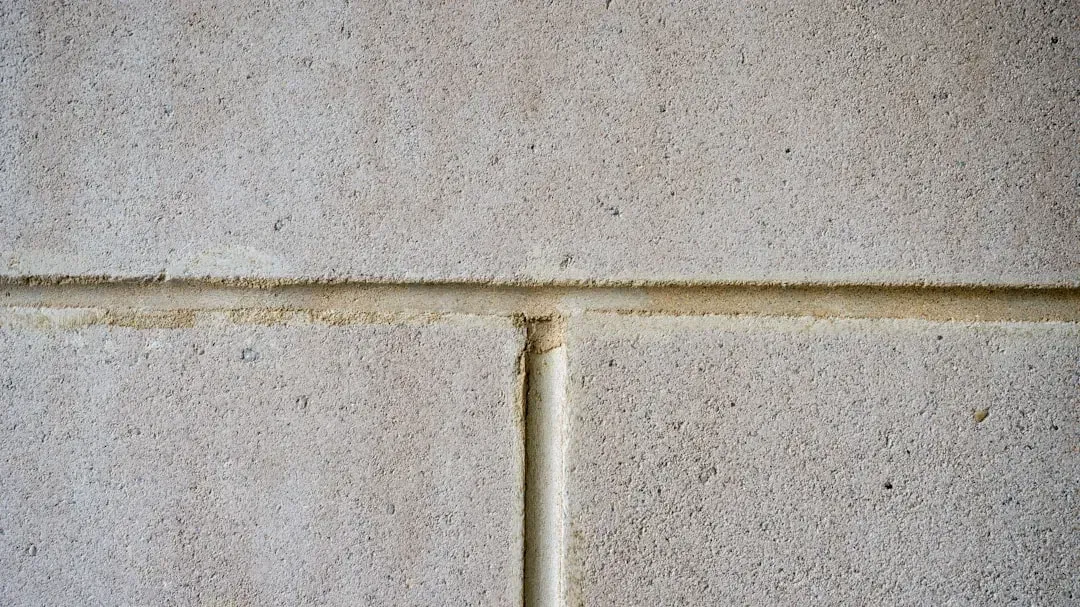
2. Tile Grout in Bathrooms and Kitchens (Image Credits: Unsplash)
Look closely at the lines between your tiles. That humble filler is under constant attack from moisture, heat, cleaning chemicals, and time itself. Moisture is one of the biggest enemies of grout, and because grout is typically porous, moisture is easily absorbed – causing the grout to crumble from the inside out and encouraging the growth of mold and bacteria. It’s not just an aesthetic problem. It’s a structural one.
Grout usually lasts from eight to fifteen years. However, that number varies significantly based on the type used. Cement-based grout can last fifteen to thirty years on interior walls when mixed and sealed correctly, but on high-traffic floors its lifespan is typically shorter – around eight to fifteen years – while epoxy grout is known for its durability and can last twenty to thirty-plus years, even in demanding environments such as kitchens, bathrooms, and commercial spaces. Regularly sealing your grout is not optional if you want it to survive.
3. Carpet and Natural Fiber Rugs
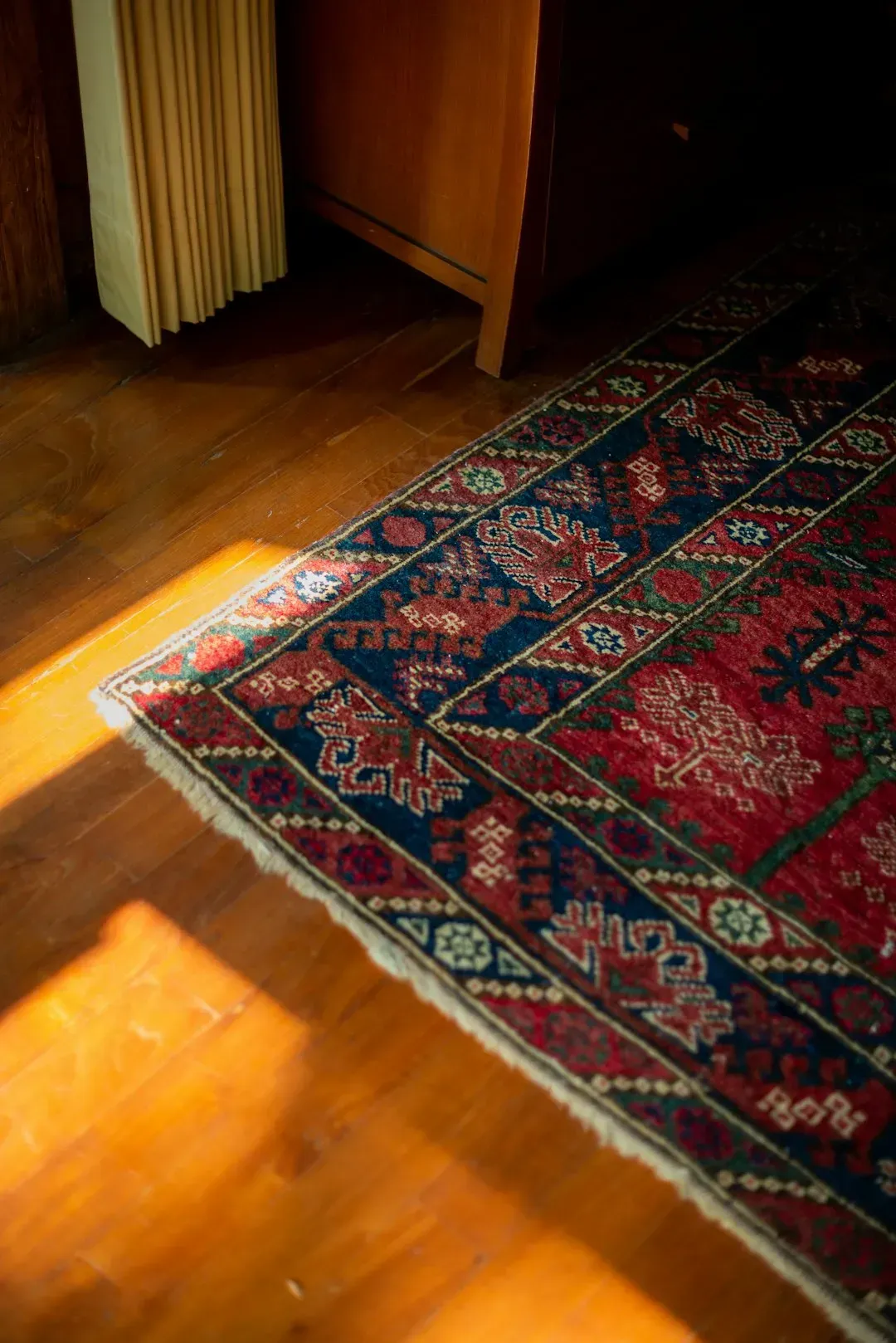
3. Carpet and Natural Fiber Rugs (Image Credits: Unsplash)
That carpet in your living room is aging faster than you probably realize, and sunlight is the biggest culprit. UV rays are the primary culprits in carpet damage, breaking down the chemical bonds in the dyes used to color the carpet fibers – leading to visible fading that often appears lighter or takes on a different hue where the sun hits directly. In addition to color loss, UV rays can also weaken and degrade the fiber itself, making it more brittle and susceptible to wear and crushing.
Like most textiles, rugs are vulnerable to fading, discoloration, and dry rot from prolonged exposure to direct sunlight, as UV rays from the sun can break down the chemical structure of certain dyes. This fading tends to happen very gradually over months and years but can be accelerated with intense direct sun exposure through windows, sliding glass doors, and skylights. Sun damage also dries out natural fibers like wool, making them brittle and coarse over time. Honestly, rotating your rugs and using UV-blocking window films can add years to their lifespan.
4. Interior and Exterior Paint
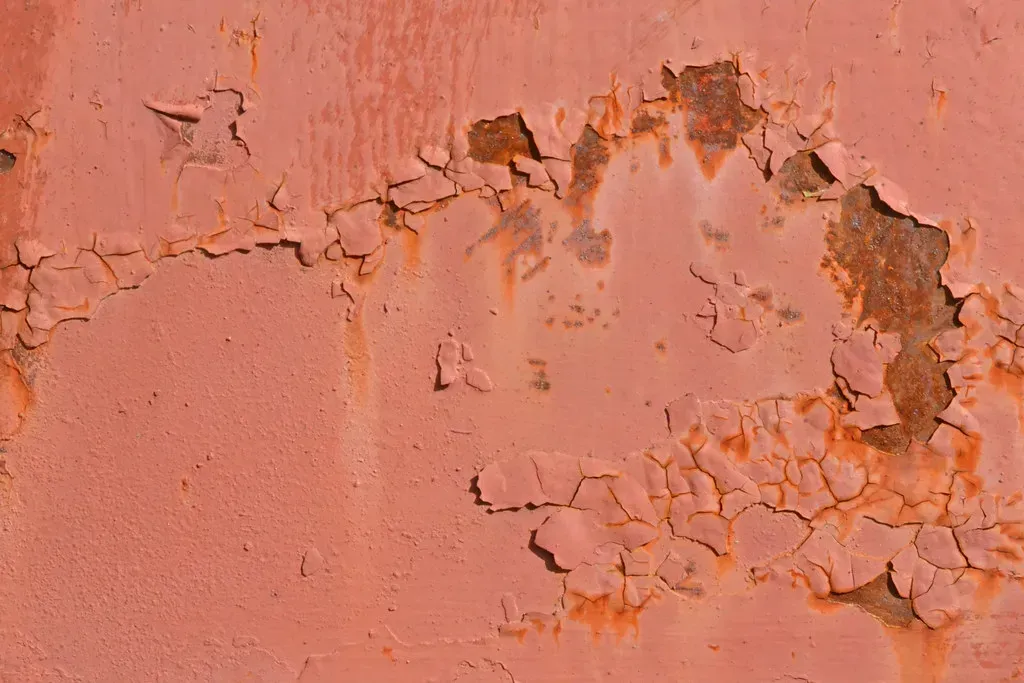
4. Interior and Exterior Paint (Image Credits: Flickr)
Paint isn’t permanent – not even close. UV radiation breaks down paint binders at the molecular level, and while this happens everywhere, intense sun speeds the process dramatically. What’s interesting is that the color you choose actually affects how quickly the paint fails. Dark colors absorb heat, causing higher surface temperatures that accelerate binder breakdown, with dark browns, navy blues, and black creating surface temperatures significantly higher than lighter colors and therefore reducing paint life measurably.
Dark browns, navy blues, and black can fade noticeably within three to five years and may require repainting two to three years sooner than light colors on the same surface. Beyond color, there’s the issue of chalking – that powdery residue that appears when you touch an aging painted wall. Fading is primarily cosmetic initially, but it indicates the paint film is deteriorating, and severely faded paint has lost its protective qualities entirely. Think of paint less like decoration and more like a protective skin that needs replacing.
5. Wooden Structural Elements and Trim
5. Wooden Structural Elements and Trim (Image Credits: Unsplash)
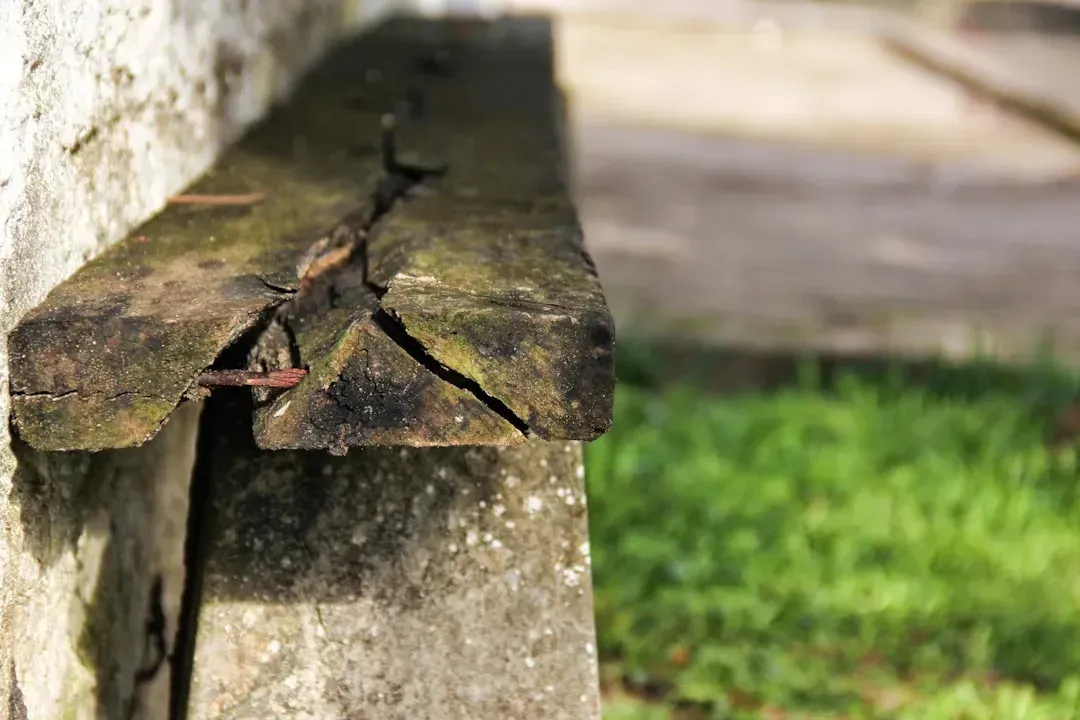
Wood is one of the oldest building materials on Earth, yet it’s far from invulnerable inside your home. Timber decay includes dry rot, insect damage, wet rot, and fungal attacks. The conditions inside your home – humidity levels, temperature swings, and water exposure – all determine how quickly the process takes hold. A small roof leak near a wooden beam, for instance, can trigger rot within months if left unaddressed.
Moisture penetration can cause damage to wood fibres and materials such as plaster and stonework, and capillary action causes water to move through materials, which can result in deterioration. Think of wood like a sponge with ambitions – it absorbs moisture gladly, and fungi take full advantage. Wood degrades in a short time when left to rot in the open, but houses that use wood can last for several lifetimes – the difference is entirely maintenance and moisture control. Keep water out, and wood can outlive you.
6. Rubber Door and Window Seals
6. Rubber Door and Window Seals (Image Credits: Pexels)
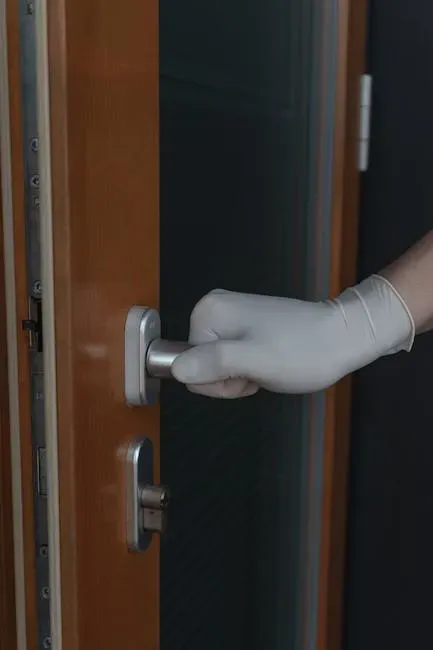
Rubber gaskets and door seals are the quiet workhorses of your home. They sit there doing their job day after day, keeping drafts and moisture out – until one day they simply stop working. Thermal ageing in high temperatures can accelerate the chemical processes involved in material degradation, and extreme levels of humidity can have an expediting effect on the degradation of materials. Rubber is particularly sensitive to both of these forces.
The combination of UV exposure, heat, cold cycles, and compression over years causes rubber to lose its elasticity and become brittle. Thermoplastic rubberized materials can melt if exposed to sunlight, especially if dark in color, and harden during cold winters – and this exposure to temperature variations makes them lose their flexibility and crack. I think most people don’t notice a degraded door seal until they feel a cold draft in winter and wonder where it’s coming from. By that point, the rubber has already lost the battle.
7. Cardboard and Paper-Based Building Materials
7. Cardboard and Paper-Based Building Materials (Image Credits: Pexels)
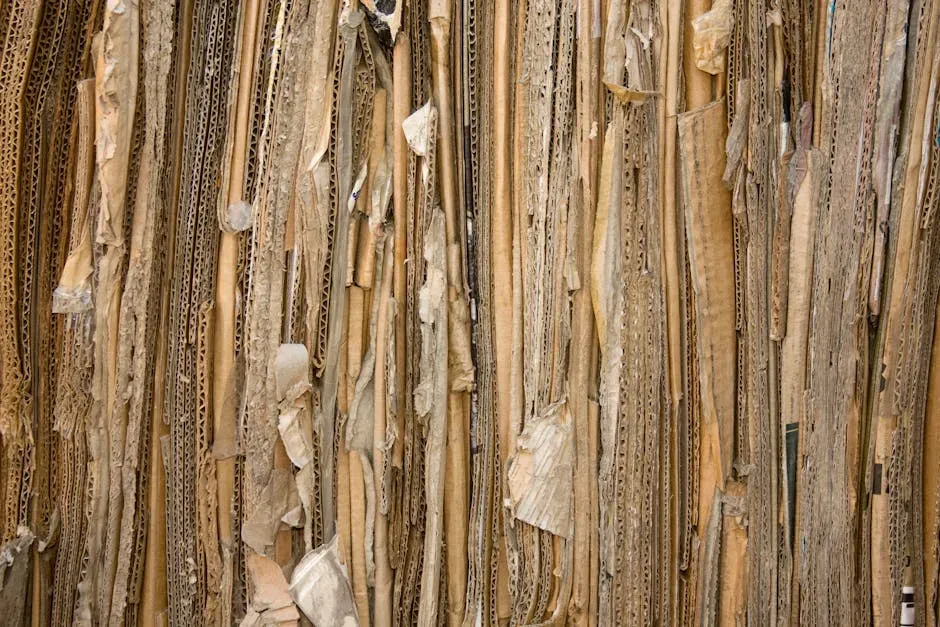
It might surprise you how much cardboard and paper-based material exists within the structure of your home – from drywall paper backing to certain insulation layers and packaging inside walls. Since cardboard is created from wood pulp, it is easy for microorganisms to biodegrade, and cardboard can biodegrade in as little as two to five months under the right conditions. Now imagine that material trapped inside a damp wall cavity.
There is a common pattern in that organic materials, or products made from organic materials, biodegrade much easier than synthetic materials, and some products may remain in the environment for decades or centuries. The same organic quality that makes paper-based materials eco-friendly also makes them deeply vulnerable inside a leaky or humid home. Moisture penetration can cause damage to wood fibres and materials such as plaster, brickwork, and concrete and stonework, and paper-based backing is no exception. Damp conditions behind tiles or within walls accelerate this breakdown considerably.
8. Plastics Used in Plumbing, Fittings, and Fixtures
8. Plastics Used in Plumbing, Fittings, and Fixtures (Image Credits: Pixabay)
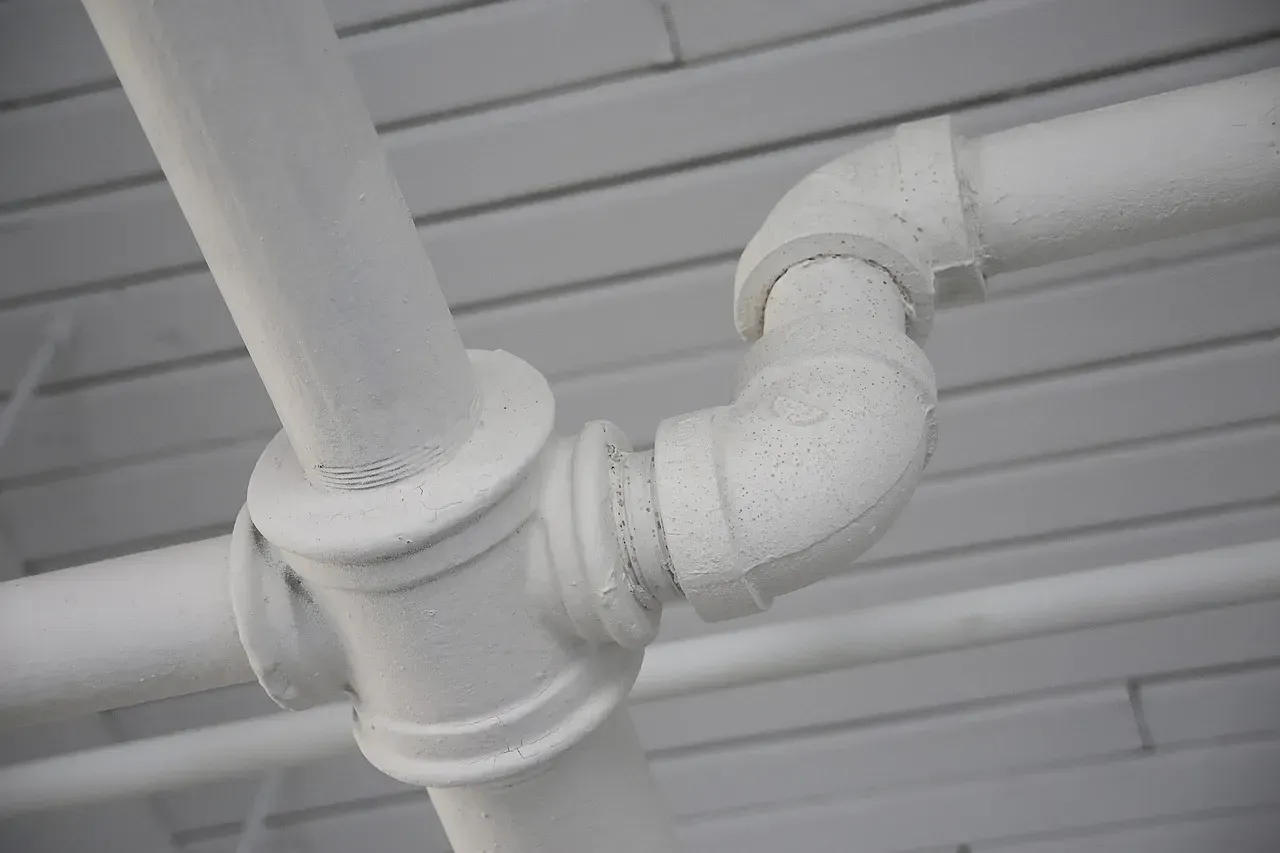
Plastic might feel like the most durable material in your home – it’s everywhere, from pipes under the sink to electrical fittings and bathroom fixtures. But plastics degrade too, and sometimes faster than people expect. Ultraviolet light and radiation from sunlight exposure are among the key environmental triggers that break down plastics over time. Pipes and fittings inside walls are generally protected, but any plastic exposed to light or heat is on a timer.
Over time, the chemical components in plastic-based materials break down and lose their effectiveness, as plasticizers, crosslinking agents, heat stabilizers, and UV absorbers may separate or evaporate, rendering the material ineffective. The degradation is chemical rather than structural at first, which is why it’s so easy to miss. Corrosion in metals is the result of chemical processes, typically when the metal is exposed to liquid, and the most common occurrence is oxidation – which causes rust in iron – but plastics surrounding metal fittings face their own parallel breakdown. Check any exposed plastic fittings and fixtures every few years.
Your home is essentially a collection of materials in various stages of aging – some gracefully, some not. The good news is that most of this degradation is predictable and manageable if you stay ahead of it. A quick annual inspection, a tube of fresh caulk, or a sealer applied to bathroom grout can delay decay by years. The homes that hold their value longest aren’t the newest ones. They’re the ones with owners who pay attention.
Which of these materials surprised you most? Let us know in the comments below.