
There is a question most people never think to ask while pushing their cart down the supermarket aisle: is the amount you’re spending on groceries actually shaping the quality of your diet? Not just a little. Research suggests the link is far stronger than most of us realize, running from the foods you pick up off the shelf all the way to measurable health outcomes. It sounds almost too simple, but money and nutrition turn out to be deeply tangled together.
The conversation around grocery budgets has intensified considerably in 2025 and 2026, driven by persistent food inflation and growing public awareness of diet-related chronic diseases. Researchers, government agencies, and health advocates are now pointing to specific spending ranges that consistently show up alongside better eating habits. So what does that range actually look like? Let’s dive in.
The Undeniable Link Between Spending and Eating Well
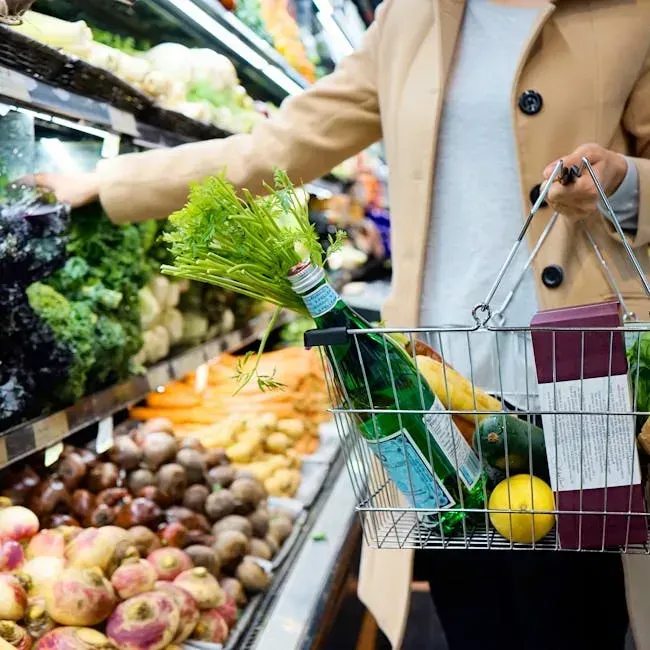
The Undeniable Link Between Spending and Eating Well (Image Credits: Pexels)
Several studies indicate that diet costs are associated with dietary quality and also food safety. This is not a fringe finding tucked away in an obscure journal. It is a well-replicated pattern across multiple research programs. Think of it like buying a car. You can get from A to B on either budget, but the vehicle carrying you there is very different.
Income level, income fluctuations, and rising costs of living are crucial factors affecting economic access to healthy food. The affordability of nutritious diets depends on the prices of food and beverages and the financial resources accessible to households. Honestly, this is not surprising when you walk through any grocery store and compare the price of fresh salmon to a bag of chips. The gap is hard to ignore.
What the USDA Food Plans Actually Tell Us
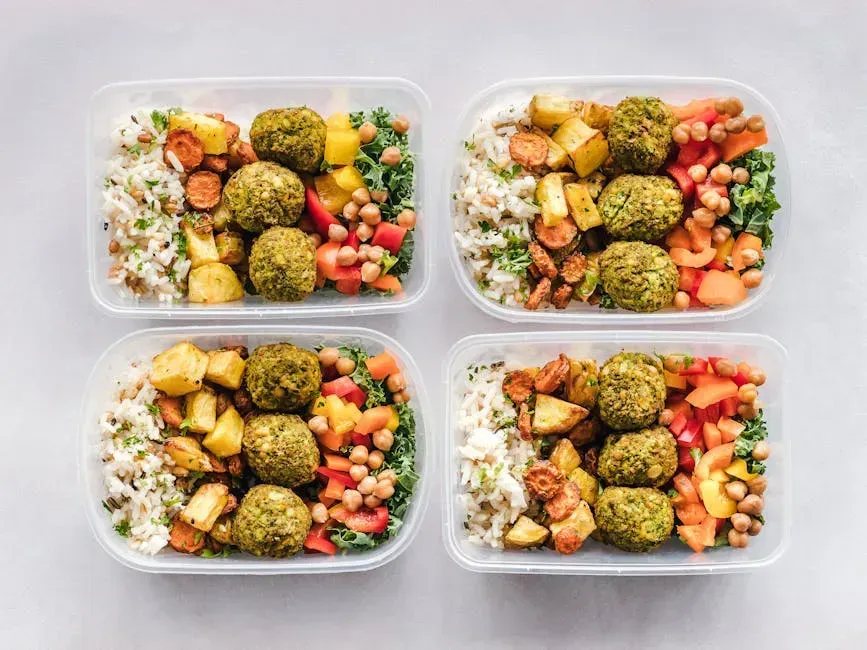
What the USDA Food Plans Actually Tell Us (Image Credits: Pexels)
The USDA has produced food plans since 1894 to illustrate how a healthy diet can be achieved through nutritious meals and snacks at home at various costs. That is over a century of institutional knowledge baked into these benchmarks. The USDA produces four food plans at successively higher cost levels: the Thrifty, Low-Cost, Moderate-Cost, and Liberal Food Plans, illustrating how a healthy diet can be achieved at various costs.
The Low-Cost, Moderate-Cost, and Liberal Food Plans outline nutrient-dense foods and beverages, their amounts, and associated costs that can be purchased on three successively higher budgets. The Low-Cost Food Plan represents food expenditures in the second from the bottom quartile of food spending. The Moderate-Cost Food Plan represents food expenditures in the second from the top quartile of food spending. These distinctions matter enormously when tracking diet quality outcomes across income groups.
The Specific Dollar Figures in 2025 and 2026

The Specific Dollar Figures in 2025 and 2026 (Image Credits: Unsplash)
USDA food plans range from $247 to $566 per month per adult in 2025 to 2026. That is a staggering spread. For a single adult male, the USDA thrifty food plan costs approximately $309 per month for a single adult male and $247 per month for a single adult female aged 19 to 50. These are the bare-minimum figures just to hit basic nutritional adequacy.
Under the USDA moderate-cost plan, a family of four with two adults and two children budget roughly $1,250 to $1,400 per month for groceries in 2025 to 2026. For context, the USDA thrifty food plan for a family of four is approximately $950 per month or $219 per week in 2026. So the jump from bare minimum to moderate quality eating represents hundreds of dollars per month. That gap is exactly where diet quality begins to noticeably shift.
What Americans Are Actually Spending Right Now
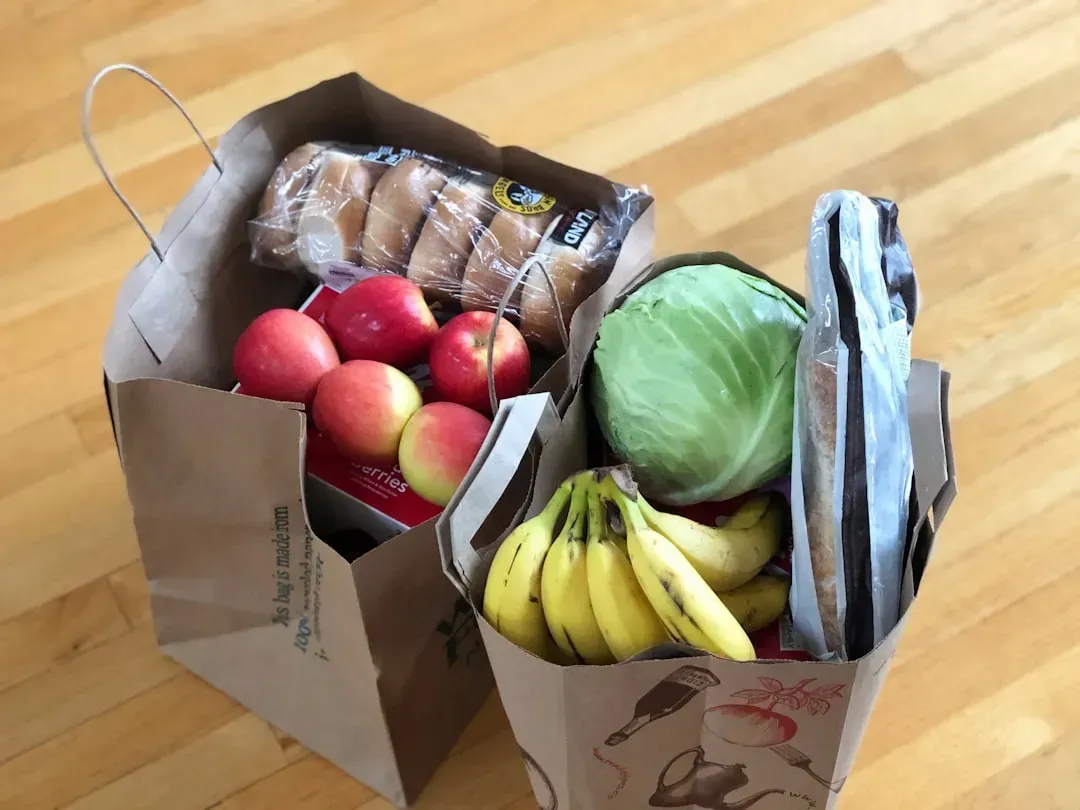
What Americans Are Actually Spending Right Now (Image Credits: Unsplash)
The average American spends roughly $363 per person per month on groceries according to the BLS Consumer Expenditure Survey. Meanwhile, weekly food spending remained stable at $201, with $129 going to groceries and $72 to restaurants, according to Purdue University’s Consumer Food Insights survey. Here’s the thing: the restaurant portion alone could fund a healthier home cooking habit if redirected.
Americans spent 2.7% more on food at home from September 2024 to September 2025. Yet spending more does not automatically translate to eating better. Consumers made substantial changes to their grocery shopping in 2025, largely driven by economic pressures. Many of those changes pushed households toward cheaper, lower-quality options rather than more nutritious ones.
Income Divide: The Diet Quality Gap by Spending Power

Income Divide: The Diet Quality Gap by Spending Power (Image Credits: Pexels)
Lower household income has been consistently associated with poorer diet quality. Research examining actual grocery receipts confirms this in striking fashion. Compared to lower income households, higher income households had significantly higher Healthy Eating Index total scores. Even within lower-income households, higher quality food purchases are associated with spending more money on those particular food categories.
Despite inflation concerns, many consumers remain committed to health-focused products, with roughly a third willing to pay a little more for products meeting their dietary needs. However, there’s a clear income divide, with the vast majority of high-income households prioritizing healthfulness in purchasing decisions compared to just over half of low-income households. This gap is not just about preference. It is about financial reality.
Diet Quality Scores Confirm the Pattern
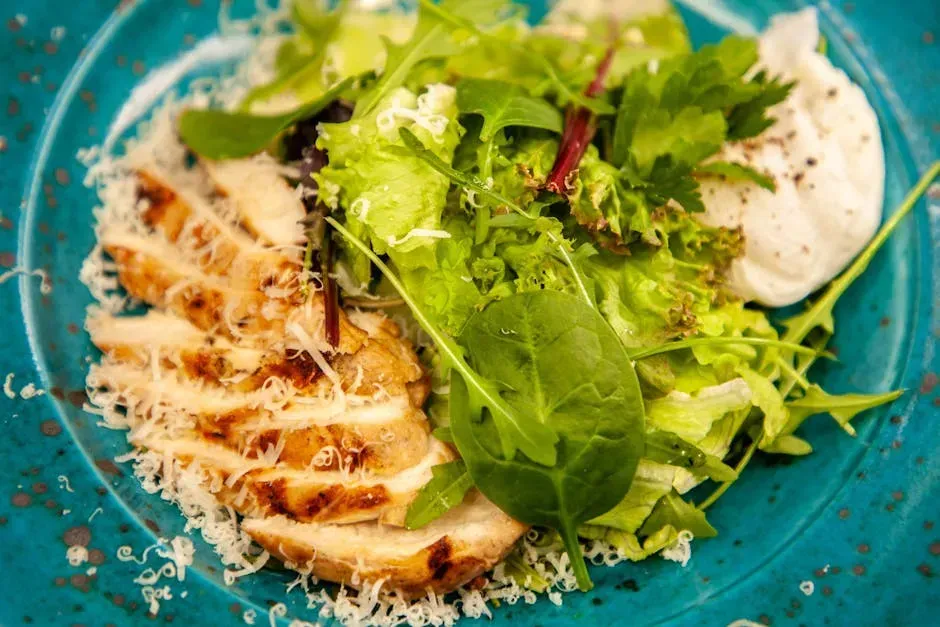
Diet Quality Scores Confirm the Pattern (Image Credits: Pexels)
Americans’ self-reported diet quality remains intermediate, with an average Mini-EAT dietary questionnaire score of 62.3, well below the healthy threshold of 69. That is a sobering number. The country as a whole is eating below what researchers consider healthy, and the data trails back to spending capacity. Higher-income households report better diet quality scores, though all income groups fall short of healthy targets.
Purdue’s American Diet Quality Index shows that the average adult diet still hovers just above the “unhealthy” threshold. What makes this especially frustrating is that two-thirds of Americans rate their diets as “thriving,” and 83% say they’re happy with what they eat. People overestimate how well they eat, and that disconnect makes corrective action harder to motivate.
Where Food Comes From Shapes Diet Quality Too

Where Food Comes From Shapes Diet Quality Too (Image Credits: Unsplash)
Data indicate that where food was obtained plays a major role in dietary quality. Food obtained at supermarkets, grocery stores, and similar retail outlets mainly for home preparation and consumption was generally of higher dietary quality than food obtained from restaurants, fast-food, and other establishments. Putting more of your food budget toward grocery shopping rather than takeout may be one of the single most impactful dietary shifts available to ordinary households.
In response to the 2007 to 2009 Great Recession, U.S. households cut their spending on meals and snacks away from home, which corresponded to improved diet quality during the same time frame. That is a genuinely fascinating natural experiment. When economic pressure forced people to cook at home more, their diets got measurably better. The grocery store, it turns out, really is the better option.
The Cost Barrier That Most People Feel Every Day
The Cost Barrier That Most People Feel Every Day (Image Credits: Pexels)
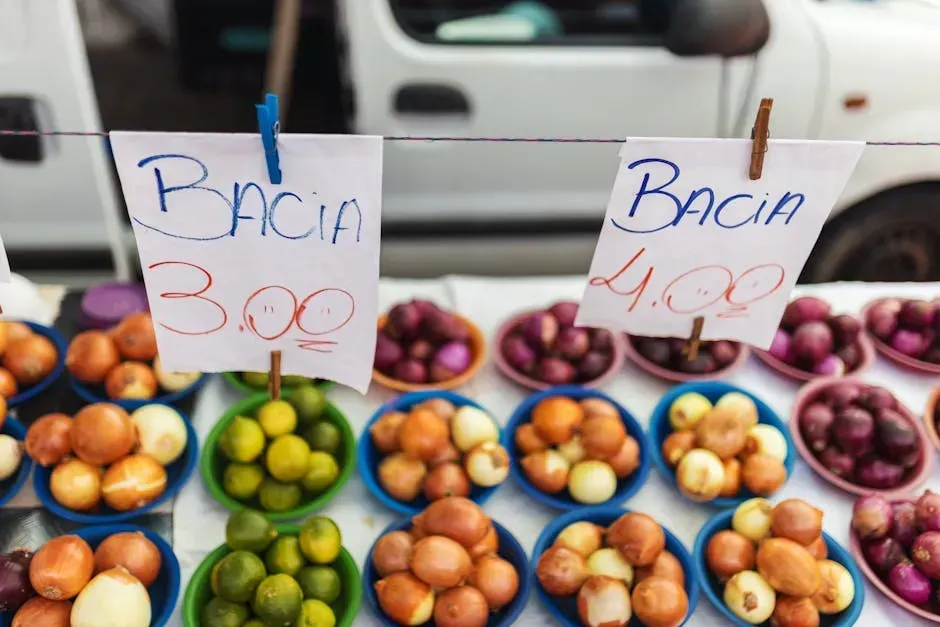
Food price and cost pose a crucial barrier to healthy eating. Food spending is typically the adjustable aspect of the weekly budget. Since 2020, food prices have consistently risen due to global and national factors. When something needs to be cut, food quality is often the first sacrifice. It is the most flexible line item in the household ledger.
Almost half of consumers, 46%, are aware they should eat healthier diets, but most of those, 71%, are not making changes, and the two biggest barriers to a healthier diet are cost and the perception that healthy food lacks taste. That awareness-action gap is striking. People know what they should do. They just can’t always afford to do it. Food prices have risen over 27% since April 2020, driven by inflation, supply chain disruptions, extreme weather, and higher farming costs.
What Smart Grocery Spending Actually Looks Like
What Smart Grocery Spending Actually Looks Like (Image Credits: Unsplash)
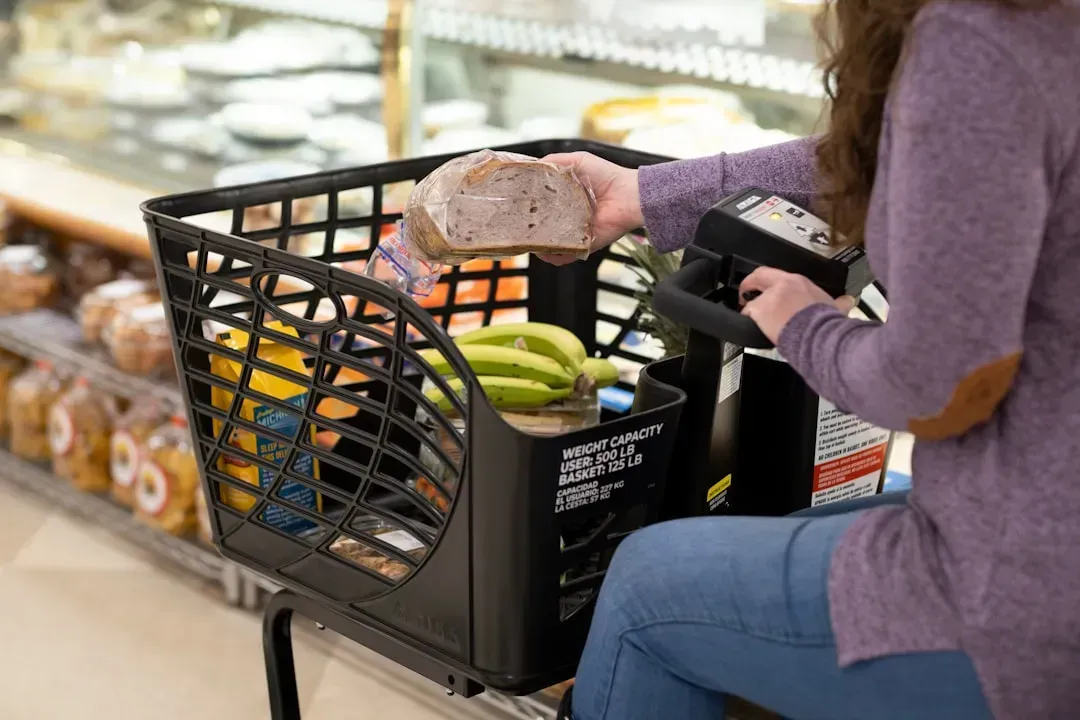
Some foods are more affordable in a less processed form. A block of cheese is cheaper than shredded cheese, and canned beans are less expensive than refried ones. Whole grains like brown rice and oats are also cheaper per serving than most processed cereals. This matters because it means higher nutritional density does not always require higher spending. It requires smarter spending. The sweet spot between quality and cost is often found in whole, minimally processed foods.
Greater amount of time spent on food preparation was associated with indicators of higher diet quality, including significantly more frequent intake of vegetables, salads, fruits, and fruit juices. Spending less than one hour per day on food preparation was associated with significantly more money spent on food away from home and more frequent use of fast food restaurants. Time, it turns out, is as important as budget when it comes to eating well. More time cooking at home stretches the grocery dollar into meaningfully better nutrition. The question worth sitting with is this: how much of your weekly food budget is actually supporting your health, and how much is simply paying for convenience? What do you think? Share your experience in the comments.