
Most homeowners don’t think much about what goes down their drains – until something goes very wrong. A slow-draining sink, a backed-up shower, or a full-on sewer overflow can feel like it came out of nowhere. Honestly, though, these problems rarely do. They build up quietly over weeks, months, sometimes years, fueled by small, everyday habits that seem completely harmless in the moment.
The good news is that most plumbing disasters are preventable. Most clogs are preventable with simple habits and regular maintenance. The habits on this list are surprisingly common, and a few of them might genuinely catch you off guard. Let’s dive in.
1. Pouring Cooking Grease Down the Kitchen Drain
1. Pouring Cooking Grease Down the Kitchen Drain (Image Credits: Pexels)
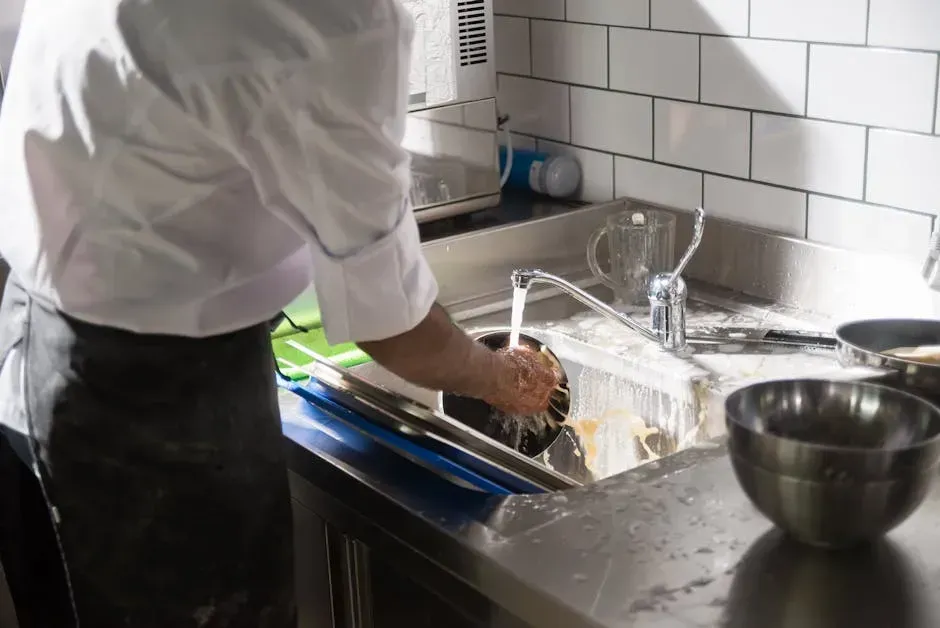
This one might be the most widespread plumbing mistake in the entire country. After frying bacon or draining a pan of ground beef, it’s tempting to just tip it all into the sink. Fast, easy, done. Except it’s really not done – it’s just getting started somewhere inside your pipes.
Grease should never go down the drain. It may be liquid and easy to pour, but it will eventually cool and solidify, causing a goopy mess to form along the pipe walls. Grease is the number one culprit of sewer pipe overflows and backups, and those overflows can cause health hazards, harm the environment, and damage your home. To make matters worse, when grease enters the sewer system, it can mix with other substances to form large solid masses known as “fatbergs,” which can block wastewater flow and lead to overflows and environmental contamination.
2. Letting Hair Go Down the Shower or Bathroom Drain
2. Letting Hair Go Down the Shower or Bathroom Drain (viviandnguyen_, Flickr, <a href="https://creativecommons.org/licenses/by-sa/2.0/" target="_blank" rel="noopener">CC BY-SA 2.0</a>)
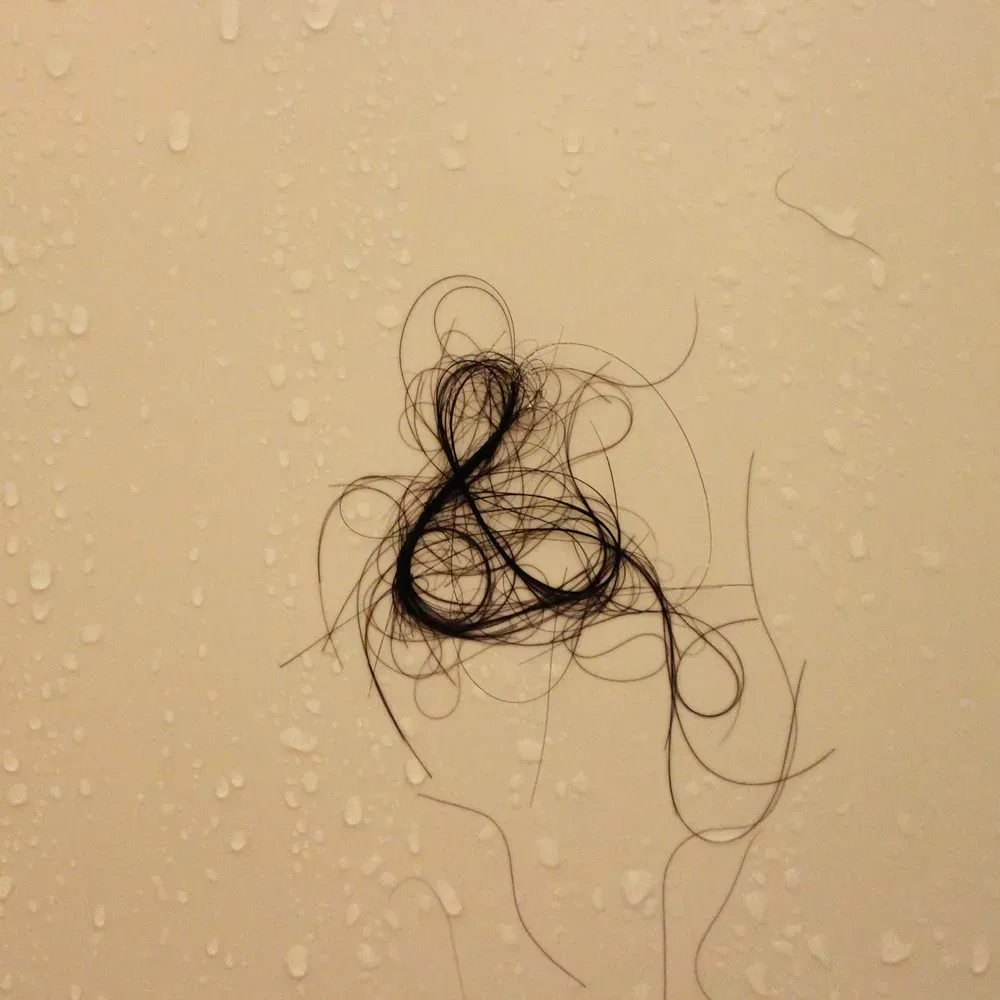
Here’s the thing – everyone loses hair in the shower. That’s totally normal. The problem is when that hair has nowhere to go but straight down the drain, day after day, week after week. It doesn’t just wash away. It collects, knots, and sticks.
Hair and animal fur are often to blame for drain blockages, especially in bathroom and laundry drains. Hair can knot up and attach to parts of the drain pipes by joining other substances such as soap and grease. Both human and pet hair can gradually build up in pipes, leading to significant clogs over time, and this issue is especially prevalent in bathroom drains and requires proactive measures to prevent it. A simple drain guard placed over the shower drain is honestly one of the cheapest and most effective tools a homeowner can own.
3. Flushing "Flushable" Wipes Down the Toilet
3. Flushing "Flushable" Wipes Down the Toilet (Image Credits: Unsplash)
I think this is one of the most misleading product categories ever invented. The word “flushable” on that packaging is doing a lot of heavy lifting – arguably too much. Just because something fits through a toilet bowl doesn’t mean it’s safe for your pipes or the sewer system beyond your home.
Regular toilet paper disintegrates in water within minutes. Those so-called flushable wipes can stay intact for months or even years, and they create huge problems because they catch on rough spots in your pipes and build up over time. Wipes used for changing diapers, personal hygiene, and housecleaning don’t break down the way toilet paper does, and they clog homeowner and municipal sewer pipes, put stress on community wastewater collection and treatment equipment, and cause municipalities to spend thousands on premature equipment repair and replacement.
4. Washing Food Scraps Down the Kitchen Sink
4. Washing Food Scraps Down the Kitchen Sink (Image Credits: Pexels)
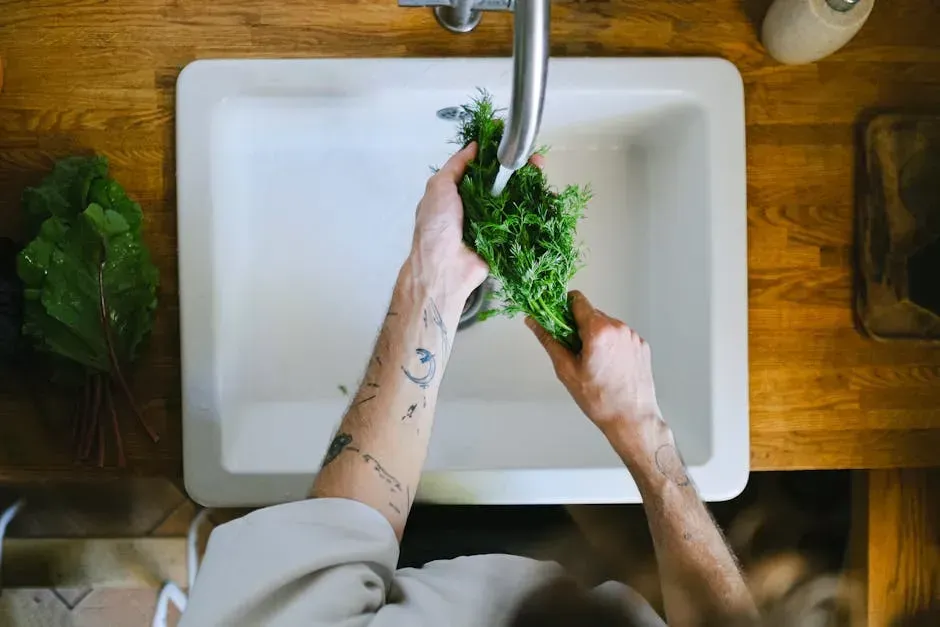
A lot of people assume that a garbage disposal handles everything. It doesn’t. Garbage disposals are fantastic for small, soft food particles, but they are not a magic food-annihilating machine. Treating your kitchen drain like a trash can is a recipe for eventual blockages, bad odors, and expensive service calls.
Food waste is one of the main contributors to drain clogs. Hard-to-dissolve items such as coffee grounds or eggshells and starchy foods like pasta or rice can create blockages over time, and these food items can also cause significant damage to your garbage disposal unit. Small bits of food can get trapped in the pipes, especially if you don’t have a garbage disposal, and starchy foods like pasta and rice can expand with water, making the problem worse. The safest approach is to scrape plates into the trash before rinsing them.
5. Ignoring Soap Scum Buildup in Bathroom Drains
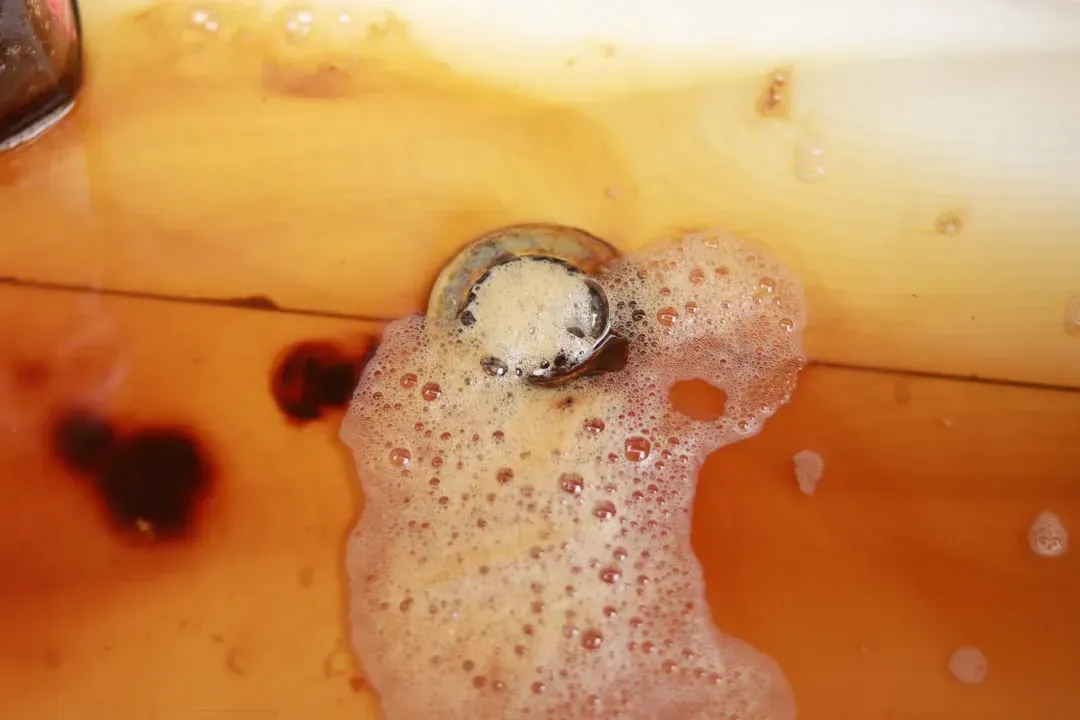
5. Ignoring Soap Scum Buildup in Bathroom Drains (Image Credits: Unsplash)
Soap scum sounds like a minor nuisance. It’s that filmy residue you sometimes see on shower walls or around the drain. Most people rinse it down without a second thought. Over time, though, it becomes a slow-motion disaster for your pipes.
Soap scum can build up over time, especially in laundry and bathroom drains, and these blockages reduce the diameter of pipes, causing slow water drainage and backups. Soap can combine with other materials, such as dirt and hair, to make an even more stubborn clog. Soap, although meant for cleaning, can ironically contribute to clogs. When soap mixes with the minerals in hard water, it forms a hard residue known as soap scum. Think of it like plaque buildup in arteries – gradual, invisible, and eventually very problematic.
6. Flushing Sanitary Products Down the Toilet
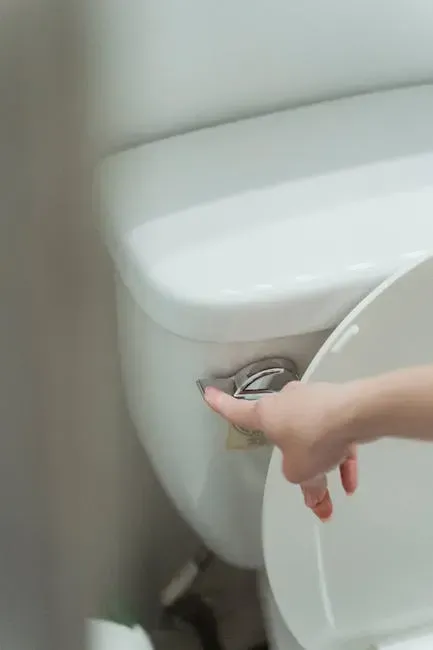
6. Flushing Sanitary Products Down the Toilet (Image Credits: Pexels)
This is a habit that causes enormous damage every single year, yet it persists because many people assume these products will simply break down in water. They won’t. In fact, they’re specifically engineered to do the opposite.
Tampons and pads are designed to absorb liquid and expand – that’s literally their job. So when they’re flushed into a closed pipe system, they continue doing exactly what they’re designed to do. These products don’t break down in water; instead, they expand and create blockages that can completely stop water flow. They’re among the most common causes of toilet clogs and sewer line backups, and they often contain plastic components that never break down, catching on pipe joints or rough spots and building up over time.
7. Using Chemical Drain Cleaners Regularly
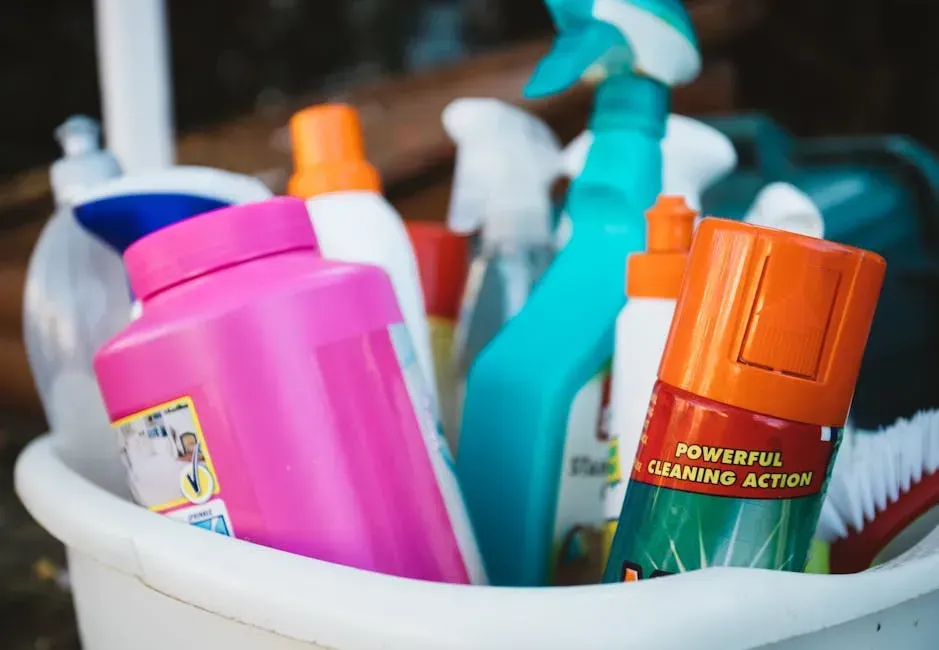
7. Using Chemical Drain Cleaners Regularly (Image Credits: Pexels)
When a drain starts running slow, the first instinct for many people is to grab a bottle of chemical drain cleaner from under the sink. It seems like the logical, easy solution. Pour it in, wait, done. The problem is what those chemicals are doing to your pipes in the process.
From hair and soap scum in bathroom sinks to grease in the kitchen, clogs remain a major nuisance. However, drain cleaning products can provide temporary relief but often cause damage to your pipes over time. These products contain harsh chemicals that can corrode your pipes, especially if used frequently. They can also be harmful to the environment and pose health risks if not handled properly, so it’s best to avoid chemical drain cleaners and opt for safer alternatives or professional services. A baking soda and vinegar flush is a gentler, pipe-safe alternative worth trying first.
8. Overloading the Garbage Disposal With the Wrong Foods
8. Overloading the Garbage Disposal With the Wrong Foods (Image Credits: Unsplash)
Let’s be real – garbage disposals get treated like indestructible kitchen appliances. People throw in everything from potato peels to chicken bones, assuming the blades will handle it all. They won’t. Some foods are genuinely destructive to disposal units and the pipes they feed into.
Only use your garbage disposal for small bits of food. Garbage disposals are great, but only when used for small amounts of very soft food waste. Potato skins, coffee grounds, egg shells, and other hard items are not friendly to your plumbing and can cause local clogs or a clogged sewer line. Avoid grinding fibrous foods like celery and potato peels as well, since fibrous materials can tangle around the disposal’s mechanism and cause the motor to burn out prematurely – which is a far more expensive problem than a clog.
9. Never Scheduling Routine Drain Maintenance
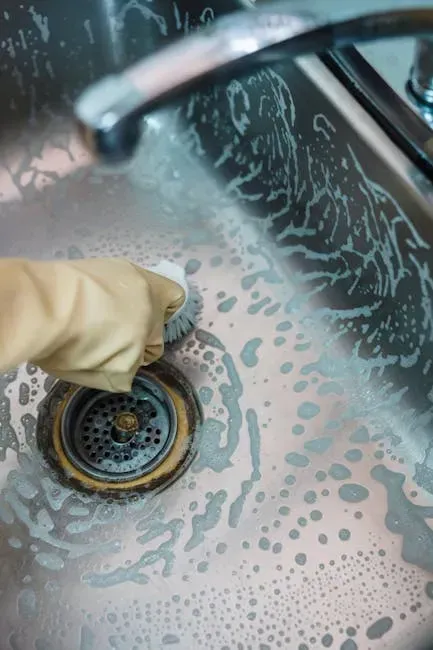
9. Never Scheduling Routine Drain Maintenance (Image Credits: Pexels)
Most people only think about their drains when something is already wrong. That’s a bit like only visiting the dentist when you have a toothache. By the time you notice a problem, the damage has usually been compounding quietly for a long time. Preventive maintenance is the habit that protects everything else.
By understanding and preventing common plumbing challenges, you can ensure reliable and efficient water flow in your home. Regular inspections, timely repairs, and proper usage habits can save you time, money, and stress in the long run. Having your drains professionally cleaned can prevent clogs and slow drainage issues, while scheduling a camera inspection of your sewer lines can identify any blockages or damage before they become serious problems. Honestly, one annual drain check-up could save you thousands in emergency repair bills over the lifetime of your home.
The nine habits above are so common precisely because none of them feel dangerous in the moment. Pouring a little grease, flushing one wipe, skipping a yearly inspection – each act seems trivial. The real damage comes from repetition, from doing the same thing hundreds of times without realizing what’s quietly building up inside your pipes.
Small changes in daily behavior make a real difference. Swap chemical cleaners for natural alternatives. Put a hair catcher on every shower drain. Toss grease in the trash. These are minor adjustments that cost almost nothing and can protect your plumbing for years. Which of these habits surprised you most? Drop a comment and let us know.