
has never existed in a vacuum. Rooms absorb the cultures, histories, and values of the people who occupy them, and today that conversation is happening on a genuinely global scale. With social media accelerating the exchange of ideas across continents, the global landscape of is undergoing a profound transformation, driven by a post-pandemic shift in values, technological advancement, and a growing desire for self-expression.
What makes the current moment particularly interesting is how many distinct traditions are influencing mainstream spaces at the same time. The era of a single dominant style is over. The future is defined by diversity, personalization, and smart functionality. From East Asia to Latin America, from North Africa to Scandinavia, eight global design currents are shaping the rooms we live in right now.
1. Japanese Wabi-Sabi: The Beauty of Imperfection
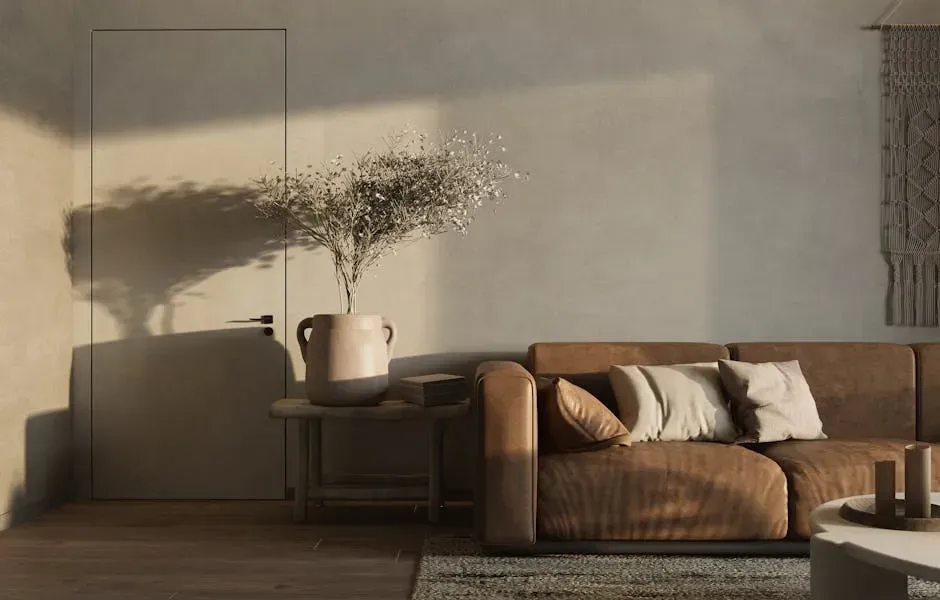
1. Japanese Wabi-Sabi: The Beauty of Imperfection (Image Credits: Pexels)
Wabi-sabi interior design embraces the philosophy of finding beauty in imperfection and impermanence. Rooted in the Japanese aesthetic, this design approach values natural materials, organic shapes, and the passage of time. Instead of striving for perfection, wabi-sabi interiors celebrate the uniqueness of worn textures, asymmetry, and the subtle elegance that comes with age. It is less a decoration style and more a quiet argument against disposability.
Originating from tea ceremonies in sixteenth-century Japan, wabi-sabi is a worldview that emphasizes simplicity, natural materials, and the beauty of imperfection. It was popularized by tea master Sen no Rikyu, who believed that the essence of the tea ceremony was not in the tea itself, but in the atmosphere created by the tea room and the objects within it. Today, wabi-sabi has become a global trend, embraced by designers and artists around the world. Its influence can be seen in everything from interior design to fashion to literature, and its timeless principles continue to inspire people to find beauty in imperfection and simplicity.
2. Scandinavian Hygge: Coziness as a Design Principle
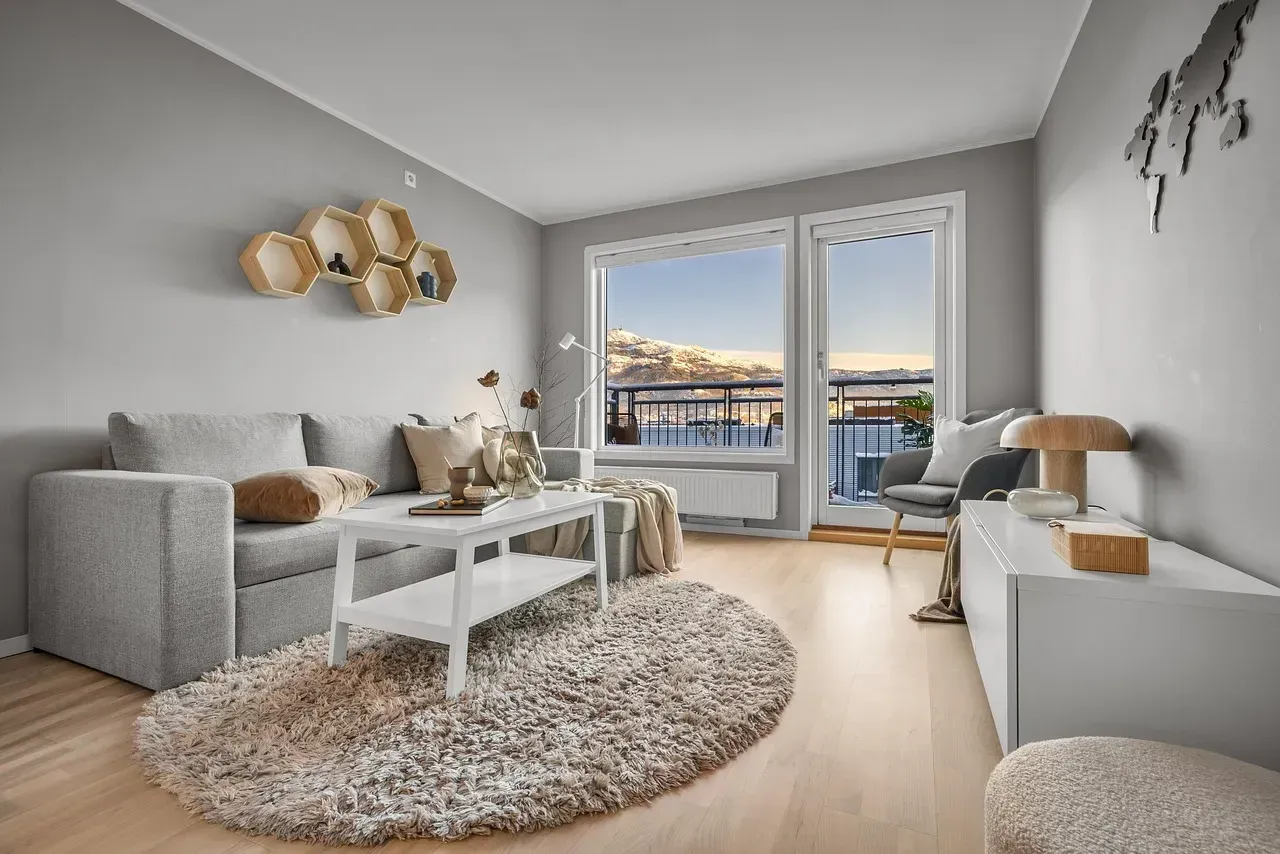
2. Scandinavian Hygge: Coziness as a Design Principle (Image Credits: Pixabay)
From northern Europe comes an influential design philosophy that has captured global imagination: the Danish concept of hygge. Hygge-inspired interiors embrace a cozy, comfortable aesthetic featuring soft textures, warm lighting from numerous candles, and an abundance of comfortable textiles like knitted blankets and pillows. It is a philosophy that values how a room feels over how it photographs.
Scandinavian design comes from Denmark, Norway, and Sweden. Though there are differences between individual countries, they share many similarities with each other and, curiously, with Japanese design. What we now call Scandinavian design originated in the mid-twentieth century and was called Functionalism. It emphasizes ease of use, craftsmanship, and a sense of timelessness, both in aesthetics and durability. That long winter logic of making interiors genuinely comfortable still resonates deeply with homeowners across the world.
3. Japandi: When East Meets North
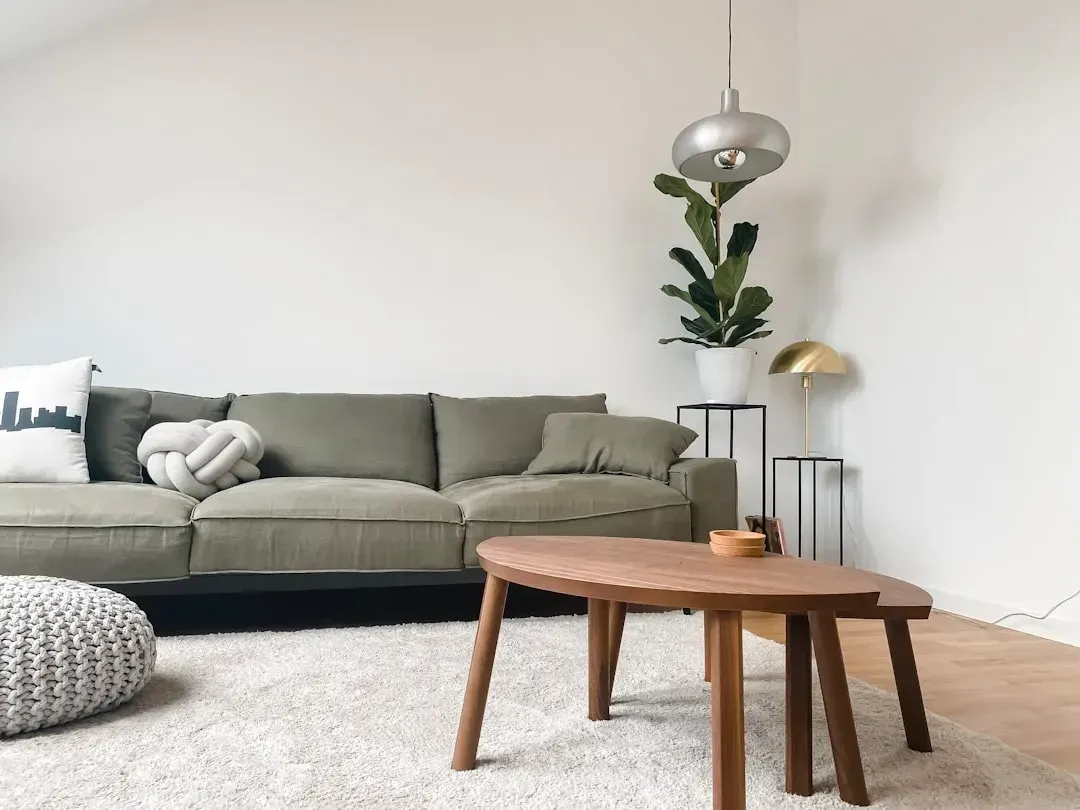
3. Japandi: When East Meets North (Image Credits: Unsplash)
Japandi style is a harmonious blend of Japanese and Scandinavian design principles, creating a unique aesthetic that celebrates simplicity, functionality, and natural beauty. At its core, Japandi combines the Japanese concept of wabi-sabi, which appreciates imperfection and the beauty of natural aging, with the Scandinavian idea of hygge, emphasizing coziness and comfort. The result sits somewhere between restraint and warmth, a difficult balance that few styles manage this naturally.
The roots of Japandi design trace back about 150 years, when Scandinavian travelers first explored Japan as the country opened its borders to the world. Both cultures embraced core values like simplicity, craftsmanship, and a deep respect for natural materials, sparking a creative exchange that blended East and West in a harmonious design language. Over time, this fusion has blossomed into a distinct style celebrated for its balance of minimalism and warmth. Demand for minimalist aesthetics in the home rose sharply in 2025 as homeowners sought restorative décor after years of overstimulation. Japandi decor trends now dominate magazines and high-traffic Pinterest boards.
4. Moroccan Craft Traditions: Layered, Sensory, and Storied
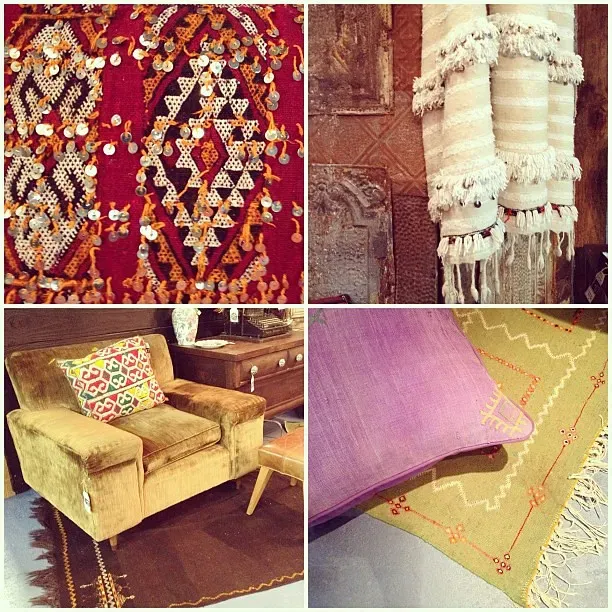
4. Moroccan Craft Traditions: Layered, Sensory, and Storied (Paris on Ponce & Le Maison Rouge, Flickr, <a href="https://creativecommons.org/licenses/by/2.0/" target="_blank" rel="noopener">CC BY 2.0</a>)
Moroccan interiors are known for intricate patterns, rich colors, and ornate lanterns. When combined with bohemian aesthetics, they create a cozy, artistic space featuring layered textiles, handwoven rugs, and carved wood furniture. What distinguishes Moroccan design from trend-driven maximalism is that every pattern carries a history. Nothing is decorative for decoration’s sake alone.
Moroccan style is perhaps one of the best examples of just how unique regional variants of Middle Eastern style can be, and how effective such interiors are at integrating foreign motifs. It is an eclectic blend of Arabian, Berber, Spanish, French, and Flemish design cues that make for a very textured and beautiful design. Leaning into cultural influences is strong this year. Designers are incorporating textiles, patterns, and materials from Africa, Asia, Europe, and Latin America. Handcrafted pieces like Indian block prints, Moroccan rugs, and African woven baskets add authenticity and depth to spaces.
5. Mediterranean Warmth: Sun-Baked Palettes and Artisan Materials
5. Mediterranean Warmth: Sun-Baked Palettes and Artisan Materials (Image Credits: Pixabay)
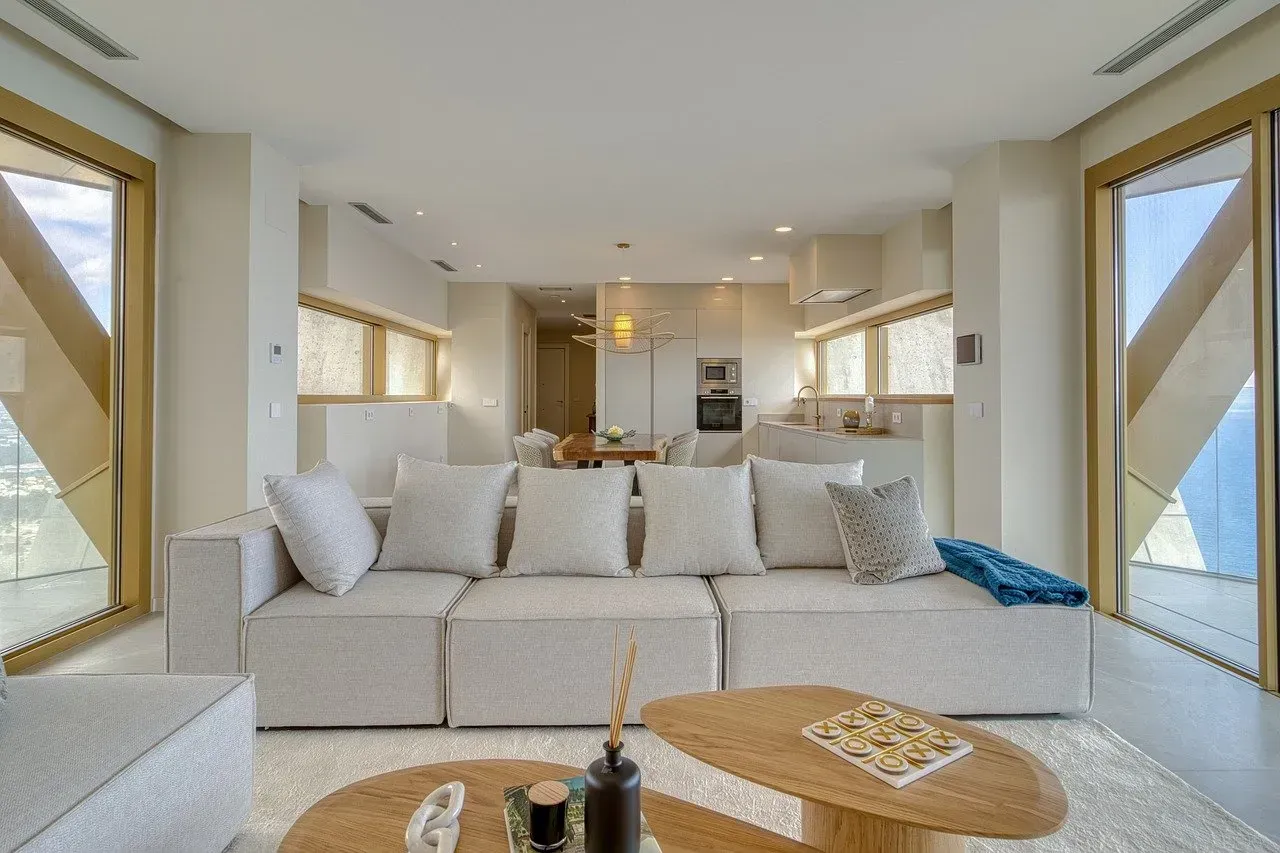
Mediterranean design, influenced by Spanish, Greek, and Italian styles, brings warmth to interiors with terracotta tiles, rustic wood, and vibrant ceramics. This style pairs well with modern open-plan spaces, creating a relaxed yet elegant ambiance. There is something fundamentally lived-in about a Mediterranean room that sterile minimalism has always struggled to replicate.
The indoor-outdoor connection is particularly important in Mediterranean design, with interiors that flow naturally into courtyards and terraces, responding to the region’s favorable climate and cultural emphasis on outdoor living. This approach has influenced contemporary sustainable design practices that prioritize passive cooling and natural ventilation. Decorative elements throughout the Mediterranean region reflect the area’s position as a historical crossroads, with Moorish patterns in Spanish design, Byzantine influences in Greek interiors, and North African elements in Italian spaces demonstrating centuries of cultural exchange.
6. Middle Eastern Opulence: Heritage, Pattern, and Sensory Richness
6. Middle Eastern Opulence: Heritage, Pattern, and Sensory Richness (Image Credits: Pexels)
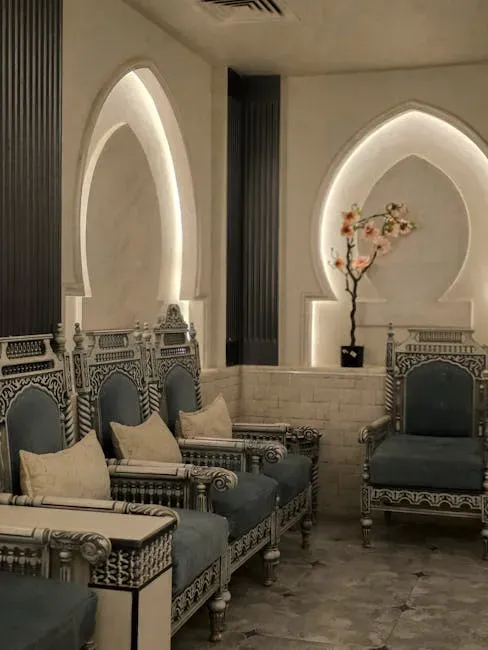
The architectural heritage of the Middle East, from ornate Islamic patterns and calligraphy to bold archways and domes, is being reinterpreted in modern design. Contemporary materials and techniques are combined with traditional motifs, resulting in spaces that feel both timeless and innovative. Cities like Dubai and Riyadh are rapidly becoming global design capitals, exporting an aesthetic vocabulary that blends the ancient with the ultra-modern.
The impact of Arabic architecture on modern design is undeniable. Elements such as ornate patterns, warm color schemes, and luxurious materials bring a sense of history and artistry. As the Middle East continues to grow as a global hub, its architectural and design landscape is also evolving. Future designs combine cultural heritage with modern luxury to achieve an aesthetic appeal, preserving the essence of Middle Eastern culture. Artisanal crafts such as mosaic tiling and intricate woodwork are prominently integrated with modern design techniques, bridging the gap between old and new, and setting a foundation for a dynamic approach to cultural expression in architecture and interiors.
7. Latin American Modernism: Organic Forms and Archival Boldness
7. Latin American Modernism: Organic Forms and Archival Boldness (Image Credits: Unsplash)
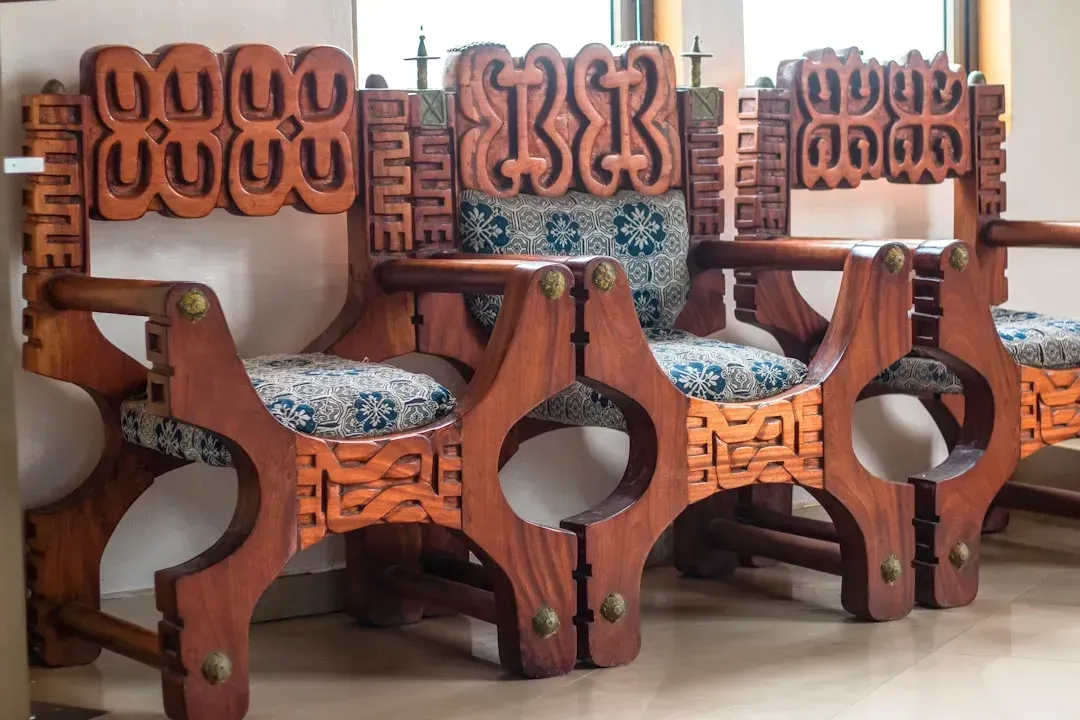
One of the big questions in design right now is how the future will unfold, but designers seem certain that even as powerful technology plays a larger role in our lives, homes will go in the opposite direction, becoming refuges that support connection with one another. Latin American design fits that instinct precisely, offering warmth and sculptural expressiveness that digital aesthetics simply cannot provide.
Growing interest in archival Brazilian furniture is shaping contemporary interiors. The shapes and materials serve as a counter to the minimal, white and gray look that has been dominant this decade. Local culture, architecture, food, and fashion shape tastes, values, and beliefs as we age. In a world with ever-changing surroundings, designing with origin in mind creates a stronger emotional connection and embraces the richness of heritage. Latin American designers have long understood this, building furniture and spaces that feel rooted rather than fashionable.
8. Biophilic Design: A Global Response to Nature's Call
8. Biophilic Design: A Global Response to Nature's Call (Image Credits: Unsplash)
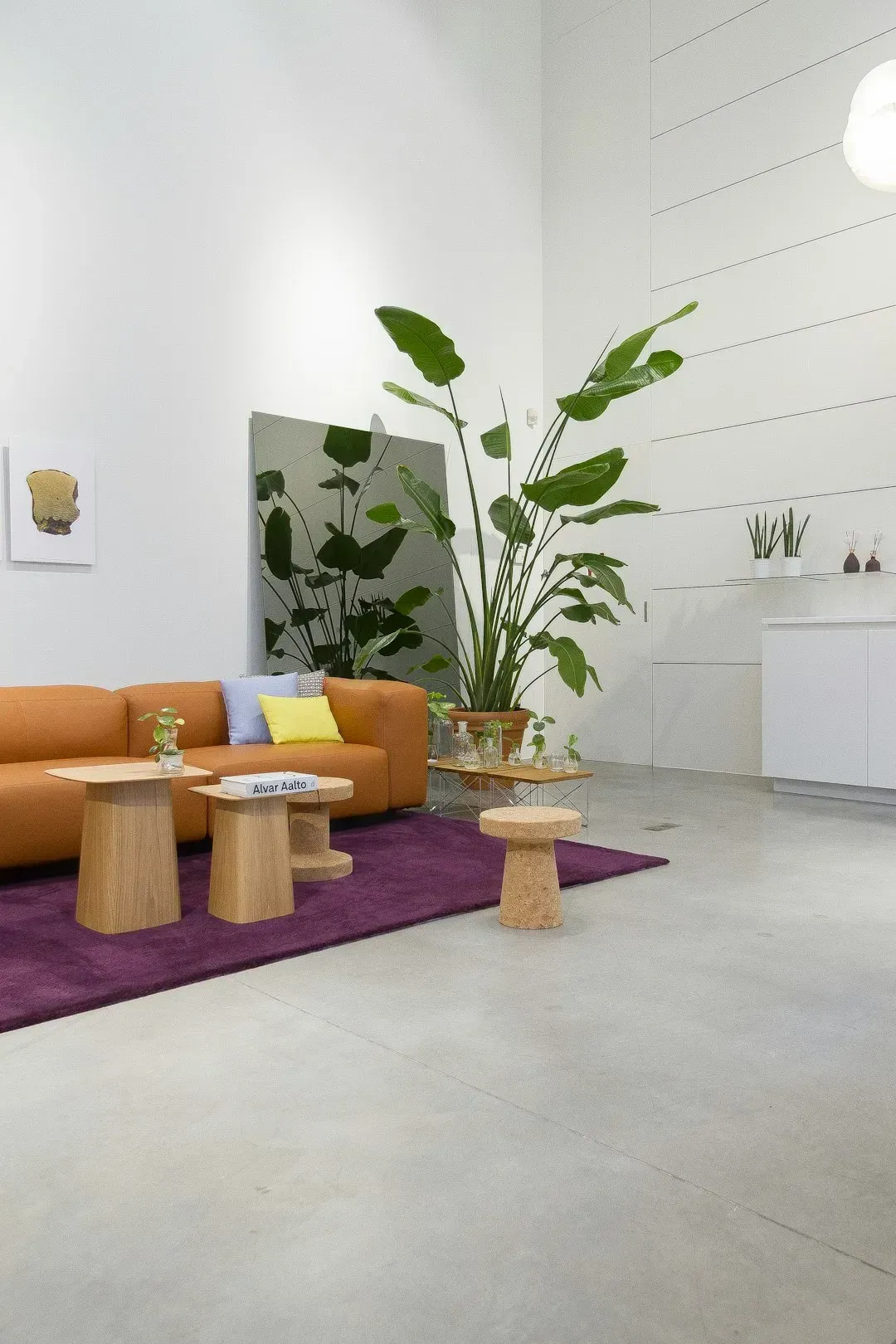
Biophilic design is not a passing trend. It is a cultural shift toward homes that nurture both people and the planet. One of the standout interior design trends right now is the growing popularity of biophilic home design. It is all about making your home feel more connected to the outdoors, even when inside. We are seeing more reclaimed wood, stone textures, built-in planters, skylights, and finishes like limewash that echo natural materials.
Environmental psychology and neuroscience show that nature-inspired spaces have measurable effects on mental and physical health. A 2025 neuropsychological study found that short-term exposure to biophilic indoor spaces reduces activity in the brain’s dorsolateral prefrontal cortex, signifying lower cognitive-emotional overload. Participants also reported less fatigue, anxiety, and depression. Going deeper than just plants in a corner, today’s homes integrate water features, living walls, and natural geometry with interior design principles that honor our human connection to nature. The science and the aesthetic have rarely aligned this well.
What ties all eight of these influences together is something deeper than aesthetics. Across global design movements, one message defines the current moment: authenticity matters more than aesthetics. Homes are no longer staged spaces. They are reflections of life, identity, and emotion. Whether that means a wabi-sabi ceramic bowl, a hand-knotted Moroccan rug, or a living wall in a city apartment, the most compelling interiors today borrow deliberately, honoring the cultures they draw from rather than simply mining them for style.