
Not every country measures success the same way. Some nations have spent decades quietly redesigning the relationship between employment and personal life, building systems where workers aren’t simply productive – they’re genuinely well. The result is a growing gap between places that treat rest, family time, and flexibility as policy priorities, and those that still treat them as optional perks.
The Global Life-Work Balance Index evaluates countries by factoring in variables like paid leave, sick pay, maternity benefits, minimum wage, healthcare access, work hours, safety, and LGBTQ+ inclusivity. These aren’t soft metrics. Taken together, they paint a clear picture of where governments are actually backing their citizens up. Below are eleven countries that have made the most compelling case for what work-life balance can look like when it’s treated as a right, not a reward.
1. New Zealand

1. New Zealand (Image Credits: Pixabay)
New Zealand was crowned the best country for life-work balance for the third year in a row, improving on its score in 2024, thanks in part to a slight jump in minimum wage. Workers there can enjoy 32 days of paid leave, six months of fully paid maternity leave, and one of the world’s highest minimum wages. The combination of strong legislation and a culture that genuinely values personal time makes this more than just a statistical win.
The country’s consistent top ranking reflects policies that ensure ample annual leave, robust public safety, high-quality healthcare, and an overall sense of collective contentment. Coupled with one of the world’s highest minimum wages, New Zealand has cultivated an environment where professional pursuit enhances, rather than eclipses, personal fulfillment. Hard work is valued in New Zealand, but so is the understanding that life happens outside office hours.
2. Ireland
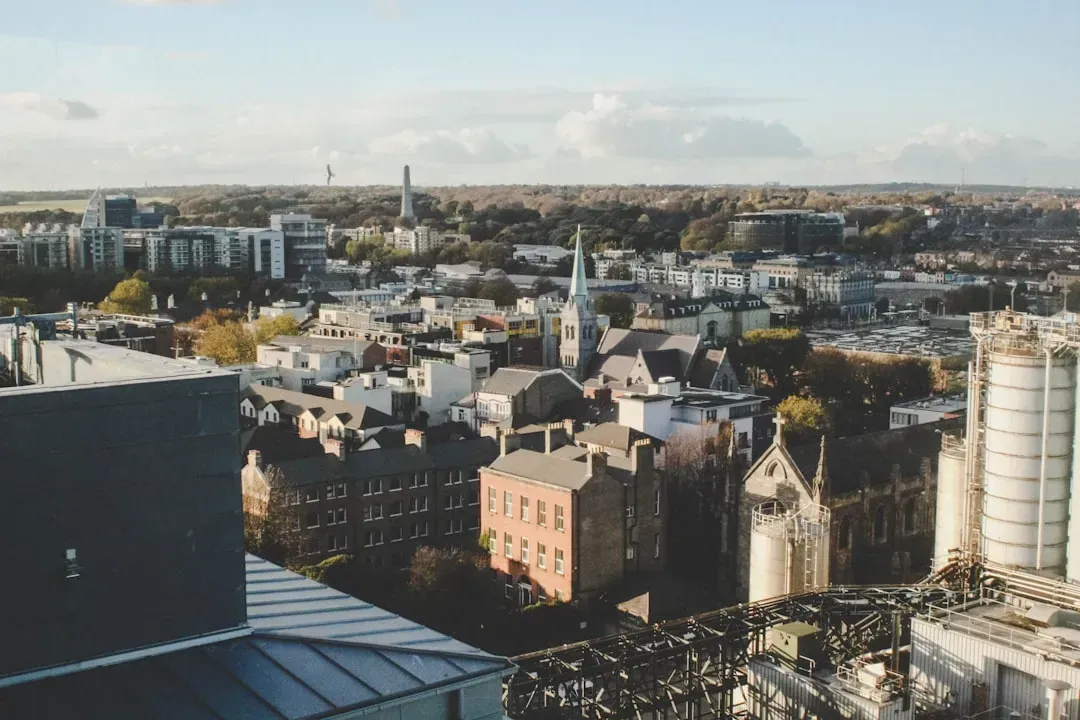
2. Ireland (Image Credits: Unsplash)
Following behind New Zealand, Ireland recorded an 81.17 rating, helped by its relatively high minimum wage and generous maternity leave policy. The Emerald Isle has secured second place, with its ascent attributed to significant strides in social infrastructure and progressive policies, particularly concerning public safety, happiness, and workplace inclusivity for LGBTQ+ individuals.
Its generous annual leave and burgeoning flexible work culture have made it a magnet for talent, especially in high-demand sectors like technology and finance, where the value of a balanced life is increasingly recognized as non-negotiable. Ireland’s rise up the rankings has been steady and deliberate, shaped by real legislative commitment rather than cultural reputation alone.
3. Belgium
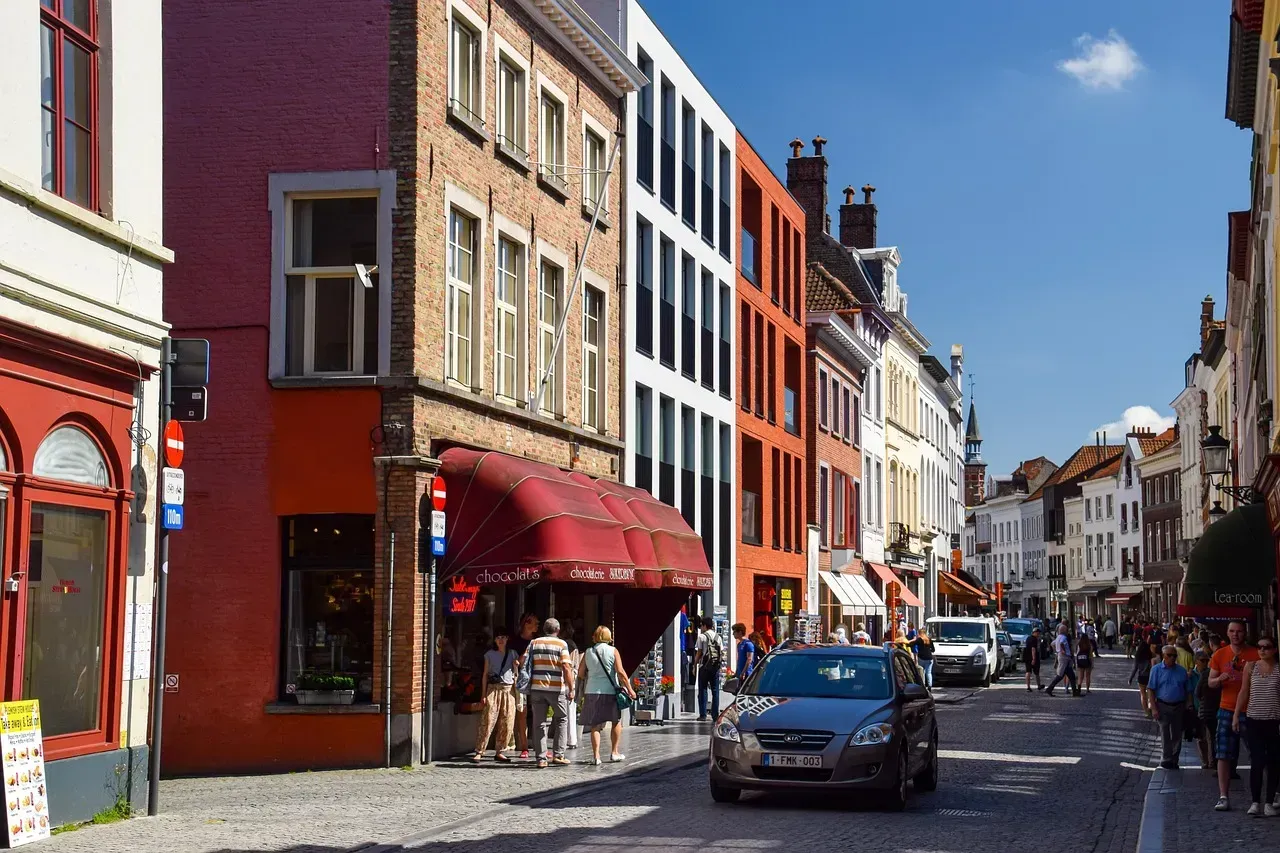
3. Belgium (Image Credits: Pixabay)
Life-work balance is becoming just as much a hallmark of Belgian culture as chocolate, waffles, and beer – and not just because it has one of the highest minimum wages in Europe. Belgium scored 75.91, bolstered by its sick pay and maternity-payment rate, and also had one of the highest happiness rates in Europe, along with shorter work weeks averaging 34.1 hours.
Belgium’s robust social welfare system and progressive labor laws offer some of Europe’s most generous paid maternity and paternity leave provisions. Beyond the workplace, Belgium’s commitment to public safety, universal healthcare, and initiatives supporting affordable childcare and mental health services underscore a holistic understanding of what it means to live well. It’s a country where the social contract still feels intact.
4. Germany

4. Germany (Image Credits: Pexels)
Rising two places from the 2024 ranking, Germany climbs to position four. Punctuality and professionalism are traditionally seen as “German values,” but there’s also a strong emphasis on working smarter, not harder, which is perhaps one of the reasons Germany is considered to have one of the best life-work balances in Europe. Germans boast the shortest annual working hours among major economies, at 1,331 hours per year, giving them plenty of time for leisure.
Several factors have contributed to Germany’s improved score in 2025, including an increase in statutory sick pay, especially for parents. There has also been a slight increase in overall happiness and a decrease in the average hours worked per week, while the country’s LGBTQ+ inclusivity has improved. Annual leave is legally mandated at a minimum of 20 days, but most employers give their workers up to six weeks off a year.
5. Norway

5. Norway (Image Credits: Unsplash)
Norway was named the leader by the OECD in terms of work-life balance. Citizens benefit from excellent parental leave, flexible working hours, paid overtime, and attractive vacation benefits. Employees in Norway enjoy generous paid leave entitlements, including 25 days of paid annual leave and one year of parental leave for each parent and each childbirth.
In Norway, only about one and a half percent of employees work very long hours, while spending about 15.7 hours of the day on personal care and leisure. Norway has a strong culture of flexible working hours, allowing employees to manage their time more effectively. Many workplaces offer flexitime, which lets employees start and end their workday at different times, as long as they complete their weekly hours. That kind of structural flexibility tends to matter more in daily life than any single policy.
6. Denmark

6. Denmark (Image Credits: Pixabay)
The Danes have long been associated with a harmonious personal-professional divide. Many point to Denmark’s strong emphasis on balancing work and life as a key reason it consistently ranks among the world’s happiest nations – although the Danes’ fondness for the hygge lifestyle may also be a factor. Denmark also has one of the shortest average working weeks, at just 32.5 hours, and is considered one of the safest and most LGBTQ+-friendly countries.
Only one percent of employees in Denmark work very long hours, which is far lower than the OECD average of ten percent. Danish Flexjobs were introduced to accommodate employees who work at a different pace or need shorter hours. Under these agreements, employers pay their workers based on the effective work done, while maintaining the same pension contributions. It’s a practical solution to the very real problem of one-size-fits-all employment.
7. Sweden
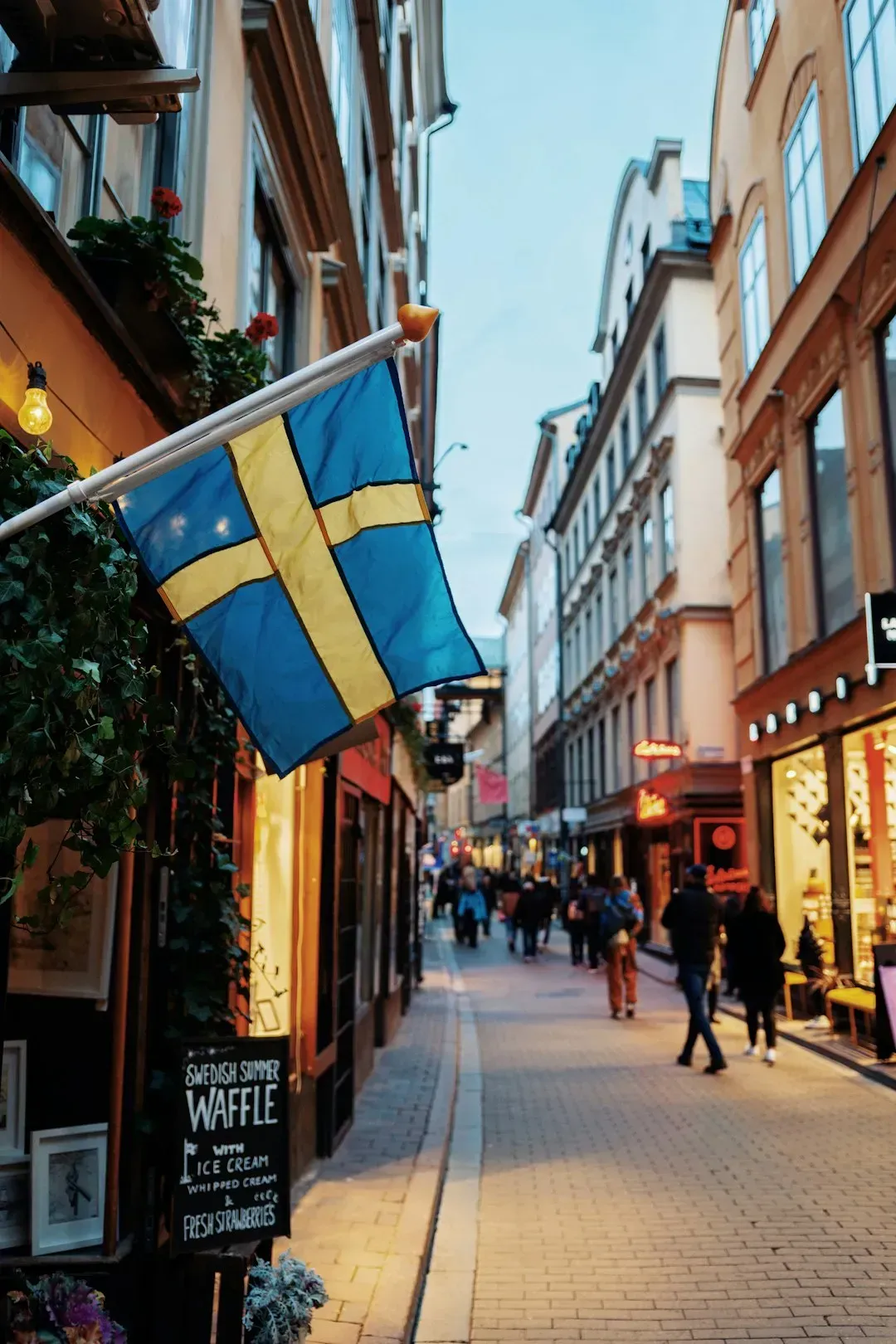
7. Sweden (Image Credits: Unsplash)
Employees in Sweden work around 1,441 hours per year on average, which is about eighteen percent less than the OECD average, while the country’s productivity compares well with that of other EU countries. The Swedish parental insurance entitles parents to 480 days of paid parental leave when a child is born or adopted, with each parent entitled to 240 of those days. That number remains one of the most generous in the world.
Many employers in Sweden offer informal coffee breaks, known as “fika,” which are considered an essential part of Swedish work culture. The Swedish culture also places a strong emphasis on workplace equality, with both men and women sharing equal family and work responsibilities, contributing to a healthier work-life balance for everyone. The fika tradition might seem small, but it signals something larger: that pausing together is considered productive, not wasteful.
8. Finland

8. Finland (Image Credits: Unsplash)
Finland takes the top spot in several work quality rankings, achieving an impressive score. Finnish full-time workers enjoy a well-balanced daily routine, with a relatively short work schedule compared to other countries. The reigning happiest country in the world according to the World Happiness Report, Finland has offered flexible working policies to its workers for almost three decades.
Parental leave in Finland lasts for 320 working days, approximately 13 months. If the child has two parents, both of them are entitled to 160 working days of leave. According to the World Happiness Report 2024, Finland has led the happiness rankings for the last seven years. There’s a quiet consistency to Finland’s approach – not flashy, but deeply embedded in how everyday life is structured.
9. The Netherlands

9. The Netherlands (Image Credits: Pexels)
The Netherlands offers one of the best work-life balances in the world. New parents can expect generous maternity pay benefits, and the overall quality of life is consistently high. The Netherlands is one of the countries with the shortest working hours, with an average workweek of approximately 29 hours. This approach promotes part-time work without career setbacks.
Overtime is not a widespread practice in the Netherlands, as employers are conscious of maintaining work-life balance. When overtime is required, it is either compensated with additional pay or time off, as per labour agreements. The Netherlands is ranked sixth among 143 countries as one of the happiest, according to the World Happiness Report 2024. That ranking isn’t incidental – it’s the downstream effect of years of practical, employee-first policy.
10. Iceland

10. Iceland (Image Credits: Unsplash)
Between 2015 and 2019, two large trials were performed in Iceland where public sector employees worked 35 to 36 hours per week without a reduction in pay. With 2,500 participants representing more than one percent of the country’s working population at the time, the goal was to maintain or increase productivity while improving work-life balance. Data revealed that productivity stayed the same or heightened in most employee environments, while employee well-being increased dramatically on certain measures, ranging from stress and burnout to health and work-life balance.
More than five years later, the results are unequivocal: nearly 90% of the active workforce enjoys reduced hours, allowing for a more balanced lifestyle. In 2023, Iceland’s economy expanded by five percent, a growth rate second only to that of Malta among rich European economies, according to the International Monetary Fund. Iceland’s experience has become one of the clearest real-world proofs that shorter hours and strong economies are not in conflict.