
Something fundamental is shifting in how people across the world think about being well. It’s no longer just a matter of eating right or getting enough sleep. The conversation has expanded into neuroscience, urban design, the quality of your social life, the climate outside your window, and even the way your home is built. The data behind this shift is striking: the wellness economy has doubled in size since 2013 and reached a new peak of $6.8 trillion in 2024.
Yet not everything is new. Some anchors of well-being – connection, purpose, sleep, physical movement, and economic security – have held steady across cultures and generations, stubbornly resistant to disruption. Understanding both the change and the continuity might be the most useful lens available for navigating the wellness landscape in 2026 and beyond.
1. Longevity Has Moved From Niche Biohacking to a Mainstream Lifestyle

1. Longevity Has Moved From Niche Biohacking to a Mainstream Lifestyle (Image Credits: Unsplash)
Longer lifespans are no longer the goal – better lifespans are. In 2026, longevity has shifted from a niche biohacking pursuit to an accessible, lifestyle-driven movement centered on living with clarity, purpose, and functional health. The conversation has moved from the supplement stack to daily habits: sleep rituals, strength training, metabolic flexibility, and community connection.
Respondents in a 2026 Life Time Wellness Survey identified longevity as the wellness trend most likely to define the year, cited by over a third of those surveyed. The concept of “anti-aging” is rapidly losing relevance among adults over 50, replaced by a functional longevity mindset that prioritizes strength, mobility, cognitive clarity, and independence over youthful appearance. Rather than seeking to track biological versus chronological age, older adults are increasingly focused on preserving the physical and mental capacities that enable them to live autonomously and with purpose.
2. Mental Wellness Is Now the Second-Fastest Growing Sector Globally

2. Mental Wellness Is Now the Second-Fastest Growing Sector Globally (Image Credits: Unsplash)
Mental wellness grew at an annual rate of roughly twelve percent from 2019 to 2024, as people face increasingly immense stresses, and because for younger generations, mental wellbeing is non-negotiable. The scale in certain markets is remarkable. The US mental wellness market, valued at $125 billion, dwarfs all other countries, with China a distant second.
In 2026, emotional wellness is no longer just reactive – stress relief or therapy – it is proactive, preventive, and treated like physical fitness. Breathwork, mind-body practices that surround nervous system regulation, resilience, and emotional balance are all gaining ground. Despite the wellness sector’s growth over the past several years, consumers report that some of their wellness needs – including cognitive health, mindfulness and mental health, and longevity – remain unmet. Younger consumers, particularly Gen Z, report feeling these gaps more strongly than other age groups.
3. Wellness Real Estate Has Become the Fastest-Growing Sector of All
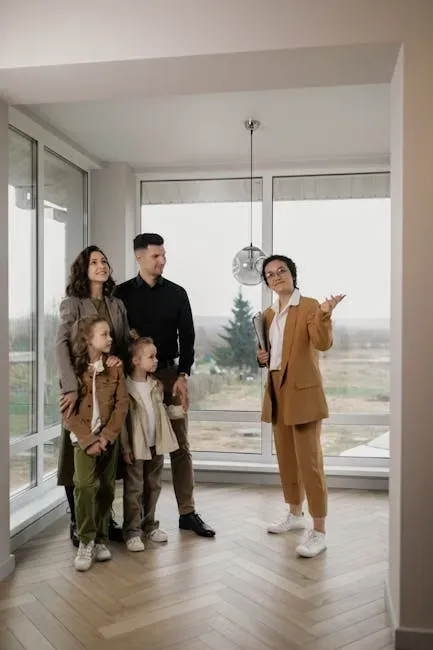
3. Wellness Real Estate Has Become the Fastest-Growing Sector of All (Image Credits: Pexels)
Wellness real estate has been by far the fastest-growing market in the eleven-sector global wellness economy, doubling from $225 billion in 2019 to $548 billion in 2024. To put that nearly twenty percent annual growth rate in perspective, overall global construction growth was only five and a half percent. People are no longer just looking for a home – they’re looking for an environment designed to support their health.
The Global Wellness Institute projects continued fifteen percent annual growth over the next five years, with the market reaching $1.1 trillion by 2029. Projects are increasingly embracing a more holistic concept of wellness, tackling mental, social, and civic wellbeing. The residential market is also finally moving beyond luxury to more affordable co-living and build-to-rent models. That last point matters: wellness-designed spaces are slowly becoming a mainstream expectation, not just a premium privilege.
4. Personalized Nutrition Is Replacing One-Size-Fits-All Dietary Advice

4. Personalized Nutrition Is Replacing One-Size-Fits-All Dietary Advice (Image Credits: Unsplash)
There is growing awareness of bio-individuality and a “no one-size-fits-all” approach to nutrition. Studies have shown that factors like genetics, metabolism, and gut health all play into the ideal diet. Shoppers who once compared organic and conventional options are now seeking foods that align with their personal needs, such as metabolic health or gut harmony.
Diet is adapting to the growing influence of metabolic health and GLP-1 support, shifting eating habits toward nutrient-dense, fiber-rich, protein-forward foods that fit real life. People are upgrading annual bloodwork to include advanced panels that track hormones, inflammation, metabolomics, and biological age, making precision nutrition and data-driven eating plans increasingly common. The goal, increasingly, is not just eating healthily but eating specifically.
5. The "Festivalization of Wellness" Is Reshaping How People Join In

5. The "Festivalization of Wellness" Is Reshaping How People Join In (Image Credits: Pixabay)
A new wave of group wellness events is reshaping the global wellness landscape, marking the rise of the “festivalization of wellness.” These gatherings respond to widespread economic stress, social fragmentation, and digital overload by prioritizing human connection, collective energy, and emotional release. Wellness raves, sober morning dance events, and multi-day immersions are among the formats gaining popularity.
Inspired by festival and rave culture, these events reframe wellbeing as experiential, social, and identity-driven rather than prescriptive or perfection-oriented. They emphasize participation over performance and lower barriers to entry by creating judgment-free spaces. From Ibiza and Mexico to London, Seoul, and Singapore, these events help participants find community and build healthier habits through joy rather than discipline.
6. Wearables and AI Are Merging Into Deeply Personalized Health Tools
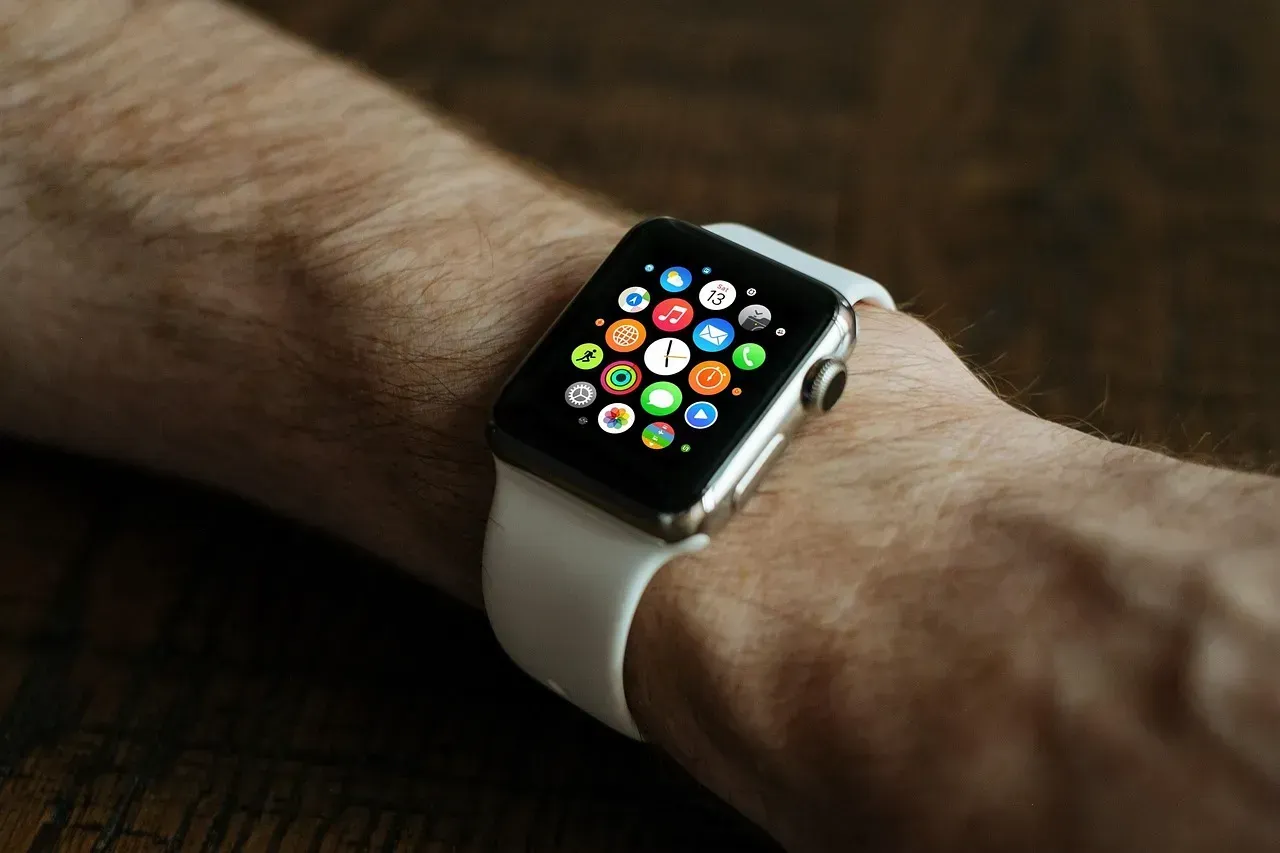
6. Wearables and AI Are Merging Into Deeply Personalized Health Tools (Image Credits: Pixabay)
Wearables are getting more advanced, combining biometric data – sleep, heart rate variability, recovery readiness – with AI-generated fitness plans, making workouts more tailored, responsive, and efficient. This mirrors the 2025 shift toward AI and wellness and shows no signs of slowing. The technology has moved well beyond step-counting into something closer to continuous personal health monitoring.
2026 marks a turning point for personalized wellness, thanks to AI-driven analytics, at-home biomarker tests, and devices that track more than just steps or sleep. The frontier of this trend is predictive rather than reactive: AI-driven systems can identify early signals of decline – changes in gait, sleep, or routines – allowing for earlier, less invasive intervention. This is a genuinely different relationship with health data than anything that existed a decade ago.
7. Women's Healthspan Is Finally Getting Its Own Longevity Framework

7. Women's Healthspan Is Finally Getting Its Own Longevity Framework (Image Credits: Unsplash)
Research is mounting that women age fundamentally differently, that the ovary functions as a kind of command-central for women’s health, and its decline dramatically accelerates systemic aging, leading to a cascade of conditions that women suffer more and longer. In 2026, longevity pivots to women’s healthspan, moving beyond managing menopause symptoms to addressing ovarian aging itself, with interventions tailored to women at every life stage.
This requires a new longevity paradigm: interventions tailored to women across every decade, from their twenties to their nineties, with ovarian aging tests becoming a new vital sign. Essentially every wellness market – wellness resorts, longevity clinics, telehealth platforms, wearables, diagnostics, and gyms – is now pivoting from treating menopause to more serious whole-life, medical-wellness longevity programs for women. The change in both science and culture is still early but gathering speed quickly.
8. The Over-Optimization Backlash Is Pushing Back Against Wellness as Performance

8. The Over-Optimization Backlash Is Pushing Back Against Wellness as Performance (Image Credits: Pixabay)
We are living through a modern wellbeing paradox: never before has health been so measurable, and never before has it felt so psychologically demanding. Sleep is scored, glucose is graphed, aging is tracked, and wellbeing has shifted from something we feel to something we perform correctly. That pressure has started producing a visible counter-movement.
Therapists warn that data-driven wellness can tip from motivation into fixation, turning insight into pressure. As health data multiplies, many experience analysis paralysis rather than clarity, overwhelmed by constant self-tracking and fear of getting it wrong. Humans are sensory, relational, and non-linear – and while optimization can fine-tune performance, it cannot replace agency, intuition, or emotional coherence. What is emerging now is a recalibration: a shift toward regulation over results, sensation over scores, and wellbeing measured by how fully alive we feel. In 2026, the next phase of wellness moves beyond performance, towards emotional repair, nervous-system safety, and embodied care.
9. Social Connection Is Being Recognized as a Health Metric

9. Social Connection Is Being Recognized as a Health Metric (Image Credits: Unsplash)
Social isolation is now recognized as a modifiable risk factor for premature mortality, comparable to traditional predictors such as smoking. According to the 2025 World Happiness Report, sharing meals proves to be an exceptionally strong indicator of subjective wellbeing, on par with income and unemployment. Those who share more meals with others report significantly higher levels of life satisfaction and positive affect.
Social connection is emerging as one of the most influential predictors of long-term health, equal to sleep, nutrition, and movement. After years of digital communication and fragmented routines, people are intentionally rebuilding community in ways that feel grounding and real. Neighborhood fitness groups, hobby-based meetups, communal dining experiences, and purpose-driven wellness clubs are becoming essential parts of modern life. The wellness industry is beginning to design around this, not just acknowledge it.
10. Wellness Tourism Has Become a Mainstream Travel Priority
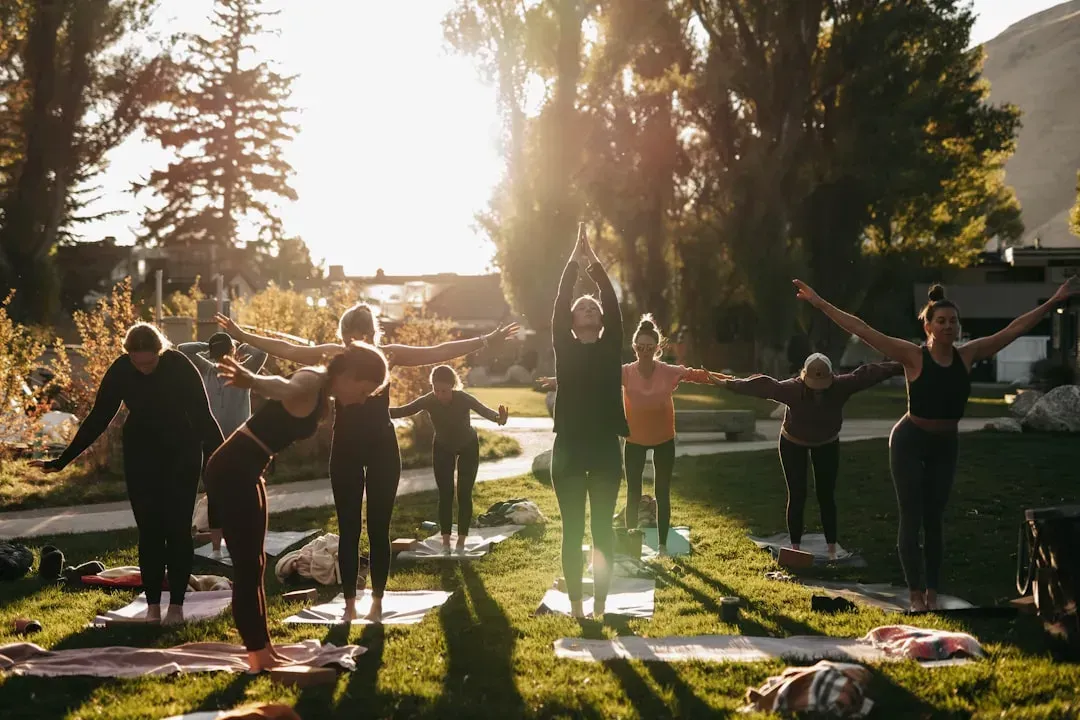
10. Wellness Tourism Has Become a Mainstream Travel Priority (Image Credits: Unsplash)
Demand for in-person services – spanning boutique fitness, wellness retreats, and IV treatments – has continued to rise as consumers prioritize experiences. Across all surveyed markets, consumers reported purchasing more in-person services compared with the prior year, and this trend is expected to continue. Travel is increasingly being booked around health outcomes rather than sightseeing.
More than half of in-person service purchasers in the United States reported traveling two or more hours for wellness retreats, and close to half reported traveling that same distance for thermal therapies or yoga classes. Nearly sixty percent of consumers who traveled for health and wellness treatments in 2024 also said they expect to travel for these treatments in the coming year. Wellness tourism is projected to see powerful annual growth of over nine percent through 2029.
What Hasn't Changed: 5 Pillars That Remain

What Hasn't Changed: 5 Pillars That Remain (Image Credits: Pixabay)
Despite all the transformation, certain fundamentals of well-being have proven remarkably durable. Sleep remains a non-negotiable foundation. Nearly sixty-nine percent of survey respondents said they would pick consistently getting eight hours of sleep over eating unlimited snacks without weight gain – a small data point that speaks volumes about how central rest has become to how people think about their health.
Physical movement, in one form or another, holds its ground. There has been a plethora of published research in the last three years reviewing the positive effects of exercise on mental health, from yoga on people with schizophrenia, to sleep quality improvement, to alleviating alcohol dependence. There is also persistent evidence that physical exercise improves depression and anxiety symptoms. Translating all this evidence into clinical practice and wellness environments remains a priority for long-term impact.
Purpose and meaning continue to anchor well-being across every culture studied. High wellbeing does not arise from a single model but from different combinations of supportive institutions, social conditions, and economic resources. The Nordic cluster illustrates how sustained investment in welfare systems and strong public trust can reinforce national wellbeing over time. Institutions matter as much as individual behavior.
Health traditionalists – older consumers who care about health and wellness but prioritize simplicity and practicality – make up roughly one in five wellness consumers. Their focus remains on eating healthfully, taking vitamins and supplements, and maintaining an exercise regimen; they are less open to experimentation or novel technologies. Their presence in the market is a reminder that not every consumer is chasing the next innovation.
Subjective well-being – the ways that people experience and think about their lives – remains an essential complement to objective measures of economic and social progress. These data can yield policy-relevant insights when collected and analyzed in a rigorous manner. Governments and researchers are still measuring well-being through the same core human questions they have used for decades, because the answers haven’t become outdated. Across all the new tools, platforms, and frameworks emerging in 2026, the most stable predictors of a good life remain stubbornly human: rest, movement, connection, purpose, and a community worth belonging to.