
Parenting has always been one of those things where everyone has an opinion, and yet nobody really has all the answers. What works brilliantly for one family can be a complete disaster for another. That tension has never been more visible than right now, in 2026, when a wave of popular trends that parents embraced with genuine enthusiasm are being questioned, softened, or outright challenged by the very experts who once championed them.
From helicopter hovering to social media oversharing, the landscape is shifting fast. Some of these reversals are surprising. Others feel long overdue. Either way, if you’ve been following parenting trends closely over the past few years, buckle up – because quite a few assumptions are getting a serious second look. Let’s dive in.
1. Gentle Parenting – When Empathy Tips Into Exhaustion

1. Gentle Parenting – When Empathy Tips Into Exhaustion (Image Credits: Pexels)
Millennials have redefined modern child-rearing with a softer, more empathetic approach, tossing out the old-school "because I said so" in favor of connection and collaboration, focusing on psychology and emotional well-being. For a while, that felt revolutionary. Honestly, in many ways it still is. The problem crept in quietly, mostly through social media, where "gentle" started looking a lot more like "no limits at all."
A peer-reviewed study published in the journal PLoS ONE found that roughly a third of parents who identified as "gentle parents" reported feelings of burnout and parent uncertainty. Part of the problem is that people confuse "gentle" with being overly permissive in every moment – an impossible standard that sets parents up for failure. This realization is leading to the emergence of a more "gentle-ish" or balanced approach – one that retains the foundational principles of empathy and understanding but also incorporates the necessity of clear boundaries and acknowledges that parental firmness is sometimes required for a child's development and safety.
2. Helicopter Parenting – The Research Verdict Is In

2. Helicopter Parenting – The Research Verdict Is In (Image Credits: Pexels)
There's a reason the helicopter parent metaphor stuck for decades – because the image is so painfully accurate. That constant hovering, managing every interaction, smoothing every bump in the road. I think most parents who do it genuinely believe they're helping. The research, though, is increasingly unambiguous.
Recent research suggests that while helicopter parenting often comes from a place of love and concern, it can have unintended consequences. A 2025 study by Leung and Cui found that adolescents who experienced highly controlling parenting reported lower satisfaction of their needs for autonomy and relatedness, along with higher levels of negative affect – meaning they were less happy and less emotionally resilient. A 2024 meta-analysis by Segrin and Flora concluded that over-involved parenting tends to limit autonomy-supportive development, whereas approaches that gradually encourage independence help young people build emotional and social maturity.
3. Sharenting – Cute Posts With Complicated Consequences
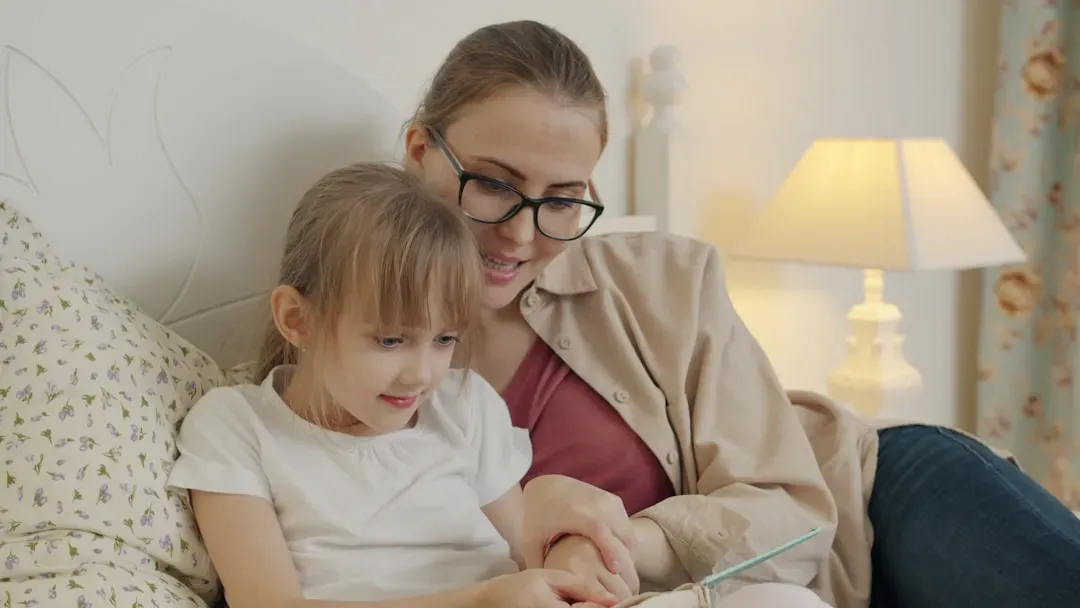
3. Sharenting – Cute Posts With Complicated Consequences (Image Credits: Unsplash)
Sharenting is the growing practice of parents sharing their children's photos, identities, and information on social media platforms. The term combines "sharing" and "parenting," and this often occurs without children's consent, especially on platforms like Facebook, Instagram, TikTok, and YouTube. Approximately three quarters of parents currently engage in sharenting. That number alone should give us pause. What felt like sweet family updates for grandparents now sits in the middle of a serious ethical conversation.
When personal details like a child's face, name, or school are shared online, they can be at risk of identity theft or exploitation. It is predicted that by 2030, almost two-thirds of identity theft will be able to be traced back to sharenting, with information coming from social media and parent blogs. In response, France adopted new legislation in 2024 specifically aimed at safeguarding children's image rights regarding the practice of "sharenting," with the Children's Image Rights Law expanding parents' obligations to protect their children's privacy rights online.
4. Overscheduled Childhoods – Busyness as a Badge of Honor
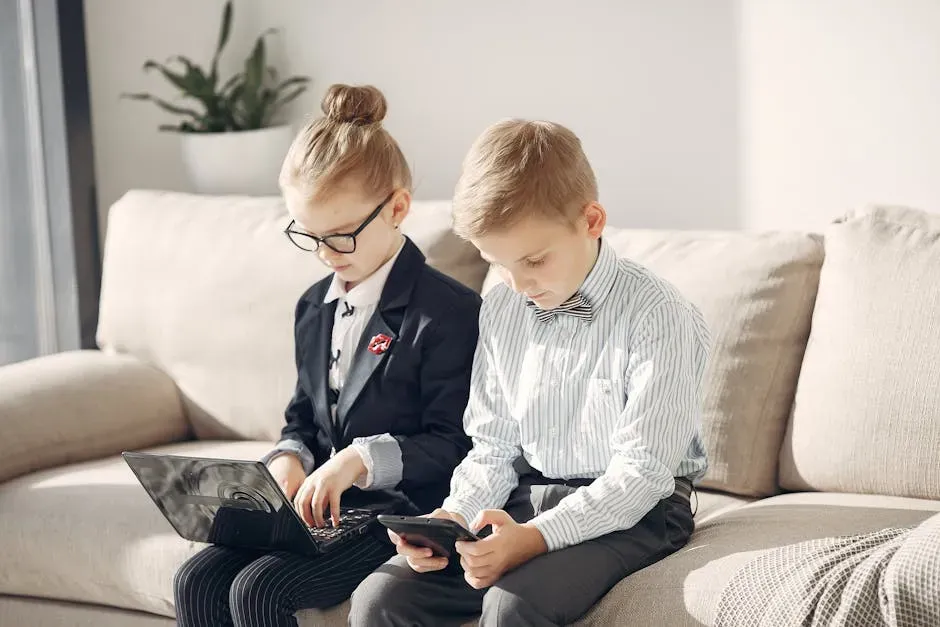
4. Overscheduled Childhoods – Busyness as a Badge of Honor (Image Credits: Pexels)
Here's the thing: somewhere along the way, keeping kids constantly busy became a signal of good parenting. Soccer Monday, piano Wednesday, coding Thursday, swim lessons Saturday. The calendar was full and that felt like success. Experts are now pointing out that this model may be quietly backfiring.
By trying to give kids a leg up and scheduling every free minute with activities, parents are in fact doing them enormous harm, according to Dr. Peter Gray, research professor at Boston College. Gray noted that over the past 50 years, as children's freedom has declined, there has been an increase in both depression and anxiety disorders – specifically an eight-fold increase in depression and a five-to-ten-fold increase in generalized anxiety disorder. Families are now dropping activities so everyone can breathe, and every-night-of-the-week commitments are losing their shine.
5. Screen Time as a Babysitter – The Digital Pacifier Problem
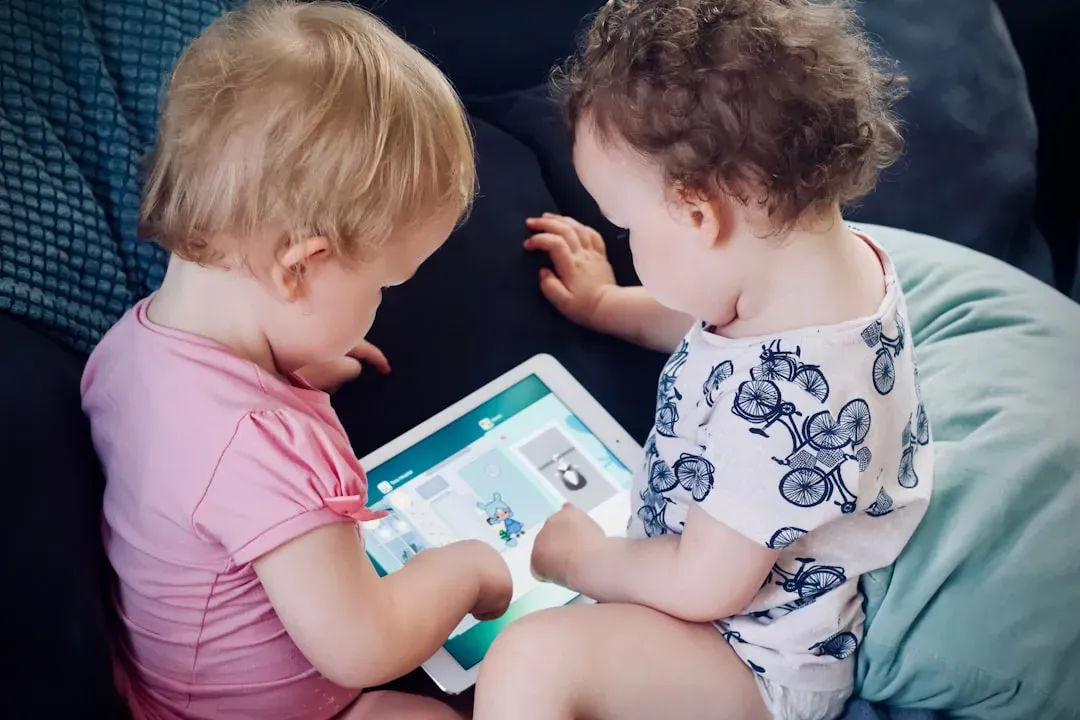
5. Screen Time as a Babysitter – The Digital Pacifier Problem (Image Credits: Unsplash)
Tablets handed to toddlers in restaurants. Phones propped up in shopping carts. We've all seen it, and honestly, plenty of parents have done it out of sheer survival. Nobody is judging the exhausted dad at the checkout line. Still, the long-term picture is becoming harder to ignore. Unstructured playtime is considered more valuable for a young child's developing brain than electronic media, and children younger than age 2 are more likely to learn when they interact and play with parents, siblings, and other children and adults.
Across the country, school phone bans moved quickly in many states with the start of the 2025-2026 school year. In December 2024, Australia became the first country to ban social media for kids until age 16, with other countries like Denmark considering similar restrictions. Many parents are now using AI to streamline their own routines while simultaneously limiting kids' screen time and social media – and both habits, experts note, allow parents to be more present with their children.
6. Unstructured Play – From Forgotten Luxury to Urgent Priority
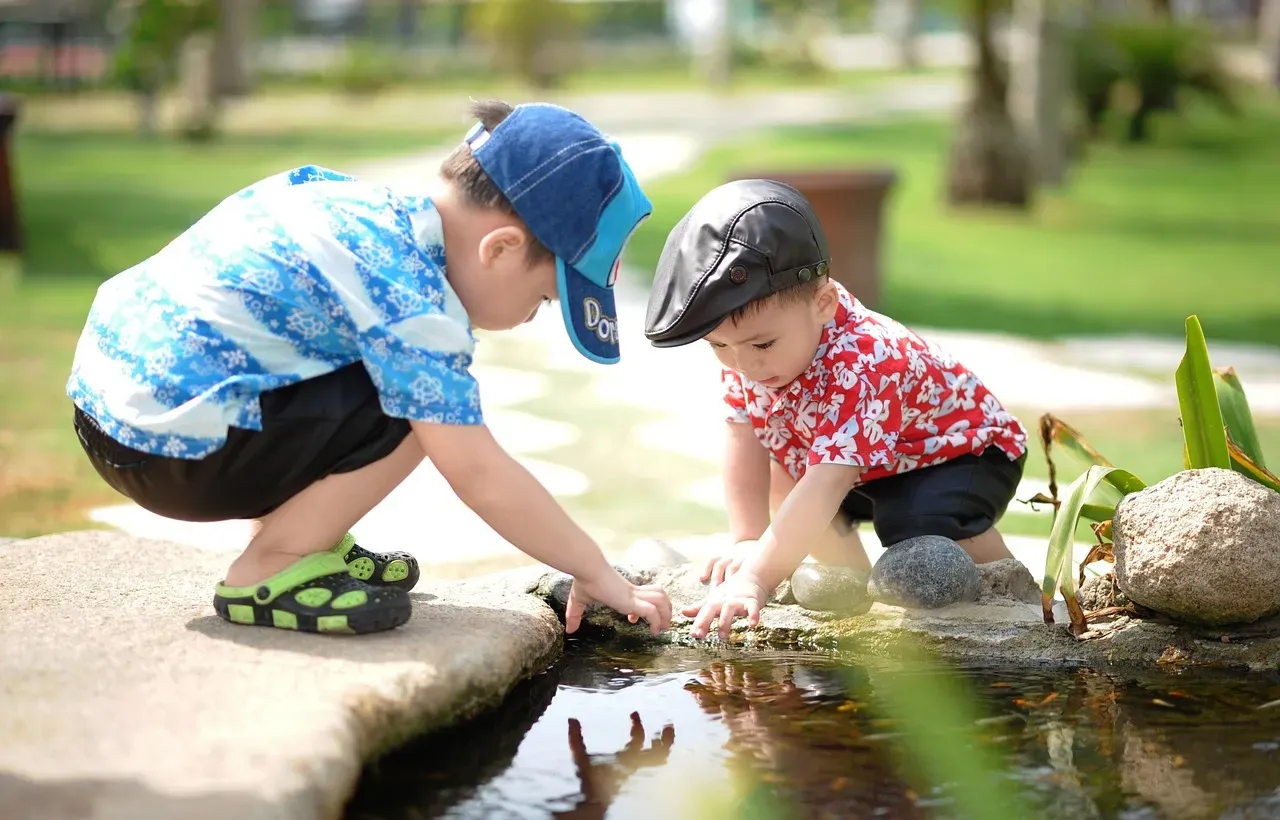
6. Unstructured Play – From Forgotten Luxury to Urgent Priority (Image Credits: Pixabay)
Unstructured play sounds almost quaint now, like something out of a 1970s neighborhood, kids just wandering around outside with vague instructions to "be home by dinner." We lost that somewhere. The good news is that researchers are making a loud, evidence-backed case for getting it back. In a world where kids are constantly on the go, they rarely get the chance to be bored and figure things out on their own. In these moments of unstructured play, children tap into their creativity, problem-solving skills, and emotional intelligence. When they're not following a structured agenda, they learn to navigate the world, make decisions, and build relationships.
For some parents, "going analog" is emerging as a 2026 lifestyle trend that pushes back against the ever-growing world of AI and the dark corners of the internet. Families are choosing "old school" entertainment, like opting for VHS players instead of streaming services and buying landlines instead of smartphones to connect with friends and family members. It sounds extreme. It probably is. Still, the impulse behind it – protecting unstructured childhood time – is backed by solid developmental science.
7. Helicopter Parenting's Cousin – "Snowplow" Parenting
7. Helicopter Parenting's Cousin – "Snowplow" Parenting (Image Credits: Pixabay)
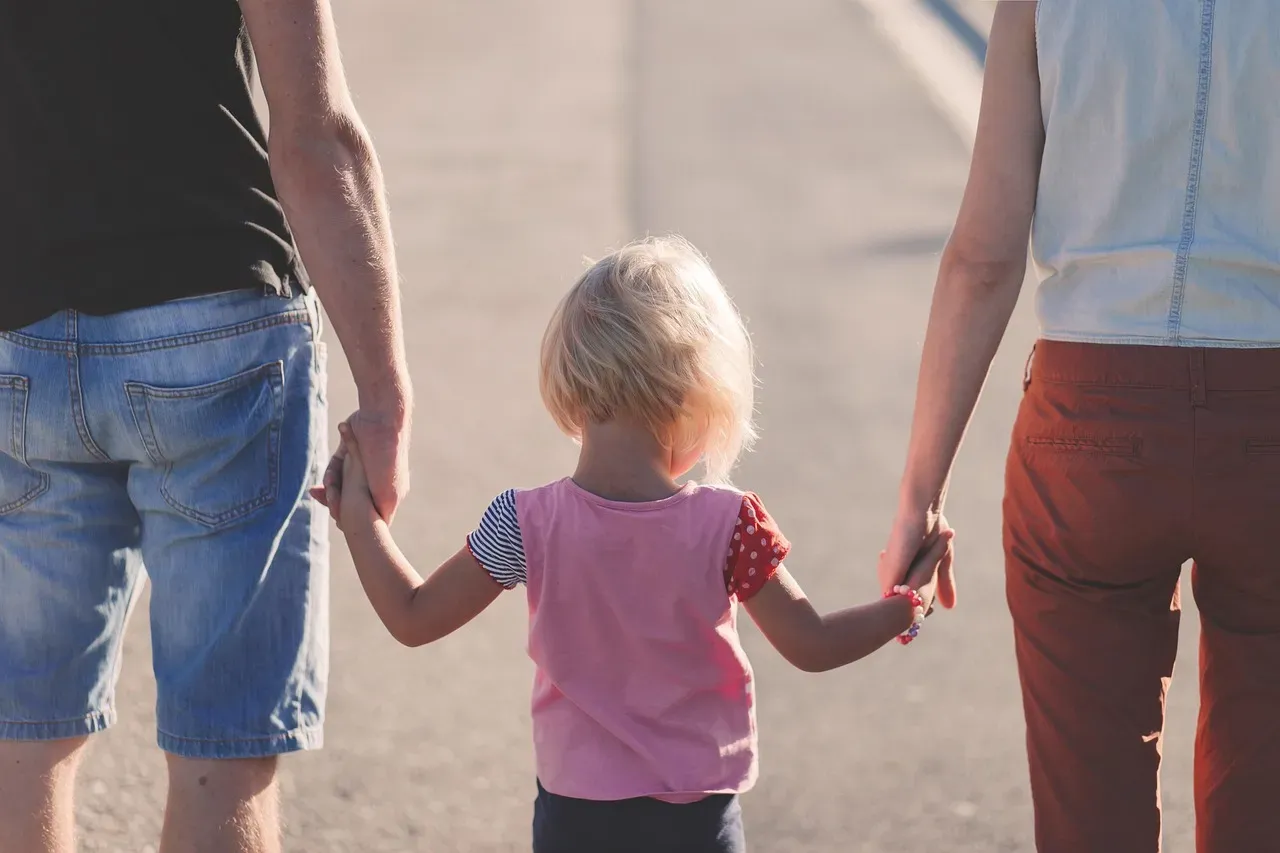
If helicopter parenting is hovering, snowplow parenting is barreling through every obstacle before a child even knows it exists. Think parents who call the teacher before the child has had a chance to try resolving a conflict, or who intervene in friendship drama that the kid could absolutely work through independently. It's well-intentioned, and that's exactly what makes it so tricky to address. A newer trend known as "FAFO" parenting emphasizes letting children learn from safe, natural consequences. Instead of rushing to fix every problem, parents step back and allow kids to solve challenges on their own – which builds resilience, critical thinking, and decision-making skills.
Replacing helicopter parenting, lighthouse parenting has become a widely discussed approach. Like a lighthouse, parents stand firm with values and guidance but allow children to navigate their own course. Lighthouse parenting sits somewhat in the middle between helicopter parenting and free-range parenting, with lighthouse parents providing firm boundaries and emotional support while letting their children navigate their own challenges. It's a compelling middle ground. The challenge, as always, is actually living it day to day.
8. Constant Positive Reinforcement – When Praise Does More Harm Than Good

8. Constant Positive Reinforcement – When Praise Does More Harm Than Good (Image Credits: Unsplash)
We've all heard it at the playground: "Great job! Amazing work! You're so incredible!" for every single ordinary thing a child does. Tying shoes? Amazing. Finishing their sandwich? Incredible. It felt supportive. The research, though, has been raising red flags about hollow praise for years, and the conversation is getting louder. Constant, undifferentiated praise can actually undermine a child's ability to develop intrinsic motivation – the internal drive that will carry them through challenges long after parents aren't watching.
A new generation of parents has new priorities: building resilience, modeling emotional repair, and teaching real-life skills over simply optimizing happiness for their children. That's a real shift in mindset. Many parents are also resolving to be more consistent and follow through with discipline. It's challenging to set rules and stick to them, especially when tired, but consistency is key for a child's sense of security. Close to six in ten parents, according to one report, want to be more consistent with discipline – which means setting clear boundaries and enforcing them calmly and reliably, rather than giving in or changing the rules under pressure.
9. Optimizing Every Moment of Childhood – The Pressure to Make It Perfect
9. Optimizing Every Moment of Childhood – The Pressure to Make It Perfect (Image Credits: Pixabay)
Inchstone parties. Elaborate themed snack boards. Carefully curated nurseries designed for the Instagram feed. The pressure to not just raise a child but to perform raising a child at a flawless level has been quietly crushing parents for years. A recent University of Michigan poll found that nearly half of parents set specific goals to improve their parenting, with the vast majority aiming to be more patient, more present, and healthier for their kids. Presence, not performance, is what keeps showing up as the actual priority.
Parenting in 2026 is shaping up to be less about following strict rules and more about finding what truly works for your family – saying goodbye to rigid styles and embracing smarter use of technology and lower expectations around perfection, with a strong priority on balance. This aligns with a growing awareness about the importance of parental self-care and the prevention of burnout. The evolution of gentle parenting, and of modern parenting broadly, could be seen as a maturation of the concept – integrating parental well-being as an essential component for its long-term success and positive impact on the family.
There's something deeply reassuring about watching the parenting world course-correct in real time. None of these trends were born out of bad intentions – every single one of them came from parents trying their absolute best with the information they had. That's worth remembering. The science moves, our understanding deepens, and that's a good thing, not a reason for guilt.
Which of these reevaluations surprised you most? Drop your thoughts in the comments – parenting conversations are always better when more voices are in the room.