
Every generation inherits a set of unspoken rules. Some of them make obvious sense, others feel arbitrary in hindsight, and a few turn out to be genuinely worth keeping. What’s interesting isn’t that these norms exist, but how differently people across age groups relate to them – who treats them as second nature, and who treats them as optional at best.
The contrast between Baby Boomers, Generation X, and the younger cohorts of Millennials and Gen Z has become sharper over the past decade. There appears to be a generational effect at work when it comes to social norms, and research suggests these differences tend to stick. The average views of a generation are remarkably consistent, changing very little as people age – and Gen Z and Millennials hold more liberal views than their grandparents among the Baby Boomers and Silent Generation ever did. Below are ten norms that older generations reliably uphold, followed by six that are quietly slipping away.
1. Punctuality as a Sign of Respect

1. Punctuality as a Sign of Respect (Image Credits: Pexels)
For Baby Boomers and much of Generation X, showing up on time is less about logistics and more about character. Being punctual is seen as a sign of respect – whether it's a work meeting or a social event, arriving on time shows that you value the other person's time. This attitude was deeply embedded in how older generations were raised. Punctuality was once regarded as a skill that went on a resume, and employers would need to see that candidates ranked it as a necessity for career success.
Research from the Center for Generational Kinetics reveals that Baby Boomers typically value prompt responses to communications and clearly defined social scripts, while Generation X tends to prioritize efficiency in social interactions while maintaining traditional courtesies like punctuality. For these generations, being late without notice isn't just inconsiderate – it signals a lack of seriousness about the relationship or commitment.
2. The Firm Handshake as a First Impression

2. The Firm Handshake as a First Impression (Image Credits: Unsplash)
Walk into any professional setting where older adults dominate, and the handshake is still the opening move. In the U.S., handshakes are the gold standard for first impressions if you're not ready to enter the hug zone or if you're in a professional environment. Older generations learned this as practically a life skill – a firm grip with eye contact was believed to communicate confidence and trustworthiness instantly.
Boomers recall being educated on the importance of a steady handshake for creating a lasting impression when they were old enough to start on the career ladder. The handshake carries real social weight for this group. It's a ritual of acknowledgment – brief, physical, and deliberately formal in a way that casual waves simply aren't.
3. Writing Thank-You Notes

3. Writing Thank-You Notes (Image Credits: Unsplash)
Handwritten thank-you notes are something older generations still consider an obligation rather than a nice touch. A handwritten thank-you note was once the order of the day for many older generations – it showed genuine appreciation and offered a mark of respect for a gift or kind gesture. The expectation wasn't just for major occasions either. Dinner invitations, job interviews, acts of hospitality – all of these traditionally warranted a written response.
Baby Boomers typically value formal acknowledgments of gifts and clearly defined social scripts for major life events. This norm is rooted in a broader ethos of deliberateness – the idea that acknowledgment should take effort, and that effort itself signals sincerity. For many in these generations, a quick text simply doesn't carry the same weight.
4. Following Formal Dress Codes
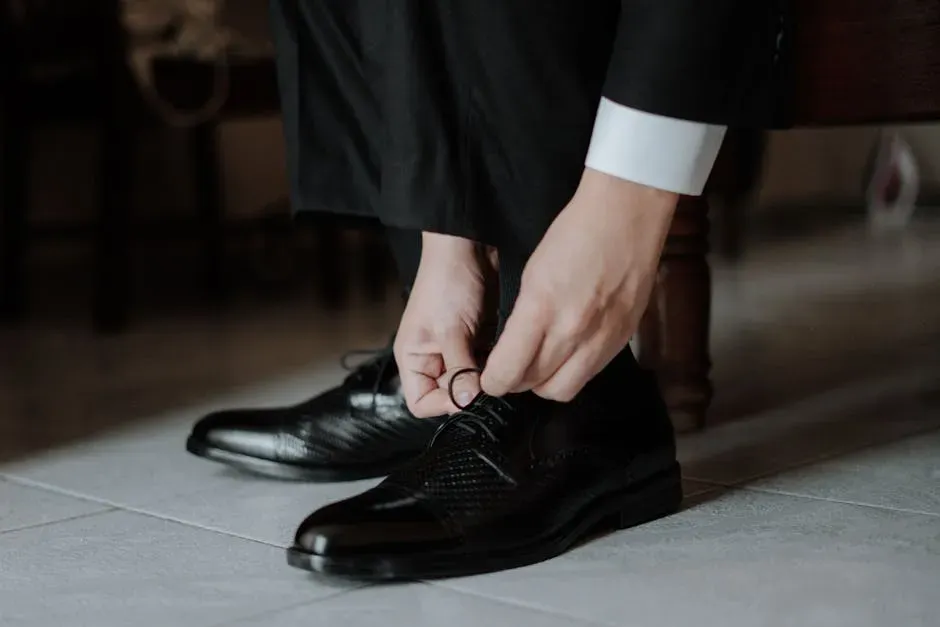
4. Following Formal Dress Codes (Image Credits: Pexels)
Older generations grew up in a world where clothing carried clear social signals and dressing for an occasion was expected. Dressing appropriately for an event – following the dress code for weddings and other formal occasions, dressing modestly for a funeral – was simply part of showing respect. For Baby Boomers especially, what you wore communicated whether you took a situation seriously.
This norm persists strongly in older cohorts. Many still distinguish sharply between what is acceptable at a funeral versus a garden party versus a Sunday dinner. The idea that comfort and self-expression might override occasion-appropriate dress is, to them, a fairly recent and somewhat puzzling development.
5. Respecting Hierarchies and Using Proper Titles

5. Respecting Hierarchies and Using Proper Titles (Image Credits: Unsplash)
Older generations were raised to address elders, employers, and authority figures by their titles – "Mr.," "Mrs.," "Dr." – until explicitly told otherwise. Using appropriate titles when addressing people, especially in formal settings, shows respect and recognition of their status or achievements – though titles have been replaced with first names in a bid to remove hierarchy. For older adults, the use of a title wasn't about formality for its own sake. It was a signal that you understood the social structure around you.
Etiquette embodies a sense of decorum and politeness, often passed down through generations rather than formally documented – and while the core principles remain relatively constant, they can adapt to context, reflecting the expectations of professional conduct. Older generations tend to see the casualness of younger people's address – first names from the first moment, no titles at all – as a loss of basic social architecture, not a gain in authenticity.
6. Sharing News Through Phone Calls, Not Texts

6. Sharing News Through Phone Calls, Not Texts (Image Credits: Unsplash)
For Baby Boomers and older Gen Xers, a phone call still carries a different weight than a text message. Important news – a death, a new job, an engagement – is delivered by voice, not through a notification. Baby Boomers are relatively united in their platform choice, with many sticking primarily to Facebook and phone calls to connect with family and friends. Calling someone is, in this view, an act of consideration: you're giving them the news in real time, together.
Back in the day, people adopted more well-spoken voices when speaking on the phone or talking to elders, always remaining polite and embracing their formal voice as a mark of respect. For older generations, a text message for genuinely significant news can feel dismissive – as though the sender didn't care enough to pick up the phone. This expectation runs deep, even when they've adapted to messaging for daily logistics.
7. Regularly Attending Religious Services

7. Regularly Attending Religious Services (Image Credits: Unsplash)
Religious attendance as a weekly social norm remains far more common among older generations than among younger adults. Baby Boomers and the Silent Generation grew up in communities where Sunday services were simply what families did, regardless of how deeply they personally believed. The church or synagogue was also a social infrastructure – a place for community rituals, milestone events, and mutual support.
In a number of ways, the teen experiences of younger generations diverge sharply from those of older generations – whether that is in alcohol and drug use, the pursuit of romantic relationships, or religious participation. For older cohorts, religious attendance isn't purely devotional; it's also an expression of community belonging and continuity. That combination makes it durable in a way that pure belief alone might not sustain.
8. Keeping Phones Off the Table at Meals

8. Keeping Phones Off the Table at Meals (Image Credits: Unsplash)
Older generations largely still regard a phone appearing at the dinner table as a social breach. The table was – and for many still is – a protected space for conversation. Silencing your phone, or better yet keeping it out of sight entirely, remains part of dining etiquette in formal and even many informal settings. For Baby Boomers especially, the phone-free table isn't a rule that needs explaining – it's just obvious good manners.
This norm is connected to a broader value: giving the people you're physically with your undivided attention. Modern conversations have become a battle between trying to hold someone's attention while they're on their handheld device, and eye contact – once considered important – has been reduced to a gratuitous nod. Older adults tend to experience this as a genuine erosion, not merely a stylistic difference.
9. RSVPing Promptly and Reliably
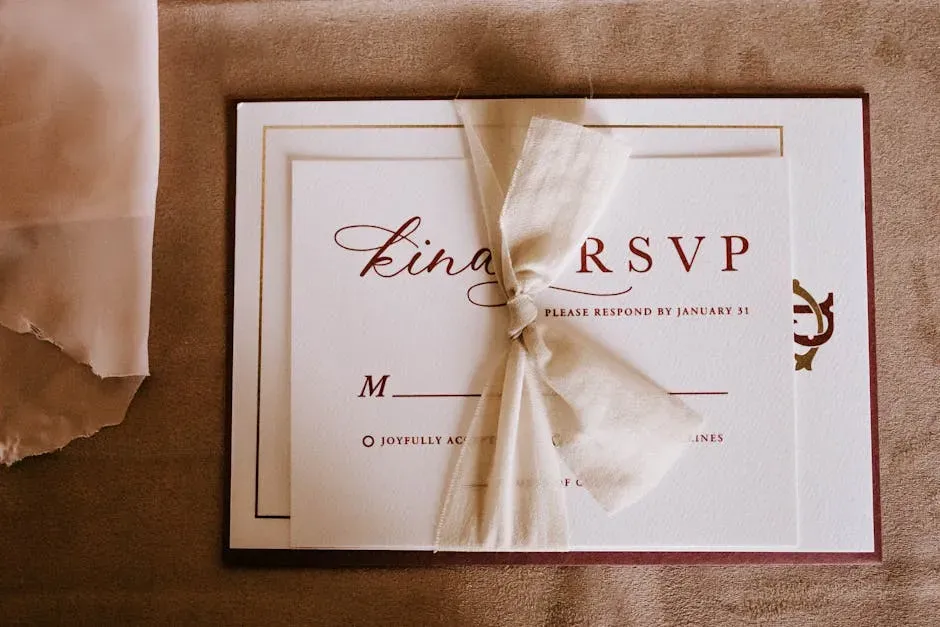
9. RSVPing Promptly and Reliably (Image Credits: Pexels)
For older generations, responding to an invitation is a basic social obligation. In the age of digital invitations, many people rarely pay attention to RSVPs – yet responding to invitations promptly helps hosts plan better and shows that you value their effort in inviting you. It takes a matter of minutes to organize. Baby Boomers and Gen Xers tend to see a non-response not as forgetfulness, but as a quiet form of disrespect.
The RSVP norm is really about something larger: honoring the effort someone made to include you. Older generations were taught that hosting takes planning and that your confirmation or polite decline was a courtesy owed to the host. The casual "maybe" culture of digital events is, for many of them, genuinely puzzling – and a little rude.
10. Valuing Homeownership as a Life Goal

10. Valuing Homeownership as a Life Goal (Image Credits: Unsplash)
For Baby Boomers and much of Generation X, owning a home was never really optional in their minds – it was the destination. It represented stability, responsible adulthood, and a kind of visible social success. Older Americans saw their homeownership rates increase slightly in 2024: nearly three-quarters of Gen Xers owned their home, and nearly four-fifths of Baby Boomers owned theirs. The norm was reinforced by economic conditions that made homeownership genuinely attainable for these cohorts.
Marriage, family, and homeownership have long been considered the ultimate trifecta of happiness and stability in the minds of older generations. For them, renting as a long-term lifestyle is still something that raises quiet questions – even if they understand intellectually that the market has changed. The association between property ownership and social maturity is deeply wired into how this cohort defines a life well-built.
Fading Norm 1: The Expectation to Marry by a Certain Age

Fading Norm 1: The Expectation to Marry by a Certain Age (Image Credits: Unsplash)
Marriage as a social expectation with an implied deadline is fading fast among younger adults. Younger generations are postponing marriage longer than before – since 1950, the average age at first marriage has increased by about eight years, from 22.8 to 30.2 years old for men and from 20.3 to 28.6 years old for women. What was once a near-universal milestone in one's mid-twenties is now increasingly treated as a personal choice with no fixed timetable.
Growing urbanization, greater acceptance of diverse relationships, and a focus on self-fulfillment mean that marriage has become just one possible path – neither inevitable nor universal. As we progress through 2025, marriage is less a social mandate and more a personal choice. The social pressure that once made being unmarried past thirty feel conspicuous has largely dissipated among younger cohorts.
Fading Norm 2: Homeownership as a Marker of Adult Success

Fading Norm 2: Homeownership as a Marker of Adult Success (Image Credits: Unsplash)
While older generations treat homeownership as a fundamental life goal, younger adults are renegotiating that relationship – partly by necessity, partly by choice. Just over one-quarter of Gen Zers owned their home in 2024, essentially flat from the previous two years. The economic barriers are real: many people in younger generations have been unable to buy homes because sale prices and mortgage rates have soared – weekly average rates went from around 3% at the start of 2022 to 7% by the end of the year, and have remained elevated since then.
The cultural shift is happening alongside the economic one. Some Gen Zers and Millennials are prioritizing flexibility over homeownership in the aftermath of the pandemic – some are choosing to rent on a short-term basis, travel, or live with family. The rejection of these traditional milestones is born out of economic pragmatism, not rebellion.
Fading Norm 3: Dressing Up for Restaurants and Social Events

Fading Norm 3: Dressing Up for Restaurants and Social Events (Image Credits: Unsplash)
The expectation that going out to dinner or attending a social gathering required a certain standard of dress has eroded significantly among younger adults. Today, casual dress is the norm – think jeans, sneakers, hoodies – and as long as it is not a black-tie event, no one even blinks. The line between what was once "going-out" clothing and everyday wear has all but disappeared in most social contexts.
Younger generations are redefining what it means to dress appropriately for various occasions. Formal dress codes, once a staple in social settings and workplaces, are being swapped for more comfortable and stylish alternatives – driven by a desire to express individuality while prioritizing comfort. In many offices, this shift is already complete. Business casual has become the new norm, making ties and blazers far less common.
Fading Norm 4: The Firm Handshake as the Default Greeting

Fading Norm 4: The Firm Handshake as the Default Greeting (Image Credits: Unsplash)
The handshake, while still expected in many professional settings, is losing its status as the automatic default greeting among younger adults. The standard handshake, a gesture deeply embedded in professional and social settings, is being replaced by more casual greetings – younger people are opting for waves, fist bumps, or even virtual emojis in digital interactions. The pandemic accelerated this shift, but the cultural drift was already underway.
Social gathering etiquette has also adapted to accommodate varied comfort levels around physical contact – the automatic handshake or cheek kiss has been replaced by more consent-oriented greetings, with many people now briefly establishing touch preferences when meeting. For younger generations, this feels less like a loss of formality and more like a gain in consideration for individual comfort.
Fading Norm 5: Drinking Alcohol at Social Gatherings

Fading Norm 5: Drinking Alcohol at Social Gatherings (Image Credits: Pexels)
Social drinking as an assumed part of adult socializing is losing its grip on younger generations. Compared to previous generations, Generation Z has experienced a sharp decline in drinking habits, and in bars, clubs, and many social gatherings around the world, a shift is occurring. For older cohorts, sharing a drink was a social lubricant so embedded it was practically invisible. Refusing felt like an explanation was owed.
Many members of Generation Z have begun opting for non-alcoholic beverages. Many see the decline as a result of the COVID-19 pandemic and the prioritization of health that followed. The non-alcoholic beverage market has exploded to meet this demand, and turning down a drink at a party now carries none of the social awkwardness it once did among younger crowds.
Fading Norm 6: Strict Deference to Authority

Fading Norm 6: Strict Deference to Authority (Image Credits: Unsplash)
The expectation that laws, institutions, and authority figures should be obeyed without question – simply because they hold authority – is fading noticeably among younger generations. Gen Z tends to be less deferential to authority than older generations – they are less likely to think the law should always be obeyed even when it's wrong, compared to adults overall. This isn't pure rebellion; it reflects a more conditional understanding of legitimacy.
Gen Z has a unique perspective on social norms and is not afraid to challenge the traditional expectations that have shaped previous generations. From the way they approach relationships, work, and self-expression, Gen Z is pushing boundaries and rethinking what is acceptable in society. Research identifies a stable trend, with people born in more recent years consistently expressing more liberal attitudes than people born in earlier years. Whether this represents a long-term cultural shift or simply a feature of youth is something researchers are still working out – though current evidence points toward the former.
What's clear is that the conversation between generations isn't really about which norms are correct and which are obsolete. It's about how societies renegotiate the unspoken agreements that hold them together – sometimes gradually, sometimes all at once, and rarely in ways anyone fully predicts.