
Most of us think we’re pretty safe in our own kitchens. We rinse things, we cook things, we put the leftovers away. Simple enough, right? Well, here’s the uncomfortable truth: the home kitchen is one of the most common environments where foodborne illnesses begin. The assumption that cooking at home automatically means eating safely is, honestly, one of the biggest blind spots people have.
The U.S. Centers for Disease Control and Prevention estimates that roughly 48 million Americans are sickened with foodborne illnesses each year, resulting in around 128,000 hospitalizations and 3,000 deaths. That’s not a restaurant statistic. A very significant chunk of those cases traces back to everyday habits inside the home. So let’s look at exactly where things go wrong, because some of these will genuinely surprise you.
1. Not Washing Hands Properly Before and During Food Prep
1. Not Washing Hands Properly Before and During Food Prep (Image Credits: Unsplash)
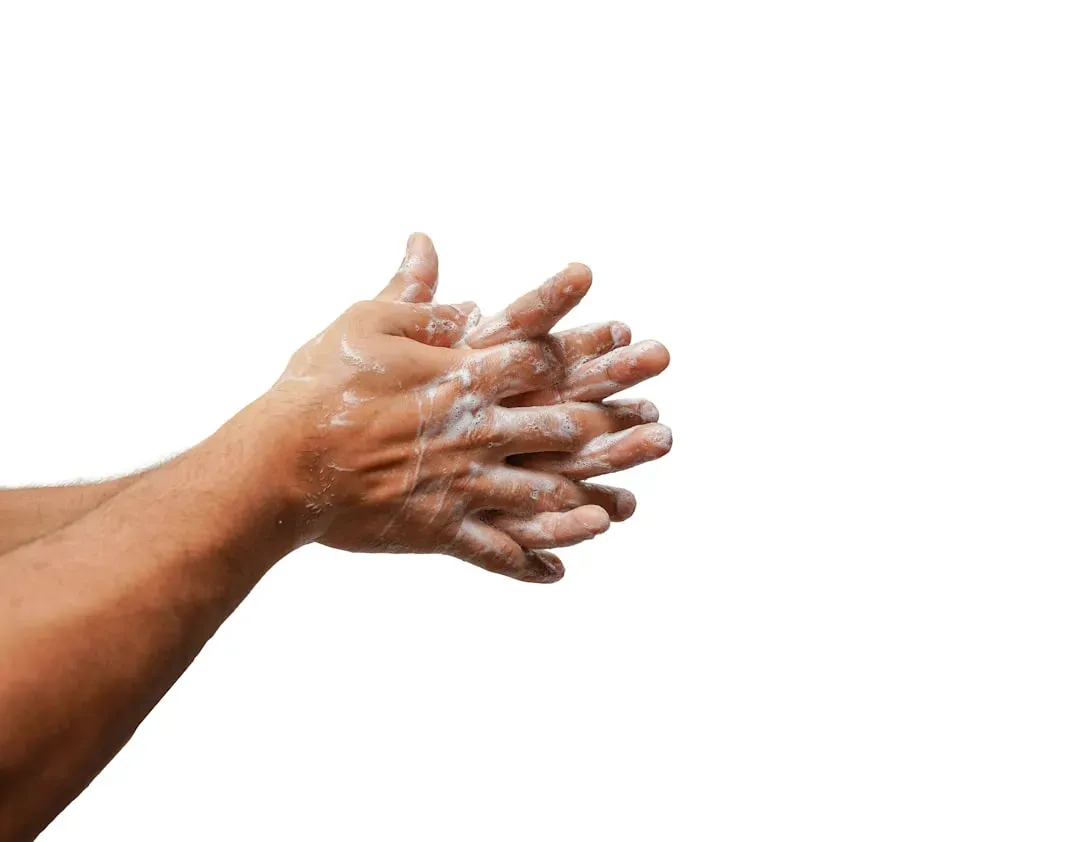
Let's be real: most people think they wash their hands. They run water over them, maybe add a bit of soap, and move on. The reality is far more alarming. In an experiment conducted by the Department of Agriculture, researchers evaluated the food safety habits of almost 400 people as they prepared turkey burgers and a salad in a test kitchen, and in roughly 97 percent of the instances when participants should have washed their hands, they didn't do so properly.
Nearly half of participants cross-contaminated spice containers due to lack of handwashing, because they did not wash their hands adequately, allowing harmless tracer microorganisms that act just like human pathogens to spread throughout the kitchen. Think about that the next time you grab the salt shaker mid-recipe. Cleanliness is a major factor in preventing foodborne illness, and washing hands with warm water and soap for at least 20 seconds can help eliminate germs. That twenty seconds matters more than people realize.
2. Leaving Food in the Temperature Danger Zone
2. Leaving Food in the Temperature Danger Zone (Image Credits: Unsplash)
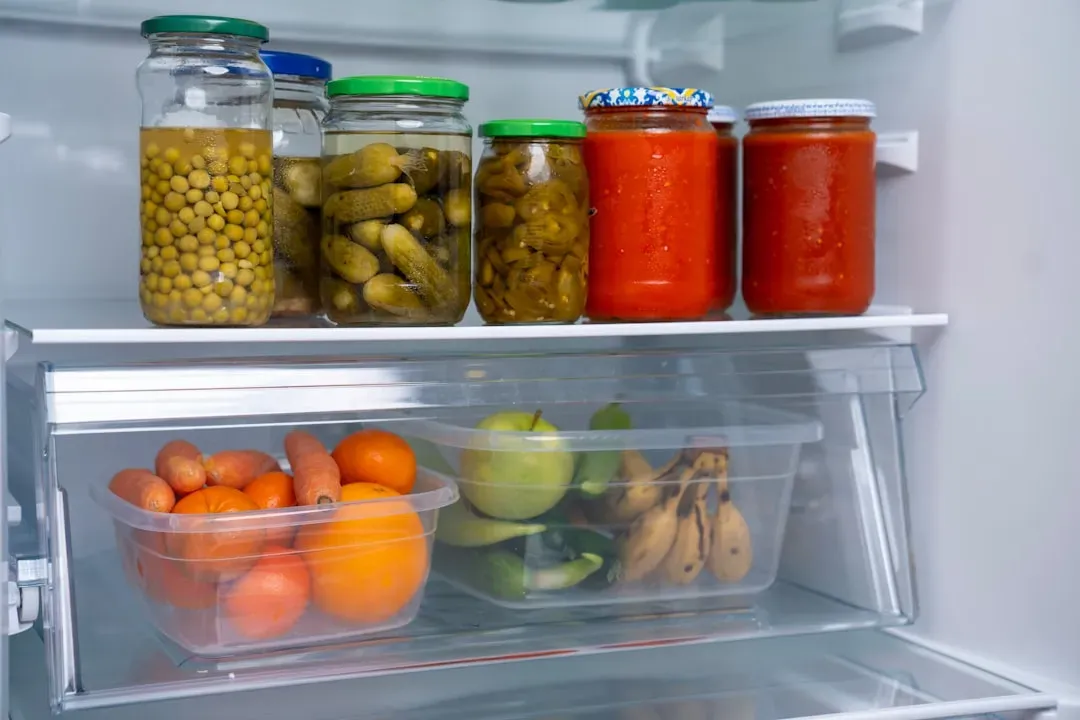
Here's something that genuinely catches people off guard: leaving a warm pot of soup on the stovetop for a couple of hours while you watch TV is actually dangerous. Leaving food out too long at room temperature can cause bacteria such as Staphylococcus aureus, Salmonella Enteritidis, E. coli O157:H7, and Campylobacter to grow to dangerous levels that can cause illness. Bacteria grow most rapidly in the range of temperatures between 40°F and 140°F, doubling in number in as little as 20 minutes. This range of temperatures is often called the "Danger Zone."
You should never leave perishable foods out of refrigeration for more than 2 hours, and if the food is exposed to temperatures above 90°F, refrigerate it within 1 hour. This is something most households casually ignore at family gatherings or dinner parties, letting serving dishes sit out for the entire evening. Time temperature abuse is the act of allowing foods to stay in the temperature danger zone, and along with cross-contamination, it is a common source of foodborne illness and a major health code violation.
3. Using the Same Cutting Board for Raw Meat and Ready-to-Eat Foods
3. Using the Same Cutting Board for Raw Meat and Ready-to-Eat Foods (Image Credits: Pexels)
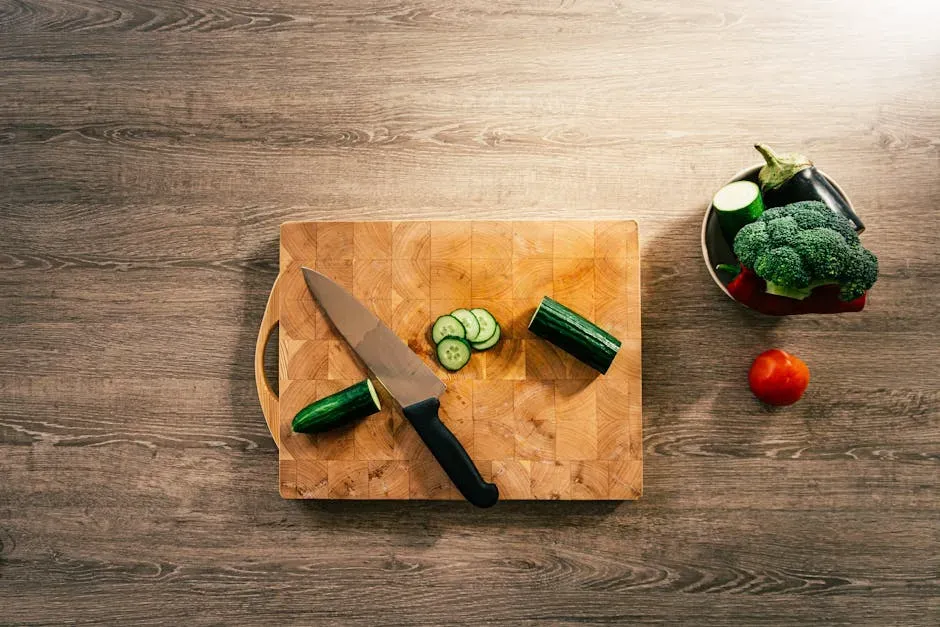
It sounds basic, and yet it happens in countless home kitchens every single day. You chop the raw chicken, give the board a quick rinse, then slice your tomatoes. Done and done? Not quite. When juices from raw meats or germs from unclean objects accidentally touch cooked or ready-to-eat foods such as fruits or salads, cross-contamination occurs, and if not cleaned correctly, the board harbors harmful bacteria.
If you chop raw chicken on a cutting board and then switch to cutting a ready-to-eat food like tomatoes without first cleaning and sanitizing the cutting board, bacteria like Salmonella from the raw chicken can contaminate the tomatoes and make someone extremely ill. The fix is simple in theory: consider using one cutting board for fresh produce and bread and a separate one for raw meat, poultry, and seafood, which will prevent bacteria on a cutting board used for raw meat from contaminating a food that requires no further cooking. Honestly, color-coded boards are a great investment and they make it nearly impossible to mix things up.
4. Thawing Frozen Meat on the Counter
4. Thawing Frozen Meat on the Counter (Image Credits: Pexels)
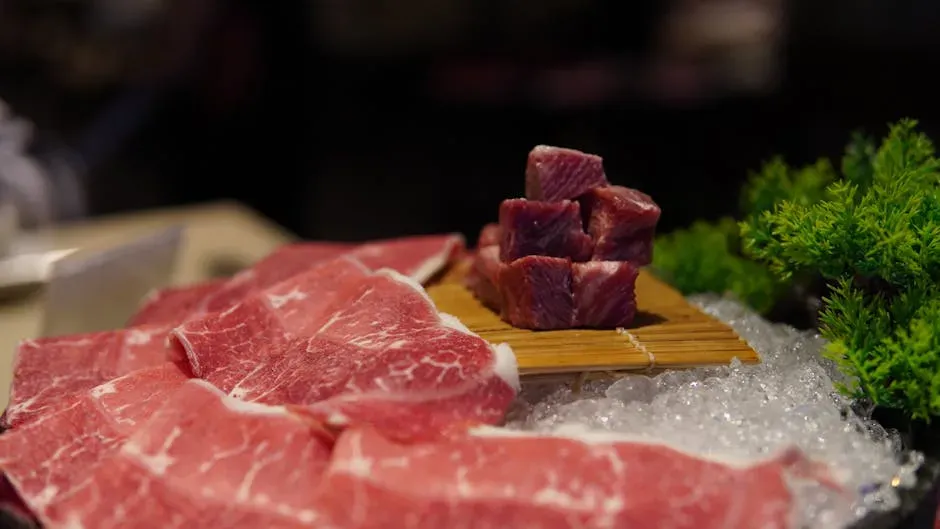
This one is so common it almost feels like a tradition. You take the chicken breast out of the freezer in the morning, set it on the kitchen counter, and come back to it a few hours later thinking it's ready to cook. It might look fine, but invisible danger has been building up the whole time. You should thaw frozen food safely in the refrigerator, in cold water, or in the microwave, and never thaw food on the counter because bacteria multiply quickly in the parts of the food that reach room temperature.
The tricky part is that frozen food doesn't thaw evenly. The outer layer warms up into the danger zone long before the center has defrosted. You should never thaw or marinate foods on the counter, as the safest way to thaw or marinate meat, poultry, and seafood is in the refrigerator, and freezing does not destroy harmful germs but does keep food safe until you can cook it. Think of it this way: the freezer is like a pause button on bacterial growth. The counter, unfortunately, hits play.
5. Skipping the Food Thermometer When Cooking Meat
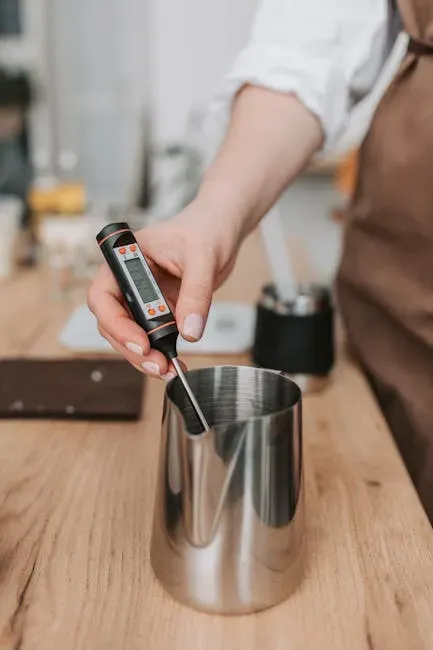
5. Skipping the Food Thermometer When Cooking Meat (Image Credits: Pexels)
Most home cooks judge their meat by color or texture. Golden brown on the outside, firm to the touch, looks done. The problem is that looks can be deeply deceiving. The only way to tell if food is safely cooked is to use a food thermometer, and you can't tell if food is safely cooked by checking its color and texture, except for seafood. This is not an opinion; it's a fact that regularly gets people into trouble.
In the USDA observational study, 66 percent of participants did not use a food thermometer while preparing turkey burgers, with some participants using color and feel instead to determine if the burgers were safe to eat, even though using a food thermometer to measure internal temperature is the only way to verify meat and poultry are safe. When participants did use a thermometer, 45 percent still did not cook the turkey burger to the minimum safe internal temperature of 165°F. I know it sounds crazy, but even people actively trying to be careful still got it wrong.
6. Improperly Cooling and Storing Cooked Leftovers
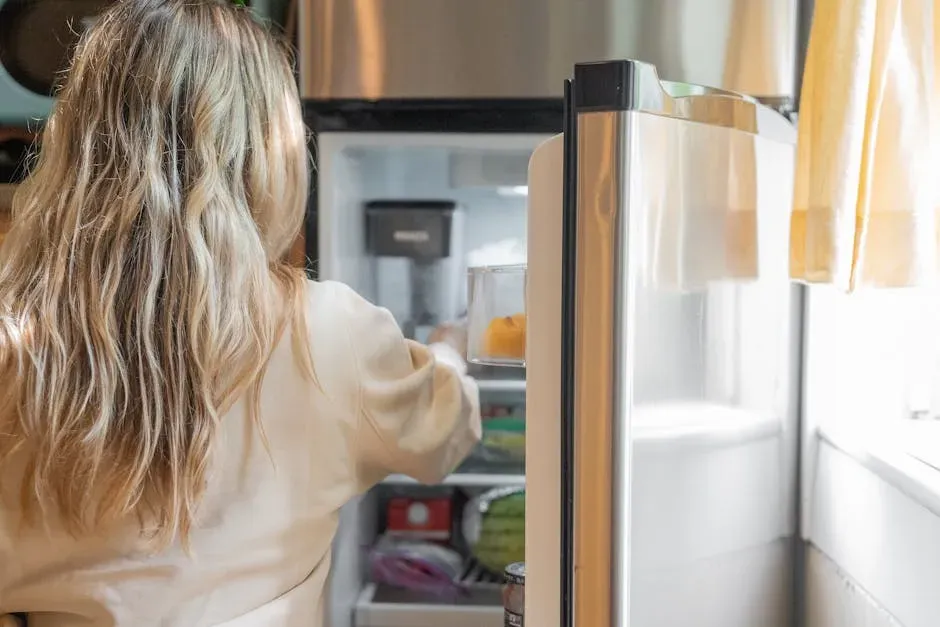
6. Improperly Cooling and Storing Cooked Leftovers (Image Credits: Pexels)
Leftovers are one of the great joys of home cooking. A big pot of chili on Sunday, meals sorted for half the week. But the way most people cool and store those leftovers creates a very real health risk they'd probably be horrified to know about. One of the most common causes of foodborne illness is improper cooling of cooked foods, because even after food is cooked to a safe internal temperature, bacteria can be reintroduced and reproduce, which is why leftovers must be put in shallow containers for quick cooling and refrigerated within 2 hours.
Stuffing a giant pot of hot soup directly into the refrigerator isn't the answer either. It can actually raise the fridge temperature and put other foods at risk. To cool foods safely, large pieces of meat or poultry need to be cut into pieces of four inches or less, and thick foods like soups, beans, and chili should be poured into shallow pans no more than two inches deep to help them cool quickly. Plan to use or freeze leftovers within four days of when you first cooked them, and when you do eat leftovers, reheat them to 165°F. That last step matters just as much as the first.
Food safety at home is not about paranoia. It's about understanding that bacteria don't care how clean your kitchen looks. They thrive on habits, not appearances. The six mistakes covered here are not obscure or rare; they happen daily in millions of households, often without anyone realizing the risk. Small adjustments, like a dedicated cutting board, a food thermometer, or the habit of washing hands properly, can make an enormous difference. What would you change about how you handle food at home?