
Most living rooms don’t need a full renovation to feel more considered. Often, it’s the quieter decisions that make the biggest difference: a well-placed light source, a texture you didn’t expect, a scent that softens the room before you’ve even sat down. The gap between a space that feels “fine” and one that genuinely feels good is usually narrower than people think.
These seven touches aren’t about following a rigid style or spending a fortune on new furniture. They’re about understanding what already works in a room and sharpening it. Each one is specific, practical, and grounded in how designers actually approach the problem.
1. Layer Your Lighting Instead of Relying on One Source
1. Layer Your Lighting Instead of Relying on One Source (Image Credits: Pexels)
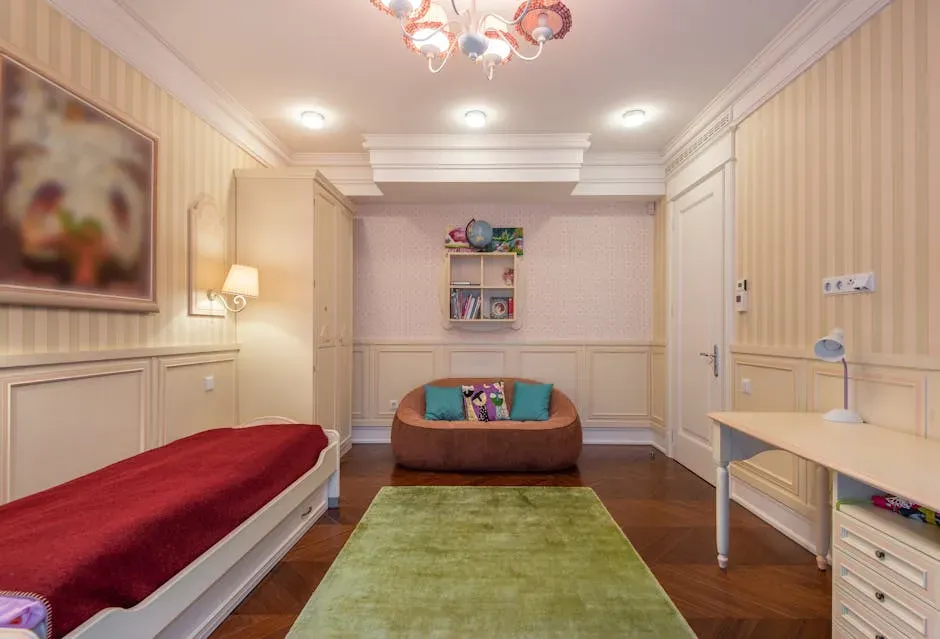
Rather than relying on a single overhead fixture, layered lighting combines ambient, task, and accent lighting to create depth and flexibility, allowing a room to adapt to different activities, times of day, and emotional needs without changing the physical space. The difference in feel is immediate. Without layering, even well-designed spaces can feel harsh, flat, or visually tiring.
Accent lighting, the most specialized layer, brings drama and focus, highlighting artwork, shelving, or architectural details. Rather than just on/off switches, table lamps or wall lights on remote control dimmers can be set up with scenes to create ambience and flexibility in daily living. A reading floor lamp arcing over an armchair, a candle flickering on the coffee table, and a softly lit shelf behind the sofa accomplish in minutes what a renovation cannot.
2. Anchor the Seating Area with the Right Rug
2. Anchor the Seating Area with the Right Rug (Image Credits: Unsplash)
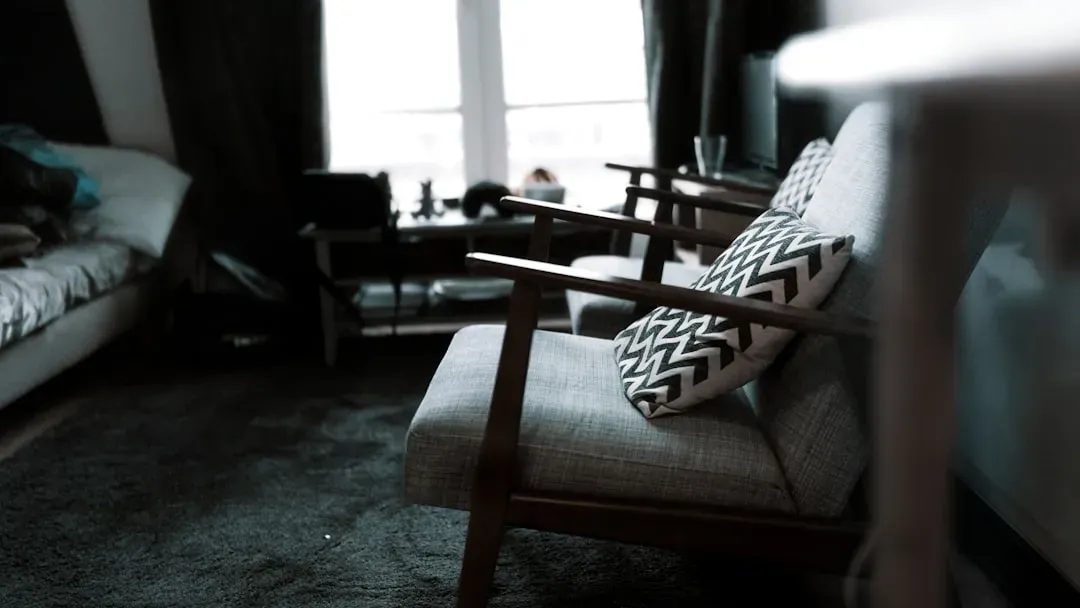
Interior stylists often refer to the area rug as the anchor because it tethers every element, from the sofa and the view to the light, into a singular, cohesive vision. Without an area rug to anchor the varying places of an open space, the furniture will seem like isolated islands. It's one of those design truths that feels obvious once you've seen it in action.
Whether the space leans minimal, eclectic, modern, or traditional, the rug becomes the thread that ties every design decision together. Strong patterns, oversized motifs, unexpected textures, and saturated tones all help create that "instant personality" effect. Size matters more than most people expect: the most common pitfall homeowners encounter is scale, as most people buy rugs that are far too small, creating a "postage stamp" effect that makes a room feel cramped rather than expansive.
3. Introduce Layered Textures Across Soft Furnishings
3. Introduce Layered Textures Across Soft Furnishings (Image Credits: Unsplash)
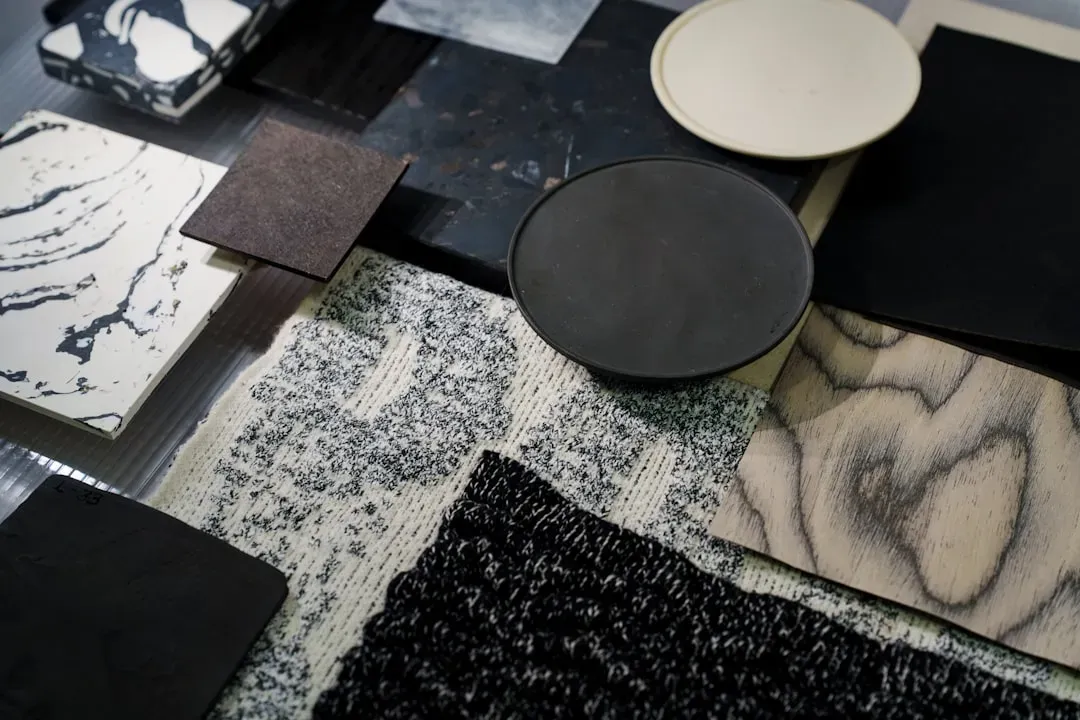
Layering textures has become a key technique for adding depth without overwhelming a space: think woven rugs paired with velvet cushions and matte ceramic accents. The tactile dimension of a room is something visitors register without quite knowing why. Smooth, rough, soft, and firm surfaces create a sensory richness that flat, uniform materials simply cannot replicate.
Mixing textures adds depth and interest to any space, and incorporating materials like velvet, silk, and tufted wool can transform a mundane room into a tactile haven. These fabrics not only enhance aesthetic value but also invite touch, offering warmth and opulence. Matte walls, brushed metals, and chalky ceramics bring quiet sophistication, diffusing light beautifully and making a room feel soft and calm.
4. Place a Mirror Strategically to Expand and Brighten

4. Place a Mirror Strategically to Expand and Brighten (Image Credits: Pexels)
Mirrors reflect and amplify available natural light while creating the illusion of more space. Positioning mirrors to reflect windows, outdoor views, or plant groupings doubles the visual impact of whatever they face. It's a trick that costs very little and delivers a lot, particularly in rooms that feel smaller or darker than they should.
Strategic use of mirrors, especially opposite windows, can amplify sunlight without major changes. The multiplied light benefits both humans and plants, as houseplants receive reflected light while you enjoy brighter spaces. Avoid positioning mirrors where they create glare or reflect unattractive views. The goal is to amplify positive natural elements, not just add mirrors randomly. Framing mirrors in natural materials like wood or stone also maintains visual coherence.
5. Bring in a Living Element: Plants Done with Intention
5. Bring in a Living Element: Plants Done with Intention (Image Credits: Pexels)
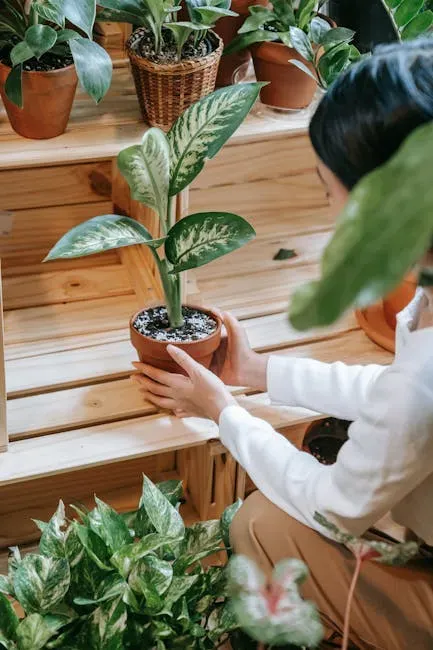
Research shows biophilic spaces reduce stress, improve mood, and enhance cognitive function. Your living room, where you spend significant time relaxing and gathering with others, benefits tremendously from these principles. Still, it's worth noting that one well-placed, healthy plant makes a far stronger statement than a dozen neglected ones scattered haphazardly around the room.
Group plants by light needs and visual weight, and frame them around mirrors, shelves, or art to connect them with your design story. Using odd-number groupings mimics nature's asymmetry and visual rhythm: one, three, or five always feels organic. For those less confident with plant care, resilient options like snake plants or pothos thrive with minimal attention and still read as genuinely considered.
6. Swap Out Generic Hardware and Small Fixtures
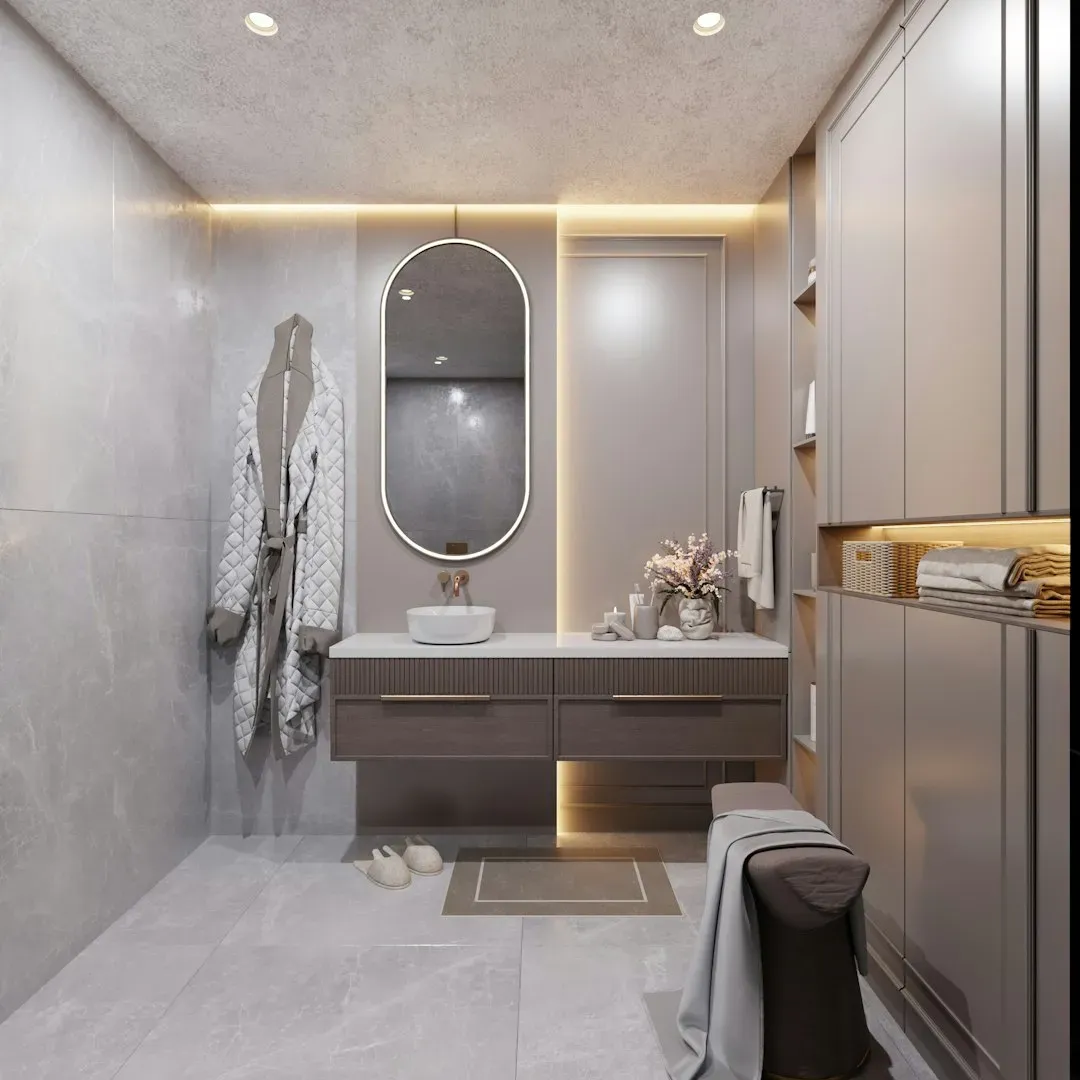
6. Swap Out Generic Hardware and Small Fixtures (Image Credits: Unsplash)
Swapping outdated fixtures and finishes is one of the quickest ways to modernize a home. Lighting, hardware, and small architectural details can influence the entire vibe of a room, and updating or refinishing these items instantly refreshes the space and gives it a more upscale feel. Cabinet pulls, switch plates, drawer handles, and light fixture finishes are easy to overlook precisely because they're everywhere. That's also why changing them has such a visible effect.
Brass, gold, and matte black fixtures and hardware elevate the overall aesthetic with subtle luxury. A single bronze cabinet pull or a statement light fixture can shift how spacious a room feels. This kind of hardware brings weight and warmth to interiors of all sizes, adding dimension, reflectivity, and character without taking up visual or physical space. It's one of the most cost-effective design moves available.
7. Choose Artwork That's Properly Scaled and Personally Meaningful
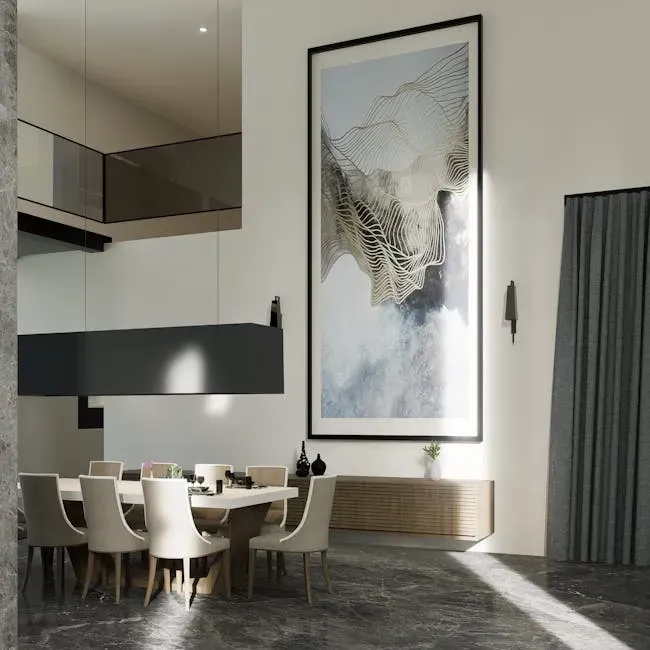
7. Choose Artwork That's Properly Scaled and Personally Meaningful (Image Credits: Pexels)
Decluttering wall décor can dramatically elevate a home. Large, statement art pieces help anchor a room and create visual impact. There are plenty of places to find oversized art that looks high quality. Whether bold or neutral, choosing art that complements the space adds a refined touch. The instinct to hang a small print slightly too high on a large wall is one of the most common mistakes in living room design, and one of the easiest to fix.
According to Art Basel research, nearly half of homeowners invest in original artwork for their spaces. Whether it's a custom-designed piece or a vintage décor find, personal touches establish an emotional connection with your environment, and invoking narratives through unique items can enhance a home's feel significantly. Art doesn't have to be expensive to be effective: scale, placement, and the fact that it means something to you will carry the room further than any price tag.
Taken together, these seven touches share a common logic: they work with what a room already has rather than fighting against it. Light, texture, reflection, nature, detail, and personal meaning: layered with intention, these are the things that quietly separate a space that you tolerate from one that you genuinely want to come home to.