
There is something almost universal about the homeowner who stares out at a patchy, yellowing lawn and wonders what went wrong. They watered. They mowed. They maybe even bought a bag of fertilizer from the hardware store. Yet the grass still looks tired, thin, and frankly uninspiring. The truth is, lawn care is deceptively easy to get wrong, and many of the most damaging habits are the ones people repeat season after season without even realizing it.
I think the biggest problem is that most people treat lawn care like a set-it-and-forget-it kind of thing, like setting a calendar reminder and following the same routine no matter what. But grass is a living system, and it responds to everything you do or don’t do. Here are the eight most common mistakes homeowners are still making, and what you can do differently starting today. Let’s dive in.
1. Mowing the Grass Too Short
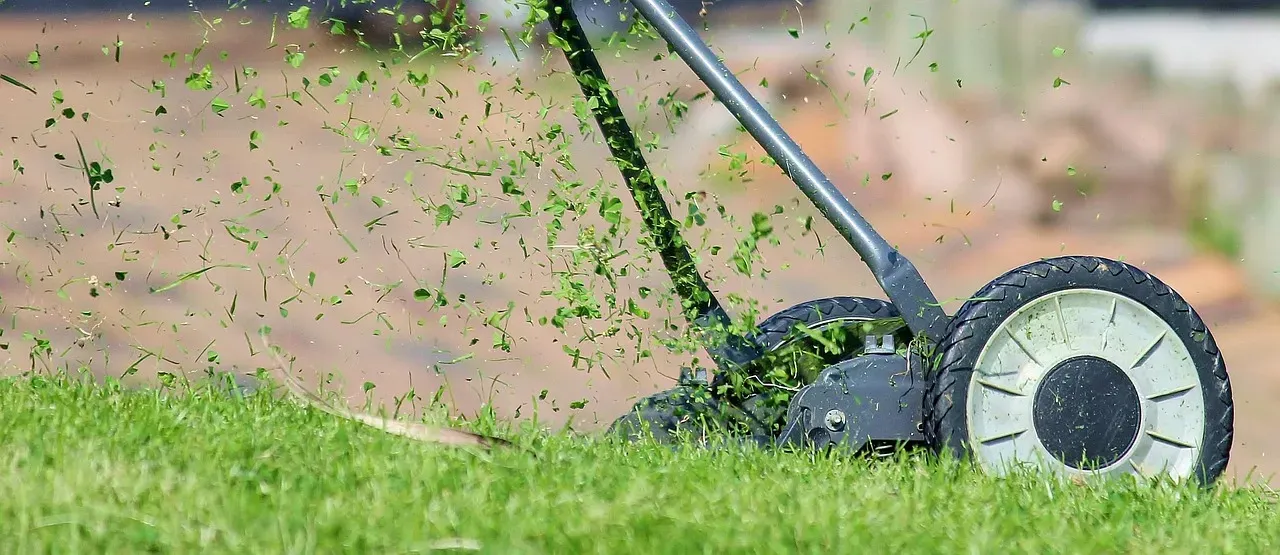
1. Mowing the Grass Too Short (Image Credits: Pixabay)
This one tops almost every lawn care expert's list, and honestly, it is not hard to see why. Cutting grass too short, often in an attempt to mow less frequently, is a common homeowner mistake. Some homeowners even cut their grasses below 2.5 inches to mimic manicured professional turf settings, a habit sometimes called "golf course syndrome." The problem is that a golf course superintendent has a full crew, specialized equipment, and specific turf varieties. Your lawn is a different creature entirely.
Grass cut too short will immediately start pouring its energy into growing its blades at the expense of root growth. Shallow roots can lead to lawn problems during drought because the plants cannot reach deeper water reserves in the soil. Think of it like this: cutting grass too short is like constantly trimming the leaves off a plant and expecting it to stay healthy. Most grasses do best when they are trimmed to 2.5 to 3 inches. Never remove more than one third of the height of the lawn in any one mowing.
2. Overwatering or Underwatering
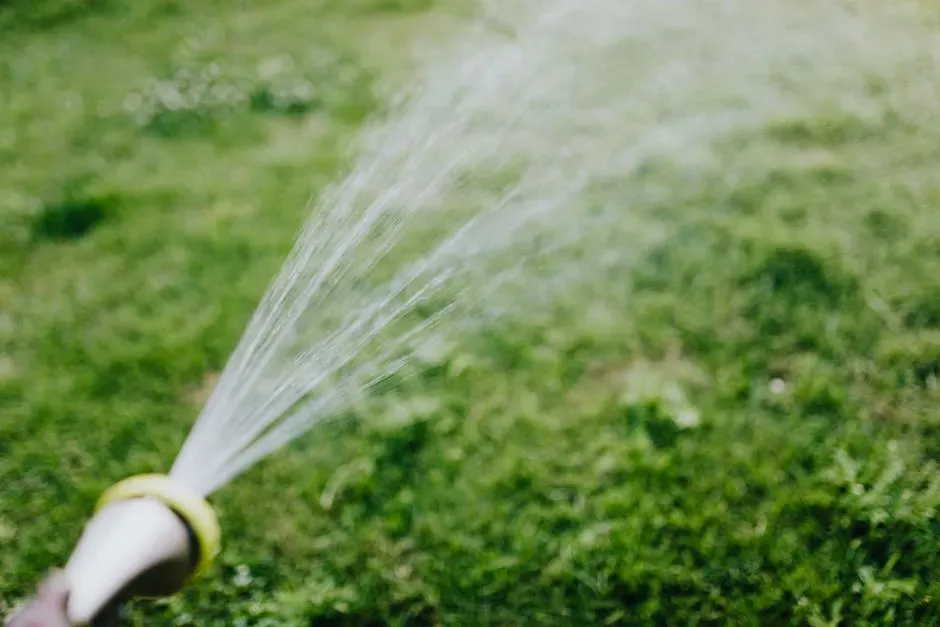
2. Overwatering or Underwatering (Image Credits: Pexels)
Here is the thing about watering: both extremes are bad, and a surprising number of homeowners swing from one to the other without finding the middle ground. Overwatering is a common error that can have serious detriments for your lawn's health. Many homeowners mistakenly believe more water equates to healthier grass, but watering too much oversaturates your yard, blocking oxygen from circulating to your grass roots and suffocating them.
Overly wet conditions also create ideal environments for fungal diseases, such as take-all root rot and pythium blight, which similarly kill off root systems and can spread quickly throughout your lawn. On the flip side, insufficient watering causes grass to develop shallow roots, limiting moisture and nutrient absorption. Underwatering and shallow root systems leave your grass vulnerable, and hot and dry periods can quickly result in drought stress. As these issues compound, your grass is more likely to brown, thin, or be overrun with weeds. Most lawns need 1 to 1.5 inches of water per week.
3. Watering at the Wrong Time of Day
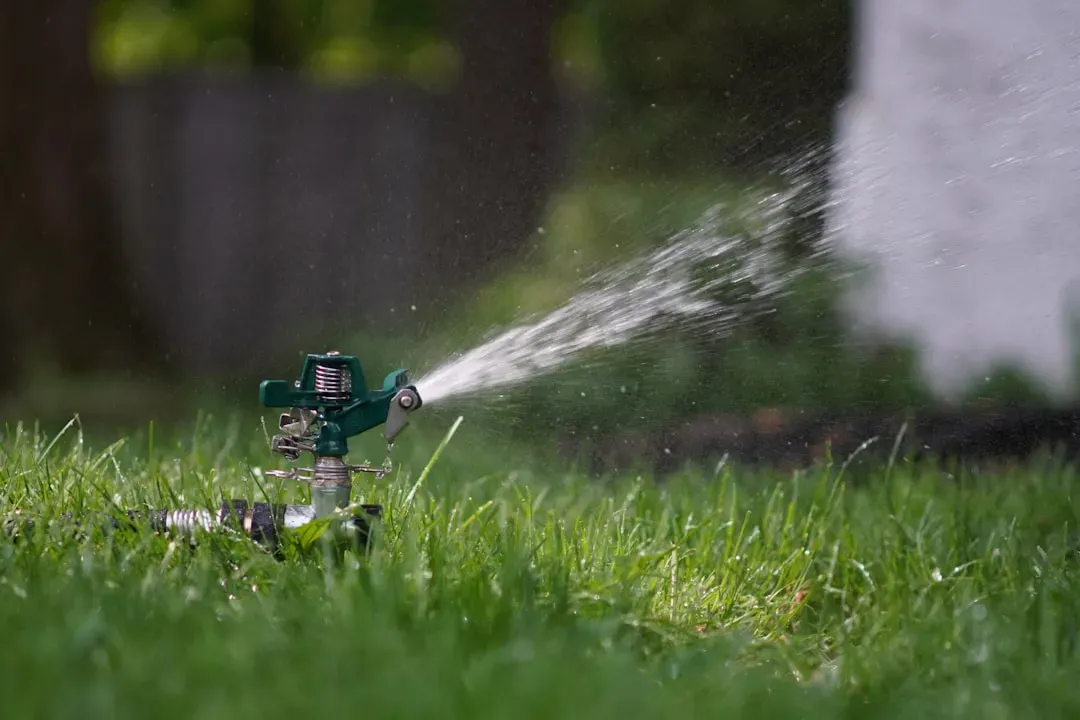
3. Watering at the Wrong Time of Day (Image Credits: Unsplash)
You might be watering the right amount and still doing real damage, simply because of when you turn the sprinkler on. Midday watering leads to wasteful evaporation, while nighttime watering causes droplets to cling to grass overnight, increasing the chance of lawn diseases. Watering in the evening feels convenient after a long day, but it is one of the sneakiest ways to invite fungus and disease into your yard.
Evening watering, though tempting for busy homeowners, leaves grass wet overnight. Prolonged leaf wetness encourages fungal growth and pest activity. The fix is straightforward. The best time to water grass is in the early morning, between 6 a.m. and 10 a.m. The temperature is cooler, which means that the water is less likely to evaporate before it can be absorbed by the grass. If you struggle to get up that early, a simple timer on your irrigation system handles it for you.
4. Using the Wrong Fertilizer or Over-Fertilizing
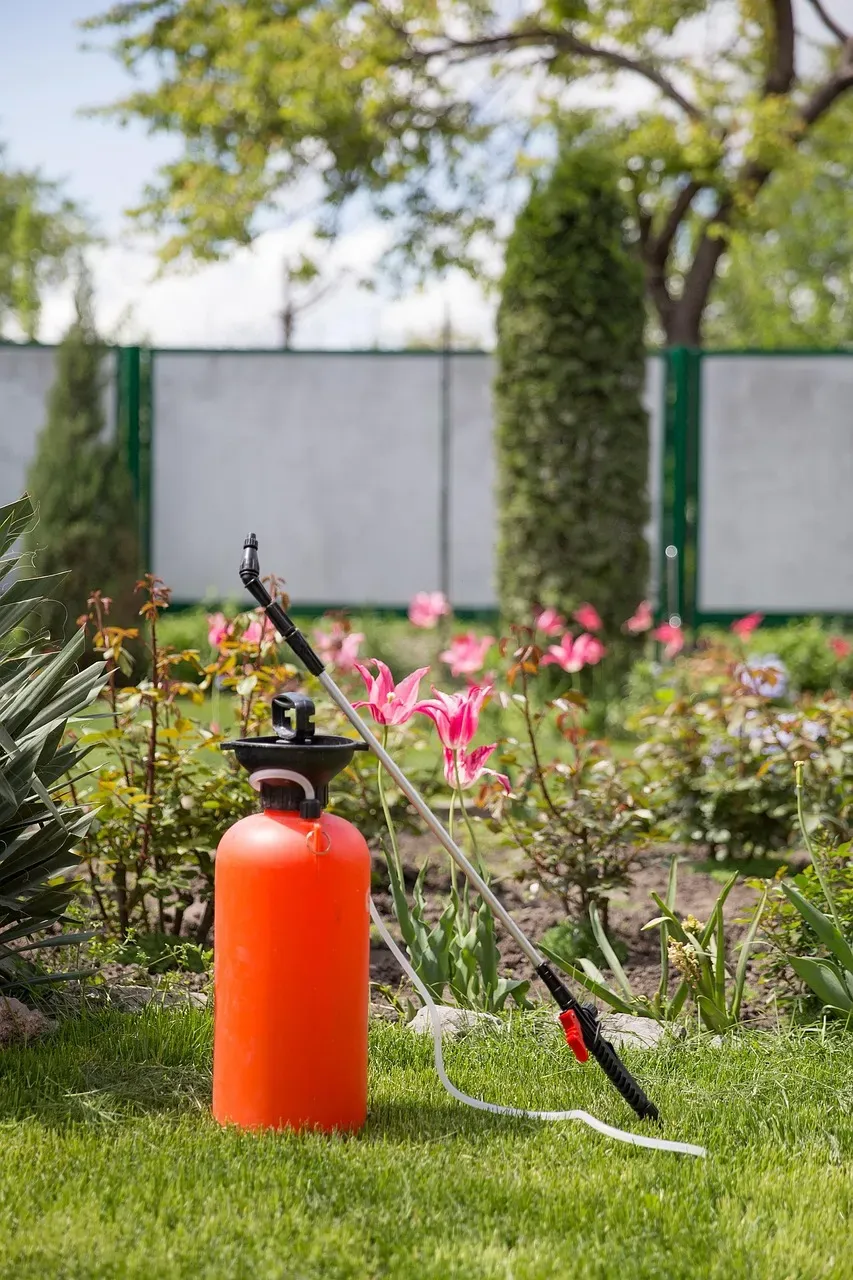
4. Using the Wrong Fertilizer or Over-Fertilizing (Image Credits: Pixabay)
Fertilizer is one of those lawn care tools where more is definitely not better, and yet the temptation to dump on an extra scoop is real. Excessive fertilizer can sometimes result in a burn effect, where nitrogen and salt concentrations are too much for plants. The fertilizer makes the soil too salty, reversing the flow of water from plant leaves back into the soil. This dehydrates the plants, damages the root system, and leads to dry and yellow patches.
While most homeowners know it is important to fertilize their lawn, not everyone knows how to do it correctly. Applying the wrong fertilizer or applying too much can do more harm than good. The correct fertilizer can also be ineffective if applied too sparingly or at the wrong time of year. Cool-season grasses like fescue or bluegrass need fertilizer mostly in spring and fall, while warm-season grasses like Bermuda or zoysia should be fed in late spring and summer. Matching your fertilizer timing to your actual grass type makes a massive difference.
5. Neglecting Soil Health and Skipping Aeration
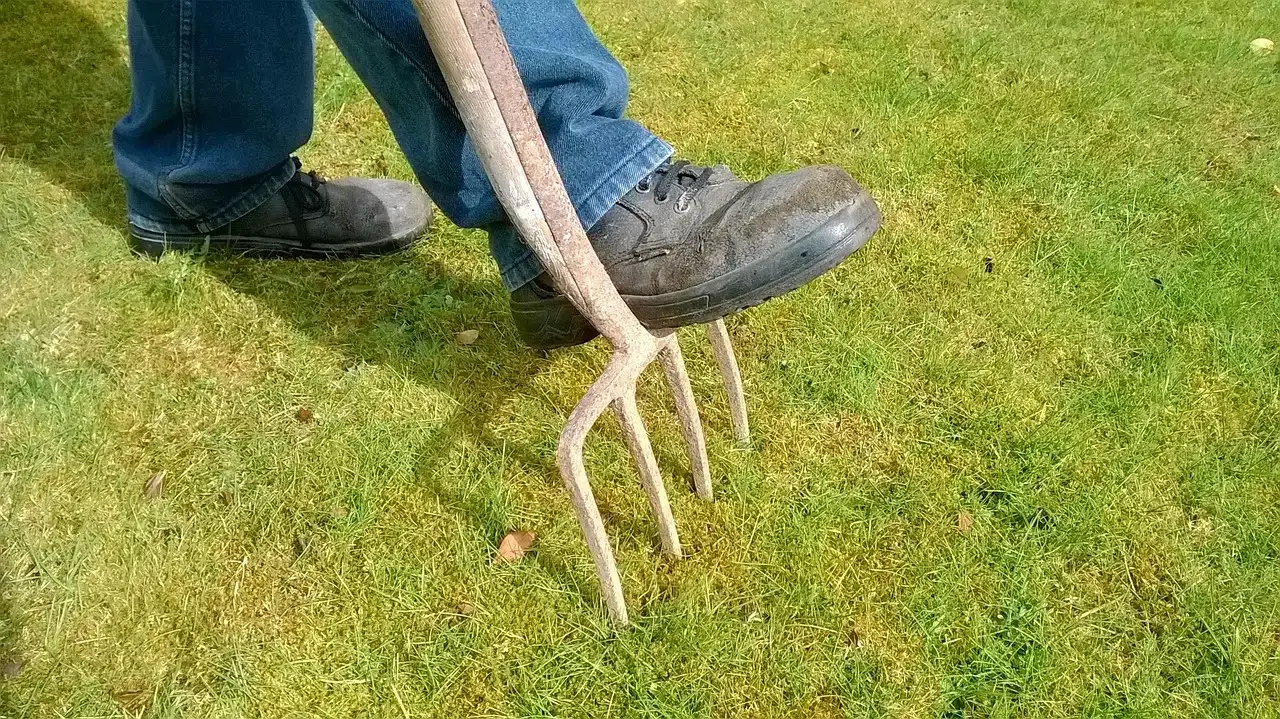
5. Neglecting Soil Health and Skipping Aeration (Image Credits: Pixabay)
Many homeowners focus solely on watering and mowing but overlook the health of their soil. Compacted, nutrient-deficient soil can lead to poor grass growth, excessive weeds, and water runoff. Honestly, this might be the most overlooked aspect of lawn care overall. People see the grass and forget that what happens underground is the whole game.
Heavy clay soils and areas with frequent foot traffic are especially prone to compaction, yet many homeowners skip aeration entirely, unaware of its importance to lawn health. Core aeration, which removes small plugs of soil, is significantly more effective than spike aeration, which can actually increase compaction around the holes. Aerating your lawn annually improves airflow and allows nutrients to penetrate the soil. Regularly testing your soil's pH levels and supplementing it with the right fertilizers or organic matter keeps it balanced and nutrient rich.
6. Mowing with Dull Blades
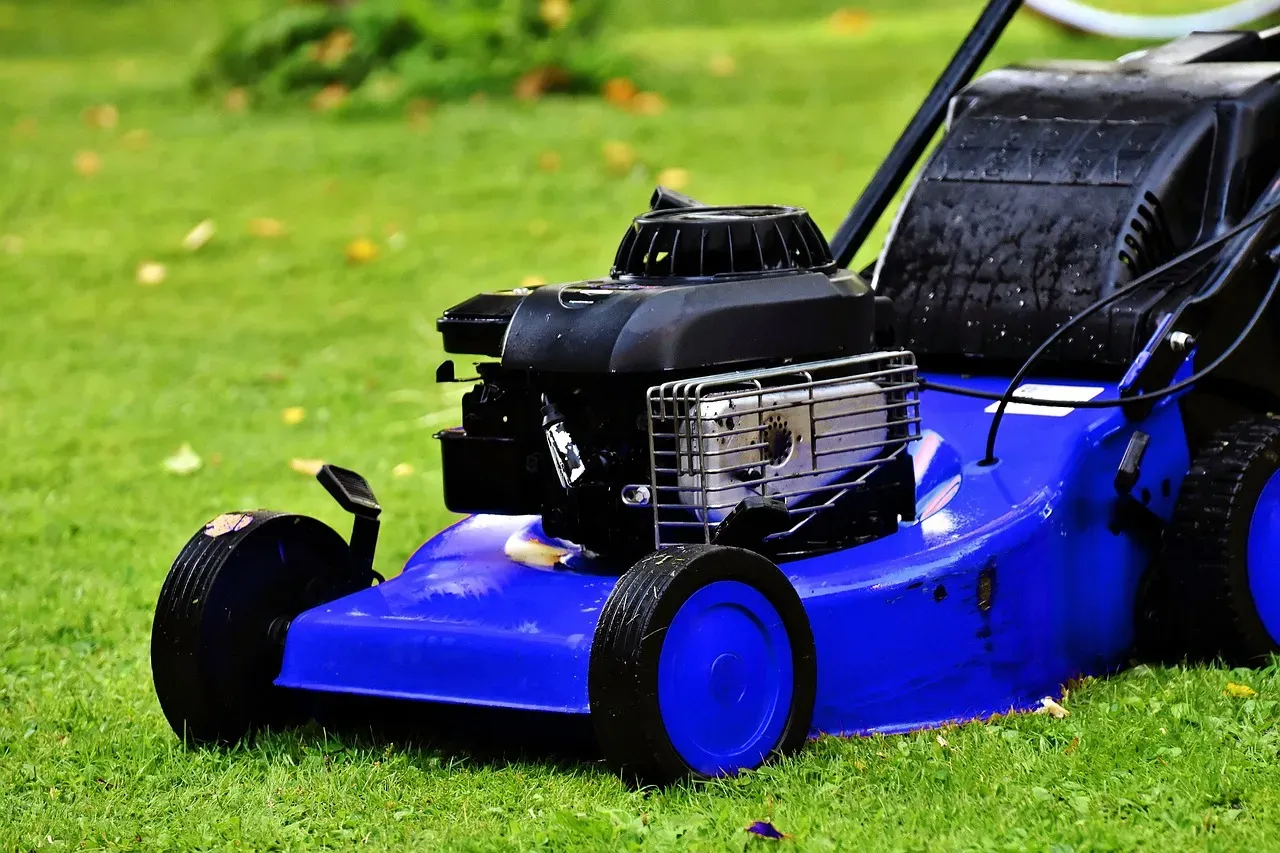
6. Mowing with Dull Blades (Image Credits: Pixabay)
This one gets overlooked constantly, maybe because the mower still runs and the grass still looks shorter after you finish. But there is a significant difference between a clean cut and what a dull blade actually does. Dull blades do not cut grass cleanly. They tear it. Torn blades lose moisture quickly and become vulnerable to disease. Picture tearing a piece of paper versus cutting it with scissors. The ragged edge is the problem.
A dull blade shreds the grass instead of cutting it cleanly. This causes the tips of the grass to die and turn brown. The jagged edges also invite pests and disease. The fix costs almost nothing in time or money. Sharpening blades twice per season makes a visible difference. Most lawn care professionals recommend sharpening after every 20 to 25 hours of mowing use. It is a small habit that pays off every single time you cut.
7. Choosing the Wrong Grass Type for Your Region
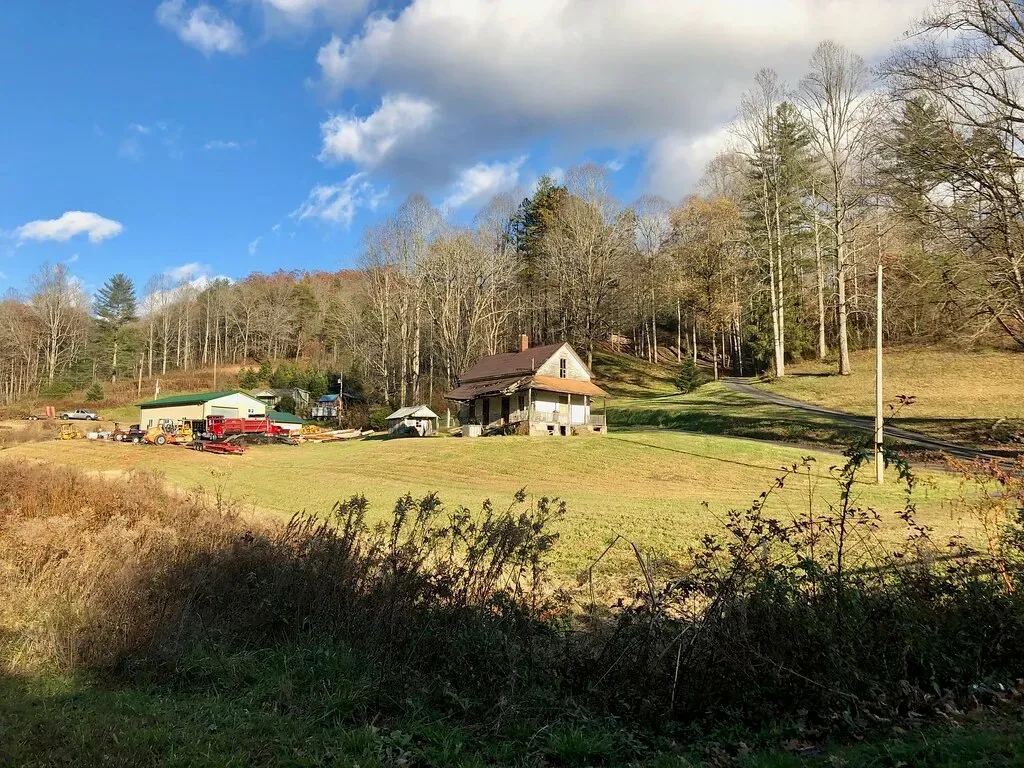
7. Choosing the Wrong Grass Type for Your Region (Image Credits: Flickr)
This mistake often happens once and then quietly causes problems for years. Certain grasses are native to their areas because they have adapted to thrive in that climate and ecosystem. Selecting a grass species that is incompatible with your climate or soil type can lead to poor growth and maintenance challenges. Grass that is not native or adapted to your region may require excessive care and resources to survive.
Variety is a necessary ingredient for a healthy lawn. When planting grass seed, choose a variety of seeds so your lawn is more likely to weather poor conditions like heat and drought. It is also worth noting that different kinds of grasses are meant to be successful in different regions of the country. The Penn State Extension emphasizes that selecting grass suited to your region is the foundation of lawn success. If you are fighting your regional climate every season, the grass itself may simply be the wrong match for your yard.
8. Ignoring Thatch Buildup
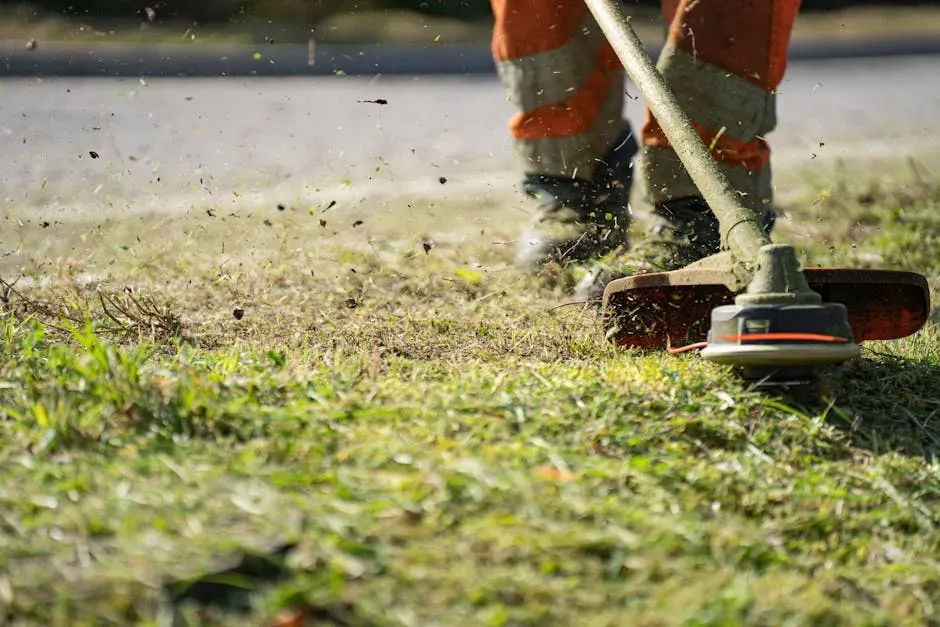
8. Ignoring Thatch Buildup (Image Credits: Pexels)
Thatch is the layer of dead grass stems, roots, and organic debris that accumulates between the soil surface and the living grass blades. A thin layer is actually fine. The trouble starts when it gets too thick. Thatch is a layer of dead plant material between soil and grass blades. A thin layer is healthy. Too much blocks nutrients and water. It is a slow, invisible problem until suddenly your lawn starts looking spongy and sad.
Thatch thicker than half an inch blocks water and nutrients while harboring pests. This layer of dead grass material accumulates between soil and living grass blades. Thatch can build up, preventing water and nutrients from soaking in. Aerate your lawn once a year, preferably in fall or spring, depending on your grass type. Dethatching may only be needed every few years, but if your lawn feels spongy or water runs off instead of soaking in, it is time to remove thatch. The simple press-your-finger-into-the-lawn test can tell you a lot. If that spongy layer is deeper than about half an inch, it is time to act.
The genuinely surprising thing about all eight of these mistakes is how fixable they are. None of them require expensive equipment or professional intervention. They just require knowing what to look for and being willing to change a habit or two. A lawn is a living system, and small adjustments in how you mow, water, feed, and care for your soil can completely transform what you see outside your window. What mistake surprised you the most? Drop a comment and let us know.