
Most parents have a mental list of things their children are allowed to do independently. Cross the street. Stay home for an hour. Handle minor disagreements with friends. The list grows as kids grow, and that’s exactly as it should be. Gradually building independence is healthy, essential even.
Still, there are situations where stepping back too far carries real consequences. Certain moments are not just uncomfortable for kids to navigate alone – they’re genuinely dangerous. Whether the risk is physical, emotional, or hidden behind a glowing screen, the following seven situations are ones that child safety experts and parents broadly agree on: adult involvement isn’t optional, it’s essential.
1. Encounters with Online Strangers
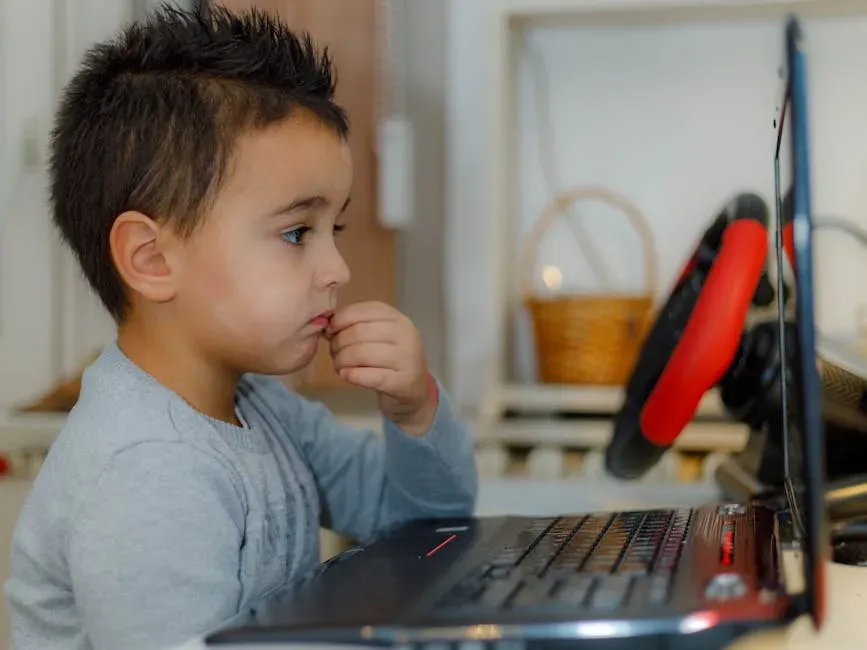
1. Encounters with Online Strangers (Image Credits: Pexels)
When a child goes online, whether on a phone, a gaming console, or a computer, the risk is very real. In 2024, the National Center for Missing and Exploited Children received more than 546,000 reports of someone trying to entice a child for sexual acts, a nearly 600 percent growth in just two years. That's not an abstract threat. It's happening on the same platforms kids use to talk to their classmates and watch videos.
Children often rely on their instincts to navigate the digital world due to a lack of actual or perceived alternatives, increasing their vulnerability to digital harm. Instinct is simply not enough when the other side of the conversation is a practiced adult who has done this before. Sexual predators often hide in plain sight on gaming and social media platforms, using tactics called grooming or luring to start conversations with kids, and they build trust with a child before introducing inappropriate behavior or making illicit requests. Children need a trusted adult in the loop – not as a punishment, but as a genuine layer of protection.
2. Any Situation Near Open Water
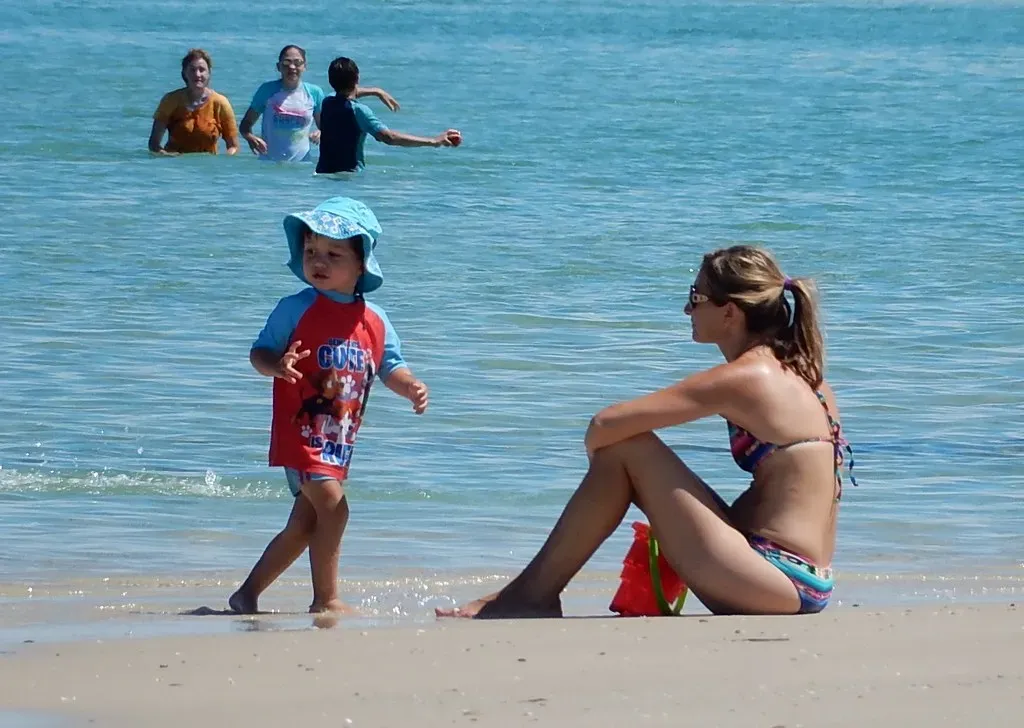
2. Any Situation Near Open Water (mikecogh, Flickr, <a href="https://creativecommons.org/licenses/by-sa/2.0/" target="_blank" rel="noopener">CC BY-SA 2.0</a>)
Drowning is the leading cause of death in children ages 1 to 4 years and a common cause of death in toddlers and adolescents. New data released in May 2024 points to an urgent need for greater prevention: among 1- to 4-year-olds, drowning deaths have increased roughly a quarter over the past four years. These aren't all pool accidents at public beaches. Many happen indoors.
Young children can drown in less than two inches of water, meaning bathtubs, toilets, and even buckets can pose a drowning hazard to a toddler or baby. To prevent such tragedies, never leave a baby alone in the bath, even for a fraction of a second. Often drowning deaths result from momentary lapses in supervision – a parent who leaves the room for 20 or 30 seconds to answer the door or grab their phone. And tragically, children can drown in that short a period of time.
3. A Medical Emergency at Home

3. A Medical Emergency at Home (Image Credits: Pexels)
Children left alone at home should be provided with a list of community phone numbers like the fire department, police department, and a trusted friend or neighbor, and parents should make sure children know how and when to call 911. Emergency procedures – what to do in various emergency situations like a fire, power outage, or medical emergency – need to be reviewed with them in advance. But knowing the number and actually managing a medical crisis alone are very different things.
Young children in particular don't have the emotional regulation or medical knowledge to assess whether a situation is serious. They may panic, wait too long, or not understand the severity of symptoms they're observing. Fires and burns are the fifth leading cause of unintentional injury-related deaths to infants, children, and adolescents, and about 80,000 are treated and released from emergency departments each year for nonfatal, unintentional fire or burn injuries. Having a practiced plan and adult involvement isn't overprotection – it's the difference that counts.
4. Mental Health Crises and Thoughts of Self-Harm

4. Mental Health Crises and Thoughts of Self-Harm (Image Credits: Pexels)
Four years after the American Academy of Child and Adolescent Psychiatry, the American Academy of Pediatrics, and the Children's Hospital Association declared a national emergency for children's mental health, the issue remains urgent. Children nationwide continue to struggle with anxiety, depression, suicidal thoughts, and other mental health conditions. This is not an isolated or fringe concern. It's a widespread reality.
The incidence of self-harm among adolescents has experienced a significant rise. In England, more than one in ten young individuals reported participating in self-harm activities in 2024, with the prevalence notably higher among females. Almost one-third of these individuals reported having suicidal thoughts. Parents should look for mood swings, withdrawal from friends, declining academic performance, changes in sleep or appetite, irritability, or talk of hopelessness. Early intervention is critical – do not wait for symptoms to escalate before seeking professional help.
5. Interactions with Unknown Adults Who Approach Them

5. Interactions with Unknown Adults Who Approach Them (Image Credits: Unsplash)
If someone makes a child feel scared or uncomfortable, the right response is to get away as fast as they can and tell a trusted adult. That's a straightforward rule, but it's harder to follow in practice when a child is alone and an adult seems friendly, authoritative, or insistent. Kids often lack the confidence to say no to adults, particularly ones who claim to be in a position of authority.
Children should be taught never to open the door for someone they don't know, even if the person claims to be an authority figure or a friend of the family. The same logic applies outside the home. Letting someone know where children will be at all times is important – if they're faced with a risky situation or get into trouble, a known location makes it possible to help. Giving kids a plan, a contact, and permission to say no loudly and leave fast is the practical version of protection.
6. Cyberbullying and Online Harassment

6. Cyberbullying and Online Harassment (Image Credits: Pexels)
A significant challenge identified in recent research is the troubling correlation between problematic social media use and deteriorating mental health. Between 2018 and 2022, problematic social media use among adolescents aged 11, 13, and 15 across 44 countries in Europe, Central Asia, and Canada increased from 7 to 11 percent. Cyberbullying sits at the center of this problem. Unlike schoolyard conflict, it follows kids into their bedrooms.
In a recent survey, one in five teens reported being a victim of sextortion, according to a 2025 report by the child safety nonprofit Thorn. The most frequent victims were ages 13 to 15, though some victims reported their first experience happening at age 12 or even younger. Of those victimized, one in seven reported harming themselves as a result of the abuse. Sextortion often happens quickly, leaving little time for parental intervention, so it's important to have open and ongoing communication with kids about online safety. Shame keeps children silent. Parents need to make it clear that they won't be angry, so kids don't suffer alone.
7. Situations Where They Feel Physically Unsafe or Threatened
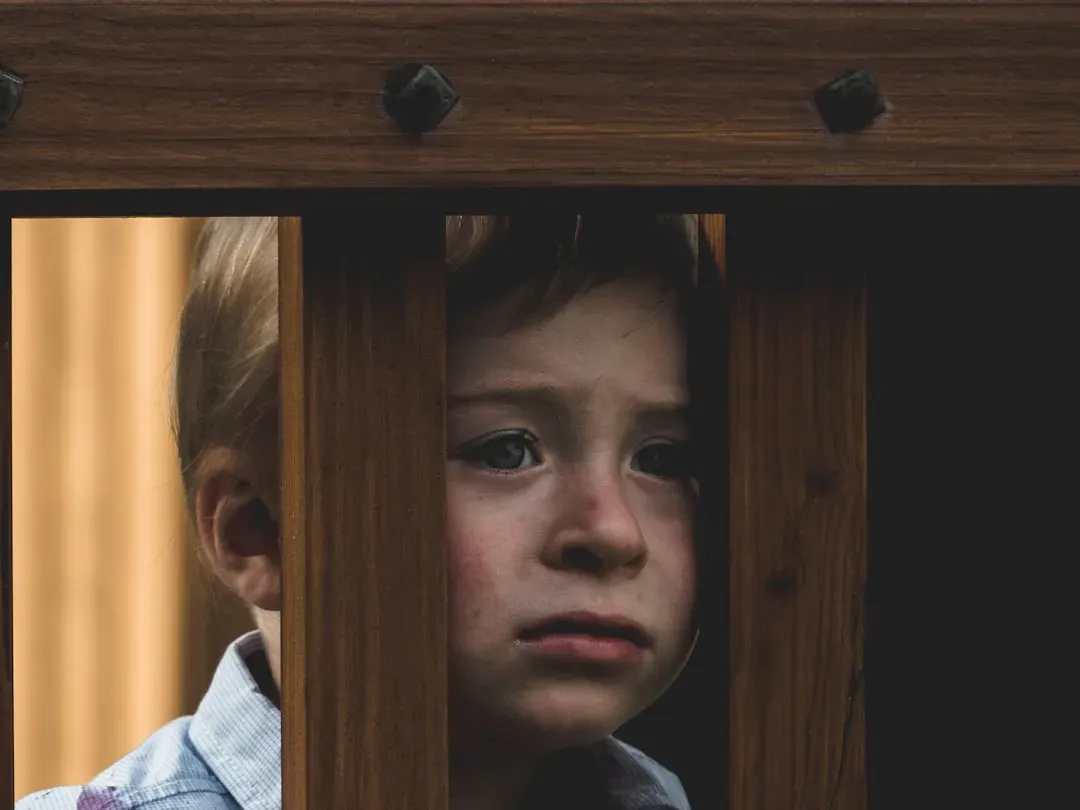
7. Situations Where They Feel Physically Unsafe or Threatened (Image Credits: Unsplash)
If a child is faced with a risky situation or feels threatened, they should know that if someone – anyone – touches them in a way that makes them feel uncomfortable, they have the right to say no. That includes situations involving peers, not only strangers. Children need to be taught that their discomfort is valid and that acting on it by leaving or calling for help is always the right move.
Research shows that children are unable to properly judge the speed and distance of an approaching vehicle until they're about 10 years old. Physical threats aren't always deliberate – they're sometimes environmental. The notion of being injured at school by a classmate or an outside attacker is a fear that's all too real. Although schools prepare with drills and staff training, families can also help by establishing a communication plan that could be applied in any crisis. Teaching children to recognize when something feels wrong, and to act on that feeling by reaching an adult immediately, is one of the most practical safety tools parents can give them.
Independence is worth building. Children gain confidence, judgment, and resilience by handling things on their own. The goal isn't to shield kids from all difficulty – it's to make sure that when the stakes are genuinely high, they know not to face it alone, and that a trustworthy adult is always within reach.