
Something quietly unsettling has been happening to the food on your plate. The tomato looks ripe, the spinach gleams under the grocery store lights, and the apple is perfectly round and red. Yet a growing body of scientific research suggests that what you see on the surface may not tell the whole story about what’s actually inside these foods at a nutritional level.
Over the past several decades, multiple independent studies have tracked a slow but measurable change in the vitamin and mineral content of common fruits and vegetables. The science is nuanced, still debated in some corners, and not without its complexities – but the signal is hard to ignore. Here are twelve , and why it matters far more than most people realize. Let’s dive in.
1. Soil Depletion Is Quietly Stripping Away Minerals
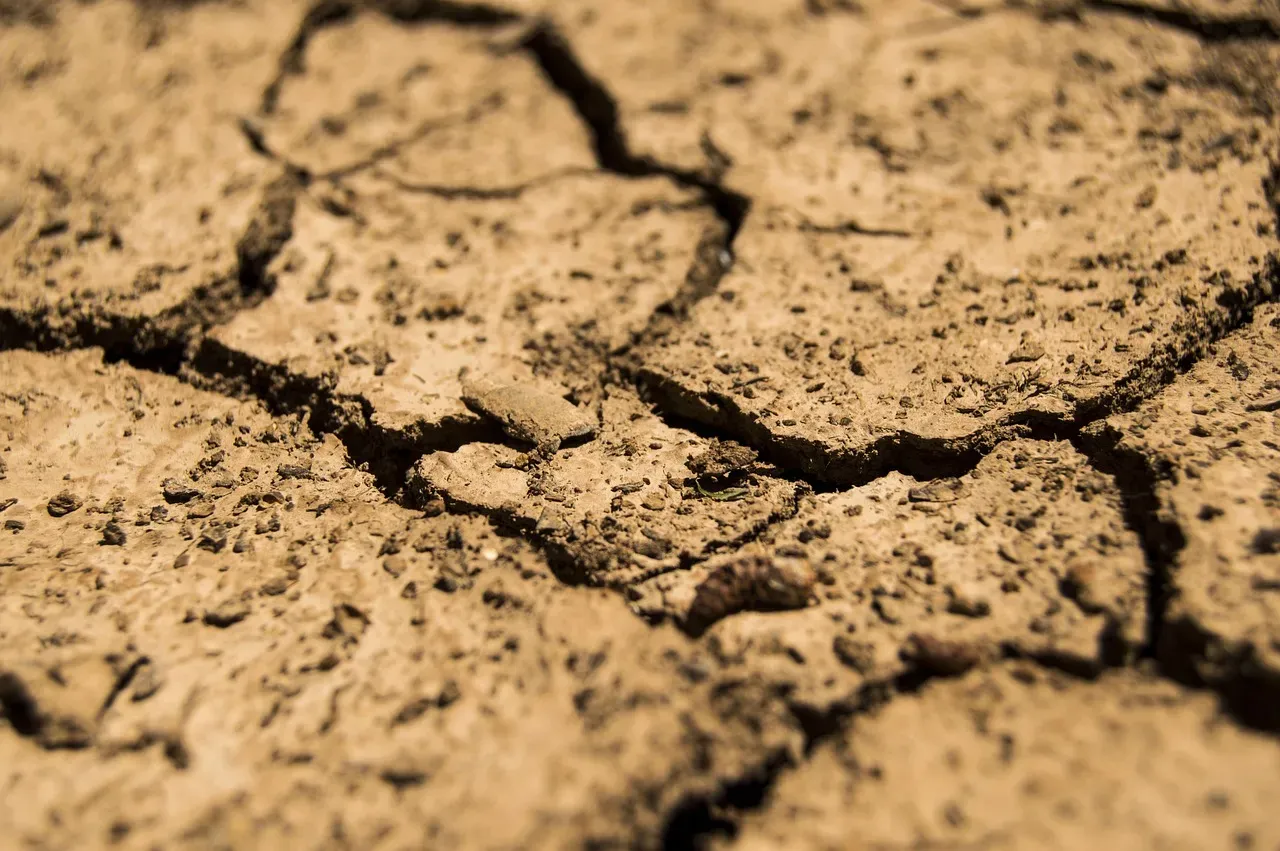
1. Soil Depletion Is Quietly Stripping Away Minerals (Image Credits: Pixabay)
Here's the thing about soil: it's not just dirt. It's a living, breathing ecosystem packed with bacteria, fungi, organic matter, and minerals that plants depend on to build their nutritional profile. The main culprit in this disturbing nutritional trend is soil depletion – modern intensive agricultural methods have stripped increasing amounts of nutrients from the soil in which the food we eat grows. Think of it like withdrawing from a bank account without ever making a deposit. Eventually, the balance runs low.
The use of modern agricultural techniques, such as intensive plowing and monoculture, has led to soil erosion and a decline in organic matter. Soil degradation leads to reduced nutrient availability to plants, which affects their overall nutritional quality. The downstream effect is real and measurable. There has been a significant decrease in calcium concentration in several leafy vegetables, reflecting the general trend toward a decline in the nutritional quality of fresh produce.
2. The "Dilution Effect" from High-Yield Farming
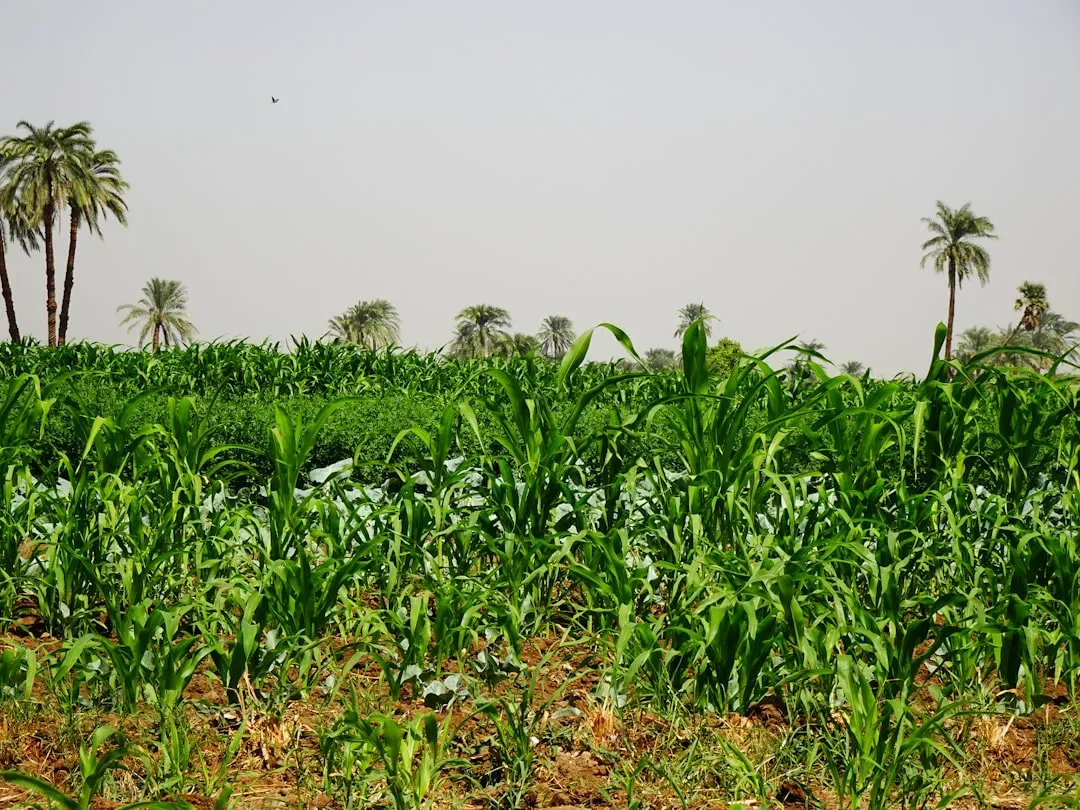
2. The "Dilution Effect" from High-Yield Farming (Image Credits: Unsplash)
Honestly, this one is surprisingly logical once you understand it. A 2009 study from HortScience of produce from the United States and the United Kingdom found inverse relationships between crop yield and how much nutritional value they had. In other words, the researcher found that the higher the amount of a certain crop harvested, the less nutrients it had – the "dilution effect." It's a bit like watering down orange juice. More volume, same amount of nutrients, less concentration per sip.
Over many years of using yield potential as the dominant criterion in developing improved varieties, while average yields have risen, plant root systems have not been able to keep pace in drawing more needed micronutrients from the soil. When breeders selectively breed for one resource, using a selected trait like yield, fewer resources remain for other plant functions. The science behind this trade-off is now well-established, and it raises uncomfortable questions about what we're actually optimizing for.
3. Selective Breeding Prioritizes Size Over Substance

3. Selective Breeding Prioritizes Size Over Substance (Image Credits: Pexels)
Crops are bred to be bigger and multiply faster – with the right tweaks, an apple tree may produce 200 apples a season instead of 100. On the surface, that seems good for everyone. Farmers make more money and their crops feed more people. The downside is that while yield doubles, the apple tree does not see an equivalent increase in nutrients. It may produce twice as many apples but the total nutrient content remains the same, so one apple has half the nutrients it used to have.
Genetic modification and selective breeding usually prioritize greater yield over greater nutrition, which means there's more food overall, but each individual piece of food has fewer nutrients. I think this is one of the most underappreciated problems in modern food – it's entirely invisible to the average shopper. A 2017 review argues that mineral dilution is the main driver of the decline in food quality, even more so than soil quality. The author urges food geneticists to stop selecting for yield alone and consider the nutrient value of crops as well.
4. Rising Carbon Dioxide Levels Are Changing Crop Chemistry
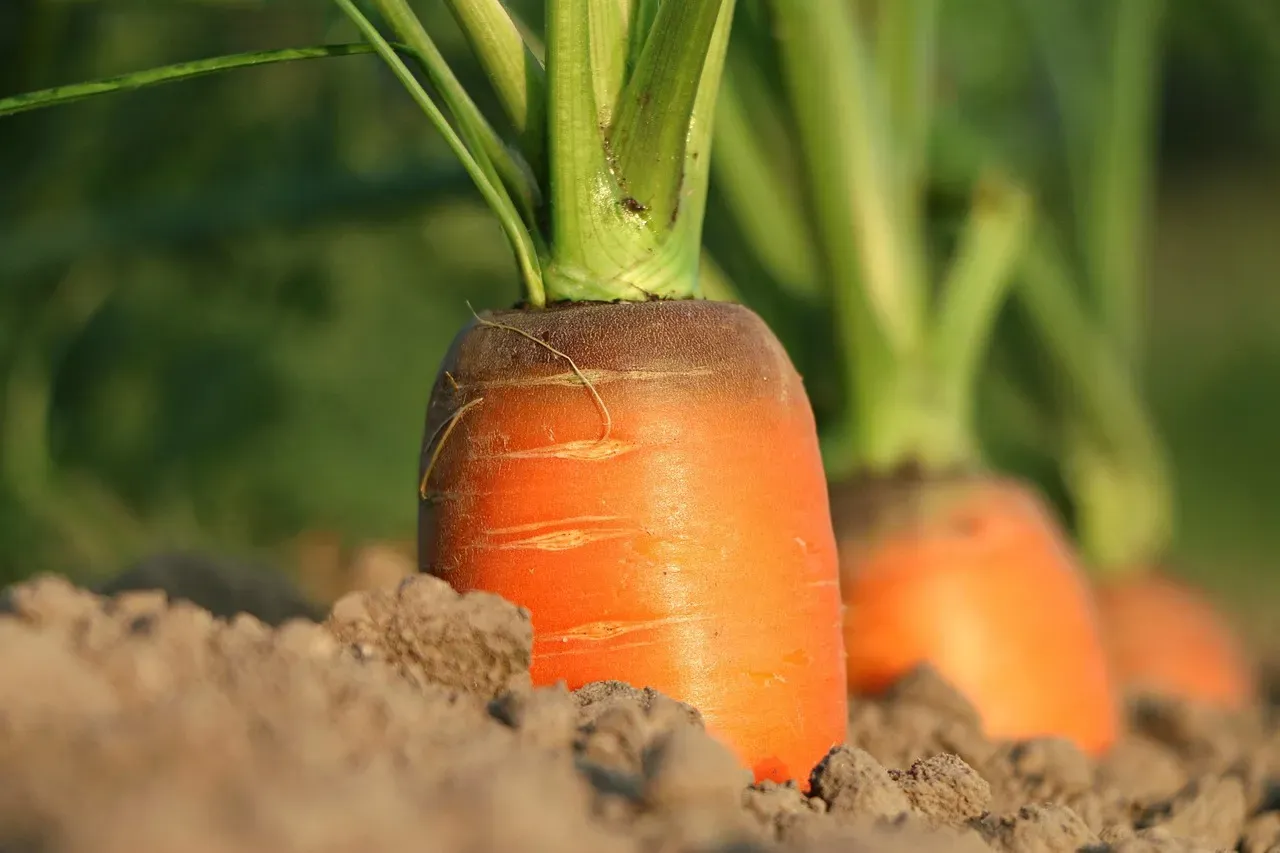
4. Rising Carbon Dioxide Levels Are Changing Crop Chemistry (Image Credits: Pixabay)
This one feels almost counterintuitive. More CO2 means more plant growth, right? In some ways, yes. But the nutritional picture is considerably darker. Crops grown under higher-carbon conditions increase the synthesis of sugars and starches while decreasing the concentrations of protein and nutrients. These findings are evident in global staple foods including rice, wheat, potatoes, and barley. The plants are essentially bulking up on carbohydrates while becoming leaner in everything else that matters to human health.
A 2018 review of 50 articles published in Frontiers in Plant Science found that when carbon levels rise, protein levels drop by nearly 10%, iron by 16%, zinc by about 9%, and magnesium by about 9%. These are not trivial numbers. Nutrient security is under threat even if food security remains adequate; food will become more caloric and less nutritious. We may be heading toward a world with plenty of calories but a deepening hidden hunger crisis.
5. Decades of Data Show Consistent Nutrient Declines
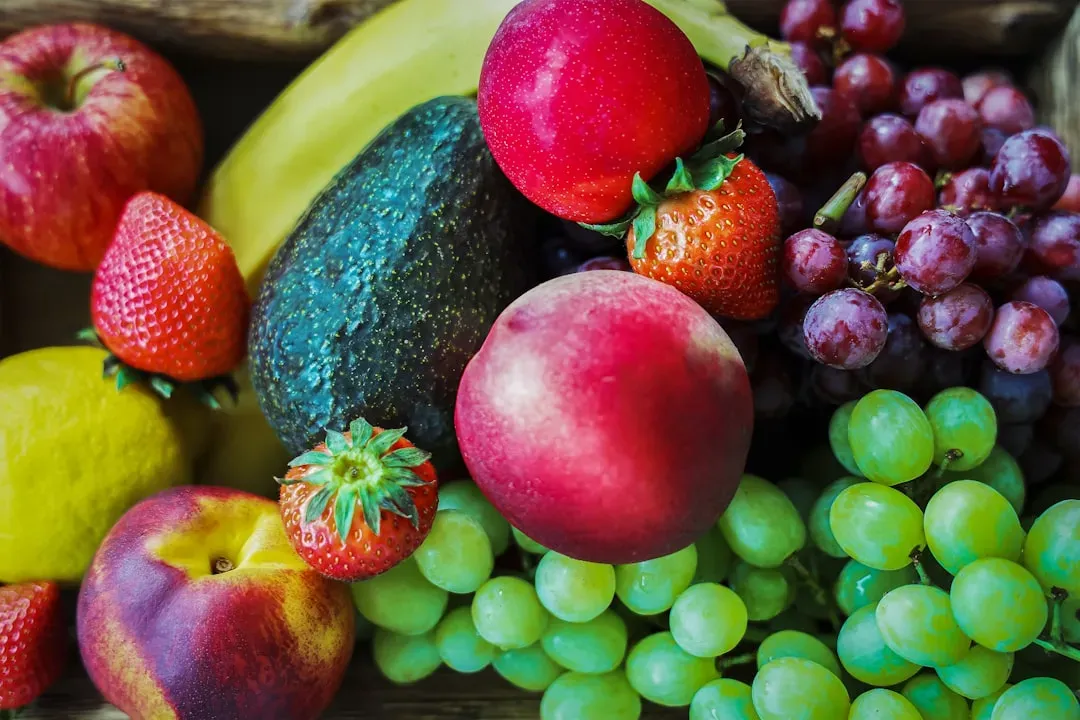
5. Decades of Data Show Consistent Nutrient Declines (Image Credits: Unsplash)
The historical data is striking. Using USDA nutrient data published in 1950 and 1999, researchers at the University of Texas at Austin noted changes in 13 nutrients in 43 different garden crops. These raw fruits and veggies showed declines in protein, calcium, and phosphorus, which are essential for building and maintaining strong bones and teeth and for proper nerve function. There were also dips in iron, vital for carrying oxygen throughout the body, and in riboflavin, which is crucial for metabolism of fats and drugs. Levels of vitamin C also fell.
Popular fruits and vegetables such as apples, oranges, mango, guava, banana, tomato, and potato have seen a 25-50% decline in nutrient density in the past 50-70 years. Let that sink in. Yet another study concluded that one would have to eat eight oranges today to derive the same amount of Vitamin A as our grandparents would have gotten from one. Eight oranges. That's not a rounding error – that's a profound shift.
6. Synthetic Fertilizers Alter How Plants Absorb Nutrients
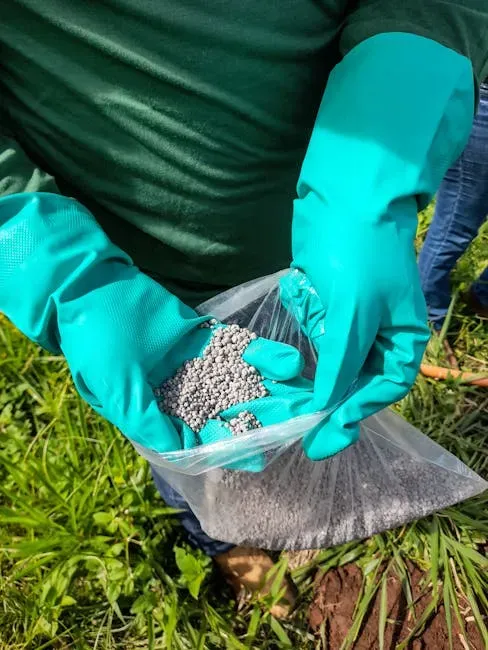
6. Synthetic Fertilizers Alter How Plants Absorb Nutrients (Image Credits: Pexels)
Pesticides and synthetic fertilizers are widely used in modern agriculture, which has a significant effect on the nutritional quality of plants. According to research, these chemicals alter the ability of plants to absorb nutrients, compromising their nutritional value. Despite their effectiveness in increasing crop yields, pesticides and synthetic fertilizers have detrimental effects on the ability of plants to take up essential nutrients from the soil.
As farming practices become even more intensive, pushing higher yields with high nitrogen loads, there is even more risk of key nutrients being lost due to the disruption of the natural soil ecosystem. It's a strange paradox – the very inputs meant to supercharge crop growth may be part of what's undermining the nutritional return. Macro- and micronutrient fertilizers enhanced protein, mineral, and antioxidant levels but, when misapplied, often led to nutrient dilution, antagonism, or reduced accumulation of other beneficial compounds.
7. Monoculture Farming Damages Soil Microbial Diversity
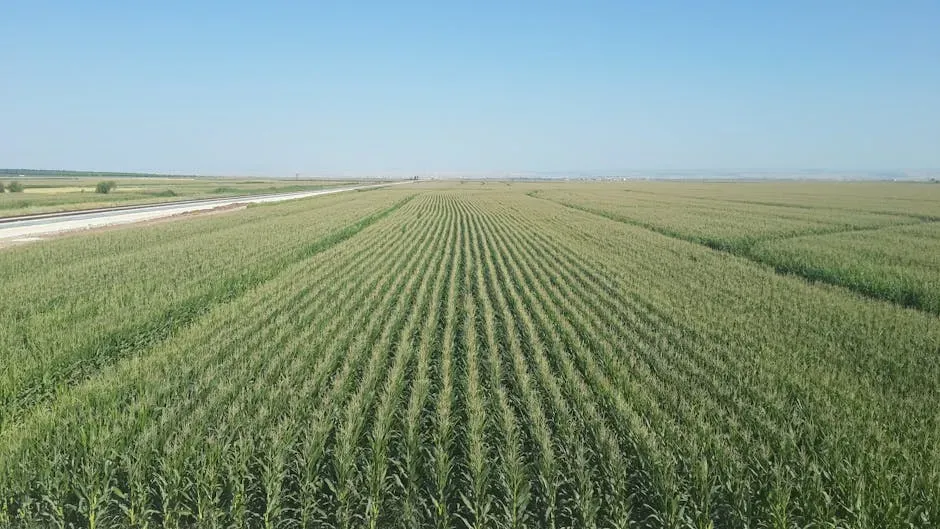
7. Monoculture Farming Damages Soil Microbial Diversity (Image Credits: Pexels)
This is a less-talked-about factor, but it may be one of the most consequential. Agricultural practices such as tillage disrupt soil structure, while monocropping – growing the same type of crop in the same field year after year – reduces the amount of bacteria, fungi, nutrients and other microbes in the soil. A living soil teems with organisms that essentially work as mineral couriers between the earth and the plant. Remove that network, and the supply chain collapses.
Field soil enriched with bacteria and rhizospheric microorganisms has encouraging effects on food's organoleptic quality and enhances the vitamin, flavonoid, antioxidant, and mineral content, whereas specialized soil fungi effectively extend the plant root system with mycelium, releasing nutrients from the soil for plants. When monocropping strips these communities away, crops essentially lose access to a nutrient delivery system that evolved over millions of years. The soil, which was once rich in organic matter and teeming with beneficial microorganisms, has been stripped of its nutrients through continuous monocropping and overuse of synthetic fertilizers and pesticides.
8. Early Harvesting Interrupts Natural Nutrient Development
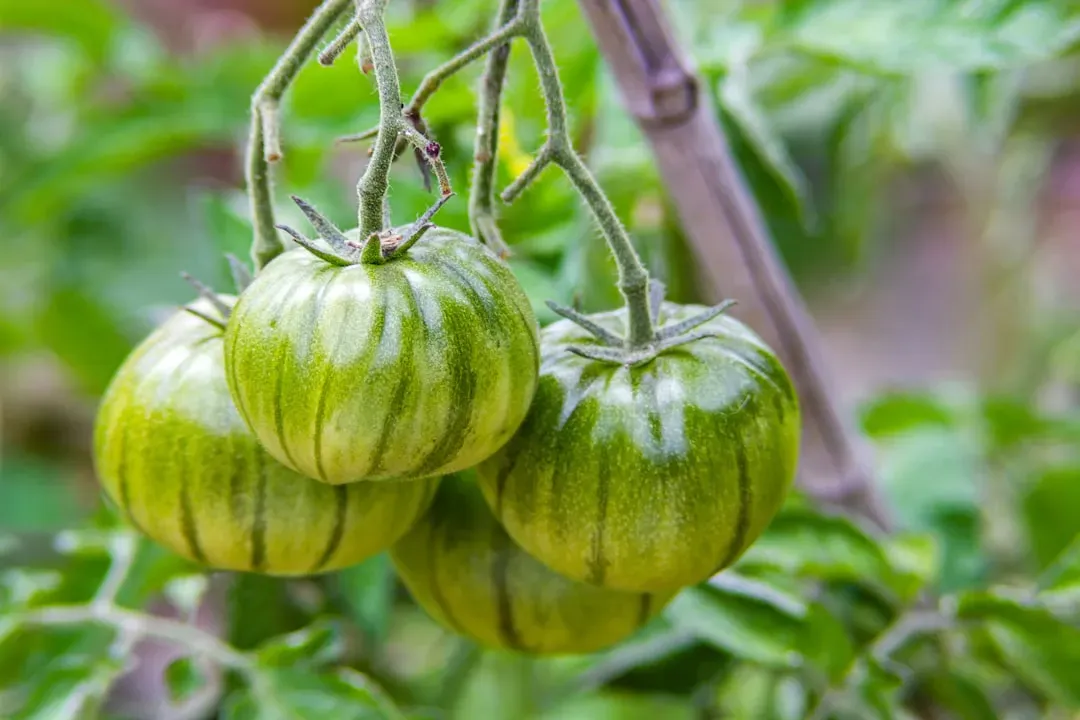
8. Early Harvesting Interrupts Natural Nutrient Development (Image Credits: Unsplash)
Think about how a tomato on a vine ripens in the sun. There's a reason that tastes so different from a supermarket tomato picked while still green. Once fruits and vegetables leave the field, they are often transported more than 1,000 miles to market. The older your produce, the fewer of those essential nutrients it has. Harvesting early to survive long-distance shipping means the plant never finishes its biochemical work.
Home grown produce can sometimes be more nutritious than those from a supermarket, which sometimes must be picked early, which lowers their potential nutrient profile. There's also the storage angle to consider. Experts say produce slowly loses nutrients when stored in a cold, dark place for a period of time. Some fruits and vegetables are more prone to this nutrient loss and can lose as much as 50% of their phytonutrients in three to five days. That beautiful-looking pepper sitting in your fridge for a week may be nutritionally hollow by the time it reaches your cutting board.
9. Traditional Crop Varieties Are Being Replaced by Inferior Ones

9. Traditional Crop Varieties Are Being Replaced by Inferior Ones (Image Credits: Unsplash)
Let's be real – the old ways weren't always wrong. Studies show that traditional fruits and vegetables are significantly superior to modern ones in protein, minerals, fiber, and B vitamins. They are also higher in health-promoting phytochemicals, such as polyphenols, lignans, phytoestrogens, and phycocyanins. These are not just nutrients. These are the compounds that protect against chronic disease, support immune function, and contribute to long-term health.
The potential causes behind the decline in the nutritional quality of foods have been identified worldwide as chaotic mineral nutrient application, the preference for less nutritious cultivars/crops, the use of high-yielding varieties, and agronomic issues associated with a shift from natural farming to chemical farming. The tragedy is that these traditional grains have been nearly eliminated from modern diets – replaced by high-yield, lower-nutrient grains. Bringing these ancient crops back into the modern food system could be crucial in reversing the decline in global nutrient levels and supporting long-term health.
10. Hydroponics and Soilless Growing May Miss Key Micronutrients
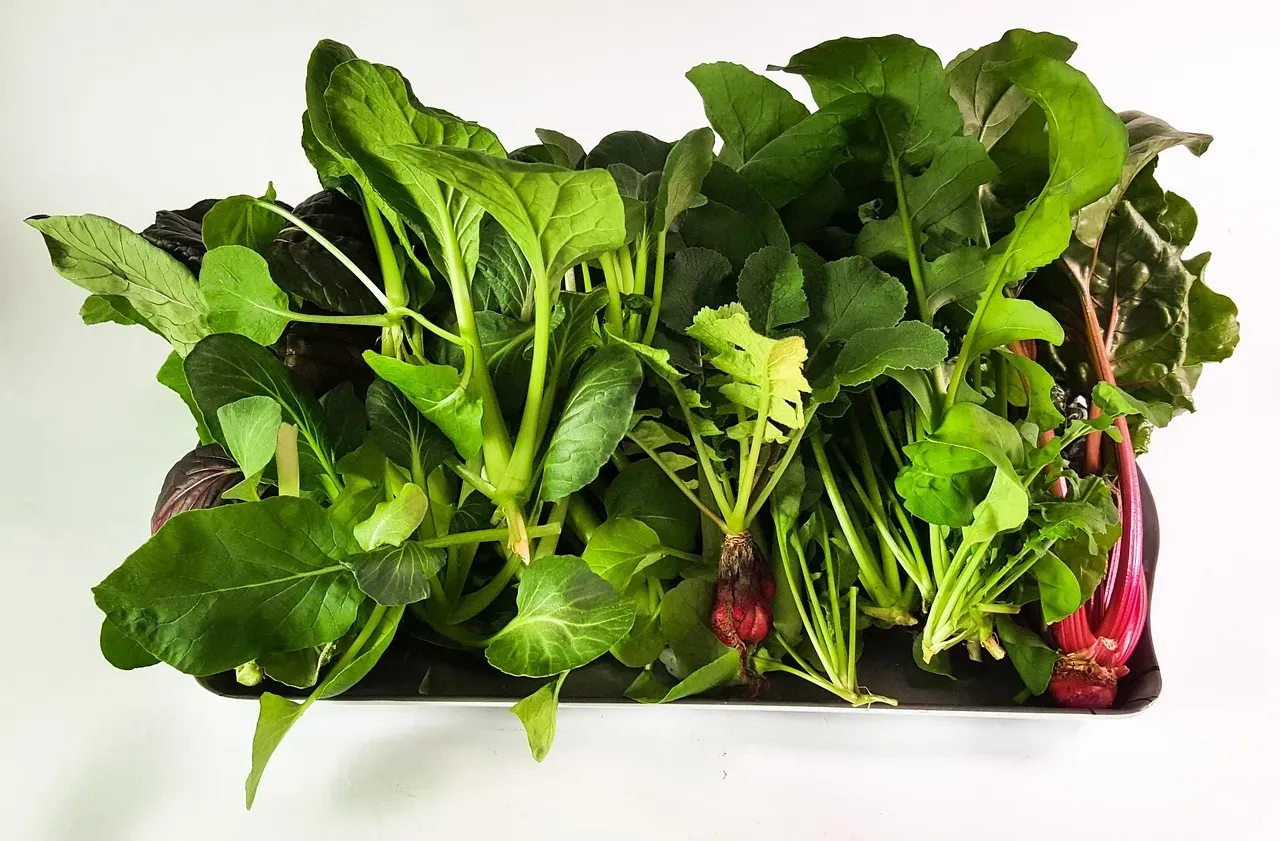
10. Hydroponics and Soilless Growing May Miss Key Micronutrients (Image Credits: Pixabay)
The rise of controlled-environment agriculture and hydroponic growing looks, on paper, like progress. Clean, efficient, year-round production. But there's a nutritional caveat worth understanding. Tomatoes, peppers, and cucumbers are now produced in soil-less culture such as hydroponics under protected conditions which are optimized to maximize the yield, using artificial fertilizers and irrigation. The nutritional value of the produce is not considered, whereas crops grown in soil may be able to take up some micronutrients in greater amounts through biochemical processes and rhizospheric microorganisms.
Plants grown in natural soil may be able to take up many other micronutrients that are not essential for plants but are highly useful for human nutrition. It's a bit like the difference between a multivitamin and eating a whole food. The basics might be covered, but something in the complexity gets lost. There is a surprising lack of robust research that compares the nutritional composition of the crops grown in natural soil and hydroponic systems – which means the full picture is still coming into focus.