
Every few years, the design world quietly shifts direction. What once felt fresh and aspirational starts to look predictable, and homeowners begin craving something more personal, more layered, more real. That’s exactly what’s happening in 2026, and the pivot is pretty clear: the culture has shifted, with homeowners leaving behind sterile and minimalist designs and starting to be more fearless and unique in their design choices.
This doesn’t mean everything has to go. Many of these outgoing trends had real merit when they debuted. Designers warn that some trends from the past few years are starting to feel overly staged or disconnected from how people actually live in their homes, as more homeowners value authenticity and emotional connection over perfection. Here’s a look at 13 of those trends that are quietly losing their grip.
1. The All-White Interior
1. The All-White Interior (Image Credits: Unsplash)
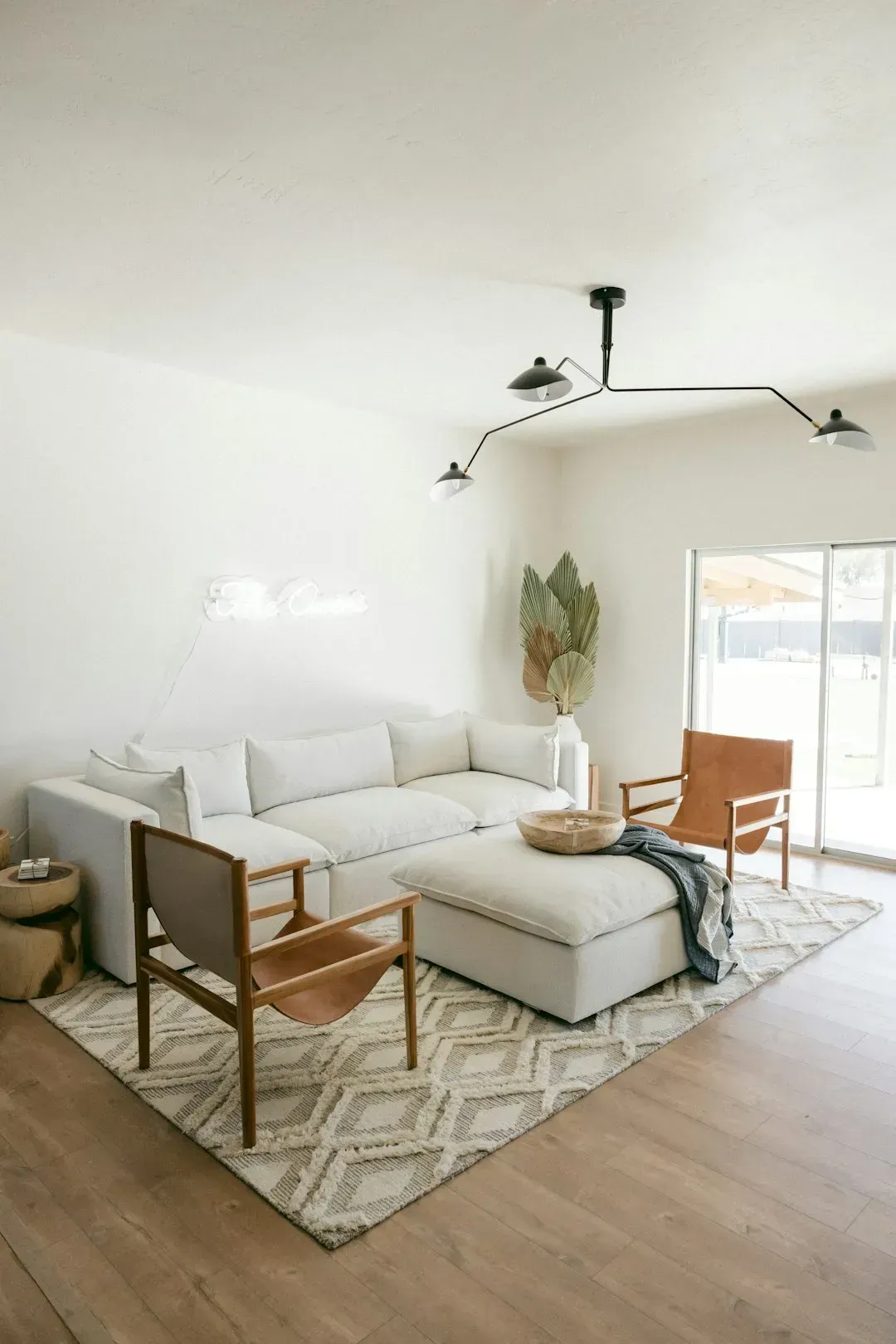
All-white spaces, often seen in bathrooms or kitchens, are becoming a thing of the past. In previous years, white color schemes were liked for their brightness, cleanliness, neutrality, and calmness. Today, that stark backdrop is much too sterile. The look that once read as modern and sophisticated now feels more like a hospital waiting room than a home.
The most stylish spaces in 2026 are all about color and character, so aesthetics like ultra-minimalism, all-gray everything, and homes that slightly resemble a showroom are now making spaces feel dated. Designers are replacing blinding whites with warmer, layered palettes that actually invite people to sit down and stay a while.
2. Millennial Gray Walls and Floors
2. Millennial Gray Walls and Floors (Image Credits: Unsplash)
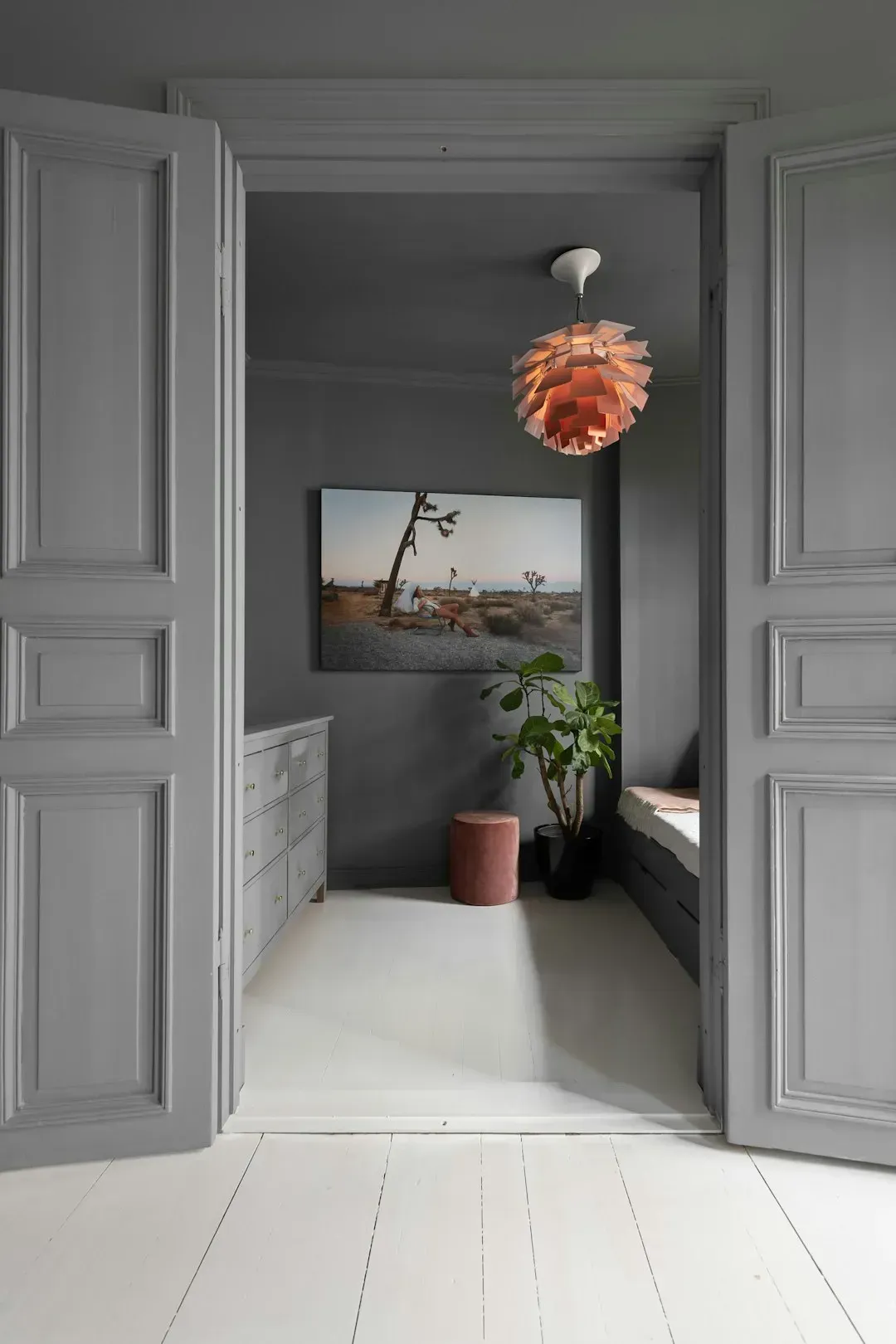
Gray’s heyday seems to be officially over. The millennial gray home decor trend was aptly named after its popularity with millennials, particularly in the 2010s. While it used to be stylish to drench your entire home in neutral, cool-toned gray shades, many people are tired of it. It became so ubiquitous that it stopped feeling like a design choice and started feeling like the absence of one.
Once deemed timeless and classic, cool-toned grays and stark whites have fallen out of favor. While rich charcoals and warm whites continue to be popular amongst designers, cool-toned grays are no longer factored into 2026 color trends. Millennial gray and bright white may have been in every living room during the 2000s, but today, they feel a little lifeless.
3. Matte Black Hardware Against White Cabinetry
3. Matte Black Hardware Against White Cabinetry (Image Credits: Unsplash)
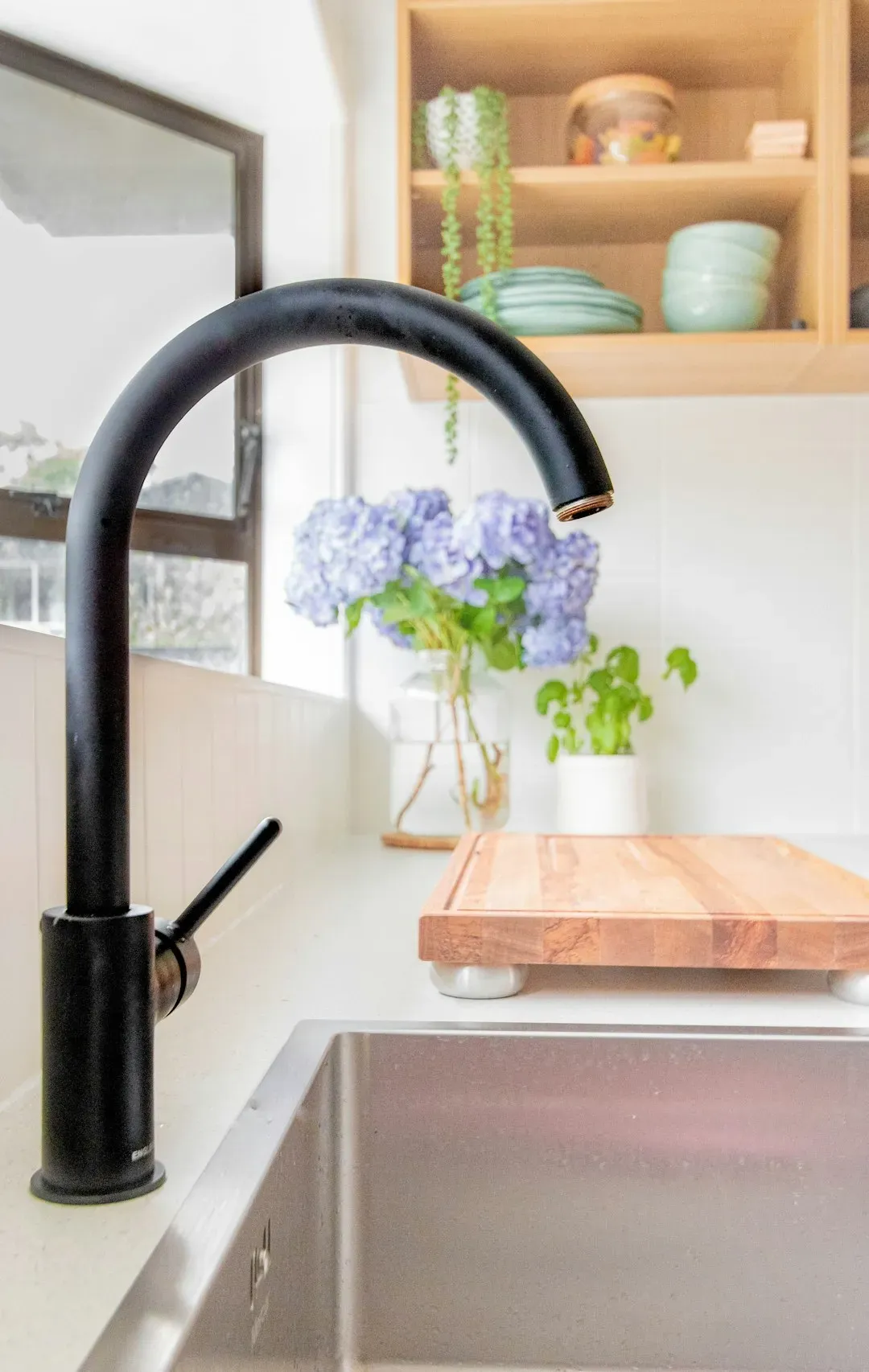
Matte black is nowhere to be seen in this year’s kitchen hardware trends; in fact, it’s been out of favor for quite some time for its dated, show-home qualities. Nicole Spurlock of Nicole Spurlock Design Co. explains that all matte black hardware and lighting against white cabinetry will definitely date your home in 2026, noting that this high-contrast trend peaked really hard in 2020, and the bigger the trend, the harder it falls.
For fixtures, designers guide clients toward finishes with true longevity, such as polished chrome, nickel, or unlacquered brass. They’re classic for a reason, and they age with quiet grace. The broader lesson here is that chasing maximum contrast for contrast’s sake tends to date a space faster than almost anything else.
4. Bouclé Fabric Everywhere
4. Bouclé Fabric Everywhere (Image Credits: Unsplash)
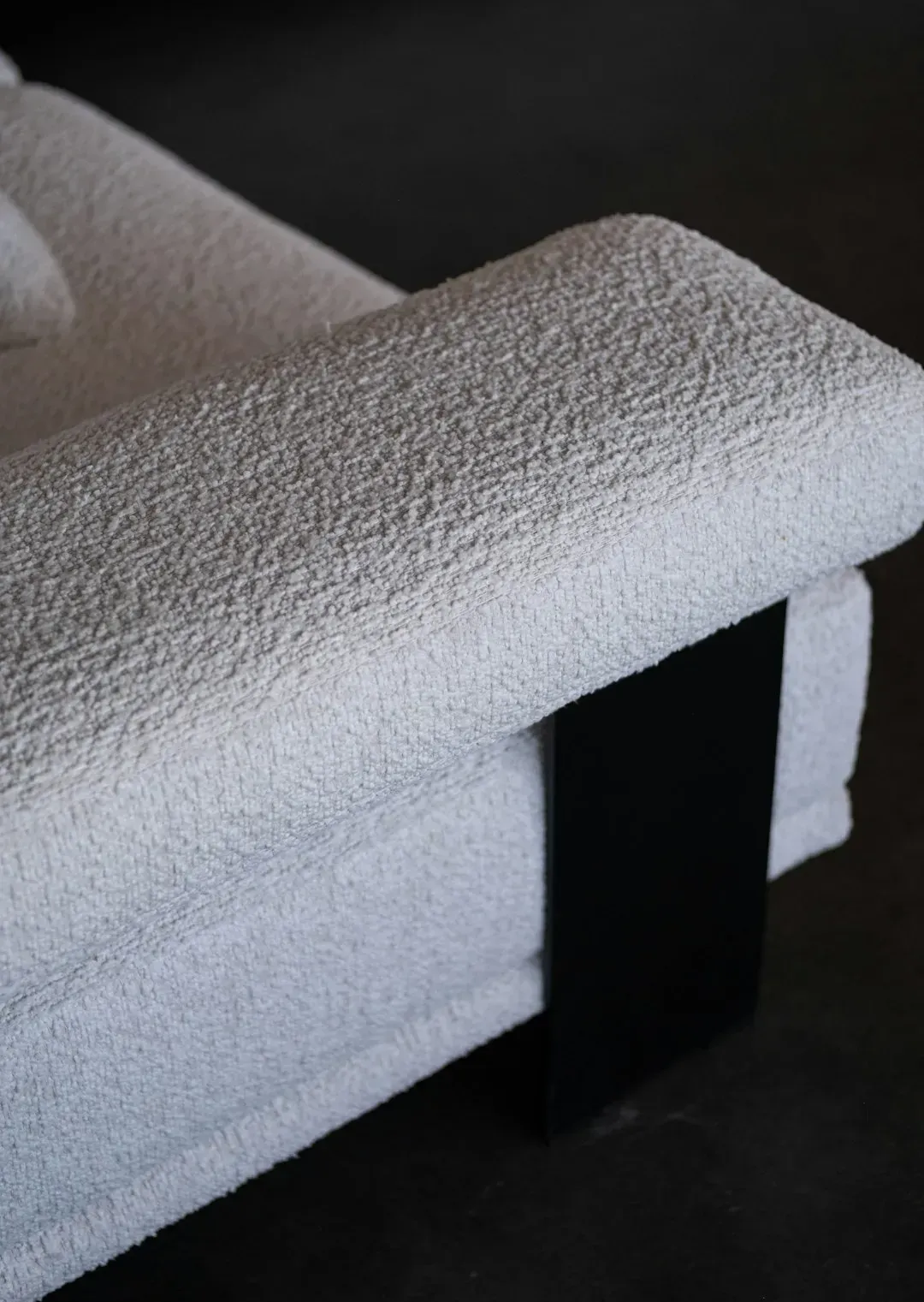
Bouclé has been huge for the last handful of years. It’s a fabric characterized by its looped and curling surface and was all the rage as an interesting way to introduce unique texture to a space. Now, the material is becoming highly overused, and as often happens with overabundance, it’s fast going out of style. Virtually every sofa, armchair, and ottoman seemed to arrive in this fabric at some point, and the saturation caught up with it.
Designers are predicting bouclé’s replacement in 2026 with mohair, velvet, and woven knits in deep, rich hues, as well as interesting prints like paisley, herringbone, and plaid. The shift is less about texture disappearing and more about the specific texture becoming interchangeable with laziness.
5. Open-Concept Floor Plans as the Default
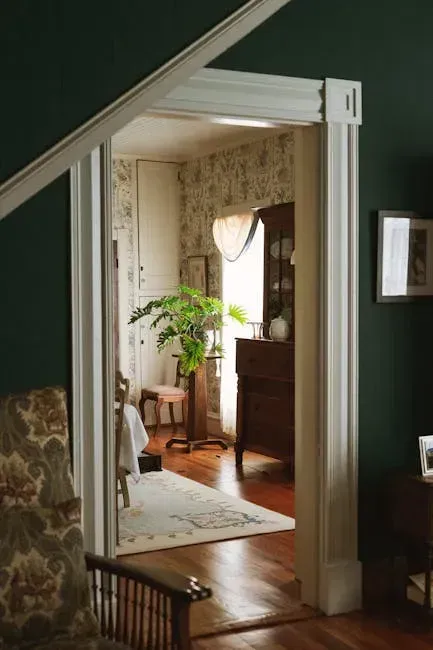
5. Open-Concept Floor Plans as the Default (Image Credits: Pexels)
Homeowners are pulling back from wide-open floor plans in favor of more defined, purposeful spaces that bring character and calm back into the home. The open-concept layout ruled new construction and renovation for decades, but the experience of living in one all day during the pandemic made many people reconsider.
The rise of remote work influenced the kind of homes buyers seek. During lockdowns, open spaces granted less privacy and families sought separation. Even as restrictions eased, the benefits of having separate rooms left an imprint on interior design trends. As a result, softer versions of closed floor plans have been making their way back, and home designers have seen more requests for dividing walls and offices in building plans.
6. Speckled or Busy Granite Countertops
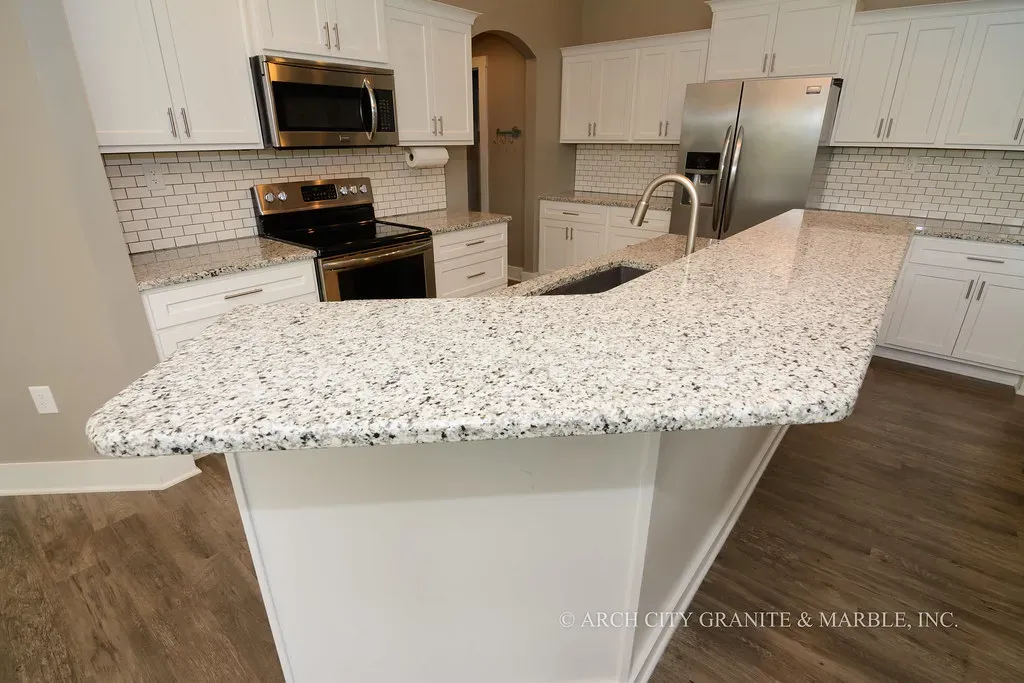
6. Speckled or Busy Granite Countertops (ArchCityGranite, Flickr, <a href="https://creativecommons.org/licenses/by/2.0/" target="_blank" rel="noopener">CC BY 2.0</a>)
Granite countertops were the go-to for many years, but in 2026, buyers think they’re outdated. Quartz, marble, or soapstone countertops are much preferred. The material itself isn’t necessarily the problem. It’s the particularly frenetic, heavily speckled versions that read like a relic from the early 2000s kitchen boom.
In 2026, heavily patterned granite is starting to feel dated. The busy surface draws a lot of visual attention and can compete with cabinetry, backsplashes, and other finishes in the kitchen. Instead of creating balance, the countertop often becomes the dominant element in the room. Designers are now favoring calmer surfaces with more subtle movement.
7. Shiplap on Every Surface
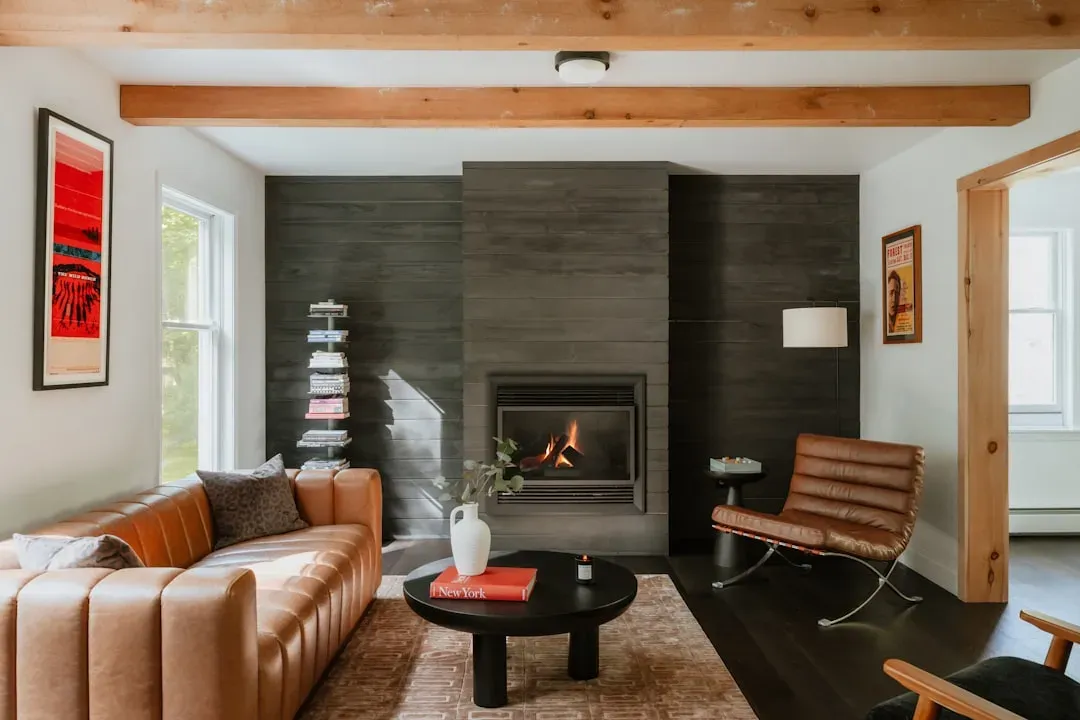
7. Shiplap on Every Surface (Image Credits: Unsplash)
Shiplap as we know it, the modern farmhouse style wall paneling, really ramped up in popularity around 2015 when Chip and Joanna Gaines of HGTV’s Fixer Upper first started using it on every surface imaginable. The rustic vibe it brought to a room stuck, and it’s been everywhere ever since. After more than a decade in the spotlight, the look has become shorthand for a very specific mid-2010s moment.
Shiplap was a farmhouse favorite, but it’s being phased out. Designers are avoiding this overused element so a space doesn’t feel too rustic or predictable. This is likely because it was everywhere in the 2010s, so even though it still looks great, it’s too overdone. Limewash plaster, roman clay, and fluted panels are increasingly filling the gap.
8. Fast Furniture and Mass-Produced Pieces
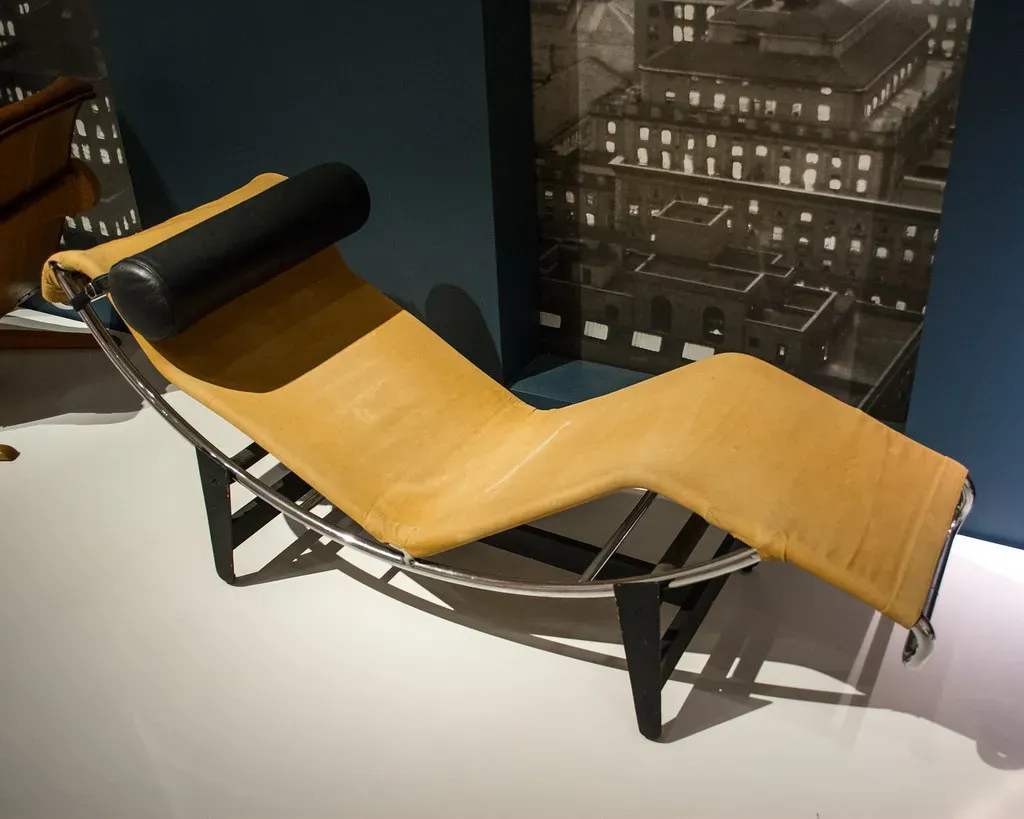
8. Fast Furniture and Mass-Produced Pieces (Tim Evanson, Flickr, <a href="https://creativecommons.org/licenses/by-sa/2.0/" target="_blank" rel="noopener">CC BY-SA 2.0</a>)
This category of furniture dedicated to mass-produced pieces at a lower price is a home design trend that likely won’t continue after 2025. Though it’s helpful on the financial side, it’s seriously losing its design appeal. These items are now seen as cheap and soulless. Instead, homeowners and experts are leaning towards furniture pieces that showcase true craftsmanship.
The era of cheap, mass-produced and quick-to-assemble furniture has gone. Consumers are growing more eco-conscious and have realized that powdered wood kept together with glue won’t last as long as real wooden furniture. Homeowners are now ditching the “everything new” mindset, opting instead for durable vintage finds, upcycled pieces, and furniture investments that will last a lifetime.
9. Matching Furniture Sets
9. Matching Furniture Sets (Image Credits: Unsplash)
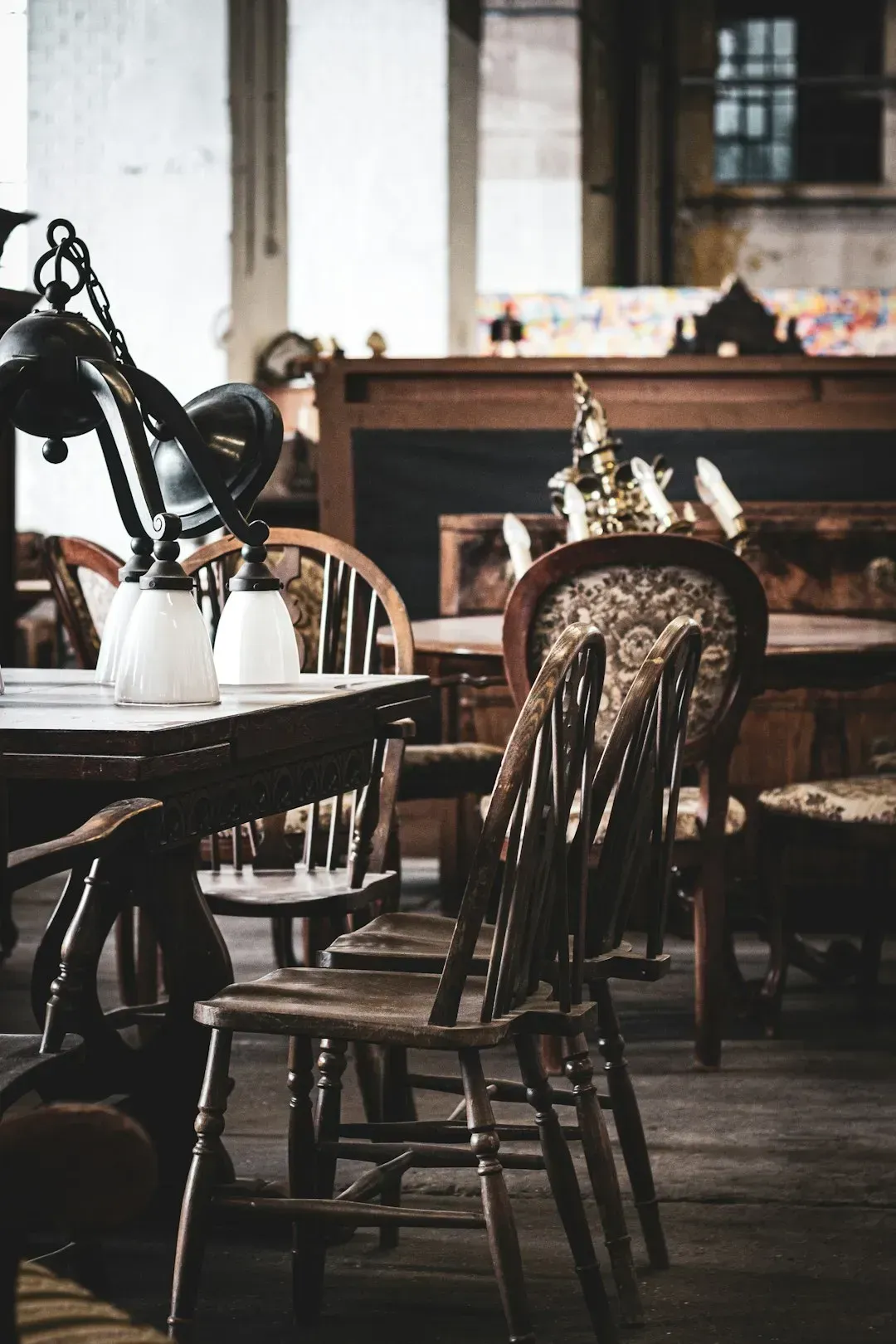
With greige tone-on-tone interiors definitively ousted, it’s only natural that matchy-matchy, uber-coordinated furniture sets are following suit. Interior design trends for 2026 are an exercise in variety and contrast. Think a couple of couches in different materials and colors, bed frames and bedside tables that don’t match, or dining tables and chairs in different wood tones. The catalog-fresh look signals showroom, not home.
A home feels all the warmer and cozier the more layered and collected it looks. It’s okay if furniture doesn’t match. It’s encouraged, even. The shift reflects a broader cultural move toward interiors that tell a story rather than present a coordinated performance.
10. Bold, Large-Scale Geometric and Moroccan-Print Tiles
10. Bold, Large-Scale Geometric and Moroccan-Print Tiles (Sam Howzit, Flickr, <a href="https://creativecommons.org/licenses/by/2.0/" target="_blank" rel="noopener">CC BY 2.0</a>)
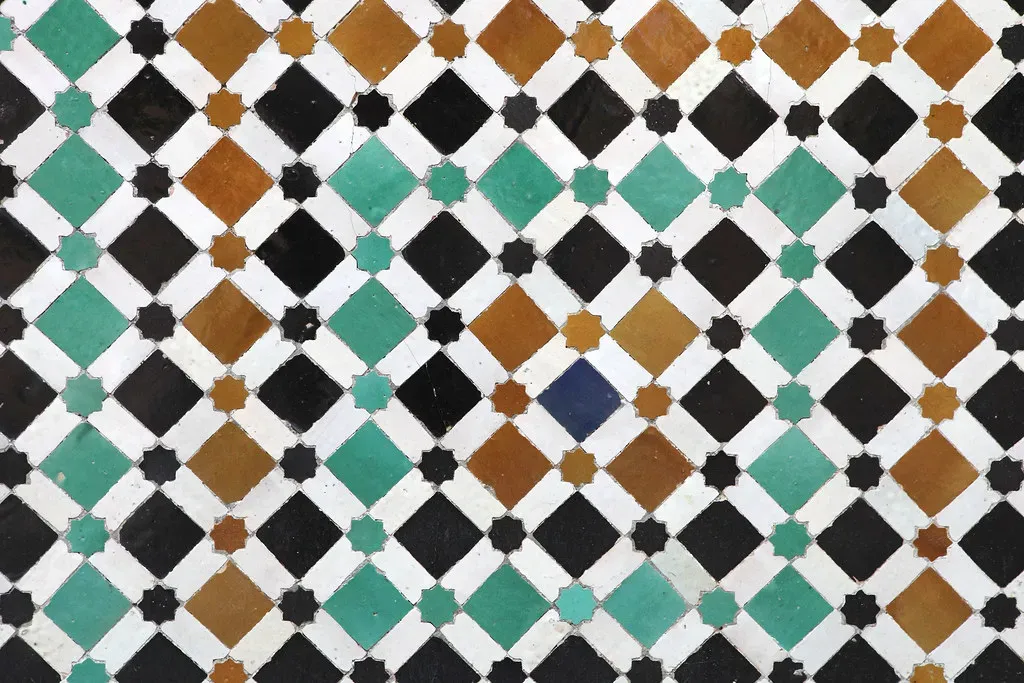
Patterned tile has exploded across design feeds in recent years. Moroccan-inspired motifs and vibrant, large-scale geometrics became the statement piece for kitchens and bathrooms alike. Homeowners loved how these tiles instantly injected color and personality into neutral spaces, transforming a room with a single surface. The problem is that once a statement tile appears in tens of thousands of homes, it stops making a statement.
There is much enthusiasm for statement tiles with extremely bold designs, like large-scale geometric or Moroccan-flavored prints, but designers caution that the boldness of these designs will soon become visually fatiguing and dated a few years from now. Handmade ceramic tiles, zellige, and stone slab backsplashes are emerging as more lasting alternatives.
11. Flat Drywall and Plain Painted Accent Walls
11. Flat Drywall and Plain Painted Accent Walls (Image Credits: Pexels)
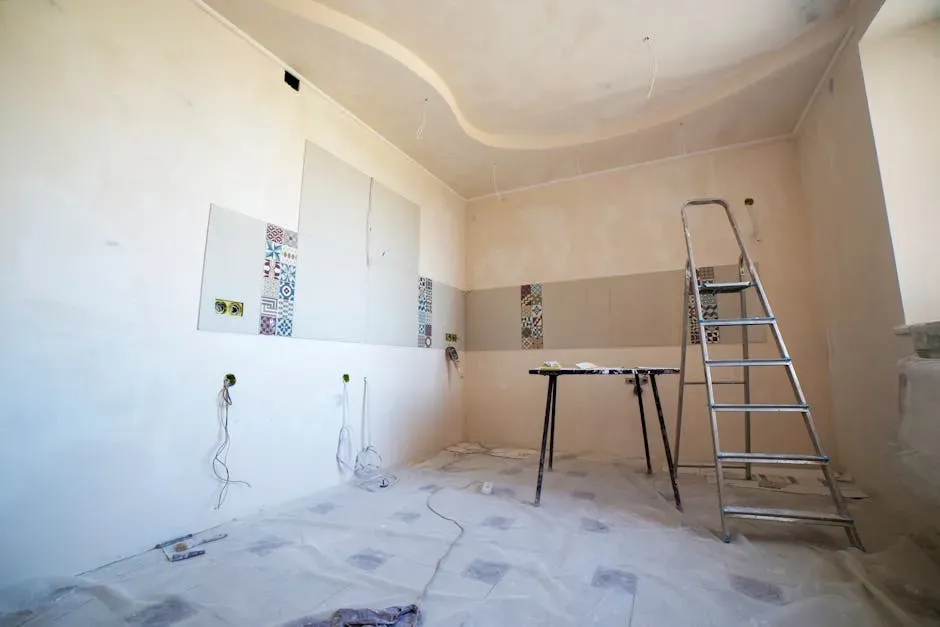
Flat drywall is another design feature quickly fading into the past. It was well liked for its minimalism and as a neutral foundation for a room, especially in new builds. As 2026 approaches, flat drywall now feels too builder-grade, even with an interesting paint job. Many are turning to textured wall options like limewash or roman clay.
The single painted accent wall faces a similar reckoning. Accent walls have had their moment during the past several years, but a single contrasting paint color on one wall is far less impactful than treating the full room. Accent walls can make a room look awkward and unfinished instead of creating a harmonious feel. If adding a bold accent in 2026, consider doing the entire room for a more intentional result.
12. Jacuzzi Tubs
12. Jacuzzi Tubs (Image Credits: Unsplash)
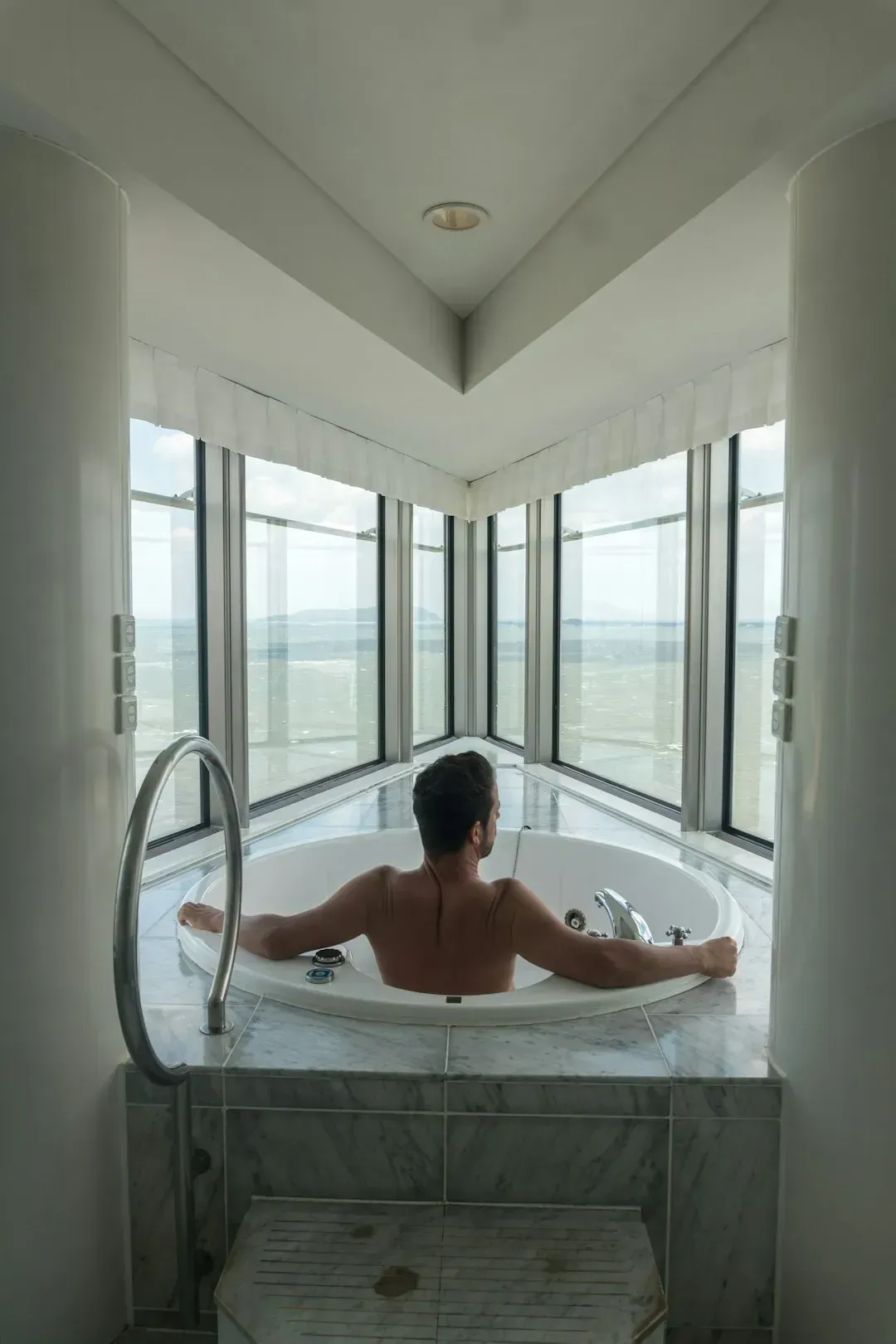
Jacuzzi tubs are considered outdated in 2026. A hallmark of the nineties, these tubs are just too old-fashioned to fit into the spa bathroom aesthetic. They take up a lot of space in the bathroom, often come with outdated fixtures and finishes, and can be awkwardly shaped. The wellness bathroom is very much in demand right now, but it looks nothing like a jetted tub from 1997.
Besides the outdated look of a jacuzzi tub, buyers are put off by how high-maintenance the feature is. Jacuzzi tubs require regular deep cleaning, even when they aren’t used all that often. Buyers also have to deal with the grime and bacteria that build up in the jets over time. Freestanding soaking tubs and steam showers have thoroughly replaced them as the bathroom upgrade of choice.
13. Open Kitchen Shelving as a Full Replacement for Cabinets
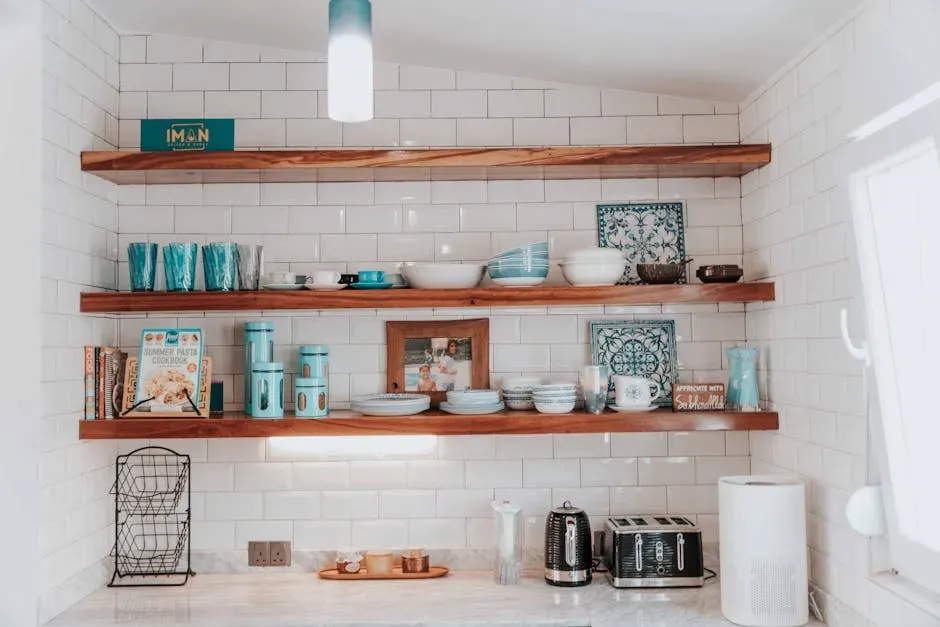
13. Open Kitchen Shelving as a Full Replacement for Cabinets (Image Credits: Pexels)
Open shelving isn’t disappearing entirely, but in newer kitchen remodels, its prevalence is fading. Fewer homeowners are ripping out all their upper cabinetry in favor of open shelves, and if they are featured, they’re more strategically placed. The fully open-shelf kitchen that was so popular on renovation shows proved difficult to maintain in real daily life.
In 2026, kitchen design is moving toward concealed storage as homeowners prioritize calm, organized spaces with a clean aesthetic. When clutter is concealed, the space feels more harmonious. A few well-styled open shelves can still work beautifully, but stripping out all upper cabinets for the sake of the look has quietly run its course.
None of these shifts mean you need to gut your home. Trends move in cycles, and personal preference will always outlast any of them. What’s interesting about this particular moment in design is that the move away from these outgoing trends isn’t toward the next viral aesthetic. It’s toward something quieter: homes that feel genuinely lived-in, intentional, and a little harder to pin down.