
Most people blame poor sleep, a packed schedule, or just the relentless pace of modern life when they feel inexplicably wiped out by midday. Those things certainly don’t help. But there’s a subtler culprit working against you in the background, one that doesn’t announce itself and rarely makes the top of anyone’s wellness checklist: the sheer, compounding weight of daily micro-decisions.
You wake up, and the choices begin instantly. What to wear, what to eat, which notifications to acknowledge first. By the time the morning is over, your brain has already been doing quiet, costly work. Understanding why this happens, and how a handful of ordinary habits pile onto that load, can genuinely change how you move through the day.
The Hidden Cost of Constant Decision-Making

The Hidden Cost of Constant Decision-Making (Image Credits: Unsplash)
From the moment we wake up, we are seemingly bombarded with choices: what to wear, what to eat, which emails to answer first. By the time we've navigated our morning routine, our mental energy has already taken a hit, and as the day wears on, the sheer weight of decision-making continues to take its toll, often without us even realizing it. This slow drain is not random, it follows a predictable biological pattern.
Mental exhaustion isn't just a feeling, it's a biological reality. Your brain, like any organ, has limits, and the more decisions you make, the more it tires, subtly eroding your ability to stay focused, make thoughtful choices, or resist distractions. By the time the average person goes to bed, they've made over 35,000 decisions, and all of those decisions take time and energy and can certainly deplete us.
Why Small Choices Are Bigger Than They Look

Why Small Choices Are Bigger Than They Look (Image Credits: Unsplash)
Everyday micro-decisions, like choosing a font for a document, selecting an emoji to react to a message in a group chat, or deciding whether to like a social media post, often fly under the radar. These small tasks pile up, draining your cognitive resources. The deceptive part is that none of them feel significant in isolation.
Having a vast array of options might seem like a luxury, but it often backfires. Research shows that an abundance of choices increases the pressure to make the "right" decision, leading to dissatisfaction and regret, even after a decision has been made. The paradox of modern life is that more options frequently translate into more exhaustion, not more satisfaction.
Multitasking: The Productivity Myth That Costs You Energy

Multitasking: The Productivity Myth That Costs You Energy (Image Credits: Unsplash)
Multitasking can kill productivity and deplete mental energy. When you take on several tasks at once, it affects your focus, and you drain your mental energy trying to balance all those activities. Multitasking might seem appealing, but it forces the brain to switch between tasks, causing inefficiency and mental fatigue.
Video calls, for example, require you to process multiple faces simultaneously while also being aware of your own appearance on camera. This increases the cognitive load, making your brain work much harder than it would in a normal conversation. Even the activities we assume are passive turn out to carry a measurable mental cost.
What Happens Inside the Brain Under Sustained Load

What Happens Inside the Brain Under Sustained Load (Image Credits: Unsplash)
The dorsolateral prefrontal cortex is crucial for working memory, strategic planning, and cognitive control. The ventromedial prefrontal cortex, on the other hand, is involved in integrating emotion and value into decision-making. When faced with numerous or difficult decisions, both these regions exhibit heightened metabolic activity, placing significant demands on the brain's energy budget, primarily glucose.
This depletion is exacerbated by the intricate dance of neurotransmitters, where excessive glutamate release can lead to neural overstimulation and energy drain, and shifts in dopamine levels diminish motivation for effortful cognitive work. When that motivational dip sets in, even small tasks start to feel disproportionately heavy.
The Infinite Scroll Problem
The Infinite Scroll Problem (Image Credits: Unsplash)
Social media feeds, streaming platforms, and news sites present you with endless content and zero natural stopping points. Every swipe is a choice: keep going or stop here? Watch this video or that one? Read this article or scroll past? These platforms are designed to keep you choosing, which means they're designed to keep depleting you.
In a 2024 study of 830 young adults, researchers examined how different types of social media engagement predicted sleep problems. They found that frequent social media visits and emotional investment were stronger predictors of poor sleep than total screen time. Additionally, presleep cognitive arousal and social comparison played a key role in linking social media engagement to sleep disruption. The drain doesn't stop when you put the phone down. It continues into the night.
Poor Sleep Compounds the Cycle

Poor Sleep Compounds the Cycle (Image Credits: Pexels)
The blue light emitted by screens suppresses the production of melatonin, the hormone that regulates your sleep-wake cycle, and poor sleep quality is directly linked to mood disturbances and diminished cognitive function the next day. So the same habits that exhaust you during the day also compromise the recovery that night is supposed to provide.
Poor sleep isn't just about feeling tired; it's linked to worsened mental health, emotion regulation, memory, academic performance, and even increased risk for chronic illness and early mortality. Each night of disrupted rest leaves you starting the next day's decision marathon with a smaller reserve than before, making the whole cycle self-reinforcing.
Overcommitting and the Energy Cost of Saying Yes Too Often

Overcommitting and the Energy Cost of Saying Yes Too Often (Image Credits: Unsplash)
Saying yes is often easier, helping us avoid conflict and explaining ourselves to those around us. However, it also overcommits us when we really wanted time in solitude or working on a personal hobby, and this habit of overcommitting drains our mental energy and leads to unnecessary stress and burnout.
Beyond the sheer number of choices, the fear of making the wrong decision intensifies cognitive stress. Whether choosing the ideal career path, making socially acceptable choices in group settings, or meeting deadlines that leave little room for reflection, societal expectations heap additional strain on the brain. Time pressure, peer comparisons, and the fear of missing out only sharpen this internal tension, eroding self-confidence and mental resilience over time.
When Self-Care Becomes Another Source of Strain

When Self-Care Becomes Another Source of Strain (Image Credits: Pexels)
If self-care has become an obligation in your routine and gives you more stress instead of relaxation, you might be trapped in the idea of performing wellness rather than engaging in it. One example of this is the pressure to follow complicated skincare routines because they are trending or look impressive, even when they may not suit your actual needs or schedule.
Social media reinforces this idea by showcasing polished and picture-perfect wellness habits, making it easier to prioritize appearance over authenticity. This approach becomes problematic because it may lead you to focus more on external validation than on your true mental and emotional needs. Real rest doesn't come from a trending routine. It comes from actually stepping back.
The Clutter Connection: Your Environment Is Talking to Your Brain
The Clutter Connection: Your Environment Is Talking to Your Brain (Image Credits: Unsplash)
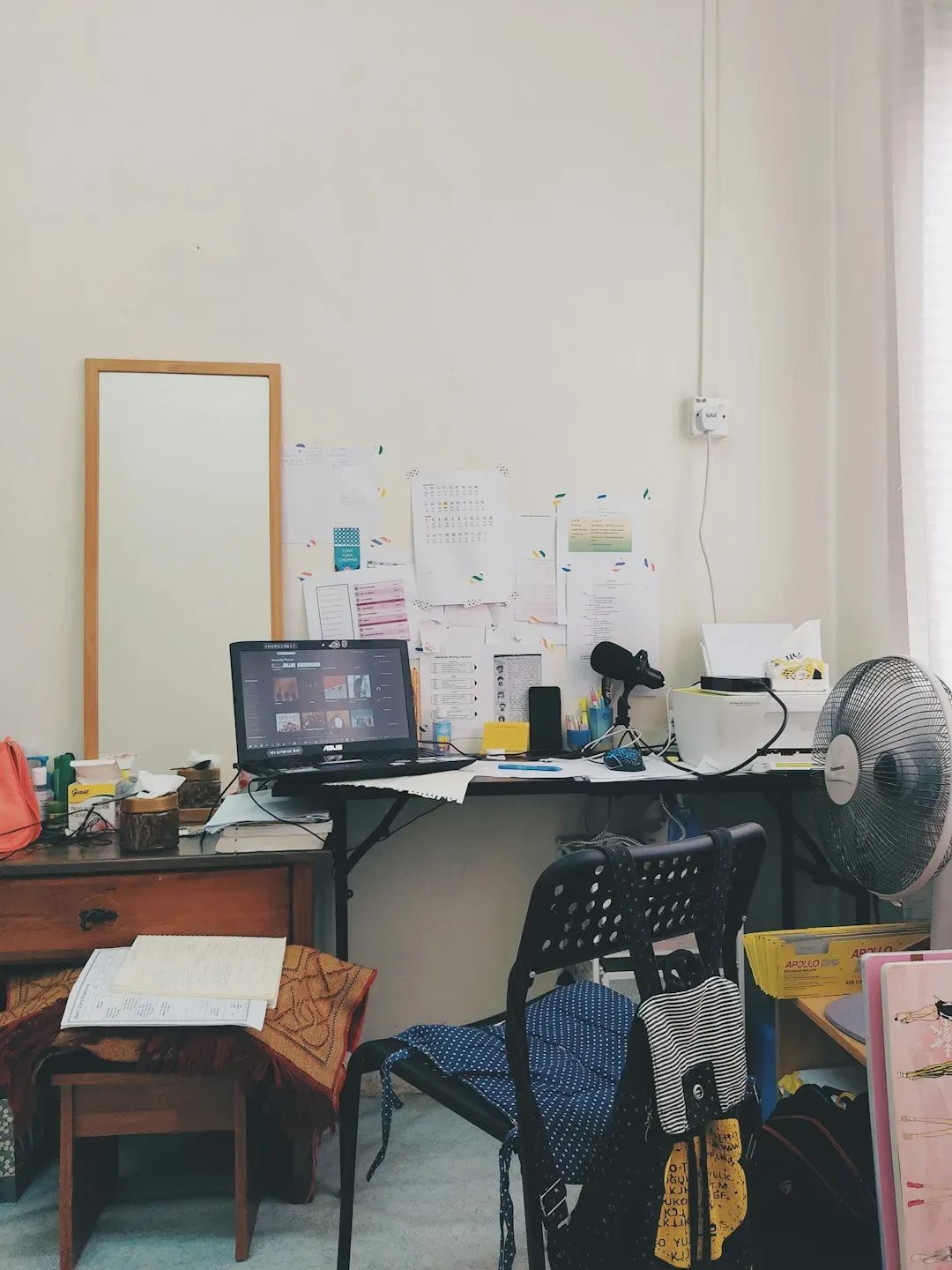
Physical clutter equals mental clutter. When your home or workspace is messy, it creates a constant visual reminder of everything you still need to do, overloading your brain and making it harder to focus, relax, or feel productive. This is an easy thing to underestimate because it operates entirely below conscious awareness.
Work tasks blend into personal time. Rest is punctuated by notifications. Even leisure often involves ongoing selection: what to watch next, what to read, what to skip. The result is not more intense thinking, but longer periods of mental engagement without clear pauses. A cluttered environment removes what the brain needs most, which is a genuine signal that it's allowed to rest.
Practical Ways to Stop Bleeding Energy Quietly

Practical Ways to Stop Bleeding Energy Quietly (Image Credits: Unsplash)
Automating mundane daily choices is a powerful way to liberate finite mental energy for more critical, higher-order decisions. The brain's basal ganglia are highly involved in habit formation, allowing actions to become automatic and consume minimal cognitive effort. Routines aren't just comforting, they're cognitively protective.
Scheduling your most important decisions for when cognitive resources are fullest is a reliable strategy. For most people, this means tackling complex choices in the morning before smaller decisions chip away at mental reserves. Saving routine, low-stakes choices for later in the day, when decision quality naturally dips, helps preserve what matters most. Setting aside a specific time, say a Sunday evening, to make many decisions all at once allows you to batch choices, reduce the number of decisions you face during the week, and conserve mental energy for more important or creative tasks.
Fatigue that has no obvious explanation is worth taking seriously. Often, it traces back not to one dramatic source, but to the quiet accumulation of hundreds of small, unguarded moments where the brain was asked to choose, evaluate, and keep going without a real break. Recognizing those patterns, even in their smallest forms, is the first and most practical step toward reclaiming real energy.