
Something has quietly shifted in couples therapy over the past few years. As family and couples therapy appointments have increased more than 50 percent year over year from January 2023 to January 2025, therapists are noticing a pattern in what their clients are missing most. It isn’t grand gestures or elaborate date nights. It’s the small, consistent practices that older generations simply took for granted.
Modern couples often arrive in therapy having discarded traditions they considered old-fashioned, only to find that the habits their grandparents quietly practiced together were actually doing a lot of heavy lifting. The research backs this up. Four studies reveal the benefits of relationship rituals: couples with relationship rituals report more positive emotions and greater relationship satisfaction and commitment than those without them. What follows are thirteen of those traditions therapists most commonly encourage couples to reclaim.
Sitting Down Together for Meals Without Screens
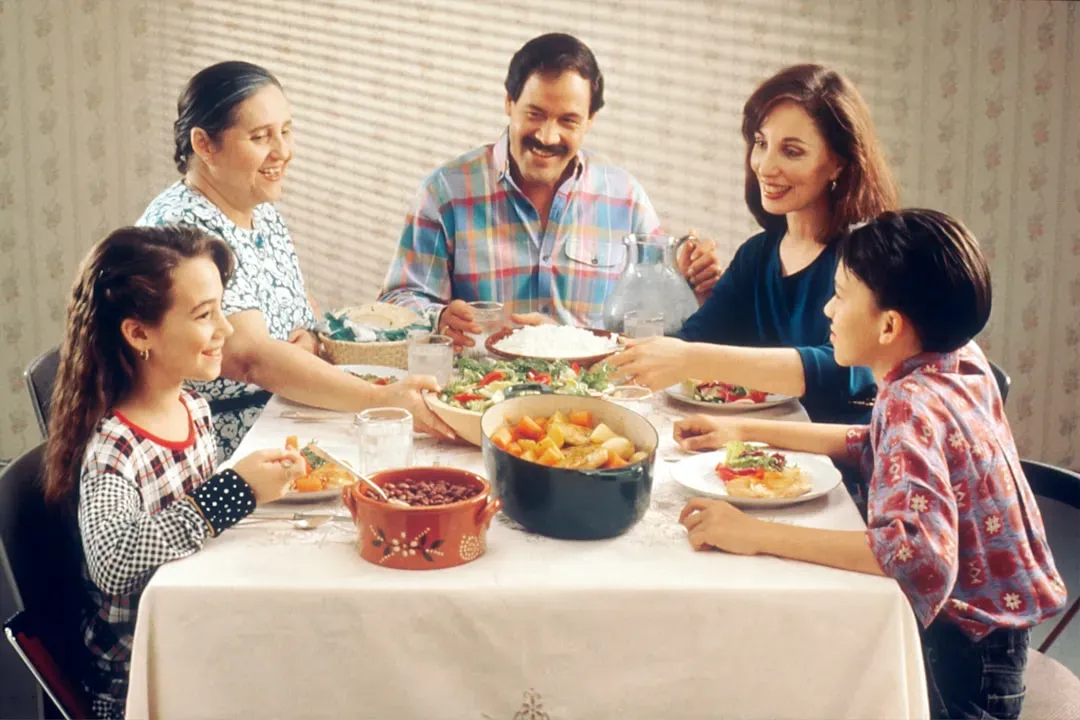
Sitting Down Together for Meals Without Screens (Image Credits: Unsplash)
Food is more than fuel for our bodies. It's a powerful way to connect with others, share traditions, and strengthen relationships. Throughout history, meals have been a central part of social life, from family dinners to festive gatherings. In today's fast-paced world, many of us eat alone, distracted by screens or busy schedules. Older generations rarely thought about it consciously. The table was simply where the day came together.
Regular family meals have been consistently associated with improved dietary quality, better weight management, and a lower incidence of chronic conditions such as diabetes and cardiovascular diseases. For couples specifically, shared meals without phones provide a predictable space for conversation that devices routinely crowd out. To gain the full benefit, families and couples should create device-free meals where everyone focuses on each other. Simple rules like placing phones away or turning off the TV can turn ordinary meals into moments of genuine connection.
Expressing Gratitude Out Loud, Every Day

Expressing Gratitude Out Loud, Every Day (Image Credits: Unsplash)
Older couples often thanked each other for small things as a matter of habit, not as a self-improvement technique. It turns out there was real wisdom in that. In one study of cohabitating couples, when one partner expressed gratitude, both partners reported improved connection and relationship satisfaction the following day. Even a brief, sincere acknowledgment carries measurable weight.
Gratitude is critical in promoting relationship maintenance behaviors, such as responsiveness and commitment, and signaling feelings of appreciation between partners that provide a sense of security and communicate the value of a mutually desirable relationship. Therapists frequently assign this practice not because it feels natural at first, but precisely because couples have often stopped doing it without noticing. You would be surprised how saying "thank you" more often can have a big effect on your relationship. Taking time to thank your partner for all the things they do recognizes them for their efforts.
Writing Handwritten Notes or Letters

Writing Handwritten Notes or Letters (Image Credits: Unsplash)
Sending a text takes three seconds. Writing a note by hand takes intention, and that difference is exactly the point. Previous generations wrote letters and left small notes as a way of saying: you matter enough for me to slow down. The physical act of writing engages a level of thoughtfulness that digital messages rarely require. Therapists recommend it specifically because it creates something a partner can hold onto.
It is the act of expressing gratitude to another that causes the oxytocin link to be activated and those amazing feelings of love, warmth, connection, and appreciation to flourish and flood the body. A handwritten note achieves this in a way a quick text message rarely does. Rituals can become a couple's unique language, a way to express love, care, and commitment that only they understand. Whether it's a special way you greet each other or a private message you share, these rituals contribute to a deeper sense of connection and shared meaning in the relationship.
Maintaining a Weekly Date Night as a Non-Negotiable Ritual
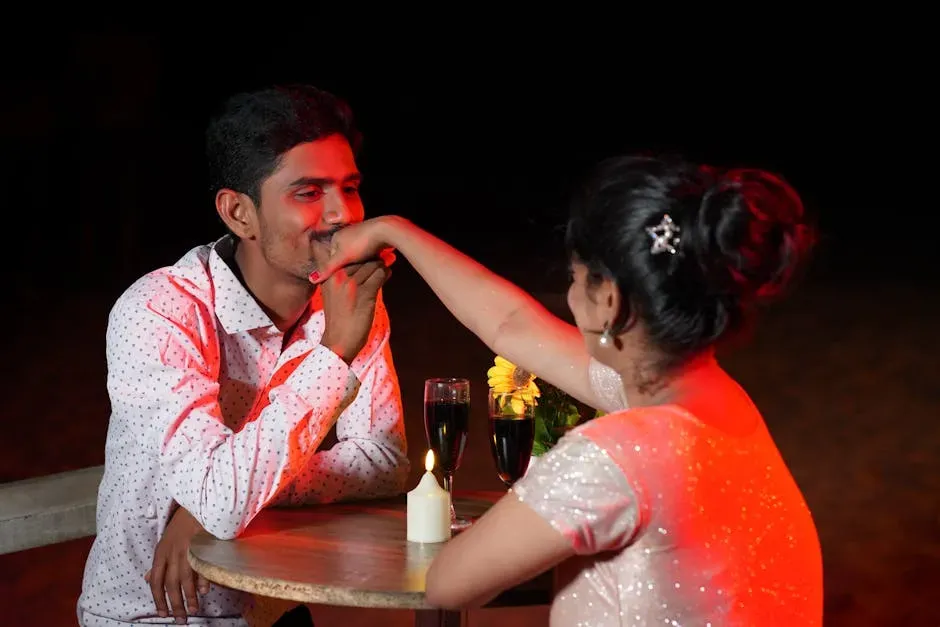
Maintaining a Weekly Date Night as a Non-Negotiable Ritual (Image Credits: Pexels)
Older generations didn't always call it a "date night," but many couples maintained a weekly habit of going out together, whether to a diner, a movie, or a walk through the neighborhood. The consistency was the point. According to research by Michael I. Norton and Ximena Garcia-Rada of Harvard, couples with symbolically meaningful rituals feel more satisfied with their relationships than couples without rituals.
Regular date nights or shared activities are more than just "fun." These moments build a deep emotional connection and reduce the buildup of daily resentment, fostering intimacy that exists outside the stress of routine chores and responsibilities. The key insight from therapists is that the ritual must be jointly understood as meaningful. Both members of a couple must agree that they have a ritual: different couples can see the same consumption behavior as either a ritual or a routine, and the benefits accrue only to those couples who jointly view it as a symbolically meaningful ritual.
Praying or Practicing Shared Spiritual Moments
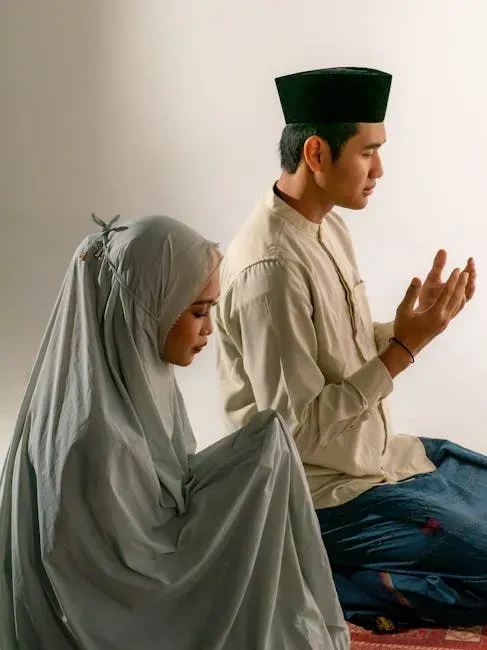
Praying or Practicing Shared Spiritual Moments (Image Credits: Pexels)
Spiritual practice as a couple was a cornerstone of many older relationships, regardless of the specific tradition involved. Research on couple rituals has consistently identified engaging in religious or spiritual activities such as prayer as one of the meaningful rituals that strengthens bonds in both married and unmarried couples. The shared vulnerability that comes with prayer or quiet reflection together creates a form of intimacy that is hard to replicate elsewhere.
Shared practices, like prayer, storytelling, service, and mentoring, help make space for spiritual connection across ages. These traditions help people grow together, not apart. Even couples who don't identify with a formal religion can find value in shared moments of silence, gratitude, or reflection at the start or end of the day. The effect comes from the intention and the togetherness, not the theology.
Resolving Conflicts Before Going to Sleep

Resolving Conflicts Before Going to Sleep (Image Credits: Unsplash)
The old advice to "never go to bed angry" sounds like a cliché, but therapists point to real behavioral wisdom underneath it. Older adults engage in strategies that optimize positive social experiences and minimize negative ones by avoiding conflicts. That tendency toward de-escalation and repair was a survival skill in long marriages. Letting conflict fester overnight reliably makes it worse.
Every couple experiences conflict. However, the way couples repair after conflict determines the health of the relationship. Rituals such as making up with a warm embrace or a shared apology ritual can help couples repair and reconnect after disagreements. The openness to reparative conversations helps them to move past conflict and restore their emotional connection. A repair ritual before sleep doesn't require full resolution. It simply requires enough softness to close the day without bitterness.
Spending Time With Each Other's Families Intentionally
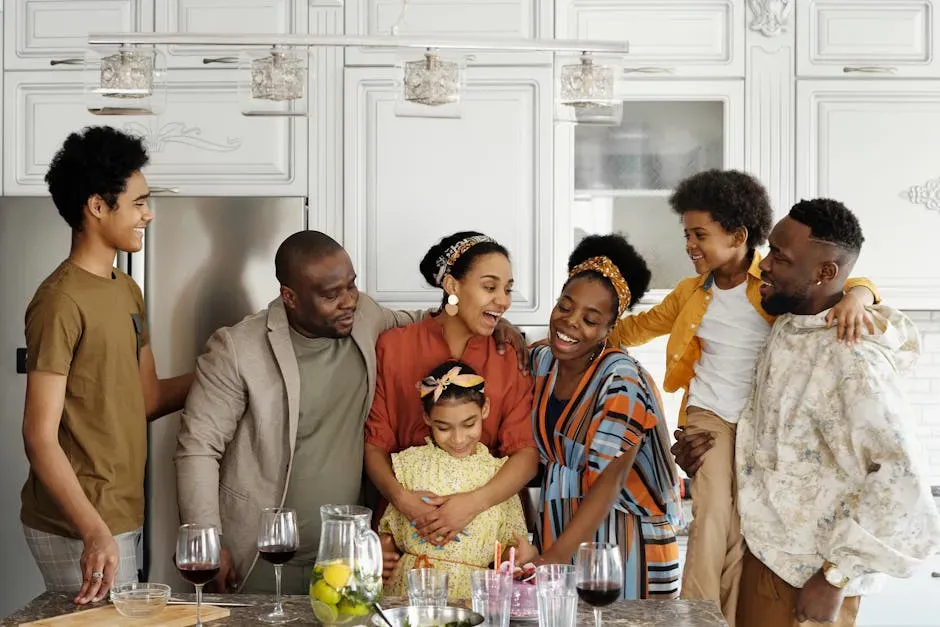
Spending Time With Each Other's Families Intentionally (Image Credits: Pexels)
Previous generations treated family visits as a near-automatic part of relational life. Couples showed up at gatherings together, navigated in-laws as a team, and built a shared social identity that included both families. That kind of intergenerational rootedness has quietly eroded. Boszormenyi-Nagy's contextual model responds to the challenges that families face in a society where viable relationships and intergenerational rootedness have eroded. Despite its origin in viewing families within their broader context, this approach is highly applicable to couples' therapy.
Setting aside time to visit as a couple with family members is one of the consistent rituals researchers have identified in both married and unmarried couples who report strong bonds. Intergenerational conversations help us better understand one another, grow as individuals, and strengthen our relationships. These conversations often involve sharing stories, asking meaningful questions, and learning from each other's life experiences. Going together matters as much as going at all.
Taking Regular Walks Together

Taking Regular Walks Together (Image Credits: Unsplash)
The evening walk was once a default part of many couples' routines. It required no planning, no money, and no special equipment. It simply required showing up beside each other and moving through the world at the same pace. Couple traditions can range from everyday interactions such as chatting over breakfast in the morning or taking an evening walk together to annual events like celebrating an anniversary in a meaningful way.
Participants reported that engaging in shared leisure activities significantly enhanced their emotional connection, provided mutual support, promoted personal and relational growth, facilitated effective conflict resolution, and helped establish meaningful rituals and traditions within their marriages. Therapists note that walking side by side, rather than face to face, can actually make difficult conversations easier. There's something about shared motion that lowers defenses and opens up honest exchange.
Keeping Anniversary Celebrations Meaningful

Keeping Anniversary Celebrations Meaningful (Image Credits: Pexels)
Anniversaries used to be marked with real intention, not just a dinner reservation. Older couples often wrote cards, revisited meaningful places, or shared memories aloud as a way of acknowledging what had been built. The inclusion of rituals is associated with greater health in relationships. An anniversary, approached with care, is one of the most potent rituals a couple can share.
Researchers Campbell and Ponzetti found that rituals are significant predictors of commitment, and when they are implemented over time by partners, hold a positive meaning for them. Additionally, Gottman and Silver describe rituals of connection as moments that capture a couple's shared vision. These rituals can foster closeness between partners and a shared understanding. Skipping an anniversary or reducing it to something perfunctory quietly signals that the milestone isn't being honored. The older habit of making it matter was sound relationship maintenance.
Cooking Meals Together Regularly
Cooking Meals Together Regularly (Image Credits: Unsplash)
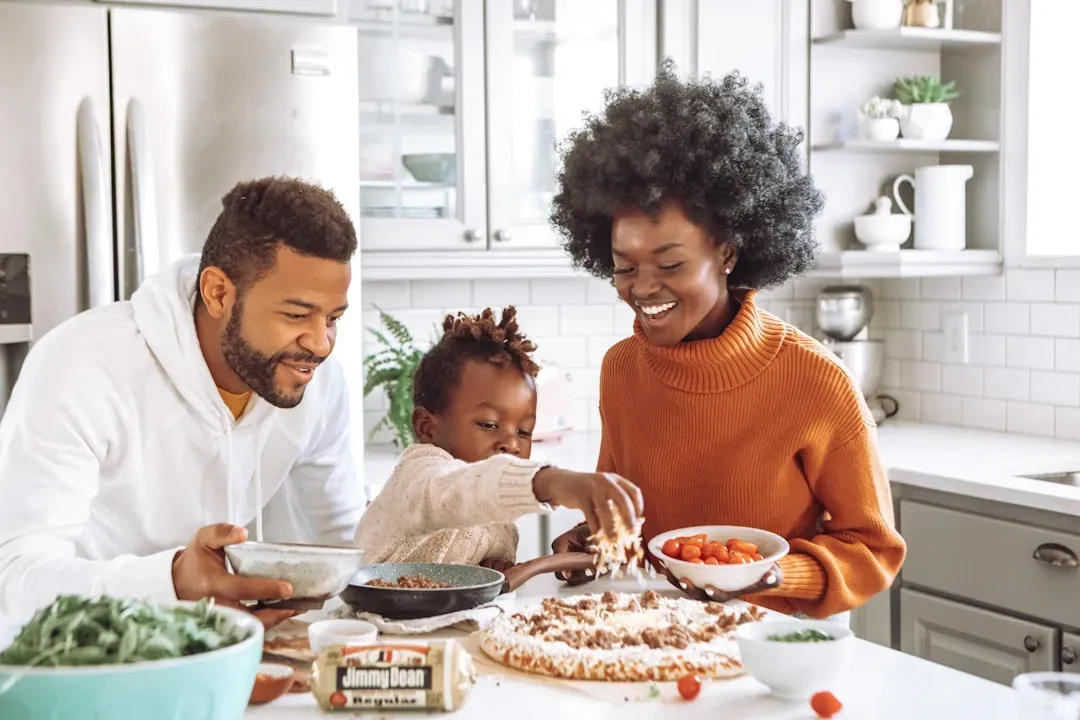
Preparing food together used to be unavoidable. Kitchens required more hands, recipes were passed down face to face, and the act of cooking was social by necessity. That tradition carries genuine relationship benefits that convenience culture has made easy to lose. Cooking as a collaborative activity enhances family functioning by promoting teamwork and creativity. It provides a structured yet informal setting for interaction, strengthening communication and emotional closeness among family members.
Intergenerational cooking reinforces familial relationships, allowing older family members to pass down cultural traditions, share knowledge, and foster a sense of purpose among younger generations. For couples, the act of cooking together builds a shared rhythm and requires cooperation in real time, both qualities that translate directly into the health of the broader relationship. The kitchen, it turns out, has always been a decent training ground for partnership.
Physical Affection as a Daily Habit

Physical Affection as a Daily Habit (Image Credits: Unsplash)
Older couples held hands. They embraced before leaving the house. They kissed goodnight with consistency, not just passion. These were small, physical anchors that accumulated into something significant over decades. Holding hands, cuddling, or hugging daily reinforces closeness and safety. A goodnight kiss, affectionate texts, or loving affirmations keep romance alive.
Over five weeks, couples who followed a gratitude and connection program expressed more gratitude to their partners and spent more time together each day. Expressions of gratitude also lead to more spontaneous expressions of affection between partners, such as hand-holding and kissing. Physical affection doesn't require a special occasion. Therapists often point to the older generation's quiet consistency with touch as something modern couples quietly abandon when life gets busy, often without realizing it until the distance is already wide.
Talking About the Future as a Shared Project
Talking About the Future as a Shared Project (Image Credits: Unsplash)
Previous generations assumed, almost automatically, that decisions about where to live, whether to have children, and how to manage money were made as a unit. That shared sense of direction gave couples a kind of relational gravity. The cornerstone of the contextual family therapy model is predicated on the belief that all family members benefit from trustworthy relationships, which result from acknowledging the contributions of deserving family members, engaging in responsible interactions, and ensuring a fair distribution of relational burdens and benefits.
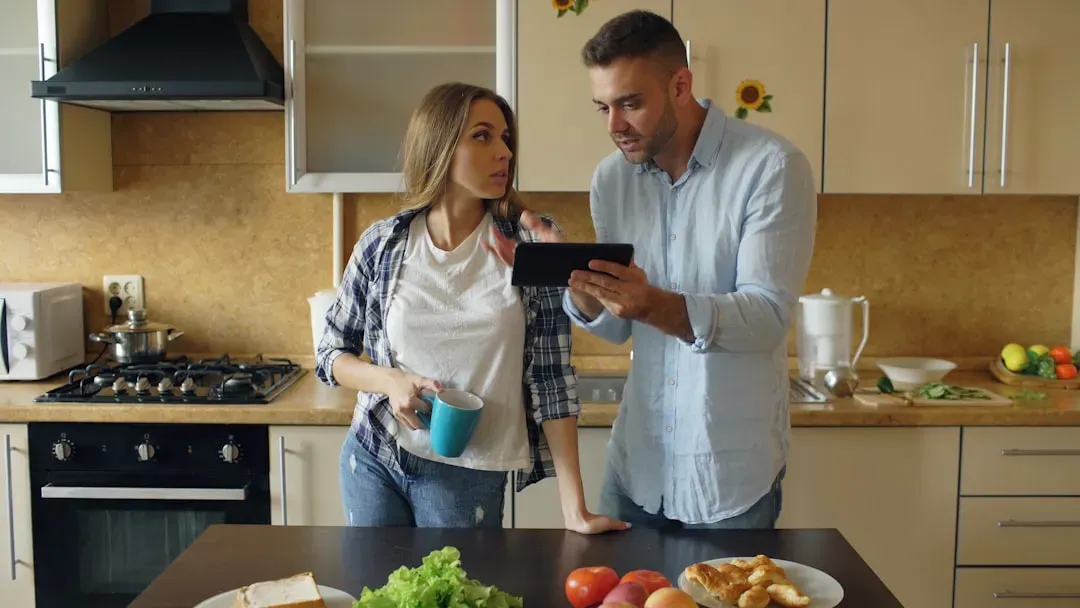
Therapists frequently observe that couples in distress have stopped talking about the future together, treating individual plans as defaults rather than shared negotiations. Traditional behavioral couple therapy aims to help partners develop communication and problem-solving skills and use these to negotiate about changes in specific behaviors so as to make the relationship fairer. The act of regularly discussing shared goals, even simple ones, keeps both partners oriented toward the same horizon.
Prioritizing Commitment as a Choice Made Daily
Prioritizing Commitment as a Choice Made Daily (Image Credits: Unsplash)
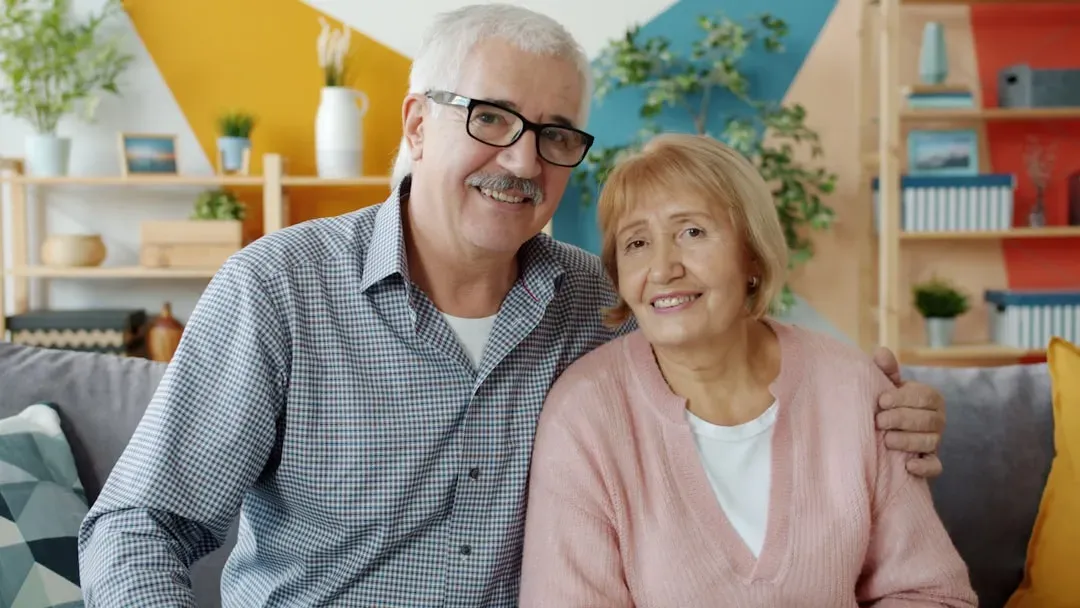
Perhaps the most fundamental tradition from older generations wasn't a ritual at all. It was a mindset: the understanding that commitment is renewed through action, not just declared once. Gratitude plays a central role in binding couples closer together and functions as a communal process that can bring positive outcomes for the well-being of a relationship. Older couples who stayed together for decades often described their marriages not as something that happened to them, but as something they chose, repeatedly.
Rituals are more than just habits. They are powerful, relationship-changing tools that help couples stay emotionally connected, even when life gets hectic. By creating rituals that foster connection, emotional engagement, and shared meaning, couples build a foundation for secure attachment that will help their relationship thrive through the tests of life and time. Relationship rituals can help partners meet the inherent human need for a strong, reliable relationship by creating a bond that is resilient, secure, and deeply fulfilling. Commitment practiced daily through small traditions may be the oldest relationship strategy of all, and the most underrated one still standing.