
Most people enter a new relationship hoping for the best. Early attraction can make even obvious warning signs feel like quirks or temporary rough patches rather than something more serious. The chemistry is real, the connection feels strong, and it’s genuinely difficult to stay objective when you’re emotionally invested in someone.
The problem is that certain personality traits don’t soften over time. They tend to compound. Patterns that play out in long-term relationships can often be visible in the very beginning, which means what looks like a minor issue in month one can quietly become a dealbreaker by year two. Here are eleven traits that research and clinical experience consistently link to relationships that struggle to survive long-term.
1. Chronic Contempt for Others

1. Chronic Contempt for Others (Image Credits: Pexels)
Dr. John Gottman of the University of Washington, after more than two decades of research, concluded that the single best predictor of divorce is when one or both partners show contempt in the relationship. Contempt, the opposite of respect, is often expressed via negative judgment, criticism, or sarcasm regarding the worth of an individual. It's not just a communication style problem. It reflects a fundamental attitude toward the other person.
Contempt is considered the worst of the four relational "horsemen." It involves treating your partner with disrespect, disgust, condescension, or ridicule, and implies superiority toward your partner. It can be expressed through insults, name-calling, hostile humor, mockery, eye-rolling, sneering, or malicious sarcasm. Someone who regularly speaks this way about you, or about others in your presence, is unlikely to change that posture without significant, sustained effort.
2. Pathological Jealousy and Possessiveness

2. Pathological Jealousy and Possessiveness (Image Credits: Unsplash)
A little jealousy now and then is fairly human. It becomes a red flag when it crosses into surveillance, accusations, or a persistent need to control who you see and where you go. Feeling like you are under surveillance rather than being cared about, feeling that one person in the relationship possesses the other, and defensiveness as the primary response when concerns are raised are all warning signs that the relationship dynamic has shifted away from partnership.
Research shows that possessiveness is negatively linked to mutual constructive conflict styles but positively associated with demand-withdrawal and mutual avoidant conflict styles. In practical terms, this means possessive partners tend to escalate when challenged rather than engage thoughtfully. Over time, that kind of pressure corrodes trust on both sides.
3. Narcissistic Self-Focus
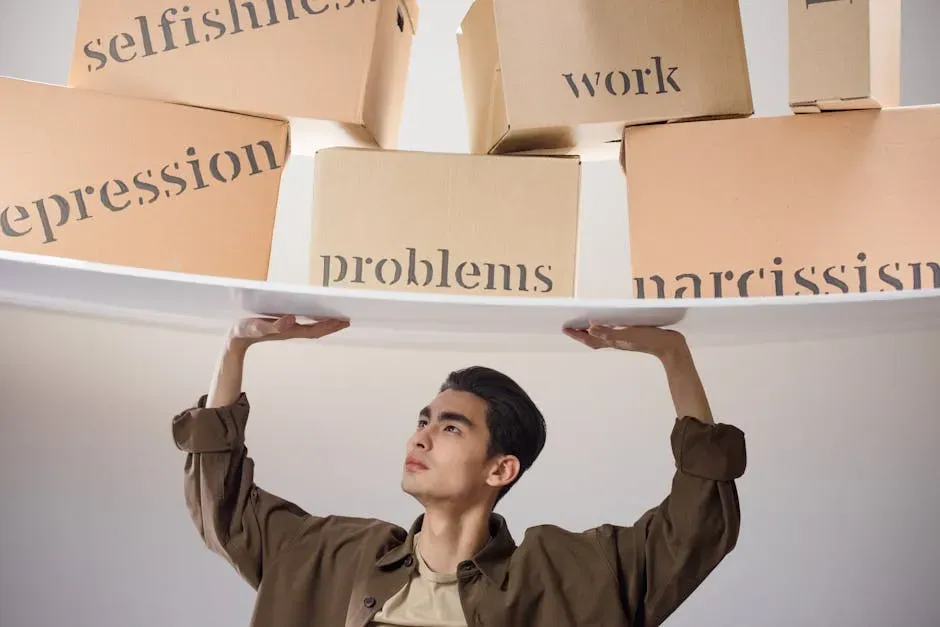
3. Narcissistic Self-Focus (Image Credits: Pexels)
Narcissists have an inflated sense of their own importance and need to be admired. Narcissism is often marked by a lack of true intimacy in relationships. Signs may include a superiority complex, grandiose self-image, entitlement, conceit, boundary violations, manipulation, irresponsibility, and contempt toward others. These characteristics don't tend to disappear when comfort and closeness grow. If anything, they can become more pronounced.
Research indicates that high narcissism is correlated with susceptibility to infidelity. Beyond that, the deeper issue is emotional availability. When a person is perceived by their partner as being more callous, unemotional, and lacking in empathy, that partner reports lower relationship satisfaction. This highlights the direct interpersonal damage that a lack of emotional connection can inflict on a relationship.
4. Stonewalling During Conflict

4. Stonewalling During Conflict (Image Credits: Unsplash)
Stonewalling is considered a type of psychologically abusive behavior, often falling under the passive-aggressive category. It involves entirely shutting down emotionally during conflicts or difficult discussions, leaving the other person feeling unheard, invalidated, and worthless. The tricky part is that it can look like someone simply needs space, when the intent is actually to punish or control.
Over time, stonewalling becomes more than a bad habit. It turns into a communication pattern. Once that pattern takes hold, one person may push harder for answers and the other may retreat even more. That cycle can become the relationship's default response to any serious issue. When nothing can be resolved because one person refuses to engage, even a resilient couple runs out of road eventually.
5. A Pattern of Deception

5. A Pattern of Deception (Image Credits: Unsplash)
Deception in a relationship is the act of intentionally deceiving and betraying a partner about the actual state of a situation. It can be present as withholding information and outright lying, such as infidelity, secrecy, and dishonesty. The specific content of the lie often matters less than the pattern itself. Someone who lies about small things is simply more likely to lie about larger ones.
Similarity in shared values and goals is one of the best predictors of long-term compatibility and less conflict, while trust and commitment are the foundations of relationship stability and mutual support. Deception directly dismantles both. Once trust is consistently violated, the emotional architecture of the relationship becomes too unstable to sustain intimacy.
6. Psychological Inflexibility

6. Psychological Inflexibility (Image Credits: Unsplash)
People who are psychologically inflexible not only experience more distress and suffering, they also experience less satisfaction in their relationship. They are less satisfied with their sex life and show less emotional supportiveness toward their partner. Naturally, their partner doesn't get much satisfaction out of the relationship either. This is a trait that is easy to miss early on because it often hides behind confidence or certainty.
The reason why many romantic relationships fail is that one or both partners is, or becomes, psychologically inflexible. Instead of being present with their partner and paying attention to their partner's emotional world, they defend. Instead of actively engaging in difficult but necessary conversations, they avoid them, or resort to blaming, insulting, and yelling. Long-term relationships require ongoing adaptation. A partner who can't or won't adapt will eventually create a standstill.
7. Emotional Distance and Unavailability

7. Emotional Distance and Unavailability (Image Credits: Pexels)
Distance usually develops gradually, regardless of whether a partner has withdrawn. It is crucial for couples to be attentive and sensitive to the signs of emotional distance, as most fail to recognize something wrong with their relationship until they feel considerably detached from their significant other. By the time many couples notice the problem, the gap has already grown difficult to bridge.
Emotional disconnection can create a feeling of loneliness even within a relationship. When partners stop sharing their inner worlds with each other, intimacy weakens. Healthy communication isn't just about avoiding arguments – it's about staying emotionally attuned to one another and expressing needs in a way that fosters closeness. Someone who is chronically emotionally unavailable isn't necessarily unloving, but they are genuinely difficult to build a lasting partnership with.
8. Radically Different Life Goals and Paces

8. Radically Different Life Goals and Paces (Image Credits: Pexels)
One partner may prioritize working while the other prioritizes free time. Or one may choose to stay at an unfulfilling job without any desire for advancement while the other is fast-tracking their goals. Equally common is to see one partner embracing emotional growth while the other may be stuck or uninterested in their own personal development. In essence, each partner may feel they are on different levels of emotional, social, or intellectual development, which can cause a rift.
A study published in Personality and Individual Differences found that value alignment plays a crucial role in relationship satisfaction. Couples with aligned values report higher levels of emotional connection and long-term commitment. When two people genuinely want different futures, no amount of affection fully compensates for that fundamental misalignment.
9. Unhealthy Dependency and Lack of Independence

9. Unhealthy Dependency and Lack of Independence (Image Credits: Pexels)
What may begin as an endearing tendency to defer to your wants can evolve into an inability to make any decision in the relationship. Each decision needs to get run by you for approval or to verify they aren't somehow making the wrong decision. It sounds harmless, even flattering at first. Sustained over years, it becomes exhausting and often breeds resentment.
They fear any decision they make will disappoint you, which could lead to you leaving. Ironically, their actions tend to produce the thing they fear most, in that most people can't handle having a relationship with an adult they must guide like a small child. Chronic yielding to your decisions and opinions early on may be a harbinger of the need to provide pedantic guidance for the duration.
10. Chronic Criticism Aimed at Your Character

10. Chronic Criticism Aimed at Your Character (Image Credits: Pexels)
Erosion of self-esteem from constantly being attacked and criticized will chip away at a person's sense of adequacy and leave them feeling unworthy and unloved. Communication breakdown follows as a result of feeling judged and attacked. Resentment develops quickly when someone feels unappreciated and unvalued. The cumulative effect is a relationship that drains rather than sustains.
Gottman's research recommends that for every negative interaction during conflict, a stable relationship has five or more positive interactions. A partner who regularly aims criticism at who you are rather than what you've done tips that ratio badly out of balance. Trust issues arise because criticism undermines emotional safety, and weakened intimacy follows as feeling judged and criticized damages emotional connection and sexual desire.
11. Insecure Attachment Expressed Through Destructive Behavior

11. Insecure Attachment Expressed Through Destructive Behavior (Image Credits: Pexels)
Attachment theory, originally developed by John Bowlby, suggests that the way we bond with caregivers in childhood influences our adult relationships. If a person has an insecure attachment style, such as avoidant or anxious attachment, they may struggle with trust, emotional regulation, and connection. These patterns aren't chosen consciously, which makes them hard to spot and harder still to address without real self-awareness.
Some may be unable or unwilling to spend time alone, or may feel that time spent by themselves suggests their partner no longer loves them or wants to leave. Spending time alone is critical for self-care, building independence, and fostering interdependence in a relationship. If unprocessed emotional wounding is present, it may show up as an inability to spend time alone, a deep fear of abandonment, or overstepping a partner's need for personal space. A partner unwilling to examine these patterns tends to repeat them, regardless of how patient or supportive you are.