
Most parents don't set out to overwhelm their children. The packed schedules, the raised voices, the hovering presence – these things usually come from a genuine desire to do right by a kid. Still, good intentions don't always translate to a calm, emotionally safe environment. And for children, whose brains and nervous systems are still developing at a rapid pace, the gap between "well-meaning" and "too much" can close faster than most parents realize.
Research confirms that parental stress and the emotional climate parents create have a measurable relationship with emotional and behavioral problems in school-age children. The four situations below are among the most common culprits, and importantly, they're also among the most avoidable.
1. Yelling and Harsh Verbal Discipline

1. Yelling and Harsh Verbal Discipline (Image Credits: Unsplash)
Raising your voice in frustration is something most parents have done at least once. The occasional outburst is different from a pattern, though. Research has found that repeatedly getting angry, hitting, shaking, or yelling at children is linked with smaller brain structures in adolescence, with lasting emotional and social consequences.
Yelling triggers changes in a child's brain development, and MRI scans of people who experienced parental verbal abuse show that frequent exposure to yelling impacts brain structure and processing, especially in areas linked to emotions, memory, and the stress response. What makes this particularly hard to reverse is the self-reinforcing nature of the cycle. Studies show that yelling can actually create more issues and worsen a child's behavior, with children often reacting by increasing their misbehavior – the more the parent yells, the worse the child behaves, leading to more yelling.
Children exposed to frequent parental anger are more likely to develop anxiety, depression, and low self-esteem, and chronic stress can alter their emotional and cognitive development in ways that lead to long-term challenges. The practical takeaway is simple, even if it's not easy: when anger is rising, stepping away before it escalates is one of the most protective things a parent can do.
2. Overscheduling and Relentless Activity Loading
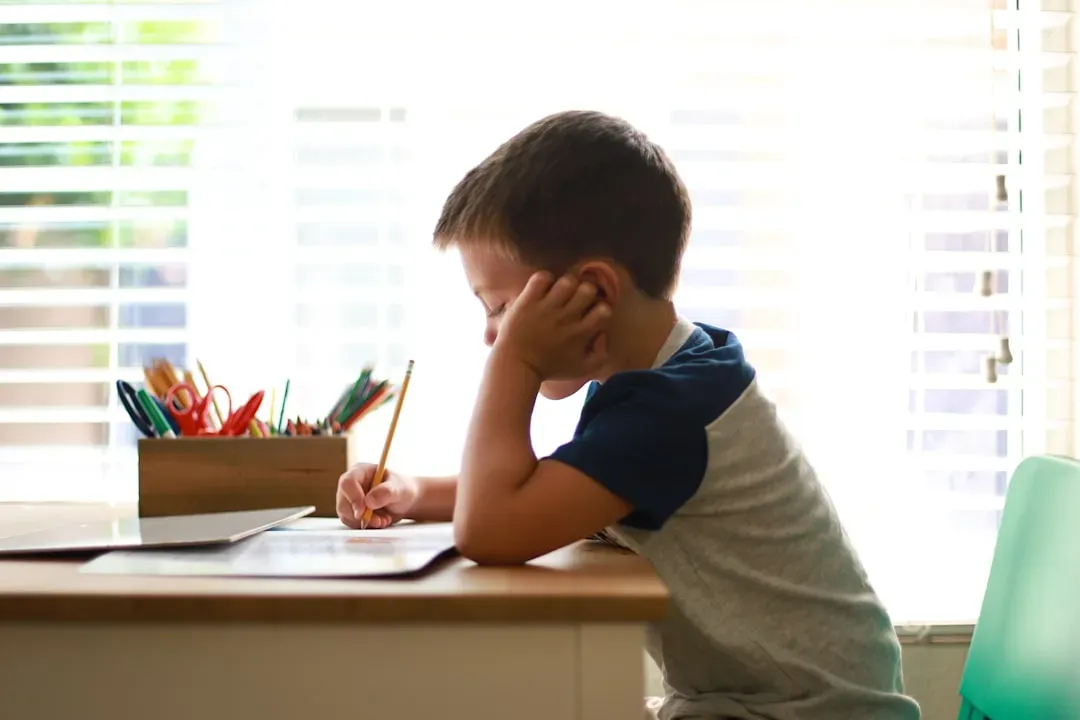
2. Overscheduling and Relentless Activity Loading (Image Credits: Unsplash)
The pressure to enrich a child's life through activities is real and largely well-intentioned. Sports, music lessons, tutoring, language classes – the logic makes sense. A data analysis published in the February 2024 issue of the Economics of Education Review found that students are assigned so much homework and signed up for so many extracurricular activities that the additional hours were no longer building academic skills but were actually harming their mental well-being, making students more anxious, depressed, or angry.
A 2024 data analysis found a clear relationship between the number of enrichment activities a child participated in and their mental health challenges, with kids who spend more time in extracurricular activities being more likely to struggle with anxiety, depression, and anger. The psychological costs also arrive before any academic benefit peaks. The researchers noticed that the psychological downsides of overscheduling hit before students' cognitive skills were even maximized.
Overscheduling can activate the stress response in children, leading to anxiety and difficulty managing emotions, while also leaving kids with less time to relax and sleep – causing poor mood, irritability, and even a weakened immune system. A good practical check: if a child doesn't have time for unstructured play or spontaneous social time with friends, the schedule has likely crossed a line.
3. Overprotective Hovering That Removes All Risk
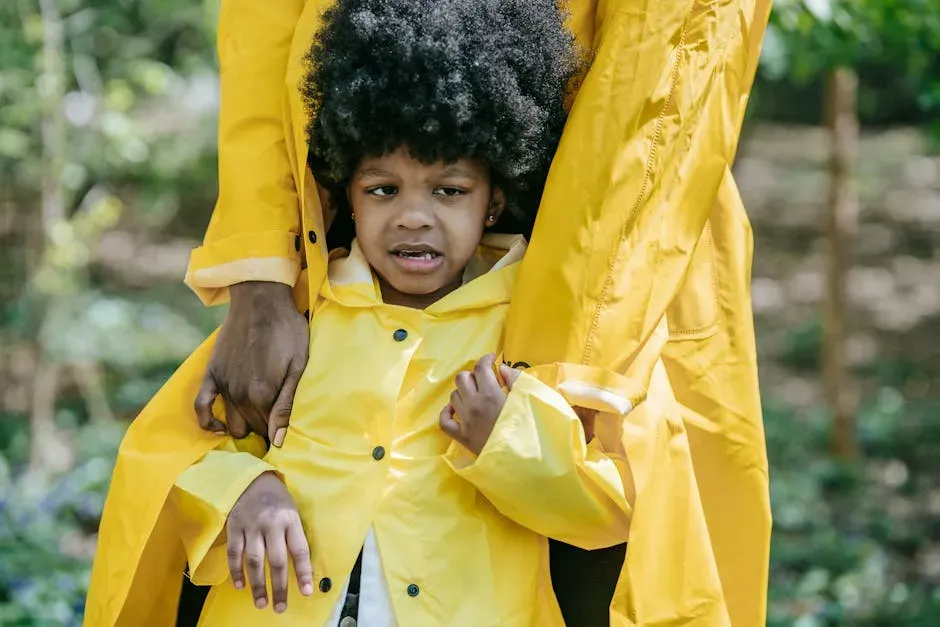
3. Overprotective Hovering That Removes All Risk (Image Credits: Pexels)
Wanting to protect a child from failure, embarrassment, or physical harm is instinctive. The trouble is when that protection becomes so total that it strips away the experiences children need to build resilience. Overprotective parenting continues to hinder child development in surprising ways – this approach, characterized by excessive involvement and micromanagement, often stems from parental anxiety rather than child benefit, and studies show children of helicopter parents frequently struggle with independence, decision-making, and emotional resilience.
Because children in overly controlling households are rarely encouraged to think for themselves or participate in decision-making, they may lack the critical thinking and problem-solving skills necessary to navigate situations independently later in life. There is also a compounding effect on anxiety. Executive functions – the mental skills that let a child plan, focus, remember instructions, and manage emotions – go temporarily offline when a child is overwhelmed, which is why an overwhelmed child genuinely cannot "just listen" or "calm down" on command; the part of the brain responsible for those abilities is flooded.
A more balanced middle ground, sometimes called lighthouse parenting, sits between helicopter and free-range approaches, with parents providing firm boundaries and emotional support while letting children navigate their own challenges. Children learn far more from navigating small difficulties with a calm parent nearby than from having every obstacle removed before they even notice it.
4. Household Tension and Unmanaged Parental Stress

4. Household Tension and Unmanaged Parental Stress (Image Credits: Pexels)
Children are remarkably perceptive. They pick up on parental stress, marital friction, and household instability even when adults believe they're hiding it well. Research has found that a higher degree of household stress exposure is associated with elevated mental health symptoms in two- to six-year-old children, including anxiety and externalizing behaviors. The mechanism is largely indirect, flowing through the parent.
These associations were mediated by parental anxiety symptoms, which were also linked to increased cortisol levels in children, with adult-targeted stressors – not child-targeted ones – correlating most strongly with children's behavior problems. In other words, stress that adults carry and express, even without directing it at the child, still lands on the child. When parents are stressed, they may be less patient and harsher with discipline than usual, which can confuse children or make them feel it's their fault, leading them to act out or withdraw.
Results from longitudinal research show that the use of both adaptive and maladaptive emotion regulation strategies by parents have a measurable effect on children's mental health problems, mediated through parenting stress. Managing the emotional climate in a household is therefore not just a personal wellness matter – it's a direct form of protection for the children living in it. Most overstimulation in children doesn't happen all at once; it builds, and the key is learning a child's early warning signs – the quieter signals like fidgeting, withdrawing, or getting clingy – and intervening before the system tips over.