
Most couples don't argue about texting directly. They argue about what a text meant, why it took so long to arrive, or why three words were sent in place of a real conversation. The phone sits quietly on the nightstand, but it's doing a lot of damage in the background.
Couples therapists report regularly seeing partners bring their phones into sessions to show the latest arguments and demonstrate "who said what," which raises serious concern that so many emotional issues are being communicated through text messaging instead of face-to-face or even phone conversations. These aren't isolated moments. They're patterns, and patterns are what shape relationships over time.
1. Texting to Resolve Arguments
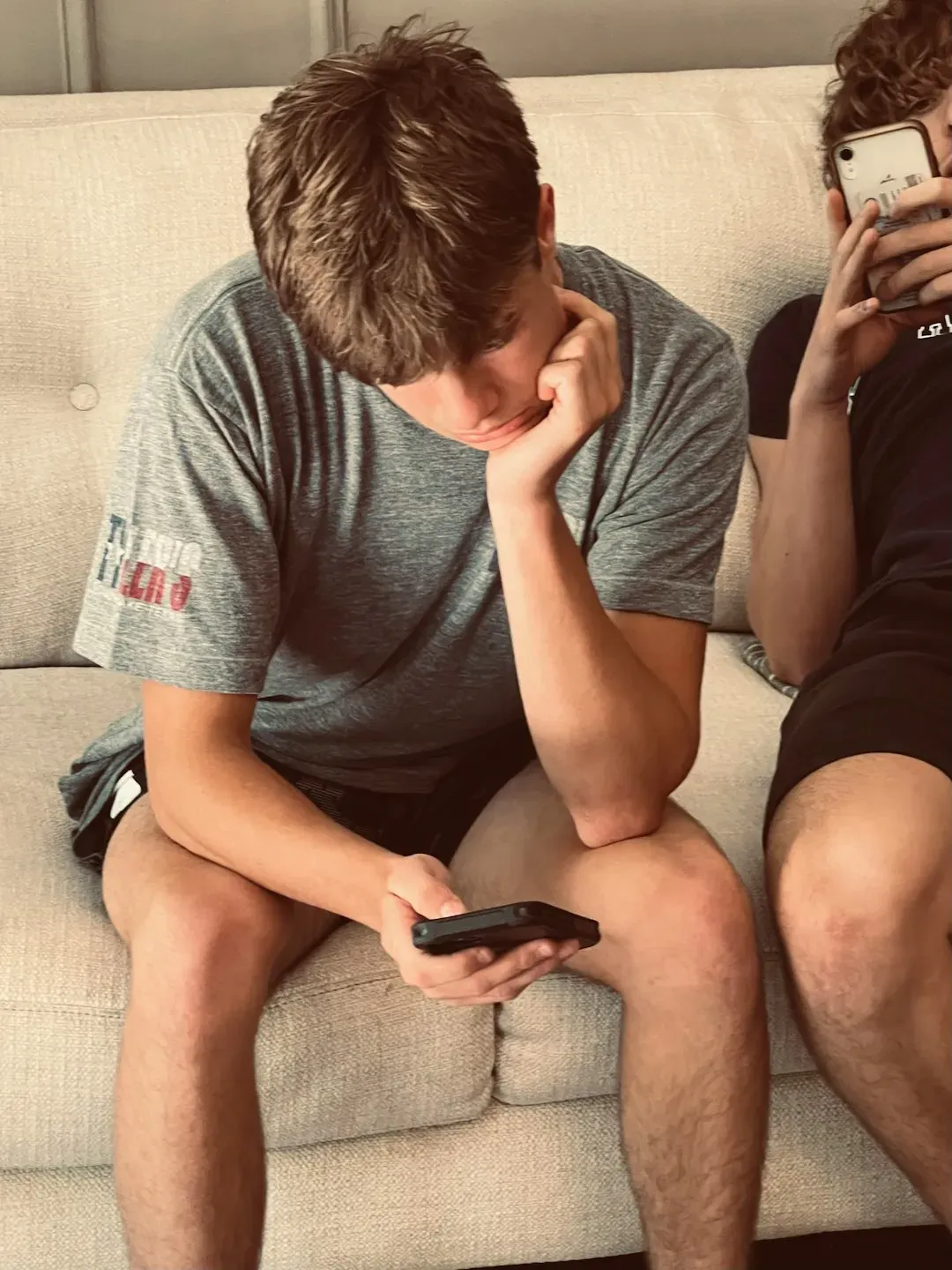
1. Texting to Resolve Arguments (Image Credits: Unsplash)
Few habits create more damage more quietly than trying to hash out a genuine conflict over text. The medium strips away the very things that make repair possible: tone, body language, and the ability to respond in real time to a misunderstanding.
When partners become over-reliant on text messaging to work through difficult issues, they don't develop the necessary skill sets to have tough conversations in person. There's no ability to hear tone of voice, understand the context of a message, or make immediate repair in the moment when something has been misread. Research published in the Journal of Couple and Relationship Therapy found that for women in particular, using text messages to apologize, work out differences, or make decisions is associated with lower relationship quality.
2. Over-Texting as a Form of Control

2. Over-Texting as a Form of Control (Image Credits: Unsplash)
Sending message after message when a partner doesn't respond quickly can feel like concern or love. From the outside, it often reads as something else entirely. Therapists consistently flag this pattern as one that erodes both trust and autonomy.
A large study with over a thousand participants between the ages of 16 and 21 found that going overboard with communication, such as sending too many texts or insisting on constant contact, actually predicted ghosting in romantic relationships. Constantly pinging a partner may unintentionally push them away, because disappearing can feel easier than dealing with an ongoing flood of messages. The impulse behind the behavior may be anxiety, but the effect is pressure.
3. Using Abbreviations and Low-Effort Replies

3. Using Abbreviations and Low-Effort Replies (Image Credits: Pexels)
A quick "k" or "thx" feels efficient. To the person on the receiving end, it can feel like indifference. Research published in the Journal of Experimental Psychology shows this isn't just perception – the effect is measurable and consistent.
Those tiny shortcuts like "k," "thx," "wut," and "idk" might seem harmless, but they signal to the receiver that the sender is putting in less effort, which can create emotional distance and make the person seem less sincere. Researchers analyzed more than 200,000 messages from hundreds of users on a dating platform and found that the more abbreviations a person used, the shorter their average conversations became – people simply didn't want to keep talking.
4. Replacing Real Conversation with Constant Texting

4. Replacing Real Conversation with Constant Texting (Image Credits: Pixabay)
There's a difference between texting to stay in touch and texting as a substitute for genuine connection. The first strengthens a relationship; the second gradually hollows it out.
Texting often replaces phone calls between romantic partners. Though it may seem instantly gratifying, it can be unhealthy for some relationships because it's brief and lacks emotional nuance, which can cause the receiver to misinterpret the message. The breakdown in communication between couples can begin with something as simple as a single text. As researchers have noted, texting can become a crutch and eventually a barrier to meaningful interactions, and texting constantly can stem from loneliness or boredom in ways that lead to further isolation.
5. Texting Too Frequently (Especially for Men)

5. Texting Too Frequently (Especially for Men) (Image Credits: Unsplash)
Volume matters. More messages don't automatically translate to more connection, and in some cases the opposite is true. Therapists working with couples often find that one partner's high-frequency texting is experienced by the other as overwhelming rather than affectionate.
For men in particular, more texting doesn't necessarily mean a better relationship. Their relationship satisfaction is lower not only when they receive a lot of texts, but also when they send a lot themselves. Researchers found that both men and women were more likely to report less satisfying and less stable relationships when the men in those relationships frequently texted their female partners. The frequency of contact, it turns out, is no substitute for the quality of it.
6. Texting as the Primary Communication Channel

6. Texting as the Primary Communication Channel (Image Credits: Unsplash)
When texting becomes the dominant way a couple communicates across all topics – including serious ones – it shifts the nature of the relationship in subtle but lasting ways. Research suggests that when texting accounts for a large share of communication relative to other channels, it shows a negative link with relationship satisfaction, even when the sheer volume of texts has little association with satisfaction.
When partners become over-reliant on text messaging for difficult issues, they don't develop the necessary skills to have tough conversations in person. Face-to-face conversation, with all its messiness and discomfort, is also where real intimacy gets built. Texting your way around that doesn't preserve comfort – it prevents growth.
7. Sarcasm and Tonal Ambiguity

7. Sarcasm and Tonal Ambiguity (Image Credits: Pexels)
Sarcasm depends almost entirely on delivery. In a room together, a raised eyebrow or a smile signals the joke. In a text thread, that signal vanishes completely, and what was meant as playful arrives as cutting.
Sarcasm can read as contempt, which is damaging to trust. In short text strings, the cost is higher than most people realize, because sarcasm in text lacks the musical quality of voice and can land flat and sharp instead. Therapists advise saving risky humor for a call or for time spent together in person. A single misread joke can spark a conflict that takes hours to undo, all because the medium couldn't carry the tone.
8. Misusing Texting to Manage Anxiety

8. Misusing Texting to Manage Anxiety (Image Credits: Unsplash)
Some people text compulsively not because they need to share information, but because waiting for a reply is unbearable. This habit turns a partner into an anxiety management tool, which puts enormous and unfair pressure on the relationship.
Research has found that people also text to escape their present situation, because they're bored, or because they feel it's a better way to express themselves – and researchers have noted the potential implications of texting as a form of escape. The use of texting to manage anxiety within relationships varies with respect to age and the level of commitment in the relationship, but the underlying dynamic is the same: when one partner relies on constant digital contact to feel secure, the other often begins to feel monitored rather than loved.
9. Expecting Constant Availability

9. Expecting Constant Availability (Image Credits: Unsplash)
Modern texting has built an implicit expectation: if someone is alive and holding a phone, they should be reachable. Therapists point to this assumption as one of the quieter sources of relationship conflict. What looks like a communication preference is often a boundary issue in disguise.
Research on mobile messaging in developing romantic relationships reveals that direct messaging is expected to be continuous, fast, and transparent, and that partners strategically use features like read receipts to manage these expectations. When reality doesn't match that expectation – a delayed reply, an unanswered message – the gap gets filled with assumptions, and the assumptions are rarely generous. Agreeing on response norms as a couple, though rarely romantic, is genuinely protective.
10. Using Texts to Score Points or Keep Evidence
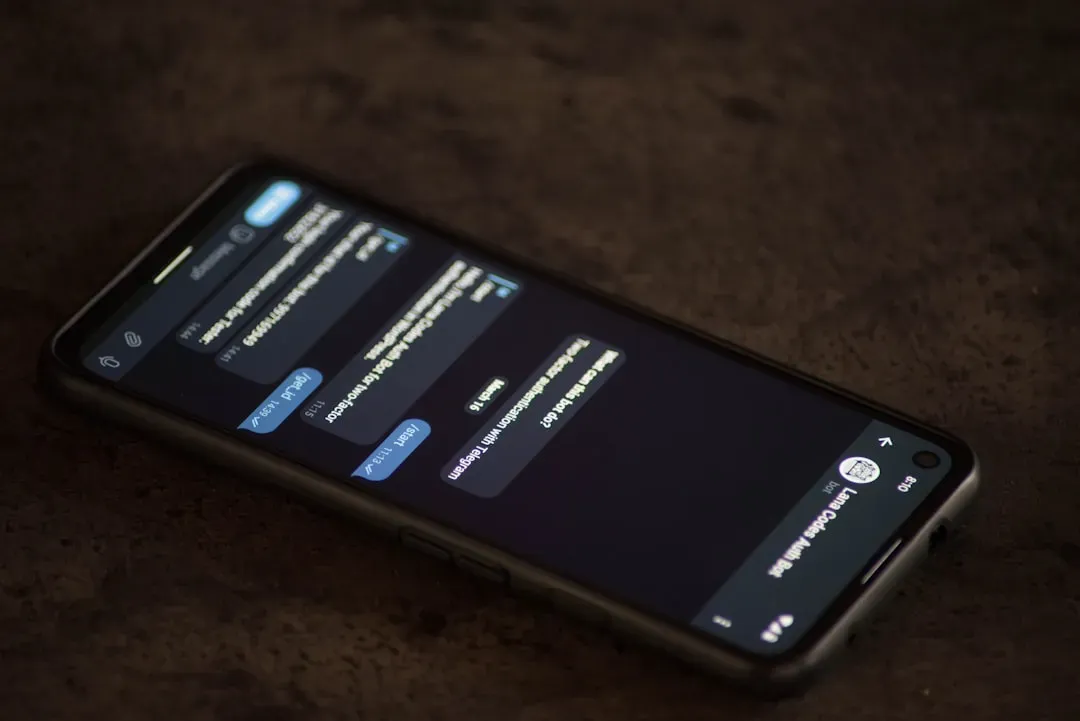
10. Using Texts to Score Points or Keep Evidence (Image Credits: Unsplash)
One of the most telling signs that a relationship is in trouble is when one or both partners start treating text threads like court transcripts. Screenshots get saved. Old messages get searched for proof. The conversation moves from connection to prosecution.
Couples therapists report that partners regularly bring their phones into sessions to show their latest arguments and demonstrate "who said what." That dynamic, a relationship conducted partly as a running record of grievances, signals a deep erosion of trust. A healthy relationship does not involve constant monitoring or invasion of privacy. When texts become evidence rather than conversation, the relationship has already shifted into adversarial territory.
11. Avoiding Hard Conversations by Defaulting to Text
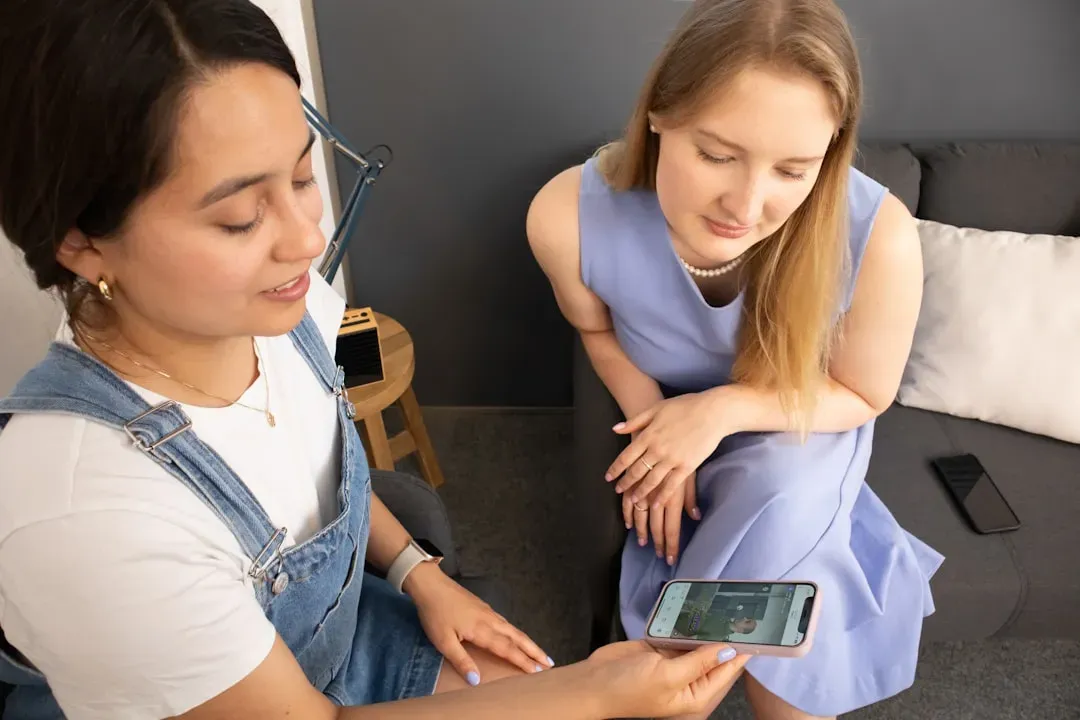
11. Avoiding Hard Conversations by Defaulting to Text (Image Credits: Unsplash)
Perhaps the most insidious habit on this list is the one that feels the safest. Sending a difficult message over text instead of having a real conversation protects the sender from immediate discomfort, but it removes the most important element of meaningful communication: presence.
Researchers have raised concern that younger generations haven't gotten enough training and experience in being verbally, emotionally, and romantically intimate in person, because so much of their communication happens through typing. This puts couples at a higher risk of miscommunication, conflict, and disconnection, because without genuine social and emotional intimacy, the tools needed to get through difficult times are simply not there. The convenience of texting a hard truth rather than speaking it comes at a real cost – one that compounds slowly, message by message, until the distance between two people becomes harder to close.
Texting itself isn't the enemy. It's a tool, and like most tools, the trouble lies in how it gets used. A relationship doesn't collapse because of one misread "k" or one delayed response. It erodes through the accumulation of small habits that, over time, replace the kind of communication that actually holds people together. Recognizing the patterns is the first step toward changing them.