
Most people have cleaned their home from top to bottom, stood back to admire the result, and then watched it slowly unravel over the following days. The mess that creeps back isn’t always about laziness or lack of effort. More often, it comes down to a handful of persistent habits and environmental setups that quietly undermine any progress made.
Disorganization, not lack of space, drives most household clutter, time loss, and stress, according to recent U.S. surveys and behavioral research. That’s worth sitting with. The problem is rarely that you need a bigger home. It’s usually that certain daily patterns are working against you without you realizing it.
Letting Flat Surfaces Become Default Drop Zones
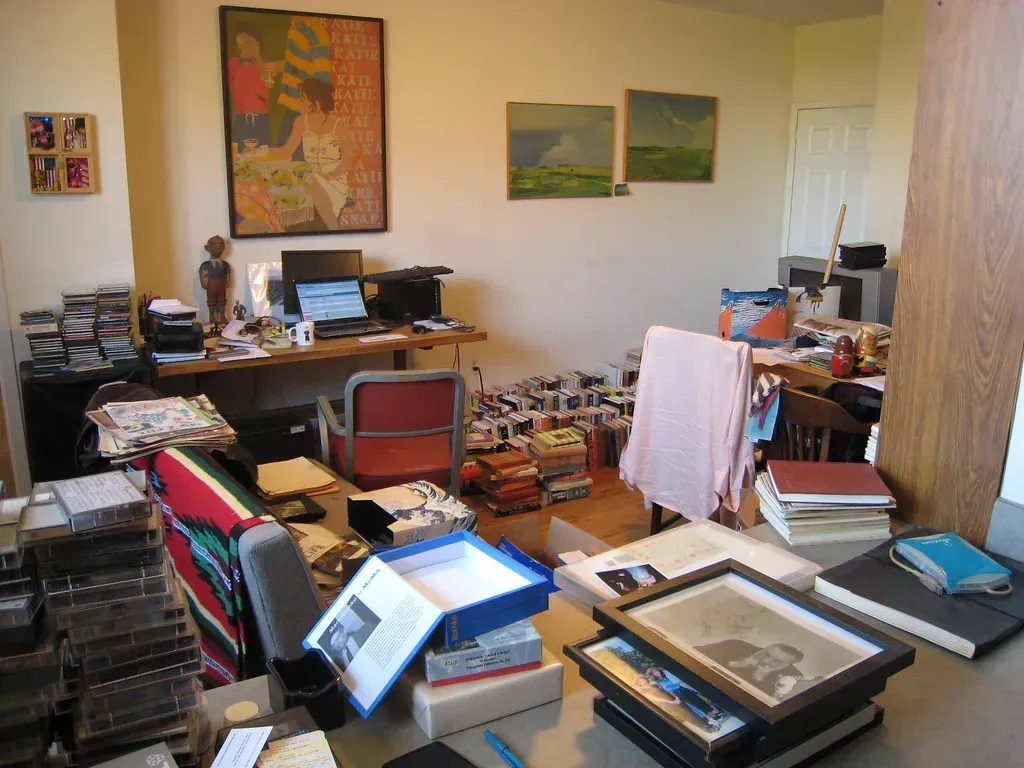
Letting Flat Surfaces Become Default Drop Zones (MarkWallace, Flickr, <a href="https://creativecommons.org/licenses/by/2.0/" target="_blank" rel="noopener">CC BY 2.0</a>)
Flat surfaces like kitchen counters, coffee tables, and nightstands are magnets for clutter, and too many decorative items or everyday essentials left out can make a home look disorganized. The reason this happens so reliably is almost architectural. When a surface is available and visible, it invites things to land on it. One item becomes two, two becomes a pile, and the pile starts to feel permanent.
Because there are already books and papers on a surface, it becomes easy to think “what’s the big deal with adding one more thing to the pile already there?” Before long, the space feels overwhelming and anxious to deal with. Some surfaces, like kitchen counters and tables, benefit from being cleared of clutter daily rather than treated as acceptable catch-all spots. The fix isn’t dramatic. It’s just making a conscious choice about what each surface is actually for.
Not Giving Every Item a Designated Home
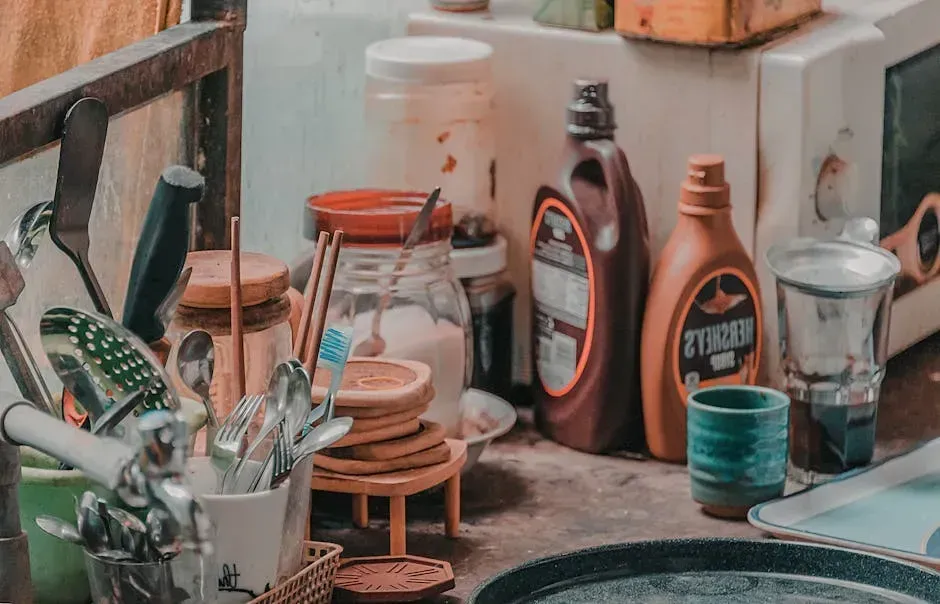
Not Giving Every Item a Designated Home (Image Credits: Pexels)
Items that don’t have a home or a designated place float around and often end up on counters. Poor daily routines allow this to continue, and without a process for managing new things that come into the home, such as mail or everyday items, the cycle repeats itself. This is one of the most underrated causes of a home that never quite looks settled. When something doesn’t have a clear place to belong, it wanders.
A survey cited in a 2024 consumer summary reported that Americans lose an average of five items per month and spend nearly 17 hours per year searching, with most lost items being everyday essentials such as keys, wallets, remote controls, and chargers that frequently migrate into cluttered zones. Designers who recognize habitual patterns can align home organization systems with behavior to reduce clutter before it accumulates, for example by creating an entryway organization system for spaces where mail, shoes, coats, and bags tend to pile up.
Ignoring Paper and Mail Until It Stacks Up
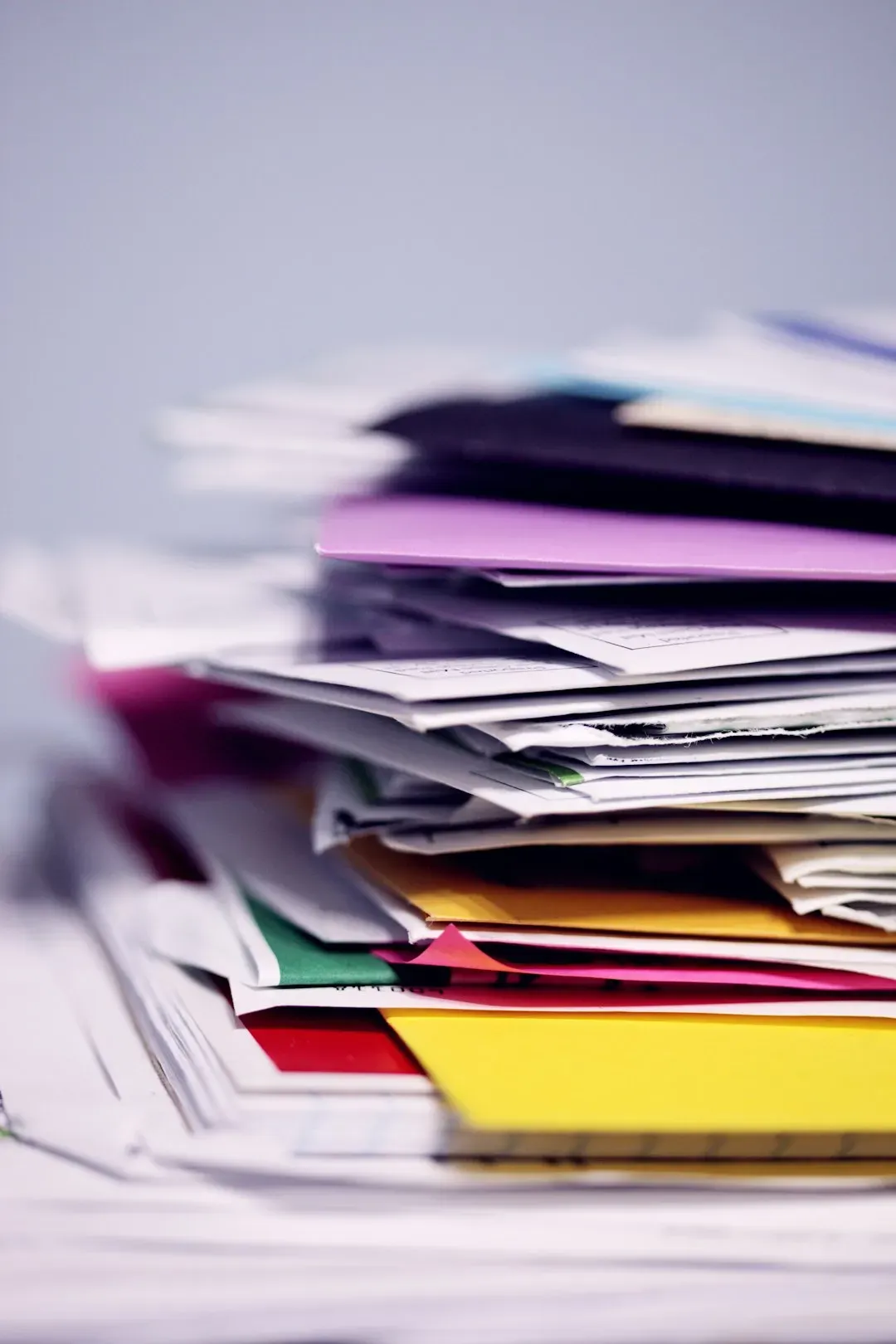
Ignoring Paper and Mail Until It Stacks Up (Image Credits: Unsplash)
From overflowing closets to piles of mail, seemingly small issues can significantly impact the overall ambiance of your home. Paper clutter is particularly insidious because it often looks manageable in the moment. A few envelopes here, a receipt there. But paper multiplies quietly, and within a week a small stack can become a visual obstacle that makes an entire room feel disorganized even when everything else is tidy.
Making a habit of addressing paper clutter daily the first time you touch it is one of the most effective ways to stay on top of the problem. A good rule of thumb is to handle papers only once and deal with mail as soon as you hold it. A completely covered refrigerator door looks messy and makes a house feel cluttered. Even the cleanest kitchen looks messy if the refrigerator is covered. Paper has a way of spreading beyond any single surface once it’s allowed to accumulate.
Owning More Than the Space Can Comfortably Hold
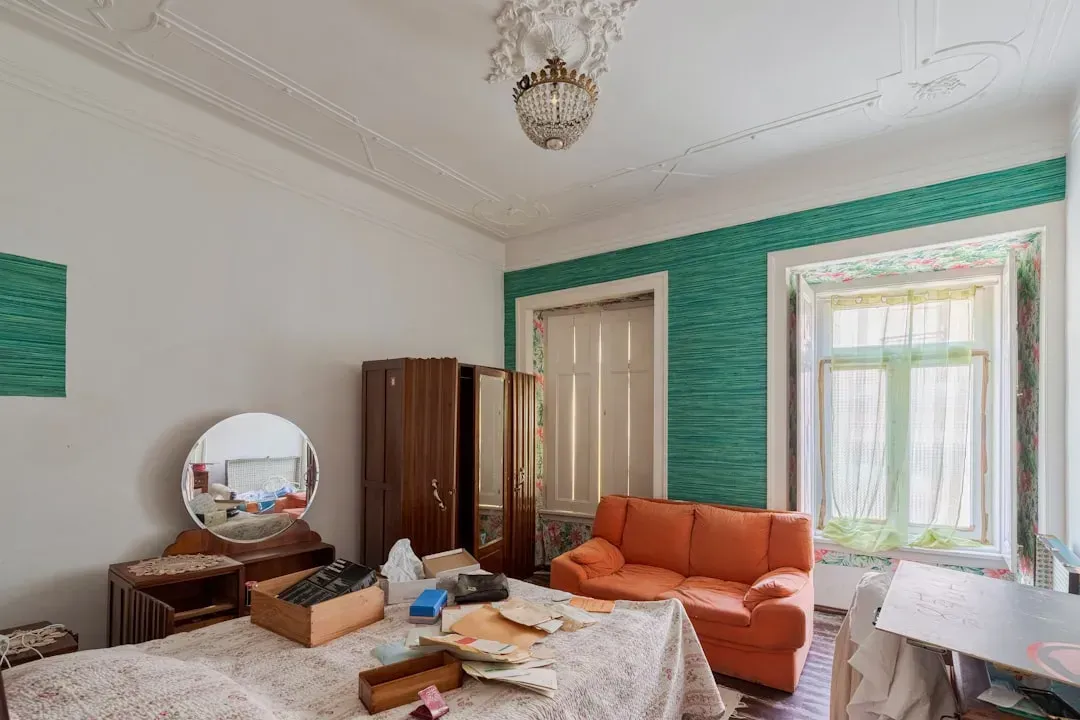
Owning More Than the Space Can Comfortably Hold (Image Credits: Unsplash)
There are an estimated 300,000 items in the average American home, according to the LA Times. That number sounds absurd until you actually start counting everything in your own cupboards, drawers, and storage areas. The more things we own, the more things we have to clean, organize, and manage, and trying to stay on top of it all in a cluttered home requires more time, energy, and effort.
A survey conducted by the buying and selling app Mercari reported an average of 42 unused items amounting to hundreds of dollars’ worth of goods in the average American household, with more than half of participants feeling overwhelmed by the amount of “stuff” in their home. The real difficulty here is that most excess accumulates gradually. Each individual item seems fine to keep. Clutter’s effects may come in waves or episodes, with negative effects accumulating through repeated exposure during periods when clutter continues to build up. Over time, the sheer volume of possessions outpaces what any storage system can absorb, and the result is a home that never quite feels calm no matter how often it gets cleaned.
None of these errors are character flaws. They’re mostly habits shaped by the way a home is set up and the rhythms people fall into without realizing. Recognizing the specific pattern causing trouble is usually the most useful first step, because tidying without addressing the root cause tends to be a temporary fix at best.