
There’s a kind of quiet confidence you’ll notice in parents who’ve traveled with kids more than a few times. They move through airports with a certain ease. Their bags open efficiently. They’re not rummaging in a panic for the one thing they forgot. That calm isn’t luck – it’s the result of trips that went sideways in all the instructive ways.
Most families heading out for the first time pack too much of the wrong things and too little of the right ones. Experienced parents have refined their approach down to roughly 15 to 20 essential items that they never skip, while most families on their first trips overpack by bringing 40 or more unnecessary items. The gap between those two approaches is exactly what this list is about.
A Document System That Goes Beyond Just Passports
A Document System That Goes Beyond Just Passports (Image Credits: Unsplash)
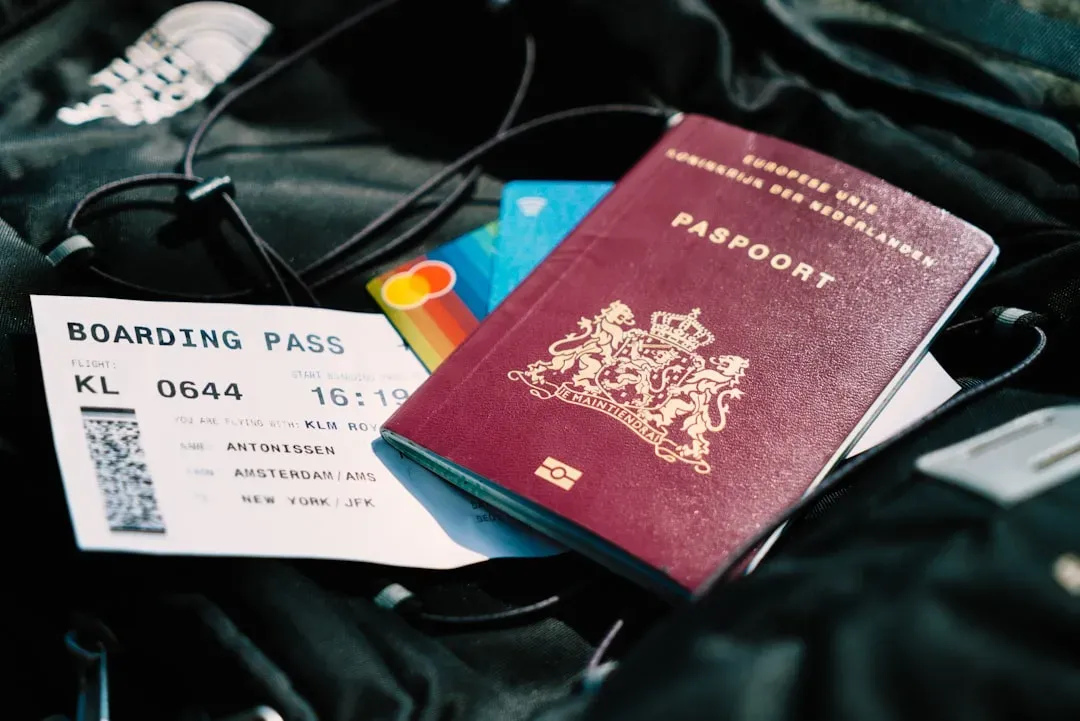
Nothing derails a family vacation faster than document problems. Seasoned parents treat documents as the non-negotiable starting point, because everything else is replaceable – these items are not. That means not just having passports on hand, but building a full document system before the trip even begins.
The most prepared parents keep original documents in a secure travel wallet that stays on their person at all times, while backup copies are stored in a separate location and uploaded to a secure cloud service. If a child is traveling with only one parent or a grandparent, the appropriate permission paperwork should also be included in the family travel folder. Most first-timers never think of this until it's too late.
A Dedicated Bag That Stays Accessible During Travel
A Dedicated Bag That Stays Accessible During Travel (Incendiary Solution, Flickr, <a href="https://creativecommons.org/licenses/by-sa/2.0/" target="_blank" rel="noopener">CC BY-SA 2.0</a>)
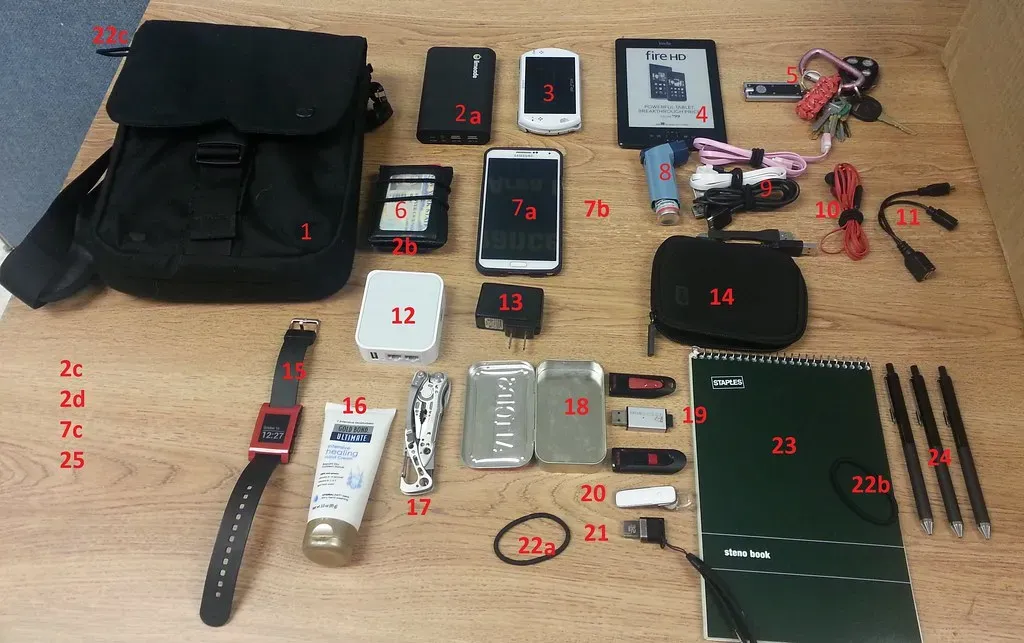
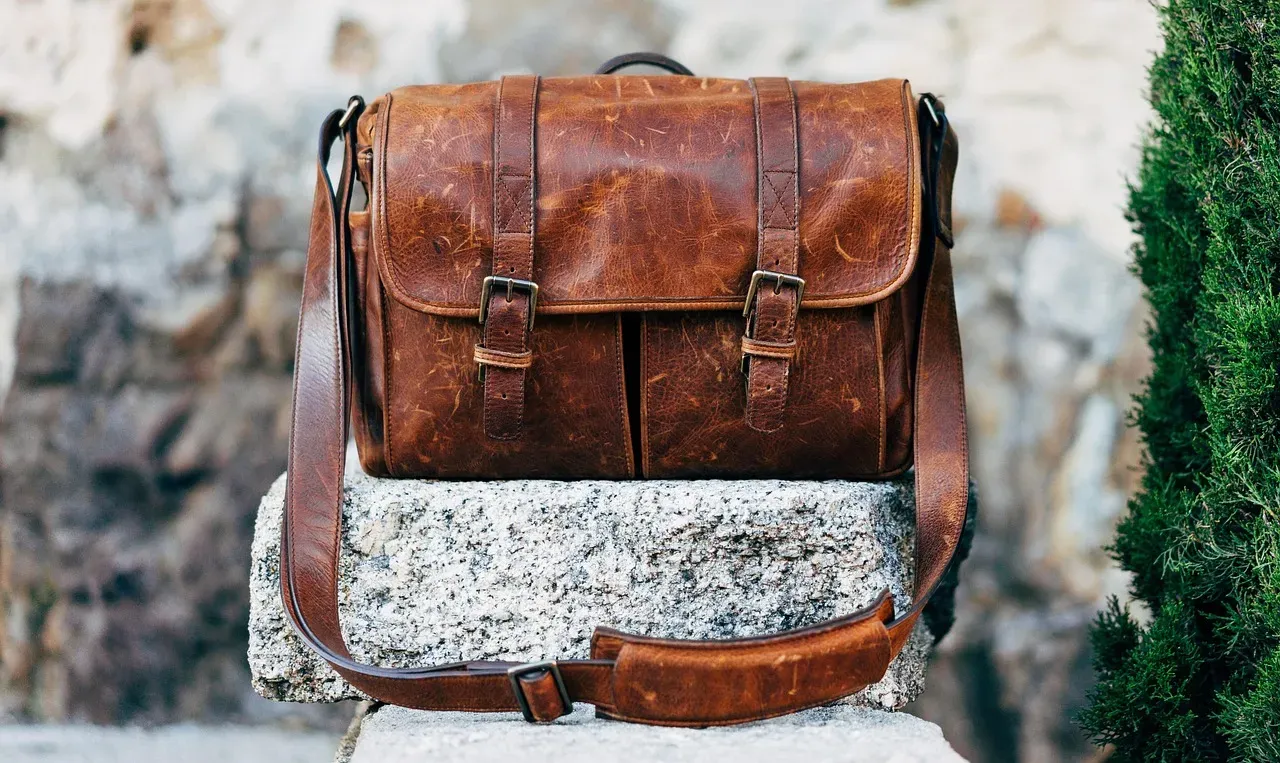
The best road trip bag is the one you can reach without stopping the car. That means keeping snacks, wipes, chargers, medicine, and entertainment where an adult can grab them immediately. It sounds obvious, but it's one of those things that requires intentional packing rather than just tossing items into whichever bag has space.
Using packing cubes and rolling clothes saves space in the main suitcase, while designating one bag specifically for essentials needed during travel – snacks, wipes, toys, travel documents, chargers – keeps the journey itself manageable. Experienced parents set this bag up first, not last, and they never let it get buried under checked luggage.
Medications and a Real First Aid Kit
Medications and a Real First Aid Kit (Image Credits: Pixabay)
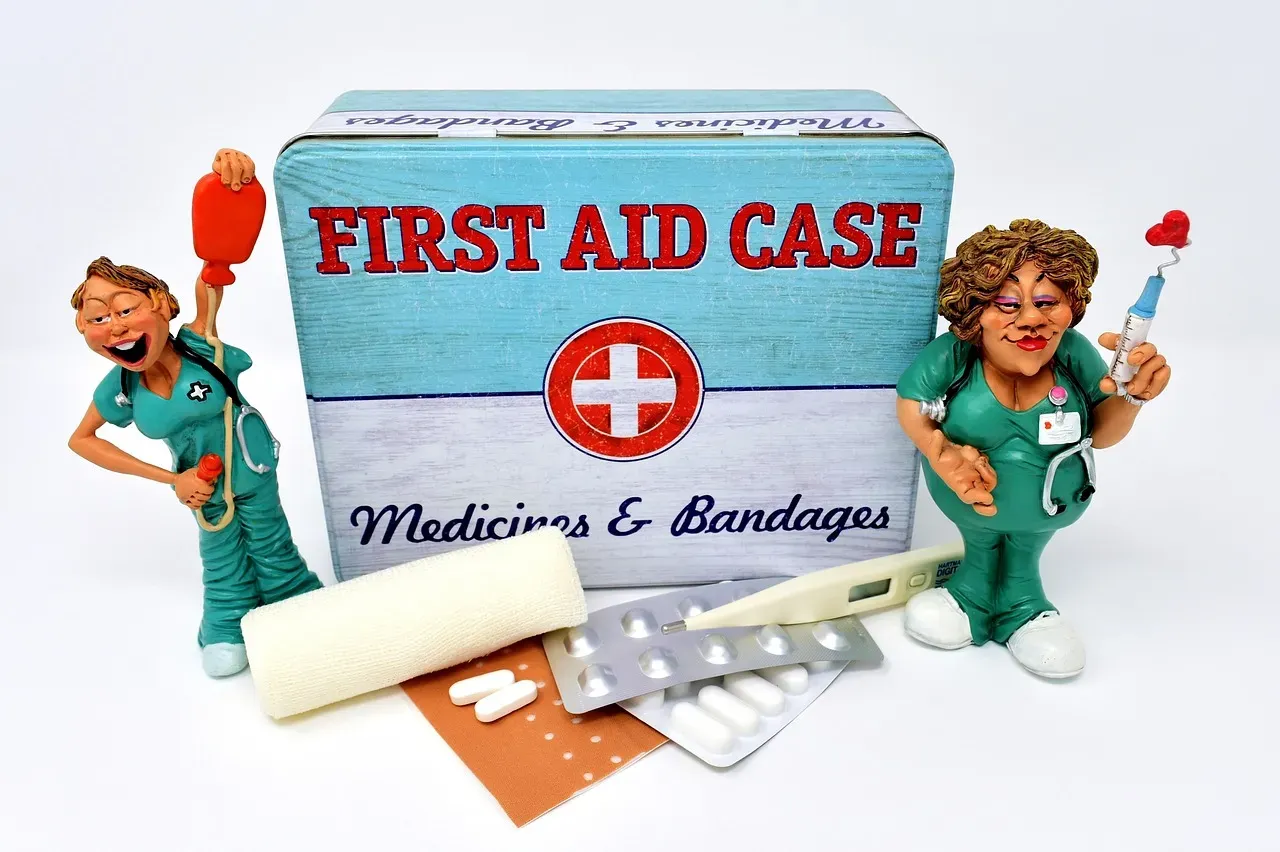
Accidents can happen anywhere, and experienced travelers stay prepared with a compact first aid kit that includes band-aids, antiseptic wipes, pain relievers, and motion sickness tablets. Beyond the basics, though, the item most frequently forgotten is prescription medication for children who need it. Fever reducers and any prescription medications prove critical during travel emergencies.
For families planning active excursions like hiking or boat trips, a first aid kit and nausea medication are important additions, and if traveling in winter, a nebulizer can help with congestion and sleepless nights. Prescribed medications should be kept in their original packaging to pass smoothly through customs. It's a small detail with real consequences if overlooked.
Comfort Items for Children Sleeping Away From Home
Comfort Items for Children Sleeping Away From Home (Image Credits: Unsplash)
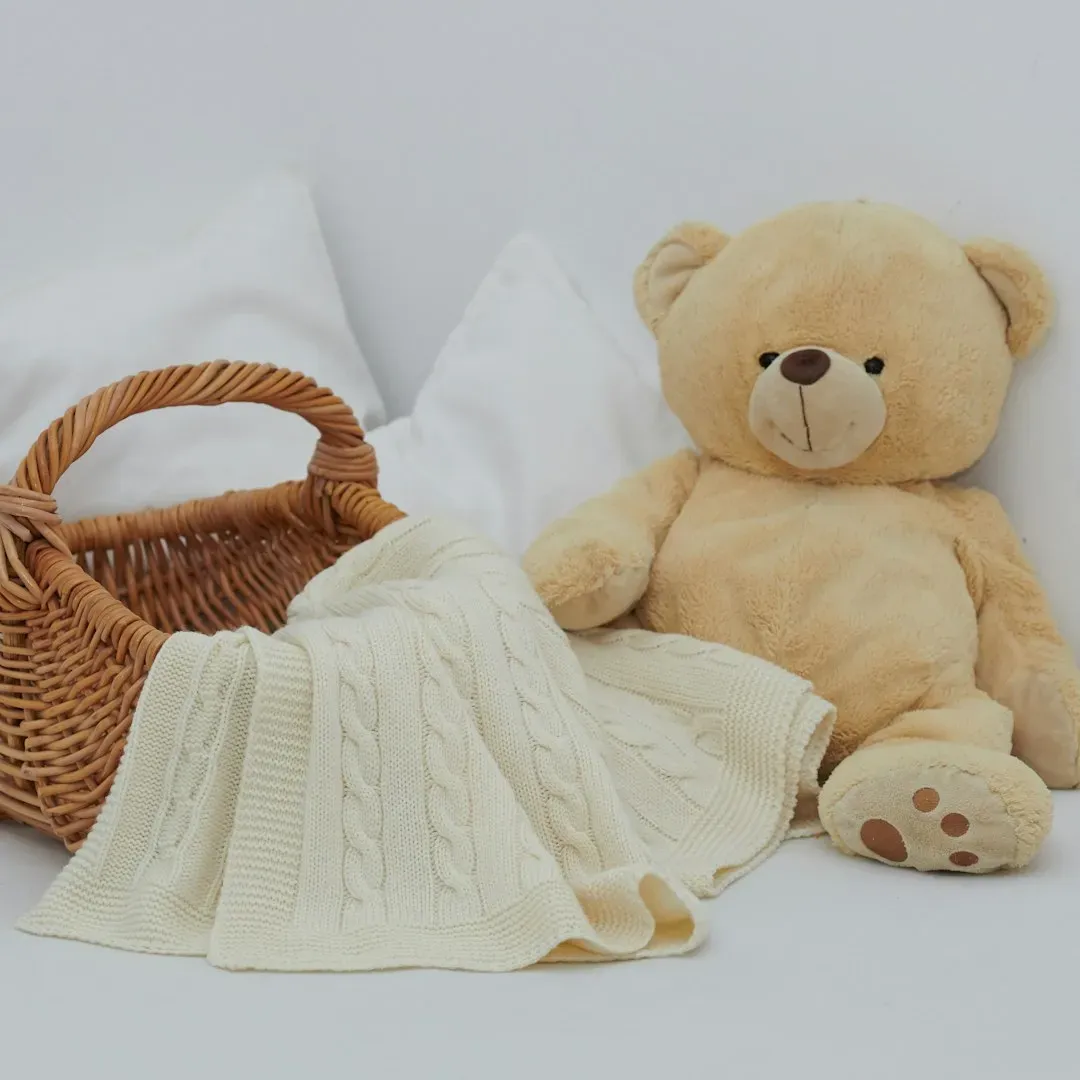
Favorite comfort items like stuffed animals or blankets are forgotten by more than a quarter of traveling families, yet these are precisely the items that help toddlers and young children sleep in unfamiliar places. A missed nap or a rough first night in a hotel can set the tone for everything that follows, and it's rarely worth the gamble.
Beyond general entertainment options for the journey, parents should make sure to include personal items their child cannot live without, whether that's a bouncer, a beloved blanket, or a particular toy needed at nap time. These aren't luxuries. For younger children especially, they're the difference between a settled evening and a difficult one.
Reusable Zip-Lock Bags in Multiple Sizes
Reusable Zip-Lock Bags in Multiple Sizes (Image Credits: Pixabay)
One tip that experienced traveling parents swear by is adding zip-lock bags in various sizes to the packing list. These sealable, waterproof bags aren't just for sandwiches – they're useful for keeping phones, cash, and keys dry at the beach, storing soiled or wet swim clothes, and containing the mess if a lotion bottle leaks. Most people only think of them as food storage.
Most families don't consider bringing zip-lock bags at all since they're typically associated with food, but using a few to keep things sorted and to protect tech from water hazards or spills is a genuinely smart packing move. Toss in a range of sizes – the small ones are useful for organizing cables, and the large ones work well for wet swimwear at the end of a beach day.
Power Solutions That Cover Every Device
Power Solutions That Cover Every Device (Image Credits: Unsplash)
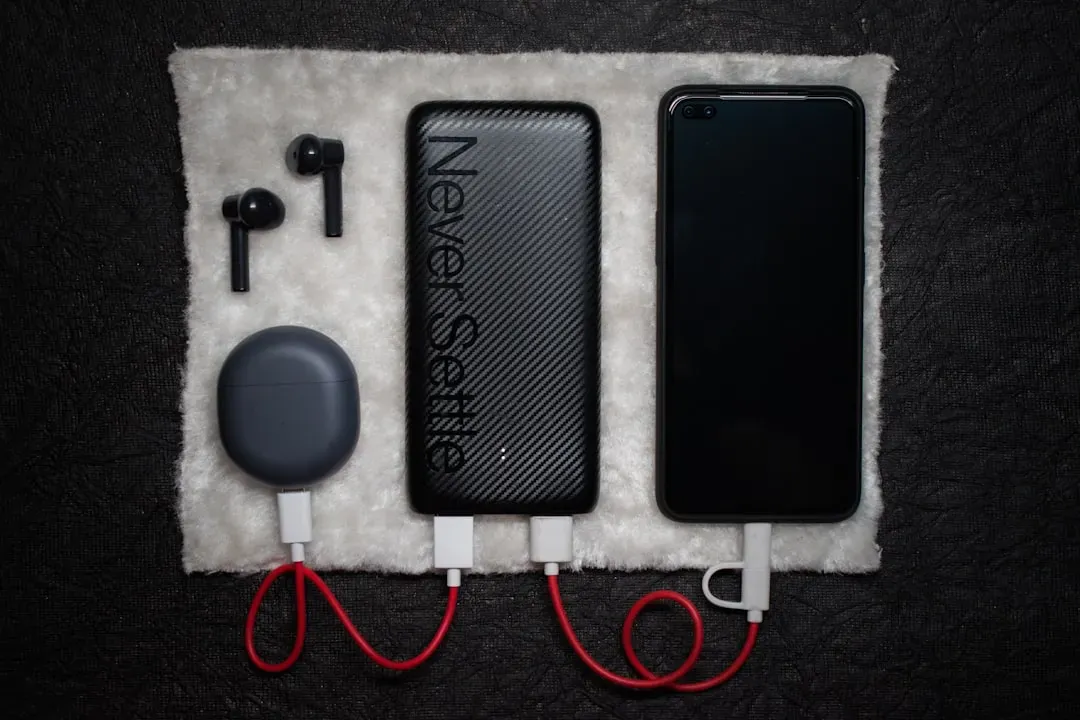
Charging solutions are critical for modern family travel. Experienced parents pack one high-quality portable charger for every two family members along with backup cables for all devices, and for international travel, universal adapters are essential since they're easily lost or forgotten in hotel rooms. That last point matters more than most people expect – losing a single adapter can make a whole bag of electronics useless.
One of the most practical habits seasoned parents develop is packing identical items in multiple locations. Phone chargers placed in three different bags means someone will always have one when another gets left behind after charging. It seems excessive until the morning you genuinely need it.
Snacks That Are Actually Travel-Friendly
Snacks That Are Actually Travel-Friendly (Image Credits: Pexels)
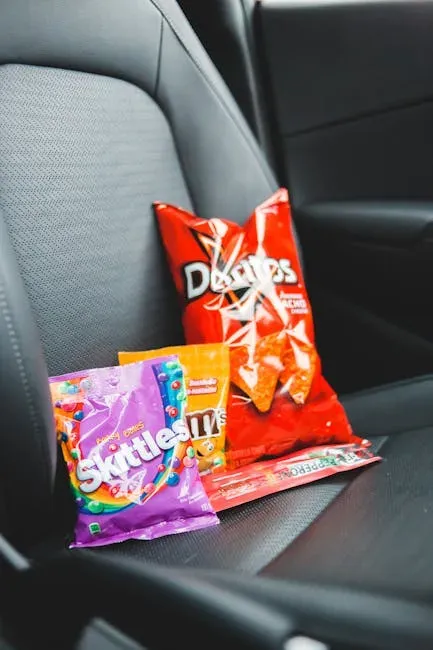
Forgetting swimsuits is annoying, but forgetting snacks for a toddler or child can turn the first day of a trip into a genuine mess. Experienced parents don't just grab a bag of chips on the way out the door. Individual bento-style lunch boxes and a shared snack container with small compartments work well to minimize mess and arguments, with snacks pre-sorted into crackers, trail mix, fruit snacks, and dried fruits for easy access on the go.
Even when food options are available at the destination, packing non-perishable snacks for moments when hunger strikes unexpectedly saves both money and stress. Children's hunger rarely aligns with restaurant hours or convenient rest stops. Having something reliable on hand keeps moods steady and reduces the number of unplanned detours.
A Color-Coded Organization System for the Whole Family
A Color-Coded Organization System for the Whole Family (Image Credits: Unsplash)
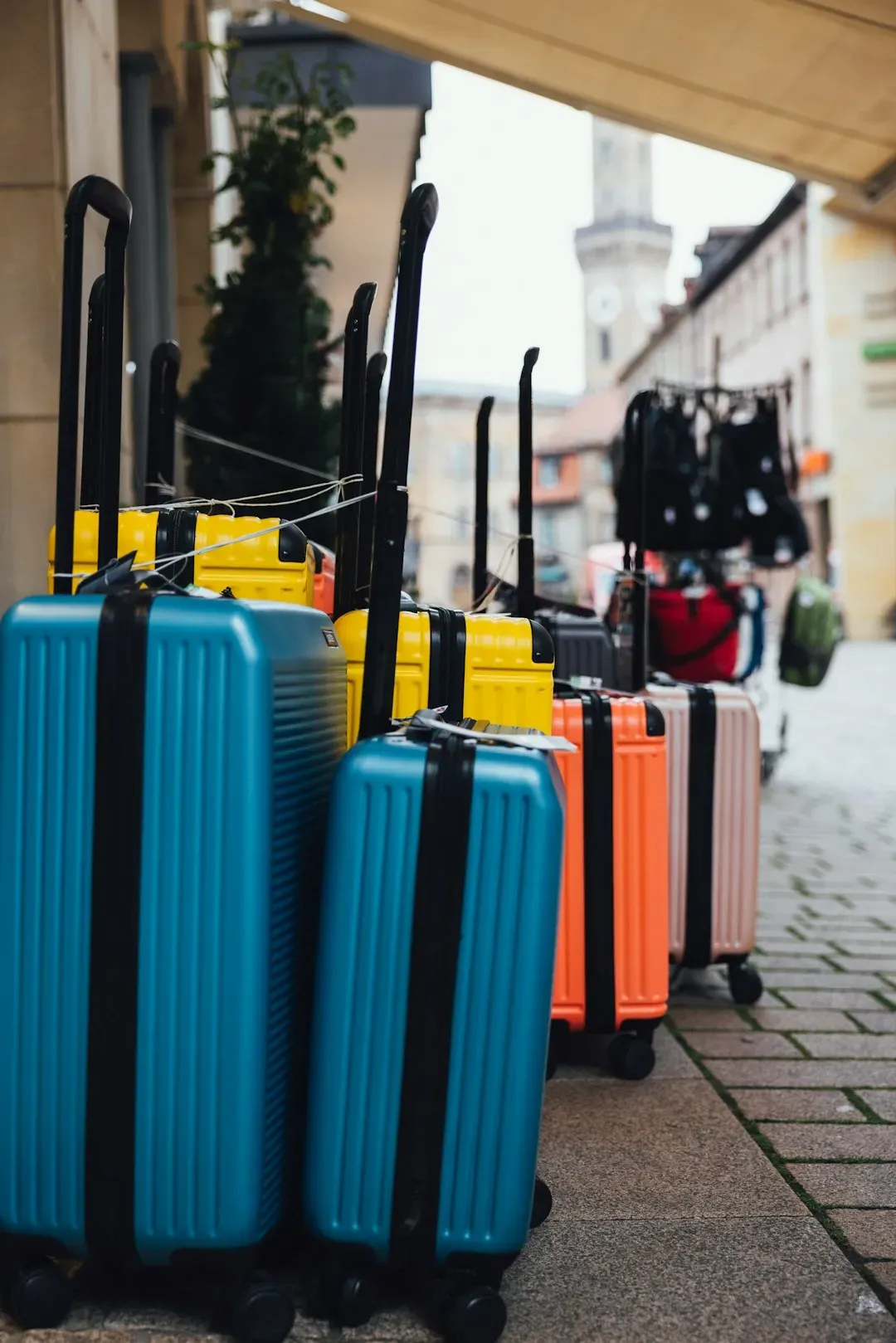
A color-coding system can genuinely transform how a family stays organized on the road. Assigning each family member a designated color for packing cubes, luggage tags, and water bottles makes it immediately clear whose bag is whose and what belongs where. It sounds like the kind of thing only the most organized parents do, but once you've tried it, it becomes automatic.
Some families assign different colored pens or tags to distinguish carry-on items from checked luggage, which prevents essential items from accidentally ending up in inaccessible bags. Having a well-organized approach to family travel packing reduces a lot of stress and ensures that only essential items make it into the luggage, keeping things lighter overall. Lighter bags mean less fatigue, fewer lost items, and a smoother journey from the moment you leave the house.
Extra Clothing Distributed Across Multiple Bags
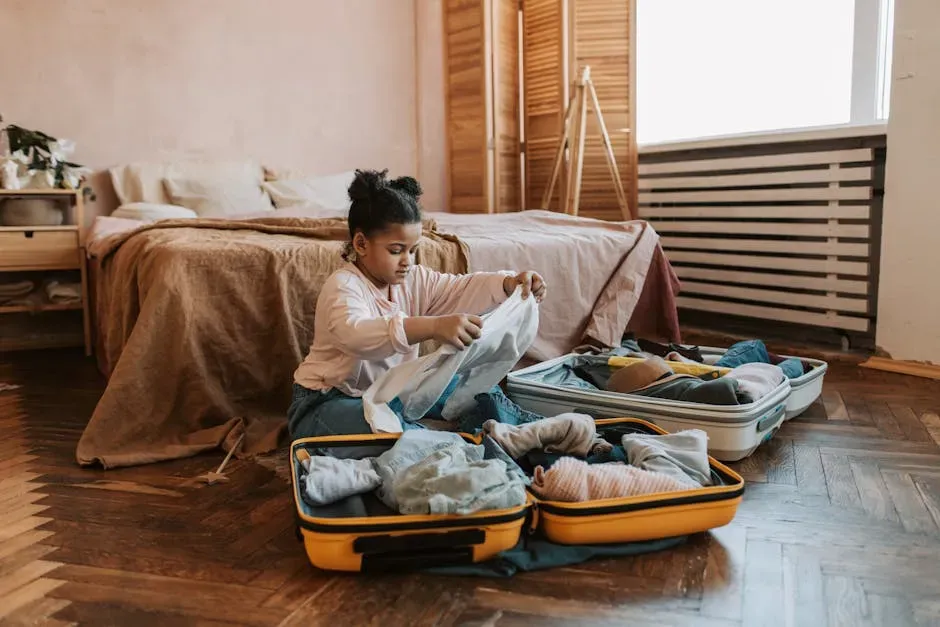
Extra Clothing Distributed Across Multiple Bags (Image Credits: Pexels)
If a child spills juice in the airport, gets carsick on a road trip, or suddenly needs a jacket at night, one extra outfit in the carry-on feels far more valuable than three "just in case" outfits buried in the main suitcase. This is one of those lessons that first-time traveling parents almost universally learn the hard way.
If an airline misplaces one suitcase, the whole family could be left without clothes. Rather than dedicating one bag entirely to the kids, keeping at least one change of outfit in each person's separate bag avoids this exact disaster. Similarly, packing backup underwear and socks in carry-on bags and day packs is wise since these items are most likely to get wet or dirty and are essential for basic comfort. It's unglamorous advice, but it's the kind that actually saves trips.
Travel Insurance Documentation and Emergency Contact Cards
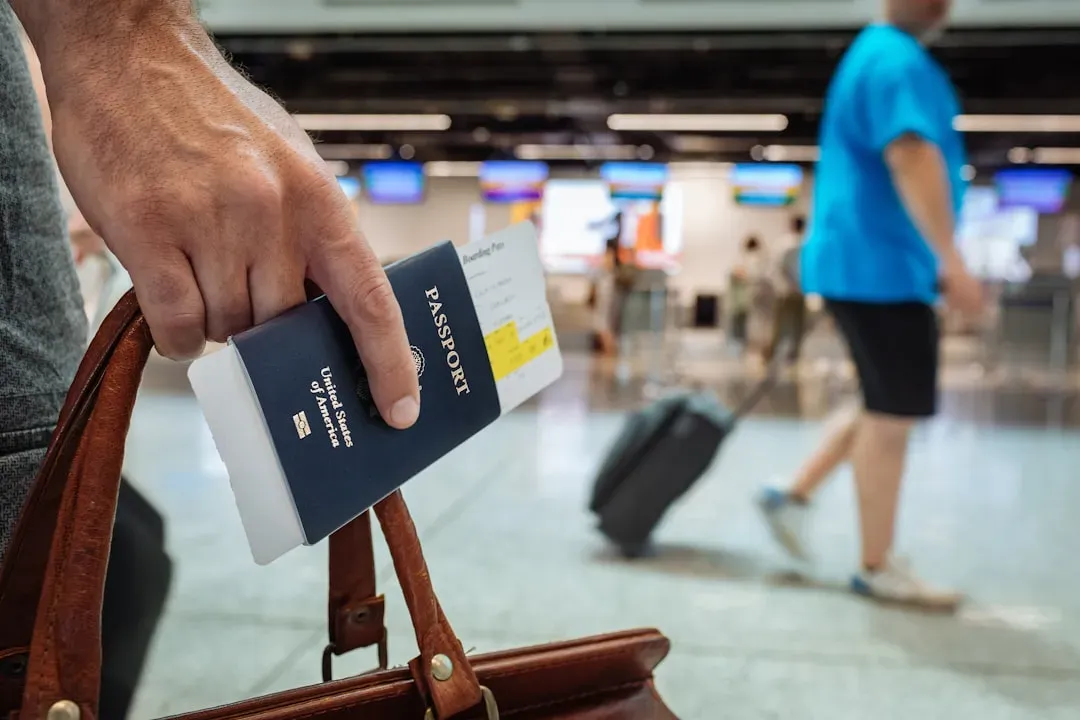
Travel Insurance Documentation and Emergency Contact Cards (Image Credits: Unsplash)
A solid travel insurance policy that includes children and covers medical emergencies, trip cancellations, and lost luggage is something no experienced family traveler skips. The documentation for that policy, however, is what often gets left behind. Carrying basic medications, knowing the location of the nearest clinic or hospital at the destination, and keeping insurance information readily accessible are all part of being genuinely prepared.
A quick search of the destination area to bookmark the nearest pharmacies and grocery stores before departure, along with a copy of any doctor's prescriptions to cross-check dosages, gives families a real safety net when unexpected health issues arise far from home. Experienced parents treat this groundwork as part of the packing process itself, not an afterthought. It takes fifteen minutes before the trip and can save hours of frantic searching during it.