
Language is one of the most revealing things about a person. The phrases we reach for automatically, the expressions we repeat without thinking, they’re all shaped by the world we grew up in. For Baby Boomers, born roughly between 1946 and 1964, that world looked dramatically different from the one younger generations are navigating today. The economy worked differently. Technology barely existed in its current form. And the social rules around feelings, work, and respect were almost unrecognizable by modern standards.
Whether it’s a close-knit family, a multi-generational workplace, or a community gathering, most people have already experienced the gap in language between older and younger generations. The thing is, most boomer phrases aren’t meant to offend. Most boomers don’t use these phrases to be rude. They use them because language sticks, and we repeat what we grew up hearing. Here’s a closer look at the expressions most likely to make conversations go sideways.
"Back in My Day…"
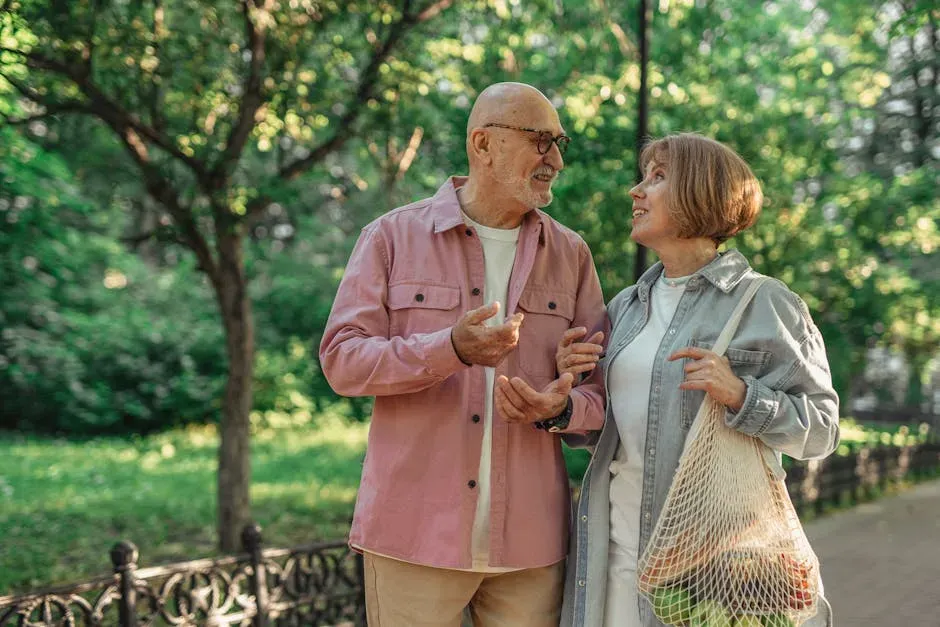
"Back in My Day…" (Image Credits: Pexels)
One of the most common phrases likely to disconnect boomers from younger generations is "In my day." While it's natural to draw on past experiences for perspective, this phrase can unintentionally come across as dismissive or condescending, giving the impression that the present is being judged unfavorably. For younger generations navigating their own unique challenges, it can feel like a dismissal of their experiences and struggles.
Younger generations often hear it as a way of saying: "Your struggles don't matter because I had it harder." Even if that's not the intention, the phrase sets up a comparison, one where the younger person will almost always lose. It can come across as dismissive of how different the world is today, from housing prices and job markets to mental health expectations and childcare costs.
"Pull Yourself Up by Your Bootstraps"

"Pull Yourself Up by Your Bootstraps" (Image Credits: Pixabay)
Originally, this phrase described an impossible task, since you literally cannot pull yourself up by your own bootstraps. Somewhere along the way, it morphed into a rallying cry for self-reliance, and now it's become something else: a generational expression that reveals how differently people understand opportunity. The bootstrap mentality assumes that hard work automatically equals success, ignoring systemic issues, luck, timing, and the fact that the economic landscape has dramatically shifted.
The problem is that it oversimplifies life's challenges. Not everyone has the same opportunities or resources, and pretending otherwise can sound cold and judgmental. In their twenties, boomers faced median home prices that were roughly three to four times the average annual income. Today, in most major cities, that ratio has climbed to ten times or more, not to mention student debt, global inflation, and widespread job insecurity.
"You're Too Sensitive"
"You're Too Sensitive" (Image Credits: Pexels)
It's one of those phrases that sounds like advice but feels like a dismissal. Many boomers use it to encourage resilience, but to younger generations it comes across as invalidating and emotionally tone-deaf. Modern generations are far more open about mental health, trauma, emotional intelligence, and personal limits. They see emotional awareness as strength, not weakness, which is why calling someone "too sensitive" feels dismissive and emotionally minimizing.
The intention might be to soothe, but what the other person hears is that their feelings are overblown. Many boomers grew up in an era where emotional control was seen as strength and expressing frustration or sadness publicly was considered dramatic. To younger generations, who were raised with more emotional openness, it sounds like invalidation.
"That's Just the Way It Is"

"That's Just the Way It Is" (Image Credits: Pixabay)
This phrase is often used as a final sentence, signaling no further discussion, no questioning, no progress. To younger generations who grew up during rapid technological, cultural, and social shifts, it sounds like a refusal to evolve. In many cases, it's used to justify outdated norms, unfair systems, or behaviors that younger people aren't willing to accept anymore. It can feel like an excuse to avoid change rather than an explanation of history.
This phrase can come across as dismissive or resistant to change, which can be off-putting to younger individuals who are often at the forefront of new ideas and innovation. It has a way of shutting doors mid-conversation rather than opening them. In many cases, it's used to justify outdated norms or offensive behaviors that younger people aren't willing to accept anymore.
"Nobody Wants to Work Anymore"

"Nobody Wants to Work Anymore" (Image Credits: Unsplash)
Few phrases make younger generations cringe more than this one. It's not that people don't want to work, they just don't want to be exploited. Millennials and Gen Z have watched wages stagnate while housing prices and living costs skyrocket. The accusation lands especially hard when it comes from a generation that had access to affordable housing, steady union jobs, and a stable economic ladder.
Work ethic hasn't died. It's evolved. Today's generation values meaning, flexibility, and mental balance over the nine-to-five grind that once defined success. To them, working smarter rather than longer is a badge of progress, not laziness.
"You'll Understand When You're Older"

"You'll Understand When You're Older" (Image Credits: Unsplash)
This phrase might feel like a solid piece of advice from a boomer who remembers what it was like to be young. For younger generations, though, it often comes across as unnecessarily dismissive and condescending. It shuts down the conversation before it even begins, and there's rarely a follow-up that actually explains anything.
Every generation exists in its own unique time, and every individual, regardless of age, has their own skills, mindsets, and experiences. To assume that only age brings wisdom, that others can't fathom or reach themselves, is part of what fuels the tension between generations, especially in the everyday chaos of family and work life.
"Groovy" and Other Flower-Power Relics

"Groovy" and Other Flower-Power Relics (Image Credits: Pexels)
"Groovy" is a term that once embodied the spirit of the sixties and seventies, evoking peace, love, and the counterculture. As society moved into the digital age, this phrase quickly fell out of fashion. Using it today doesn't just make someone sound out of touch with modern language; it firmly roots them in an era that's long gone.
Words like "groovy" and "far out" were all about the peace-and-love counterculture of their time. Boomers weren't trying to impress anyone. They wanted change, new ideas, and to break free from societal norms. That context is simply invisible to someone who's never lived it. Today, boomers' top slang revival pick remains "far out," which says a lot about how deeply rooted some of these expressions still are.
"Don't Touch That Dial"
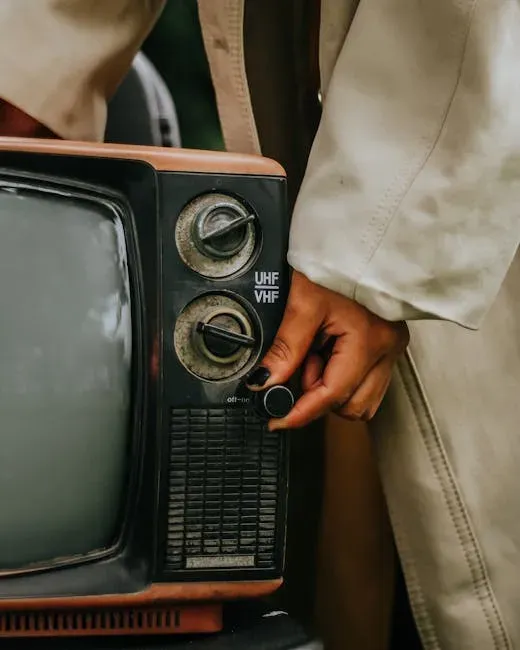
"Don't Touch That Dial" (Image Credits: Pexels)
The phrase "don't touch that dial" originated from the early days of radio and television, when changing a station meant physically turning a dial. It was often used by broadcasters to keep listeners or viewers from switching channels during commercial breaks. In today's era of digital and on-demand media, where a swipe or a click changes the channel, this phrase is completely out of place.
It harks back to a time when televisions had physical dials to change channels. Today's digital age, with remotes and streaming services, makes it sound obsolete. Younger generations, who grew up with button-operated devices and touchscreens, might not even recognize a television with a dial. It's a small thing, but small things have a way of making people feel like they're speaking different languages entirely.
"You Sound Like a Broken Record"
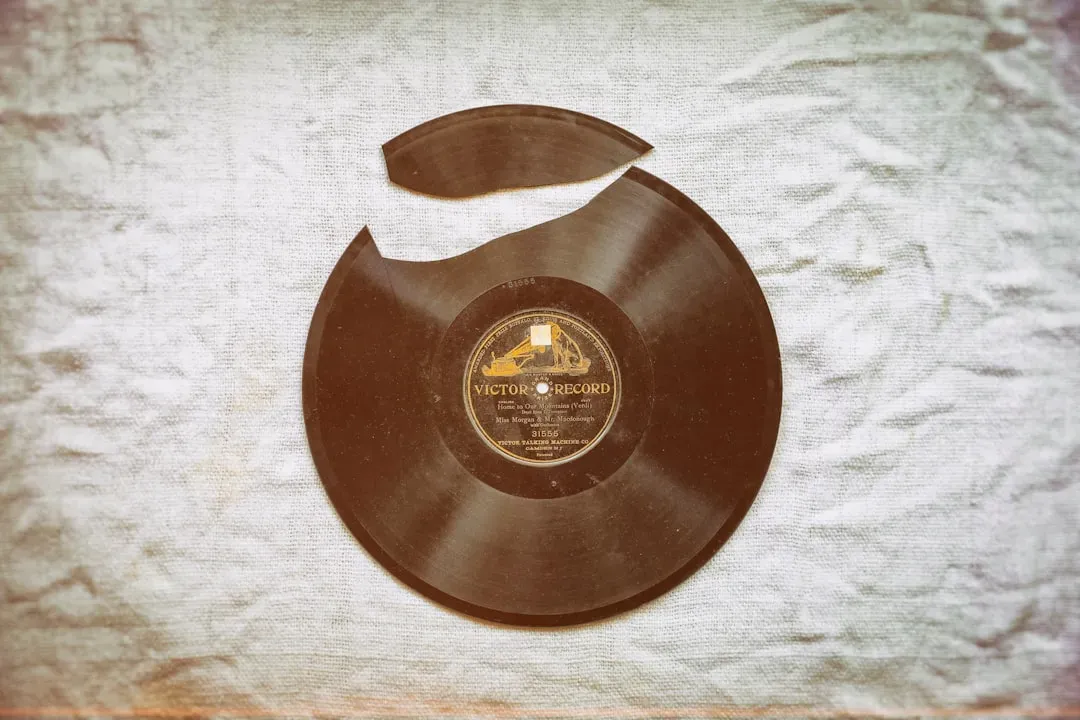
"You Sound Like a Broken Record" (Image Credits: Unsplash)
The expression calls to mind the days of vinyl, where a scratched record would endlessly repeat a phrase or a note. For younger audiences who may not have experienced this firsthand, the image can lose its impact entirely. Simply saying "you're repeating yourself" is straightforward and universally understood. It's an easy swap that ensures clarity across generations without the need for outdated references.
The irony is that most people using this phrase have no idea it's doing the very thing it describes: repeating itself. Language evolves, and so should we. While every generation has its own slang and phrases, some expressions inevitably become outdated. Clinging to them past their expiration date doesn't make someone seem experienced. It just creates friction where there didn't need to be any.
"I Don't See Color"

"I Don't See Color" (Image Credits: Unsplash)
This one usually comes from good intentions, but it reveals a profound misunderstanding of what equality means today. Boomers grew up believing that "colorblindness" was a sign of fairness. Modern conversations about race emphasize the opposite: that not seeing color often means ignoring the unique experiences and challenges that people of color face. Younger generations are more aware that genuine equality comes from recognition, not erasure. Saying "I don't see color" isn't considered progressive anymore; it's outdated.
Respect is a two-way street. Younger generations might express respect differently than boomers are used to, but it doesn't mean they lack it. Instead of jumping to conclusions, trying to understand their perspective makes a real difference. Open dialogue and mutual respect are key to bridging any generational gap.
"The Good Old Days"
"The Good Old Days" (Image Credits: Unsplash)
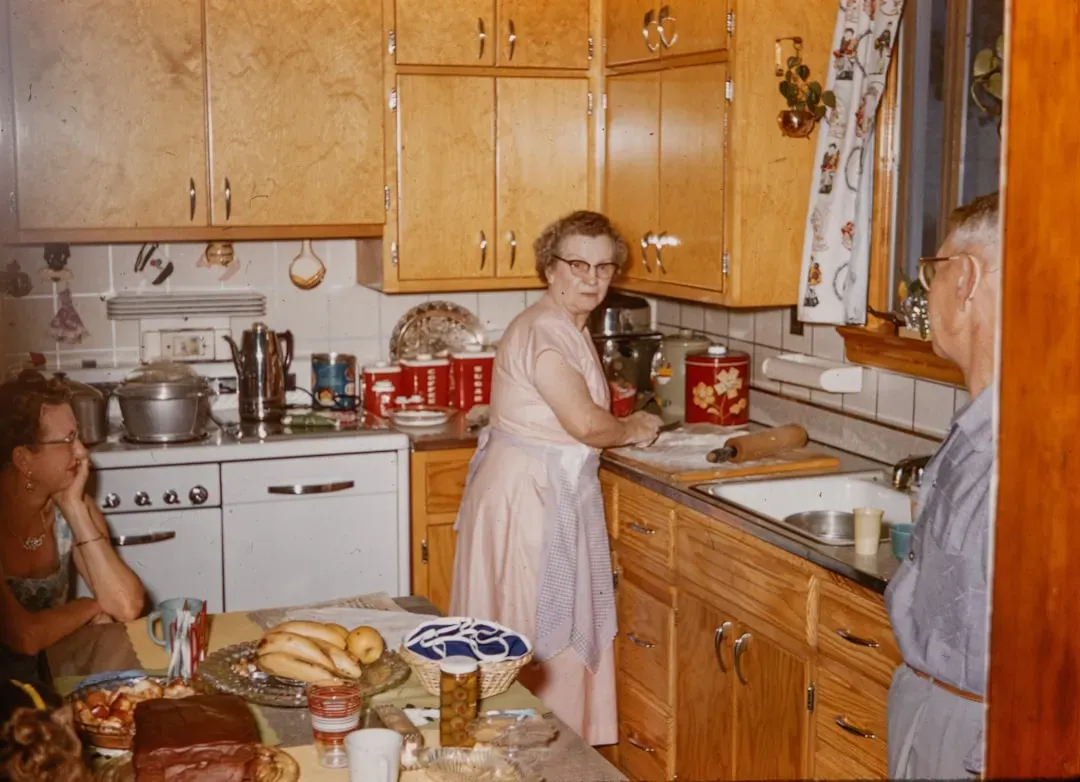
The phrase "back in the good old days" can be a conversation stopper with younger generations. Psychologists have identified a phenomenon called "rosy retrospection," where people tend to remember past events as being more positive than they actually were. This can lead to idealizing certain periods, like "the good old days."
For younger people, the "good old days" are right now. They're living their youth, making memories, and facing challenges that are relevant in today's world. Framing the past as inherently better than the present isn't just nostalgic, it sends a quiet signal that today's experiences don't measure up. That's a hard thing to hear when you're working three jobs or paying off a decade of student loans.
"My Generation Had Real Music"
"My Generation Had Real Music" (Image Credits: Unsplash)
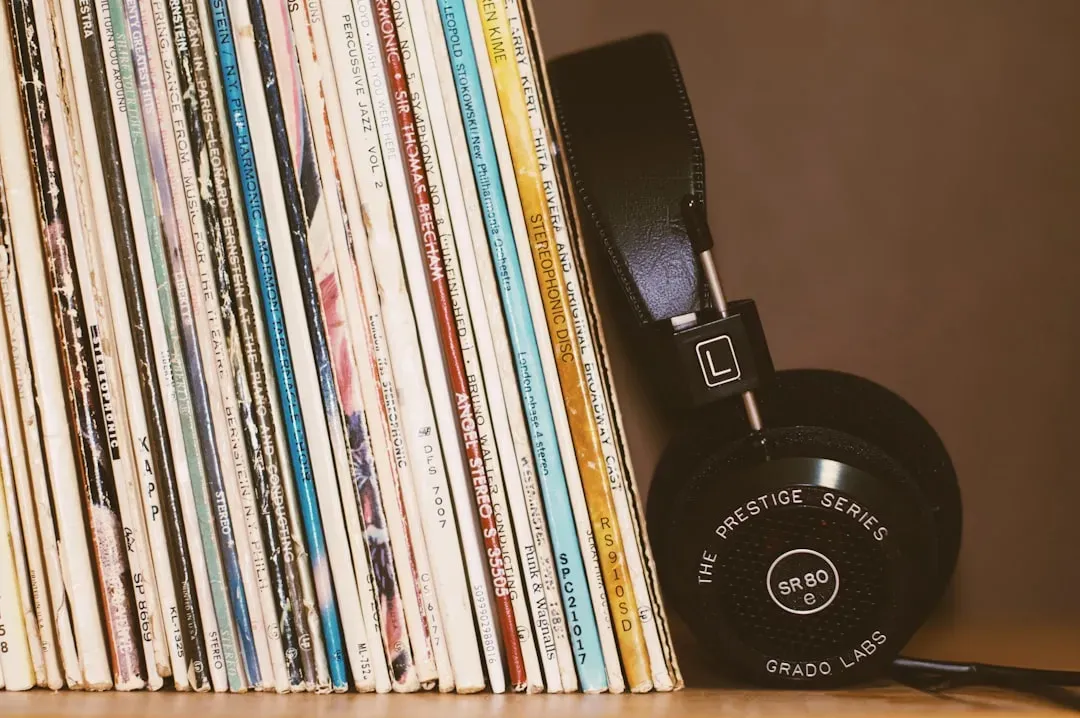
The phrase "my generation had real music" often reflects a nostalgic love for the melodies of one's youth. For younger generations, it can sound dismissive of contemporary music and artists. Music is a powerful connector across ages, yet tastes evolve with culture and technology. This statement can unintentionally create a divide between the "old" and the "new."
There's nothing wrong with loving the music you grew up with. The problem is framing personal preference as objective truth. Over roughly half of boomers admit they can't keep up with their kids' or grandkids' lingo, and the same applies to cultural tastes. Declaring other generations' music inferior doesn't age well, especially when those very boomers were once told the same thing by their own parents about The Beatles.
Why This All Matters
Why This All Matters (Image Credits: Pexels)
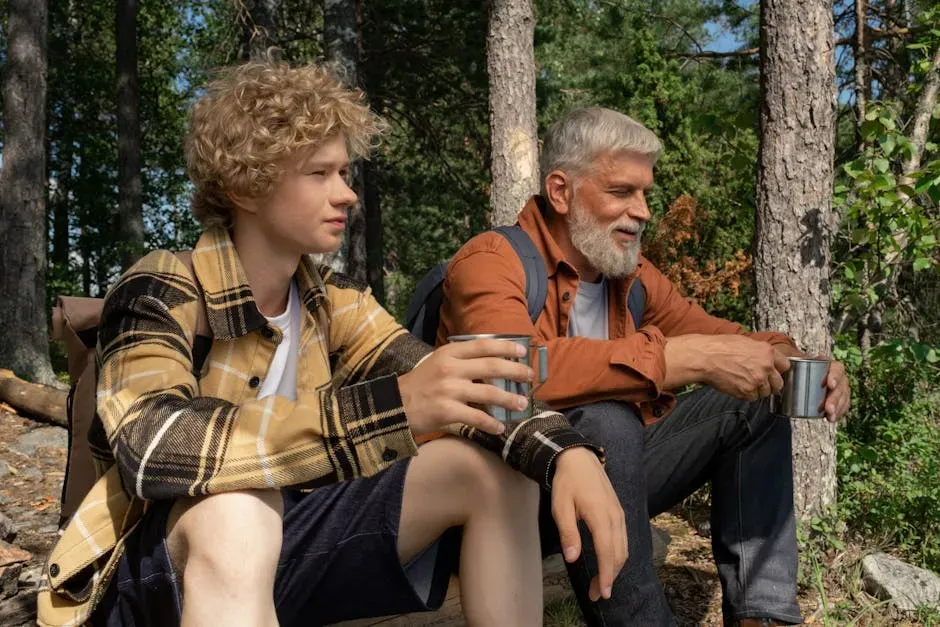
Boomers were shaped by post-war prosperity, affordable education, and stable jobs. They learned that obedience and endurance paid off. Younger generations were shaped by economic instability, rapid technology, and global crises. They learned that questioning, pivoting, and protecting their mental health are survival skills. Language is the bridge between these worlds, and sometimes the gap is wide enough to fall through.
Different generations are taking steps to bridge the language gap. More than half of baby boomers say they're not always sure what their grandchildren are saying, but they're willing to learn in order to strengthen the bond. Both boomers and Gen X ask younger relatives to explain popular new slang. That kind of curiosity goes a long way. It's not about abandoning the past. It's about staying in the conversation.
The tension isn't really about specific words. It's about what those words signal: whether someone sees the people they're talking to, or only sees a reflection of how things used to be. Phrases age. People don't have to.