
The workplace of 2026 is a strange, layered place. Five generations now share office floors and Slack channels simultaneously, each carrying a distinct set of expectations, tolerances, and grievances. Somewhere in the middle of all that sits Generation X – the cohort born roughly between 1965 and 1980 – quietly watching a wave of new rules reshape the professional environment they spent decades adapting to.
From mandatory return-to-office policies to required AI adoption, from new performance-tracking systems to shifting management philosophies, workplace rules are changing fast. Gen X has seen plenty of change before. Still, some of what’s happening right now is landing differently, and the reaction is mixed.
The Generation Caught in the Middle

The Generation Caught in the Middle (Image Credits: Pexels)
When it comes to levels of workplace stress, social connections, and the use and perceptions of generative AI, Generation X’s experiences fall between those of their younger and older colleagues, making them critical players for bridging a multigenerational workforce, according to Mather Institute’s 2026 Gen Xperience Study. That in-between status isn’t always comfortable. Gen X workers are old enough to remember a workplace without smartphones, yet young enough to have built entire careers alongside digital transformation.
In 2025, for the first time in history, five generations were working side by side in many organizations. This historic overlap brings incredible diversity in perspectives, but also fresh challenges for workplace culture, communication, and leadership. Gen X, now ranging from their mid-forties to early sixties, occupies a particularly exposed position in that arrangement.
The Return-to-Office Mandate and Gen X's Complicated Feelings

The Return-to-Office Mandate and Gen X's Complicated Feelings (Image Credits: Flickr)
A study from CBRE found that roughly two in five companies are enforcing office attendance in 2025, up from less than one in five in 2024. For Gen X workers who had structured their lives around remote or hybrid flexibility, this shift carries real personal weight. Many in this generation have caregiving responsibilities – children, aging parents, or both – that made flexible work not just a preference but a necessity.
In an FTI Consulting survey, roughly 42 percent of Gen Z workers said they would be excited about a possible return-to-office mandate, compared to just 33 percent of Gen X respondents. That gap is telling. Gen X is generally more likely than their younger counterparts to be parents or caregivers, who value the flexibility of remote work. A blanket mandate doesn’t land the same way for someone managing school pickups as it does for a 24-year-old seeking mentorship.
Work-Life Balance Has Always Been the Core Issue

Work-Life Balance Has Always Been the Core Issue (Image Credits: Pexels)
Raised by achievement-based Baby Boomers, Gen X generally rejects the idea that people must sacrifice for success. Unlike the previous generation, Gen Xers strive for a healthy relationship with work, and the most important thing they look for in the workplace is a strong work-life balance. This isn’t new. It’s been a defining characteristic of Gen X workers since they entered the workforce, rooted in watching their parents burn out chasing corporate loyalty that often went unrewarded.
Gen X saw their parents and grandparents work long hours and sacrifice personal time to provide for their families, often staying loyal to a company even when unsatisfied. While Gen Xers are hard-working employees, they don’t want to take their work home. New workplace rules that push back against this principle – through surveillance, mandatory presence, or expanded availability expectations – hit a genuine nerve.
The AI Adoption Rule That's Dividing the Office
The AI Adoption Rule That's Dividing the Office (Image Credits: Unsplash)
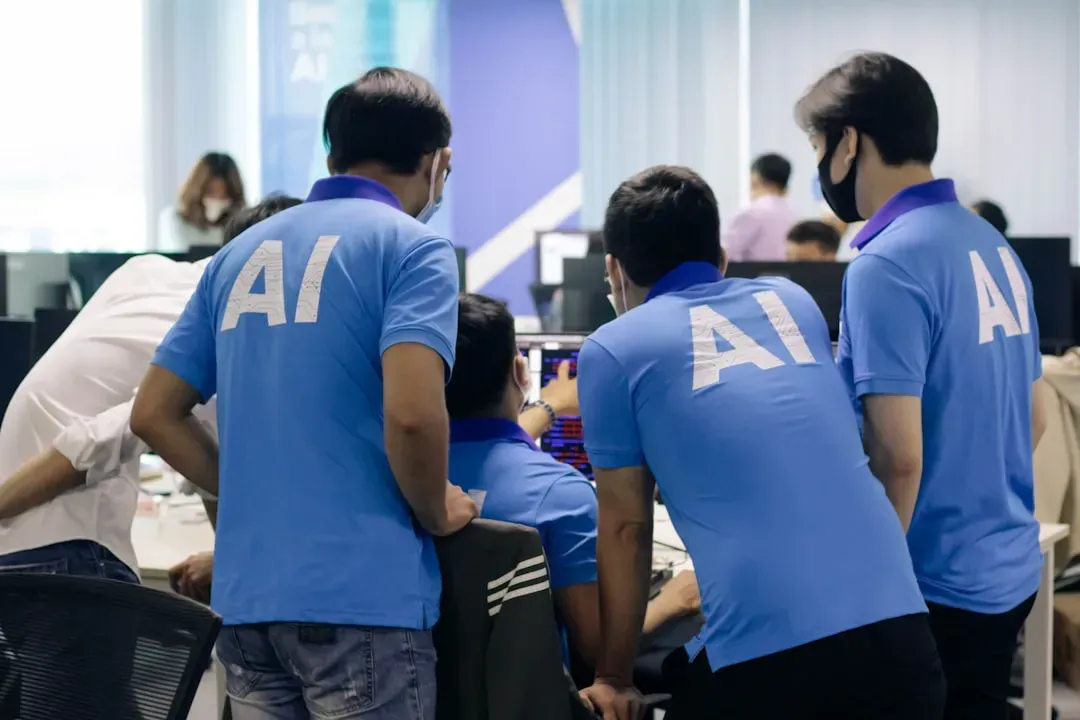
One of the most contentious new workplace rules arriving in 2026 is the push for mandatory AI adoption. Companies are increasingly expecting workers at all levels to integrate generative AI tools into their daily workflows, and executives are making consequences clear. Roughly three in five executives say they are considering cutting employees who refuse to adopt AI. That’s not a soft suggestion.
Gen Xers, ages 45 to 60, reported using AI at work less than millennials, but more than baby boomers, according to a July 2025 survey of about 4,000 employed individuals in the U.S. They’re neither the most resistant nor the most enthusiastic. About 34 percent of Gen X use generative AI at work, compared to about half of millennials and only 19 percent of baby boomers, according to a 2024 Randstad report. Younger workers are also more positive about the technology, with roughly 55 percent of millennials optimistic about AI-driven solutions compared to 37 percent of Gen X.
Being Skipped Over – A Quiet Frustration

Being Skipped Over – A Quiet Frustration (Image Credits: Pixabay)
There’s another layer to Gen X’s workplace frustration that rarely makes headlines. As companies restructure around AI fluency and digital leadership, older members of Gen X are finding themselves quietly sidelined. About 22 percent of employees aged 40 and up say their workplaces skip over older workers for challenging assignments, and 16 percent say they’ve witnessed a pattern of being passed over for promotions in favor of younger staffers.
Gen Xers entering the senior-level stages of their careers aren’t seeing the expected rise in representation. About 43.4 percent of CEOs are in their fifties, a fall from over 51 percent during the previous period. While Gen X still represents the greatest proportion of CEOs overall, they face dwindling opportunities compared to their millennial counterparts. For a generation that played by the established rules for decades, that stings.
How Generational Conflict Shows Up Day to Day

How Generational Conflict Shows Up Day to Day (Image Credits: Pexels)
Gen Z’s preference for instant messaging can clash with older generations’ formal email expectations, while their urgency for feedback and advancement may conflict with more measured approaches to career development. According to the SHRM Q1 2025 Civility Index, about one in three employees say age or generational differences contributed to acts of incivility they’ve witnessed or experienced. Gen X sits right in the middle of that tension, often managing both younger direct reports and older senior leadership.
Although the generations are mostly positive about working with each other, conflicts do arise. About a quarter of Gen Zers and roughly 26 percent of millennials say they experience generational conflicts at work often or extremely often. Yet only 14 percent of Gen Xers and 3 percent of boomers report a similar experience. Gen X, it seems, tends to absorb friction rather than escalate it. Whether that’s resilience or just exhaustion depends on who you ask.
The Bridge Builder Role Nobody Asked For

The Bridge Builder Role Nobody Asked For (Image Credits: Pexels)
Gen Xers said they trusted the content that AI produces more so than baby boomers but less than younger generations, putting them in a unique position to encourage more AI usage among boomers, while also acting as a voice of caution for younger generations when it comes to fact-checking. Essentially, Gen X is being asked to play translator for a multigenerational workplace – a role that comes with real responsibility but doesn’t always come with recognition.
In 2025 and 2026, organizations are navigating a dynamic landscape shaped by the presence of five generations under one roof, from seasoned Baby Boomers to the up-and-coming Gen Alpha. Each group brings its own set of expectations, values, communication styles, and preferred ways of working. Navigating all of that in a single workday takes a particular kind of patience. Gen X has it, largely because they’ve had no other choice.
Happiness at Work: Surprisingly, Gen X Is Doing Okay

Happiness at Work: Surprisingly, Gen X Is Doing Okay (Image Credits: Unsplash)
For all the friction, one data point stands out. Gen Z and Millennials reported lower levels of happiness at work compared to Gen X and Baby Boomers, with Gen X and Boomers each reporting roughly half of their workers identifying as happy. Gen X tends to have a clearer separation between professional identity and personal worth – something that appears to insulate them from the sharper drops in satisfaction seen among younger workers.
About a third of all workers say compensation was the biggest driver of workplace unhappiness in 2024, followed closely by workplace demands and hours, and then workplace culture issues. Gen X, with generally higher salaries and more established career footing, feels the compensation bite less acutely than Gen Z. Still, new rules that add workload without adjusting pay or autonomy can erode that relative satisfaction quickly.
What Gen X Actually Wants From the Evolving Workplace

What Gen X Actually Wants From the Evolving Workplace (Image Credits: Pexels)
Across all workers surveyed in 2025, the thing most employees want from their managers is higher compensation, followed by better work-life balance, and a four-day workweek. For Gen X specifically, the middle item on that list matters most. Flexibility, in terms of where and when work happens, is not a perk for this generation. It’s a structural requirement built around real life responsibilities that don’t pause for RTO mandates.
The most successful leaders in 2025 were those who lead with empathy and adaptability, creating cultures that celebrate diverse work styles and fostering open dialogues about generational differences. Gen X workers respond well to that approach – but they have little patience for rules that treat them as a monolithic group rather than experienced professionals with specific, legitimate needs. The generation that quietly kept offices running through every disruption of the last three decades is watching carefully. Whether new workplace policies earn their buy-in or just their compliance may turn out to be one of the defining management questions of the rest of this decade.