
Every generation rewrites the rules a little. Millennials spent years being told their taste was outdated, their side parts passé, their skinny jeans a relic. Then Gen Z stepped in with baggy silhouettes, TikTok-born aesthetics, and a vocabulary that moved faster than any algorithm could track. The pressure to keep up became real – and for a lot of millennials, that pressure quietly turned into resistance.
The result is a growing list of Gen Z trends that millennials are increasingly unwilling to adopt. Some of this comes down to personal taste. Some of it reflects a genuine difference in values, lifestyle, and where each group is in life. Either way, the divide is worth looking at closely – not to pit generations against each other, but to understand what’s actually driving it.
Ultra-Baggy, Oversized Everything
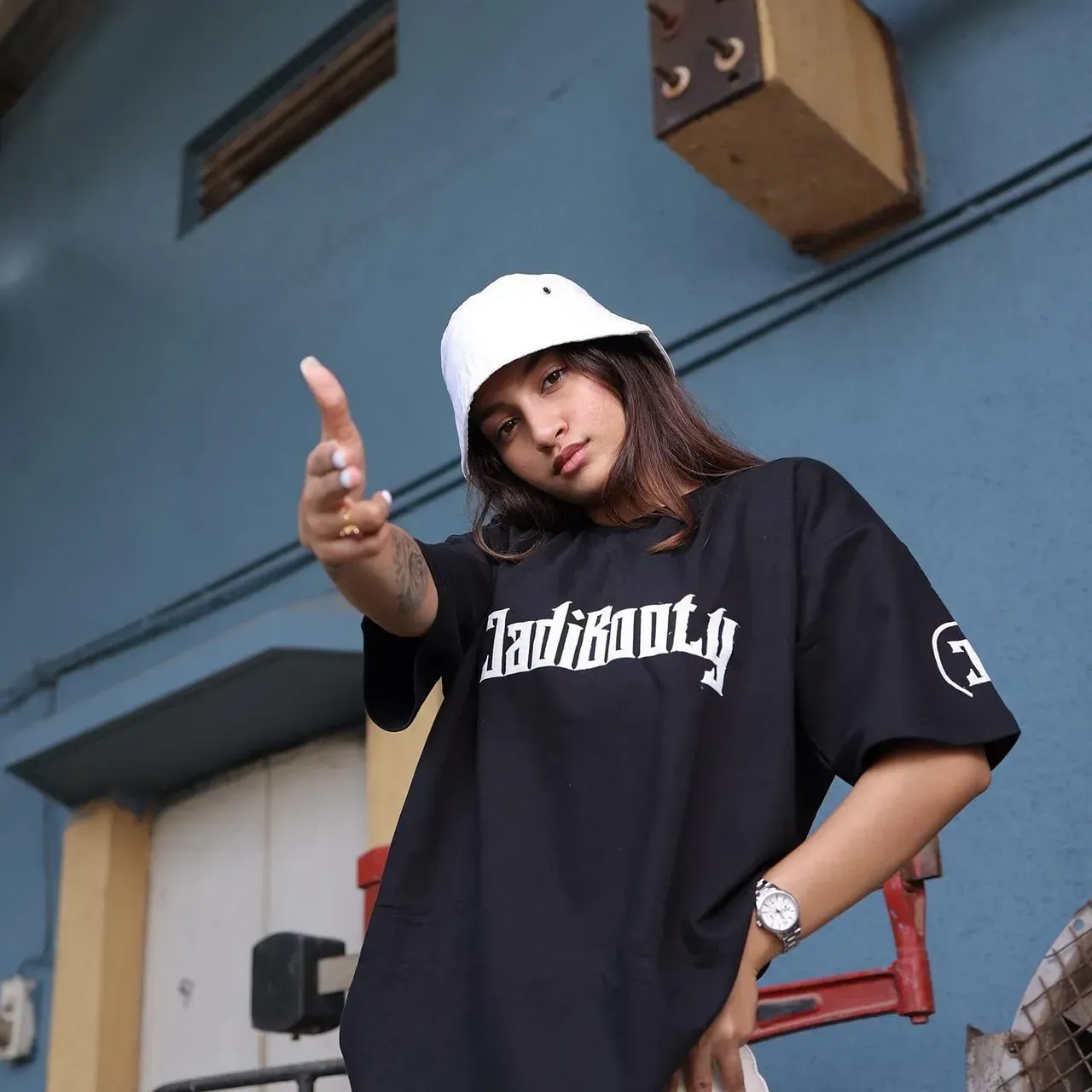
Ultra-Baggy, Oversized Everything (Image Credits: Pixabay)
Gen Z has made oversized fits a signature, with baggy t-shirts, cargos, and slouchy denim as go-to pieces – comfort plus statement being the central mantra. There’s real logic to it, and plenty of millennials have adopted a looser silhouette on their own terms. The trouble starts when the proportions go extreme.
Millennials tend to prefer tailored and structured pieces – high-waist trousers, blazers, and well-fitted denim for a more polished look. For many in their thirties, the maximally oversized aesthetic reads less as cool and more as a size-up mistake. It’s a perfectly reasonable preference, even if Gen Z finds it a little safe.
Microtrend Chasing on Social Media
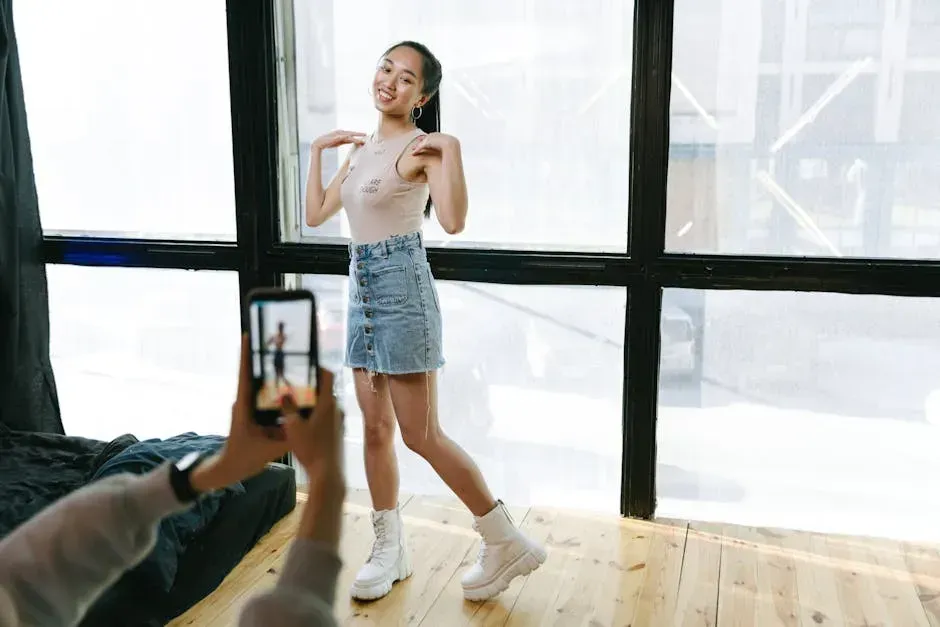
Microtrend Chasing on Social Media (Image Credits: Pexels)
Gen Z quickly adopts and discards microtrends, with TikTok and Instagram serving as primary discovery channels. The pace is genuinely dizzying. A color, a silhouette, or an aesthetic can go from niche to mainstream to “so last month” within a matter of weeks, which makes building any kind of coherent wardrobe feel nearly impossible.
Millennials are less interested than Gen Z in chasing trends. When asked to describe how they shop, the most distinctively millennial responses are “I tend to stick to classic items” and “I don’t follow trends or fashions.” After years of watching trend cycles accelerate, a growing number of millennials have decided the whole chase simply isn’t worth it.
The "Soft Life" and Rejecting Ambition Entirely

The "Soft Life" and Rejecting Ambition Entirely (Image Credits: Unsplash)
In 2025, the #softlife trend was still going strong, especially on TikTok and X, where it continues to resonate with Gen Z and younger millennials. The appeal is obvious: it’s a genuine reaction to burnout, low wages, and a system that overpromised. That’s part of why roughly two thirds of Gen Z now say they care more about mental well-being than financial growth, and more than half would take lower pay if it means better work-life balance.
Older millennials, however, often see the “soft life” framing as something they can’t afford to indulge wholesale. Millennials were encouraged to work hard, go into debt for degrees, take on side hustles, and prove their dedication by staying late – many followed that path and ended up exhausted, underpaid, and priced out of housing. They’re sympathetic to the sentiment, but skeptical of turning it into an identity.
Loud Maximalism in Color and Style

Loud Maximalism in Color and Style (Image Credits: Pexels)
Gen Z leans into bold and experimental colors – dark brown, dopamine dressing, and playful Y2K-inspired styles dominate their aesthetic choices. The result is looks that are genuinely eye-catching, layered, and deliberately chaotic in a way that feels intentional rather than accidental. Gen Z is loud, playful, and expressive – they mix prints, layer quirky accessories, and aren’t afraid of fashion risks.
Millennials tend to stick to muted, neutral palettes like beige, pastels, shades of brown, and earthy tones – timeless and minimal. Many millennials built their style around the idea that quiet confidence says more than noise. Swapping that out for dopamine dressing at thirty-five feels less like freedom and more like performing someone else’s personality.
Using TikTok as a Search Engine

Using TikTok as a Search Engine (Image Credits: Gallery Image)
Gen Z is moving away from Google for search, turning instead to TikTok, ChatGPT, and other AI-driven tools for everything from restaurant recommendations to study help. Sprout Social’s Q2 2025 Pulse Survey found that roughly four in ten Gen Z users now turn to social media platforms first when they need answers, compared to just about a third who default to traditional search engines.
Millennials tend to find this shift genuinely disorienting. The idea of searching for medical information, financial advice, or news through short-form video feels unreliable by default – not because the content can’t be accurate, but because the format rewards engagement over thoroughness. Gen Z values authenticity above all else, having grown up in an era defined by filter culture and curated feeds – while they initially embraced this, they’re now craving something more real. Still, for many millennials, that craving for realness doesn’t translate to trusting TikTok over a cited source.
Quiet Quitting as a Long-Term Strategy

Quiet Quitting as a Long-Term Strategy (Image Credits: Pexels)
Gen Z is more likely to “quiet quit” if their needs aren’t met, or to do only the bare minimum for their role while staying “under the radar.” From one angle, this is a rational response to workplaces that extract maximum effort while offering minimal security. The concept resonated with millions of people when it first surfaced, millennials included.
Over time, though, many millennials have grown uncomfortable with quiet quitting as a sustained approach rather than a temporary reset. Millennials, shaped by the digital age, valued flexibility and leaned toward purpose-driven, goal-oriented careers. The distinction matters: wanting meaningful work is different from disengaging entirely, and plenty of older millennials feel the latter approach closes doors that take years to reopen.
Y2K Nostalgia Worn Without Irony
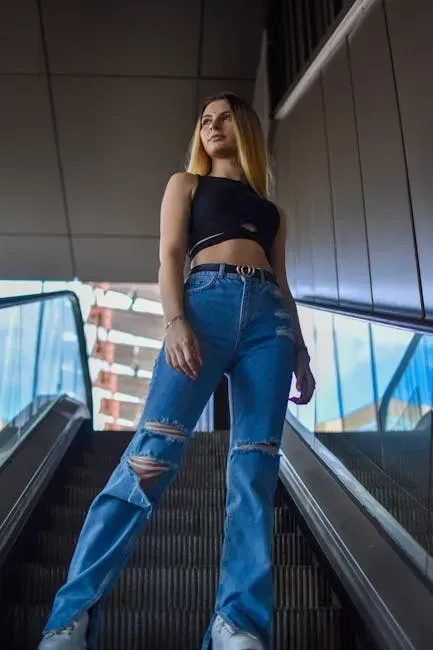
Y2K Nostalgia Worn Without Irony (Image Credits: Pexels)
Gen Z can be thanked for the resurgence of low-slung jeans, bandeau tops, and UGGs – things millennials wore the first time around and didn’t expect to find cool again quite so soon. The revival is thorough enough to feel genuine rather than costume-y, which is exactly what makes it uncomfortable for those who lived through the original era.
Millennials, once trendsetters, are facing a fashion identity crisis, with their signature looks now labeled “outdated” by Gen Z, sparking heated debates online. There’s something mildly surreal about watching a generation enthusiastically embrace the exact trends you wore in middle school. Millennials aren’t opposed to nostalgia – they’re simply not convinced that low-rise jeans deserved a second act.
Underconsumption as an Aesthetic Performance

Underconsumption as an Aesthetic Performance (Image Credits: Pexels)
Exhausted from a rising cost of living and non-stop ads, young adults on TikTok are pushing back. Over half of Gen Z adults polled in a 2024 Bank of America survey cited the high cost of living as a top barrier to their financial success. The underconsumption trend emerged directly from that pressure, and its core message – buy less, use what you have – is genuinely sensible.
Where millennials start to pull back is when underconsumption tips from a practical financial habit into a carefully curated content aesthetic. The social media trend of “underconsumption” is framed as another way for Gen Z to make the most of their money and be environmentally friendly at the same time. Filming your minimal possessions for engagement still involves performing a lifestyle for an audience, and many millennials find that particular loop hard to take at face value – especially when the “bare minimum” setup still involves a ring light and a perfectly arranged shelf.