
Most sellers spend their pre-listing energy on staging, deep cleaning, and pricing strategy. Those things matter, but they can’t fully compensate for deeper structural or situational problems that make buyers turn and walk. Some homes linger on the market for months not because of poor marketing, but because of specific features that are nearly impossible to overcome.
The real estate market in 2025 and 2026 has become increasingly selective. Well-priced, well-maintained homes attract strong interest, especially in high-demand areas with limited inventory. The flip side of that? Homes carrying any of the following eight features often sit unsold for far longer than their owners expected, and sometimes never sell at the original asking price at all.
1. A Severely Outdated Kitchen
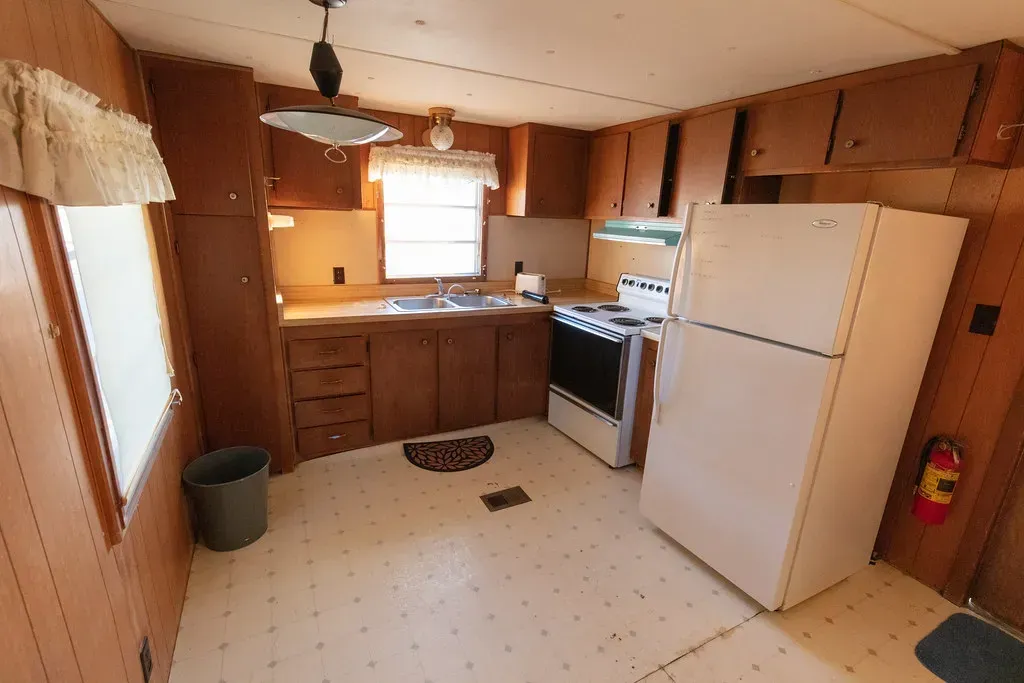
1. A Severely Outdated Kitchen (Image Credits: Flickr)
A slightly outdated kitchen is one thing, but an overly outdated kitchen that is clearly stuck in decades previous is a huge red flag. Outdated cabinets, appliances from 30 years ago, and tile countertops are all major dealbreakers for a majority of homebuyers. Buyers don’t just see an old kitchen; they mentally calculate the cost to fix it, and that number gets subtracted from whatever they might otherwise offer.
HomeLight’s Top Agent Insights for End of Year 2024 reports that nearly all agents believe modernized bathrooms or kitchens make the home more appealing to buyers. A minor kitchen remodel jumped from just under full return on investment in 2024 to over 113% in 2025, a significant increase that reflects how important the kitchen is on the radar of home buyers. That’s essentially saying that a smart, targeted kitchen refresh pays for itself and then some when you sell.
2. Visible Mold or a Known Mold History
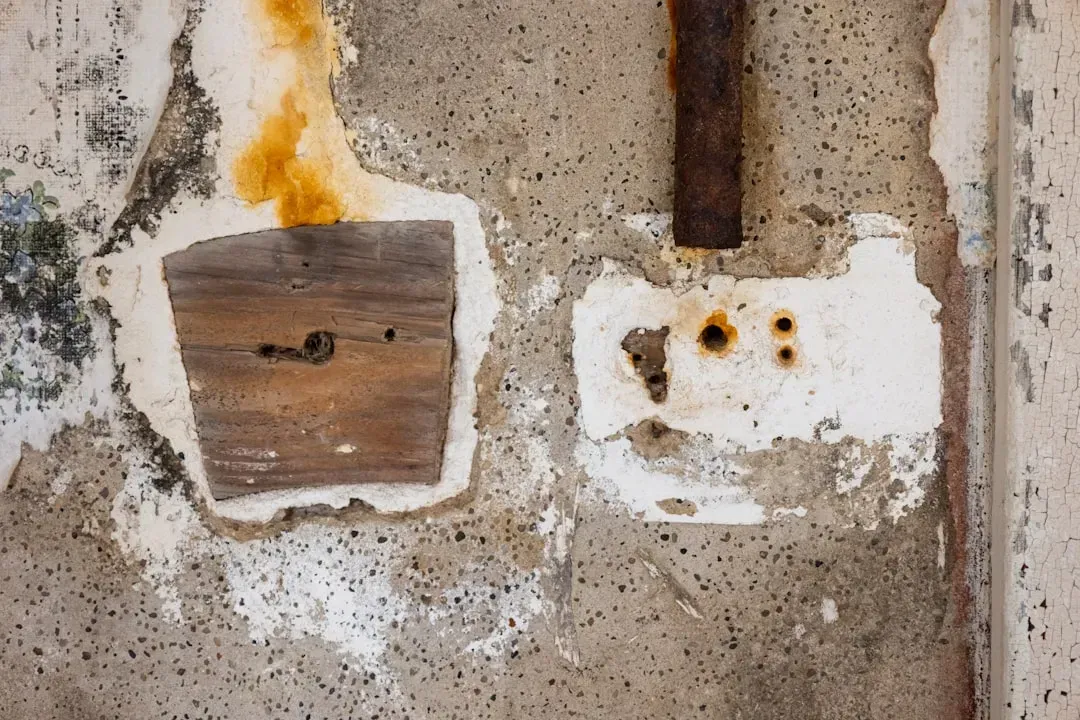
2. Visible Mold or a Known Mold History (Image Credits: Unsplash)
Mold signals underlying issues with insulation, ventilation, or maintenance. Its presence diminishes both structural integrity and buyer trust, making early detection crucial. No matter how beautiful the rest of the home is, a buyer who spots mold, or even hears about it from a disclosure, tends to either walk away entirely or slash their offer dramatically.
Ignoring mold can lead to a lower sale price or a string of buyers backing out due to concerns over the issue. To avoid this, it’s vital to tackle mold problems directly, ensuring every trace of it is addressed thoroughly. Since mold remediation can be pricey and mold can spread quickly, signs of mold can bring down property value significantly. If you have any signs of mold or mildew, it’s best to get it properly taken care of before listing.
3. A Problematic or Unfixable Location

3. A Problematic or Unfixable Location (Image Credits: Unsplash)
This is the hardest one to swallow because there’s no renovation checklist that fixes it. A busy road, proximity to industrial facilities, flight paths, and power lines are features baked into the property’s DNA. You can repaint, remodel, and restage, but you can’t move the freeway. Buyers with options will almost always choose the quieter street.
A joint study conducted by Princeton University and the University of California, Berkeley, shows that if a power plant is built within a half-mile radius of your home, you can expect to lose as much as 11% of your property value. Similarly, if you live near a high-traffic landfill, you could lose as much as 13.5% of your property value, according to Montana State University. Real estate professionals confirm that an undesirable location is going to deter a lot of buyers, and a home on a busy road simply won’t command the same price as a comparable home on a quiet street in the same neighborhood.
4. A Stigmatized Property History
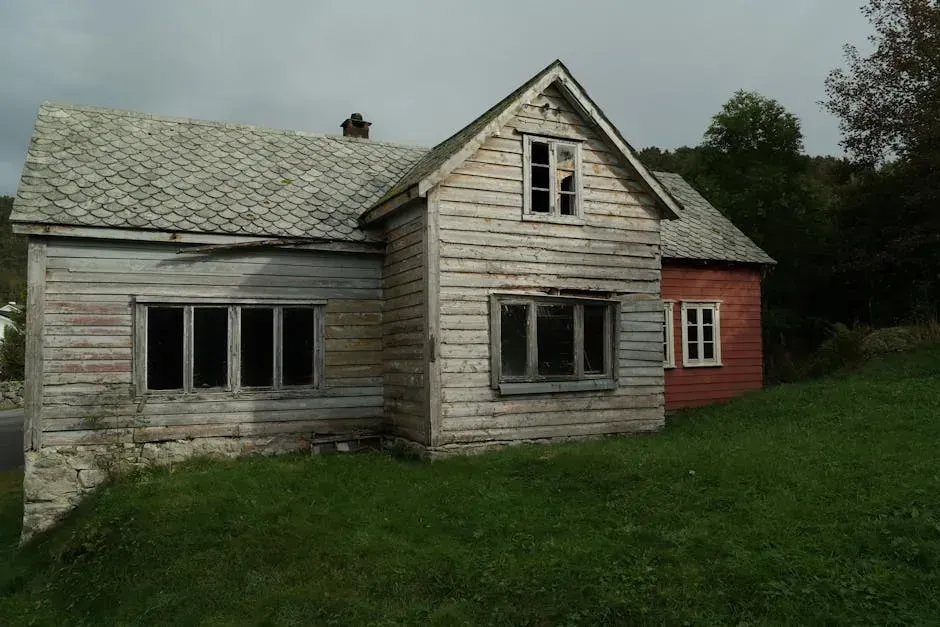
4. A Stigmatized Property History (Image Credits: Pexels)
Stigmatized properties are shunned due to non-physical factors like criminal activities or paranormal events, impacting their market value and legal considerations. A home where a violent crime or suicide occurred, for instance, carries a reputational weight that follows it through multiple sales. Many buyers won’t even schedule a showing once they learn the history.
Research found that while there was diversity in opinion across study samples, there was general consensus that stigmatized properties would incur a reduction in what a potential purchaser was willing to pay, as well as have a negative effect on the sale potential if the stigma was disclosed. State disclosure laws vary, requiring thorough research through online resources, local agents, or police records to determine a property’s stigma, which means the issue often surfaces anyway during due diligence, catching sellers off guard.
5. Deferred Maintenance and Structural Problems
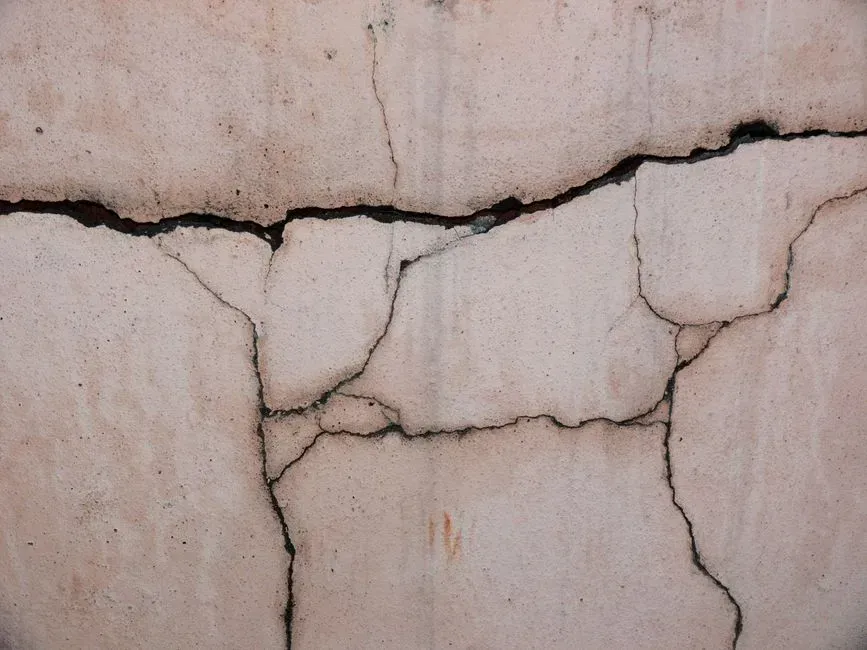
5. Deferred Maintenance and Structural Problems (Image Credits: Pexels)
Deferred or neglected maintenance is the fastest way to watch a house depreciate. A small drip from a water heater might not seem like a big deal until it leaks into a foundation and causes it to crack. Even if all systems function today, if they’re not regularly maintained, equipment often breaks and needs to be replaced, which can be expensive.
Structural problems like foundation cracks, water damage, or sagging floors can be major red flags for potential buyers. These issues not only compromise the safety and integrity of a home but also deter buyers from making an offer. It’s crucial to address any structural concerns promptly and enlist the help of professionals if needed. When buyers spot these problems during inspection, deals don’t just get renegotiated. They collapse entirely.
6. An Inground Swimming Pool in the Wrong Market
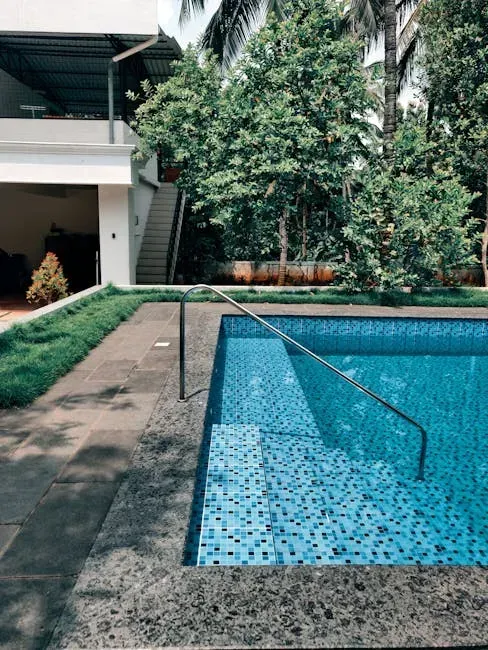
6. An Inground Swimming Pool in the Wrong Market (Image Credits: Pexels)
Pools are one of the most polarizing features in residential real estate. A swimming pool can actually make a home harder to sell, as many buyers consider it a liability rather than a luxury. In cooler climates or neighborhoods with many young families, an inground pool can genuinely shrink the pool of interested buyers rather than expand it.
Pools have significant maintenance needs and may be a buyer dealbreaker, and they also represent safety issues. Families with small children are less likely to be in the market for a house with a pool. The ongoing costs of chemicals, cleaning, insurance riders, and eventual resurfacing are costs buyers calculate instantly. In the wrong location, a pool is less a selling point than a deterrent stamped in concrete.
7. Over-Personalized or Aggressively Trendy Design Choices

7. Over-Personalized or Aggressively Trendy Design Choices (Image Credits: Unsplash)
Any overly trendy feature with a short design lifespan can represent a hurdle for some buyers. For every aggressive design choice made, the number of buyers who will ultimately be interested is reduced. Heavily themed rooms, unusual color palettes applied throughout, or bold wallpaper choices that felt personal and exciting at the time become obstacles during showings. Buyers need to picture themselves in a home, not someone else’s vision.
When a buyer tours a house, they quickly take note of all the projects they’ll need to do. Topping their lists are things like removing quirky wallpaper, painting over unusual colors, and replacing unconventional fixtures. Each of those becomes a mental deduction from their maximum offer price. A home that requires a buyer to undo another person’s style before they can make it their own is a home that will wait a long time for the right offer.
8. A Choppy or Dysfunctional Floor Plan
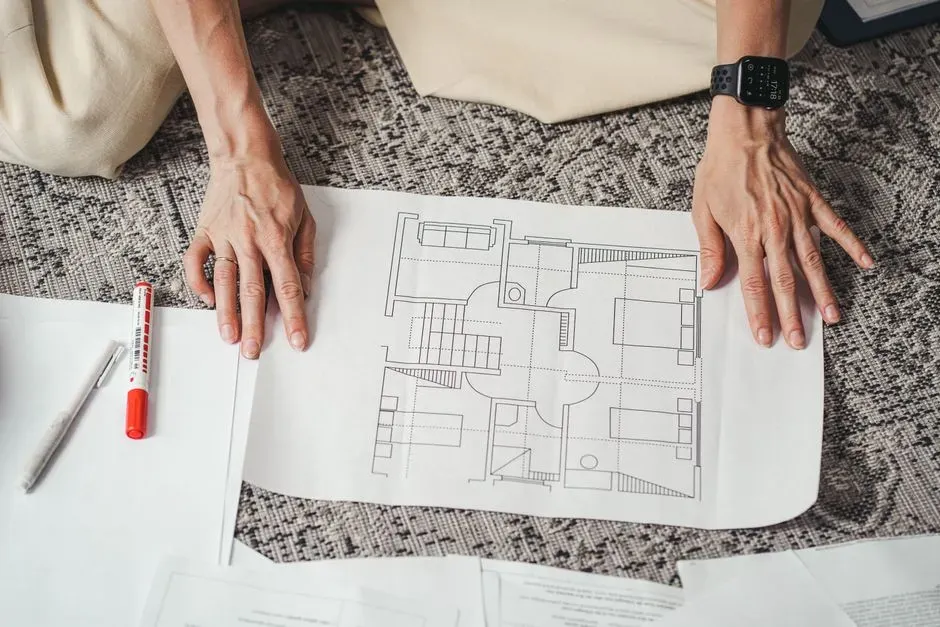
8. A Choppy or Dysfunctional Floor Plan (Image Credits: Pexels)
Oversized homes with dated finishes and choppy floor plans are struggling, especially those built in the early 2000s. In an age of inflation, people are prioritizing energy efficiency, location, and quality instead. A layout that forces traffic through bedrooms, buries the laundry room in an impractical corner, or offers no visual flow from one space to the next will frustrate buyers in ways that are difficult to articulate but easy to feel.
Functionality is now at the forefront of what buyers are looking for. Spaces need to serve multiple purposes without sacrificing style. Homes with built-in storage, convertible furniture, and smart layouts are winning major points with buyers who want to make the most of every square foot. If buyers start to consider a lot of the open-concept space as unusable, it is highly likely that the floor plan may be impacting the resale value of the home. A layout that simply doesn’t work for modern life is one of the hardest problems to price around, because it requires a buyer to take on both the cost and disruption of structural renovation before they can comfortably live there.