
There’s a particular kind of traveler who checks in with their confirmation number already pulled up, makes brief but genuine eye contact, and says thank you without being prompted. Hotel staff notice them almost immediately. Not because they’re looking to judge, but because years of watching thousands of guests walk through those doors has sharpened their instincts into something close to a sixth sense.
Guests over 30 tend to carry different habits into a hotel than younger travelers. Some of those habits earn quiet admiration from staff. Others silently flag a guest as someone who will require careful handling for the rest of the stay. Either way, more is being observed than most people realize.
How You Treat the Very First Staff Member You Encounter

How You Treat the Very First Staff Member You Encounter (Image Credits: Unsplash)
Being dismissive to the doorman while charming to the front desk agent doesn't fool anyone. Hotel staff communicate with each other constantly, and word spreads quickly when you treat certain employees poorly based on their position. That first impression, whether it's with the valet, a lobby attendant, or the person holding the door, circulates through the team long before you reach the desk.
Staff members communicate about guests constantly. Treat the valet poorly, and the front desk knows before you reach the lobby. Guests over 30 are often judged on this one detail more than they realize. The ones who make that first interaction warm tend to find the rest of their stay runs noticeably smoother.
Whether You Have Your Documents Ready
Whether You Have Your Documents Ready (Image Credits: Unsplash)
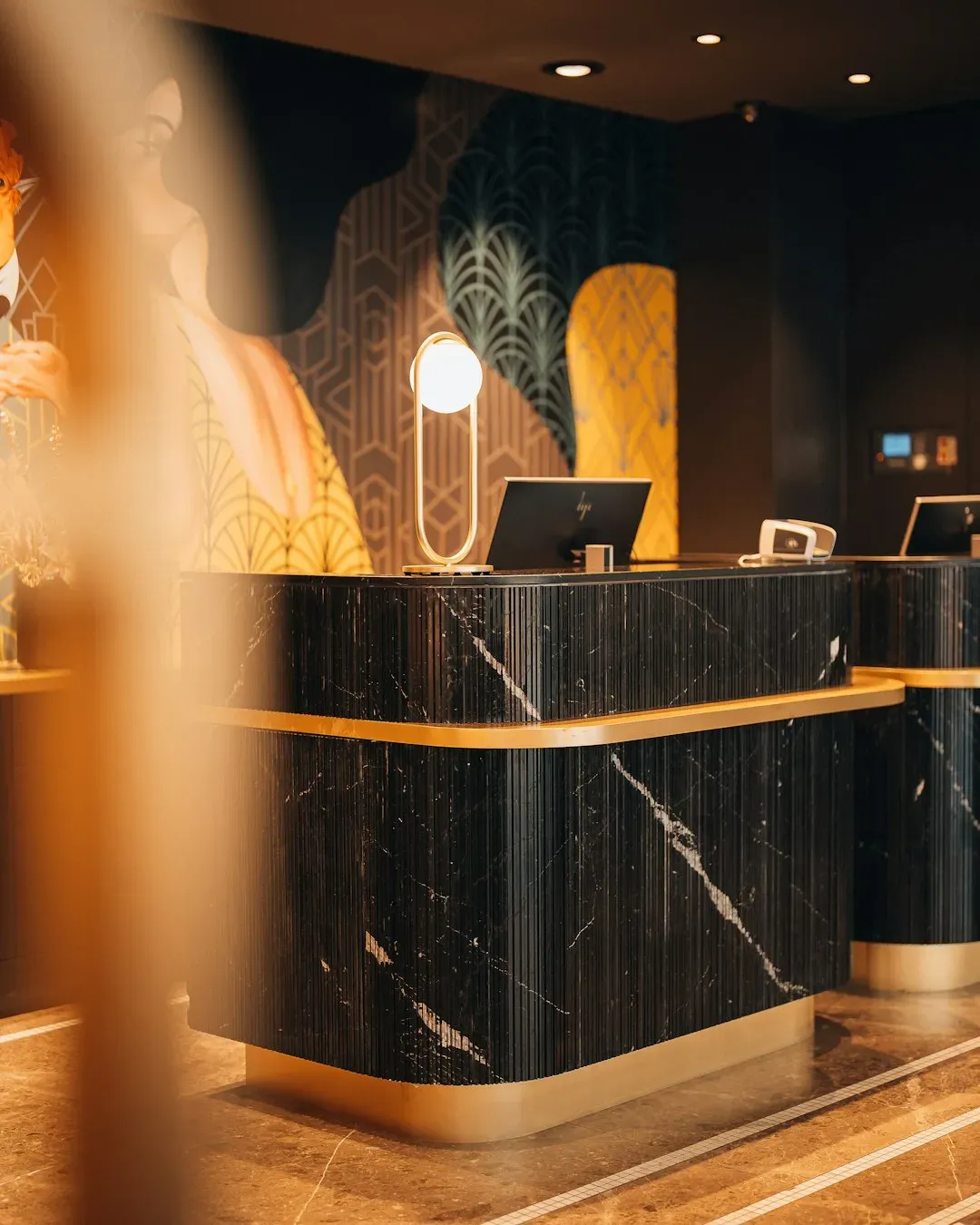
The way you handle check-in paperwork and belongings speaks volumes. Some guests have confirmation numbers saved in three places. Others dig through emails while the line grows behind them. For guests past 30, staff quietly expect a certain baseline of preparedness. It's not a high bar, but it shapes how the interaction unfolds.
According to the AHLA's 2025 Report, roughly a third of guests consider quick, easy check-in a key driver of positive guest experience. So when things do go sideways, how a guest reacts at that very first hurdle is another telling signal that shapes how staff prepare for the rest of the visit. Patience at the desk goes a longer way than most people think.
Your Body Language and Energy the Moment You Walk In

Your Body Language and Energy the Moment You Walk In (Image Credits: Pexels)
The moment you walk through those doors, your body language tells a story. Hotel staff are trained to read this story instantly. Anticipatory service means picking up on what guests might want before they ask, and it starts with being observant, recognizing cues like tired eyes or a hurried arrival. These little signs let staff offer help, such as a quick check-in for weary travelers or extra towels if a family checks in.
They notice when you're running on empty. The business traveler who hasn't slept in days. The parent barely holding it together after a long flight with kids. The adult child checking in their elderly parents, overwhelmed by new responsibilities. Good hotel staff respond to what they see, not what you're pretending. That kind of read happens fast, and for guests over 30, the staff often calibrate their entire approach around it.
How You Respond When Something Goes Wrong

How You Respond When Something Goes Wrong (Image Credits: Unsplash)
Hotels track complaint patterns by room and by guest. Those who consistently offer vague dissatisfaction often receive minimal compensation compared to guests who clearly articulate specific, fixable issues. The difference isn't personal, it's about actionable information. Staff notice whether a guest over 30 complains with purpose or simply complains.
A particularly frustrating pattern for hotel staff is the guest who manufactures or wildly exaggerates a problem specifically to receive complimentary services or discounts. If a hotel gives a credit or comp for behavior that is not genuinely warranted, it risks encouraging the same behavior on future visits or at other properties. Experienced staff can often spot the difference between a genuine complaint and a manufactured one. That skill, built over years, is sharper than most guests expect.
Your Relationship With Your Phone at the Desk
Your Relationship With Your Phone at the Desk (Image Credits: Unsplash)
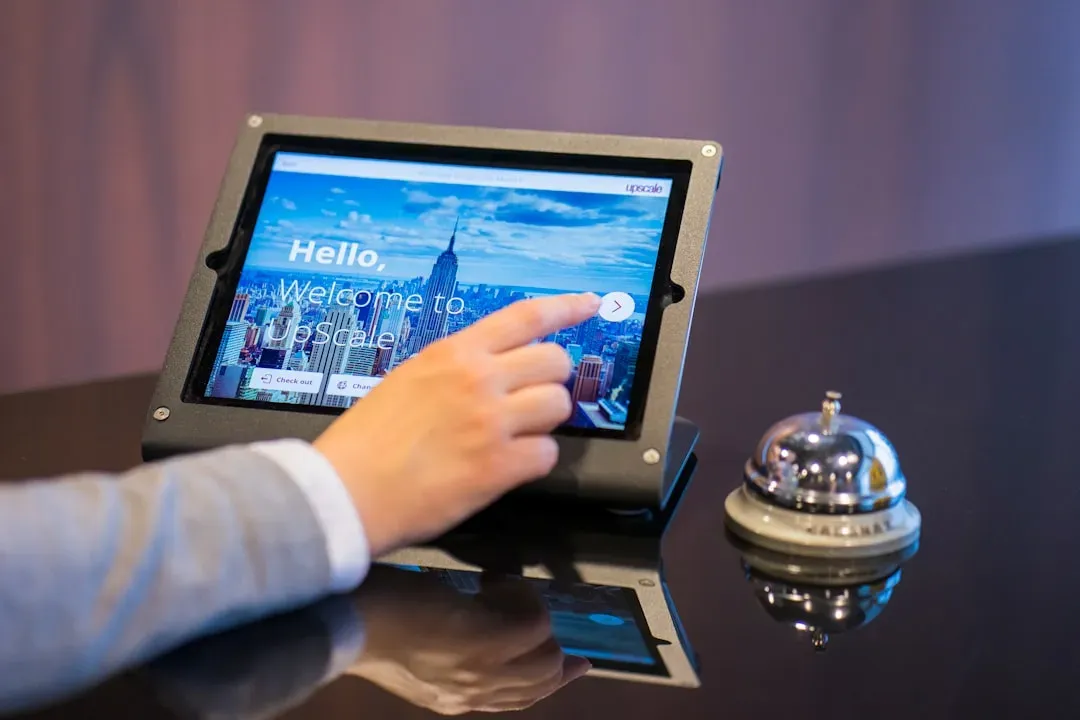
Are you that person who approaches the desk while still on a call, holding up one finger to the clerk? They notice. And they remember. It's one of the most consistent signals staff pick up on, especially with guests in their 30s and 40s who might be juggling work travel with personal trips.
Staff also notice if you're frantically texting, taking photos of everything, or keeping your phone tucked away. The business traveler gets offered a room near the elevator for quick morning exits. The exhausted family gets directions to the nearest kid-friendly restaurant. Phone behavior is one of the fastest ways staff categorize what kind of guest you'll be for the duration of your stay.
How You Treat Housekeeping and Support Staff
How You Treat Housekeeping and Support Staff (Image Credits: Pexels)
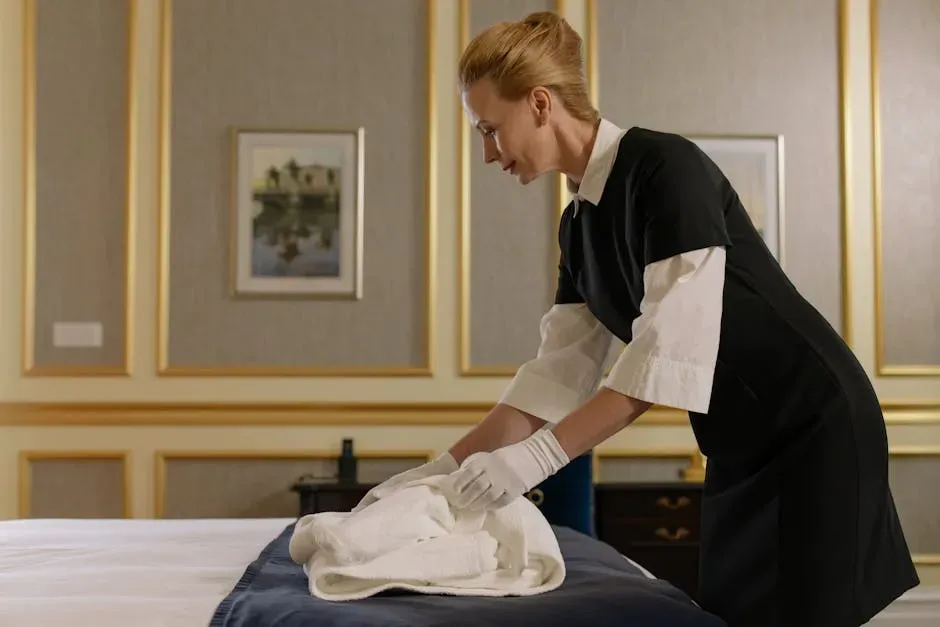
Housekeepers talk, and rooms that consistently require extra cleaning time get flagged. While nobody expects hotel-perfect tidiness, there's a difference between normal living and deliberate disregard for basic cleanliness. Staff immediately notice rooms with food smeared on furniture, excessive trash scattered everywhere, or towels used for cleaning spills rather than calling for assistance. These behaviors signal disrespect for both the property and the people who maintain it.
Being a housekeeper is challenging work, and staff often have 30 minutes or less to ensure your room is perfect. If anybody deserves a tip, it's the people who truly make the hotel what it is. Leave a tip for housekeeping before heading out for the day instead of depositing a lump sum at the end of your stay. Guests over 30 who understand this are remembered warmly, and word travels through the housekeeping team just as fast as it does at the front desk.
The Questions You Ask and What They Reveal
The Questions You Ask and What They Reveal (Image Credits: Pexels)
Hotel staff notice whether you wince at the mention of valet parking. They see if you immediately ask about free breakfast or happy hour times. One front desk manager explained that guests who are comfortable financially tend to ask different questions entirely, they focus on experiences rather than expenses. It's restaurant recommendations instead of the nearest supermarket. Spa availability rather than gym hours.
At check-in, budget-minded guests often start with the total. You might ask about the security deposit, the resort fee, parking costs, or whether there's a charge for early check-in. Hotels hear these questions constantly, so you can feel comfortable asking them. What staff notice is the order. When money questions come first, it signals you're tracking every line item. There's nothing wrong with being careful with costs, but the sequence of questions tells a story staff have heard many times before.
Whether You Respect Noise Boundaries in Shared Spaces

Whether You Respect Noise Boundaries in Shared Spaces (Image Credits: Pixabay)
Hotel guests can undermine the carefully crafted atmosphere that properties design for travelers who notice the details through loud behavior in shared spaces. Noise complaints are one of the most consistently reported issues across hotels of every category. Many hotels employ a three-strikes system where, after three consecutive complaints, a guest will be removed from the property without a refund. Staff keep mental notes on which rooms and which guests are generating those complaints.
Loud phone conversations in hotel lobbies or hallways quickly draw attention, even without official quiet-zone policies. Staff will delay intervening until another guest voices discomfort, relying on unofficial etiquette. Once complaints arise, they step in diplomatically to preserve the calm atmosphere expected in shared spaces. Guests over 30 who read the room without being told tend to earn a different kind of respect from staff, one that occasionally translates into practical perks.
Your Loyalty History and Repeat-Guest Signals

Your Loyalty History and Repeat-Guest Signals (Image Credits: Unsplash)
The moment your name hits the property management system, a world of information opens up. Properly utilizing the property management system allows staff to keep records of repeat guests, for example, a guest who travels monthly and likes high floors. If the repeat guest at check-in is given a high-floor room without asking because the system reminded staff of that preference, that creates a personalized guest experience. Hotels now leverage AI and guest data to analyze behavior and preferences, enabling everything from personalized welcome messages to tailored activity recommendations.
The staff member checking you in typically notes guest behavior in the system. This information follows you not just during this visit but potentially for future stays too. For guests over 30 who travel regularly, this quiet record-keeping cuts both ways. A history of gracious behavior can open doors, sometimes literally, while a pattern of difficult interactions tends to follow a guest from one stay to the next without anyone mentioning it out loud.
Most of what hotel staff notice isn't dramatic. It's a collection of small signals, how you hold yourself, how you speak, what you prioritize, and how you treat people who can't easily push back. The good news is that none of it requires effort beyond basic decency. A bit of patience, a genuine thank you, a phone put away at the right moment. These things cost nothing and, inside a hotel, they're noticed more than you'd ever guess.