
Most parents aren’t trying to raise anxious, dependent, or emotionally fragile kids. They’re trying to do the opposite. The hard truth is that some of the habits researchers have been studying most closely are the ones that look, on the surface, like attentive and loving parenting. A packed schedule. Warm encouragement. Stepping in before a child struggles. These feel right in the moment, and that’s exactly what makes them worth examining.
The research, especially from the past two years, is painting a clearer picture of where the well-intentioned parent-child relationship quietly goes sideways. This list pulls from verified studies and expert consensus to identify the ten habits that child development professionals warn about most consistently.
1. Helicopter Parenting: The Hover That Harms

1. Helicopter Parenting: The Hover That Harms (Image Credits: Pexels)
Helicopter parenting is widely understood as an overcontrolling and overinvolved style of raising children, one that likely interferes with the healthy development of a child’s own personality and can contribute to difficulties in emerging adulthood. The problem isn’t the love behind it. The problem is what gets quietly taken away when parents manage every interaction and prevent every stumble.
A clear majority of studies reviewed in a systematic analysis found a direct positive relationship between helicopter parenting and symptoms of anxiety and depression. The bulk of the evidence suggests that parents behaving in an overprotective and controlling manner negatively affect their child’s mental health, and this relationship has been detected in both adolescents and adults. Researchers note that helicopter parenting could have lifelong effects on an individual’s anxiety and depression levels.
2. Physical Punishment: What Science Settled

2. Physical Punishment: What Science Settled (Image Credits: Pexels)
A major analysis published in 2025 examined 195 studies related to corporal punishment, covering 92 countries and 19 different outcomes including mental and physical health, violent behavior, cognitive function, and social-emotional skills. The findings were unambiguous: physically punishing children leads to exclusively negative outcomes, including poor health, lower academic performance, and impaired social-emotional development.
Evidence shows corporal punishment harms children’s physical and mental health, increases behavioral problems over time, and has no positive outcomes. All corporal punishment, however mild, carries an inbuilt risk of escalation, and studies suggest that parents who used corporal punishment are at heightened risk of perpetrating more severe maltreatment over time. The debate has largely been settled. The evidence simply doesn’t support it.
3. Overscheduling: Too Much of a Good Thing

3. Overscheduling: Too Much of a Good Thing (Image Credits: Pexels)
Many parents genuinely believe that filling every afternoon with soccer practice, piano lessons, tutoring, and art class is giving their child a competitive edge. A data analysis published in the February 2024 issue of the Economics of Education Review, conducted by economists from the University of Georgia and the Federal Reserve Board, found that students are signed up for so many extracurricular activities that the additional hours were no longer building academic skills. Instead, the activities were actually harming children’s mental well-being, making them more anxious, depressed, or angry.
Studies indicate that children who spend more time in structured activities have greater challenges with self-directed executive function. A 2024 data analysis found a clear relationship between the number of enrichment activities a child participated in and their mental health challenges, with kids in heavy extracurricular loads more likely to struggle with anxiety, depression, and anger. Free, unstructured time isn’t wasted. It may be where development actually happens.
4. Excessive Screen Time Without Boundaries

4. Excessive Screen Time Without Boundaries (Image Credits: Unsplash)
Handing a phone or tablet to a fussy child might seem like a harmless quick fix, but the science tells a different story. Research published by the American Psychological Association found that spending too much time on screens may cause emotional and behavioral problems in children, and those problems can lead to even more screen use. The study systematically reviewed and analyzed 117 studies, encompassing data from over 292,000 children worldwide.
Toddlers aged two to five spend approximately three and a half hours a day on screens, and that number climbs sharply with age. Children aged eight to ten average around six hours daily, while eleven to fourteen year olds clock roughly nine hours a day. Data from more than 100,000 people also shows that getting a smartphone before age 13 may drastically increase the risk of poor mental health later in life.
5. Sharenting: Oversharing Your Child Online

5. Sharenting: Oversharing Your Child Online (Image Credits: Pexels)
Researchers at the University of Southampton conducted the first study to demonstrate a direct link between sharenting and children becoming victims of cybercrimes, including cyberbullying, online harassment, identity theft, and contact by strangers. After surveying more than 1,000 UK parents, the team found that nearly half actively sharent, and one in six reported that their child had experienced at least one of those harms.
Experts predict that by 2030, almost two thirds of identity theft cases will be traceable back to sharenting, with personal information pulled from social media and parent blogs. Despite the scale of the risk, a 2024 study found that the vast majority of parents, around 93 percent, were not aware of the current legislation or the dangers connected to the practice. Every post is a digital footprint a child never agreed to leave.
6. Controlling What and How Children Eat

6. Controlling What and How Children Eat (Image Credits: Pexels)
One of the most persistent yet damaging outdated practices is forcing children to eat, pressuring them to finish every bite on their plate, or using food as a bribe, reward, or punishment. These are all forms of controlling feeding practices, where the caregiver’s agenda takes precedence over the child’s internal cues and natural sense of autonomy.
Infographic evidence and expert consensus point toward the harms of force-feeding, and the field is moving toward more positive, responsive feeding approaches designed to foster a healthy relationship with food from an early age. Children who are consistently pressured at meals are more likely to develop disordered relationships with food that persist well into adulthood. Letting kids lead at the table is less passive than it sounds.
7. Inflated Praise: When "Amazing!" Backfires
7. Inflated Praise: When "Amazing!" Backfires (Image Credits: Pexels)
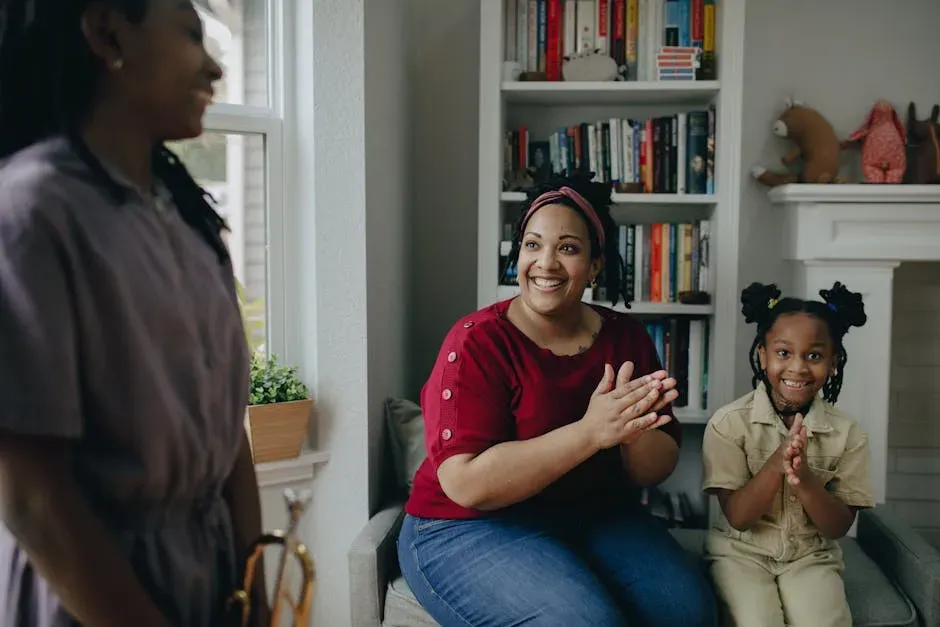
It has become common for parents to be warned about the dangers of excessive praise. Frequent praise, although intended to bolster a child’s self-confidence, may instead create increased anxiety and ultimately undermine their initiative and confidence. Many experts are especially concerned about empty praise, when parents tell children they are wonderful when a child has not, in fact, done anything remarkable.
Children with lower self-esteem may interpret high praise as expectation, making them afraid of failure and therefore afraid to take on challenging new tasks. Research from the University of Chicago found that parents who praised with a focus on the child’s personal characteristics implied that their ability was fixed and unchangeable, resulting in a lack of motivation to tackle difficult challenges. In adulthood, individuals who were overpraised as children may exhibit narcissistic behaviors, a lack of empathy, and an inflated sense of entitlement, while also struggling with low self-esteem when external approval is withdrawn.
8. Rescuing Children from Failure

8. Rescuing Children from Failure (Image Credits: Pixabay)
When parents are always present to prevent problems or clean up messes, children are denied opportunities to learn through failure, disappointment, and loss. Meaningful consequences play a crucial role in developing emotional intelligence and adaptive coping strategies. When overparented young people reach university or early adulthood, they may struggle with everyday challenges such as navigating conflict with roommates, receiving ambiguous feedback from supervisors, or managing changing social relationships.
Because children of helicopter parents are never taught the skills to function independently and may be held to unattainable perfectionist standards, they can develop anxiety, depression, a lack of confidence, and low self-esteem. Another risk is that if these kids have never experienced failure, they can develop an overwhelming fear of failing and of disappointing others. Without the freedom to learn through setbacks, children will struggle to find balance and genuine happiness in their adult lives.
9. Using Emotional Withdrawal as Discipline

9. Using Emotional Withdrawal as Discipline (Image Credits: Pexels)
Withholding warmth or emotional availability as a form of control limits a child’s ability to develop independence, decision-making skills, and confidence in their own judgment. It’s a discipline approach that feels controlled and calm to the parent but reads as profoundly unsafe to the child. The message a child internalizes is not “my behavior needs to change” but rather “my parent’s love is conditional.”
This dynamic teaches children that they are responsible for their parent’s emotions, and they may learn to hide their true feelings or simply act “right” in order to gain affection and attention, rather than making genuinely independent choices. Over time, that pattern shapes how they relate to every authority figure and intimate partner they’ll ever have. The cost is quiet and long-lasting.
10. Ignoring Unstructured, Risky Play
10. Ignoring Unstructured, Risky Play (Image Credits: Unsplash)
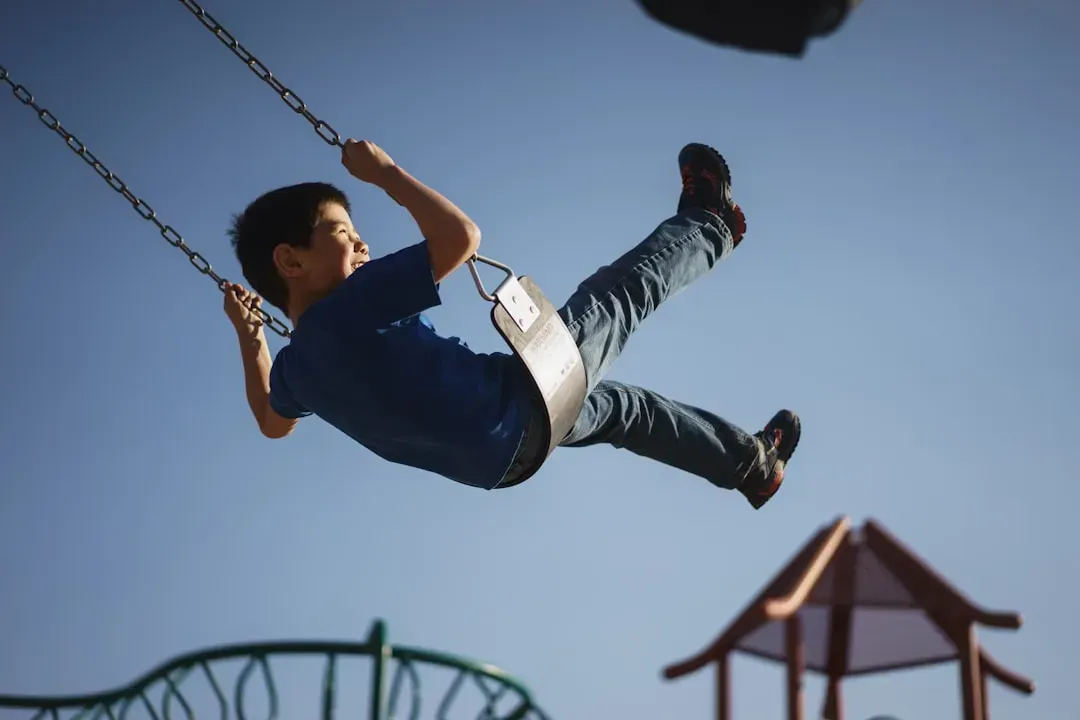
A team of anthropologists from Dartmouth College argued that efforts to mitigate the risks of playgrounds by making them as injury-proof as possible may, in fact, be harming kids. Running free, taking chances, and even getting hurt are considered essential to healthy childhood development by the Canadian Paediatric Society, with a newer study confirming that engaging in risky outdoor behavior with peers is key to children’s mental, physical, and social health.
Research confirms that children raised by hovering parents may be less able to deal with the challenging demands of growing up. Struggling to regulate their emotions and behavior effectively, such children have a harder time making friends, struggle in school, and are more likely to be disruptive in the classroom. Giving children the opportunities to learn to manage emotions and behavior is critical, and this is better done sooner rather than later. Limiting those opportunities comes at an increasing developmental cost.
The patterns listed here are, in most cases, rooted in genuine care. Parents who hover, overschedule, overshare, and over-praise are generally trying to give their children every possible advantage. What the research now makes clear is that some of those instincts, however well-meaning, work against the very outcomes parents are hoping to achieve. Knowing which habits to question is a form of good parenting in itself.