
Language is a kind of fingerprint. The phrases you reach for without thinking, especially in casual conversation, quietly reveal which decade shaped you. Language is living proof of culture, and the words you use reveal not only your personality but the era that shaped you. For Baby Boomers, born roughly between 1946 and 1964, that era was filled with vinyl records, television dials, and a counterculture that rewrote the rulebook on what “cool” even meant.
Baby Boomers grew up in a time before smartphones and streaming services took over daily life, and they relied on catchy phrases to get their point across, leaving behind a treasure trove of linguistic gems. Some of those phrases have aged gracefully. Others make younger generations glance sideways, quietly calculating the speaker’s birth year. These nine are among the most reliable tells.
"Back in My Day…"
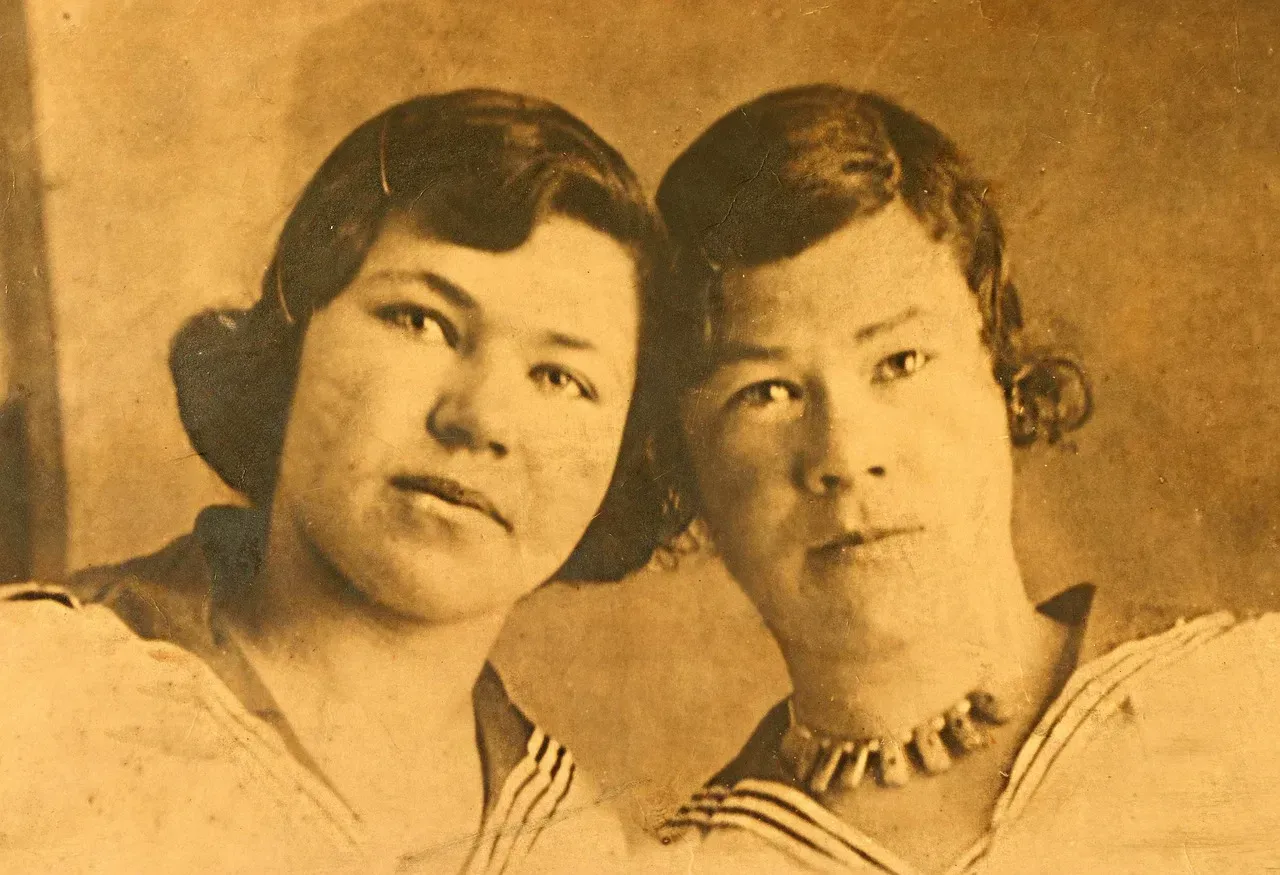
"Back in My Day…" (Image Credits: Pixabay)
This phrase often signals a trip down memory lane, where Boomers compare the past with the present. While some find these stories charming, younger generations often perceive them as dismissive or irrelevant, since the phrase can imply that past experiences were superior, overshadowing the unique challenges and advancements of today.
The saying signals nostalgia and comparison, and Boomers often use it to highlight differences between past and present. It reflects pride in resilience and frustration with modern conveniences. The irony is that every generation does the same thing eventually. Boomers just happen to have made the phrase their own.
"You Call That Music?"

"You Call That Music?" (Image Credits: Pexels)
Boomers frequently critique modern music compared to classics from the 1960s and 1970s. Rock, Motown, and folk defined their youth, and many dismiss newer genres as lacking depth or artistry. The phrase reflects generational pride in cultural contributions.
It’s a one-liner that arrives almost automatically whenever an unfamiliar beat plays in a shared space. The sentence structure alone does the dating work. No younger generation reaches for those exact four words in that exact order. It’s as Boomer as a rotary phone on a kitchen wall.
"Groovy"

"Groovy" (Image Credits: Pexels)
Few words signal Boomer more than “groovy.” It’s the quintessential 1960s phrase, tied to Woodstock, flower power, and psychedelic culture. While it’s occasionally used ironically by younger people, saying it sincerely signals your age group loud and clear, though it’s one of those words forever trapped in its cultural moment.
Groovy was used to refer to something really cool and amazing, and it was popular during the 1950s, 1960s, and 1970s. It’s roughly equivalent to Gen Z’s slang term “fire.” The problem isn’t the meaning. It’s that the sound of the word carries an unmistakable timestamp, and no ironic usage has managed to unstick it from that era.
"Sound Like a Broken Record"
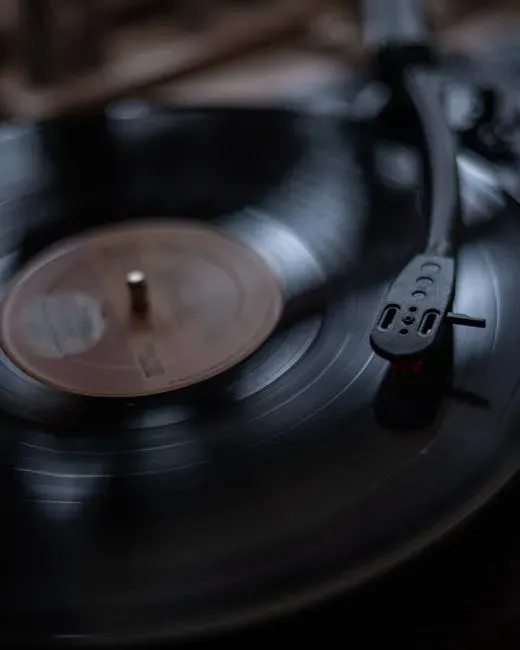
"Sound Like a Broken Record" (Image Credits: Pexels)
Before digital playlists existed, people listened to vinyl discs that would famously skip and repeat the same audio snippet over and over. Parents quickly adopted this comparison to call out kids who kept repeating the same complaint or argument. The metaphor was vivid and intuitive to anyone who had actually experienced a skipping record.
For anyone who grew up before the digital era, this makes perfect sense, since records would skip or repeat endlessly if scratched. Vinyl skipped a generation in popularity, and while Millennials and Gen Z do buy records now, for them it’s aesthetic, not everyday life. The metaphor doesn’t land quite the same way, and it gives away that you grew up in an era when records weren’t retro, they were just records.
"Don't Flip Your Wig"

"Don't Flip Your Wig" (Image Credits: Pexels)
This phrase, meaning “don’t overreact” or “calm down,” was common mid-century slang. Nobody says it anymore. Younger people might say “don’t freak out” or “chill,” but “flip your wig” sounds straight out of a black-and-white sitcom. Drop it in conversation today and you’re guaranteed to get puzzled stares or laughter.
Originally, the expression referred to bowing so low to one’s superior that one’s wig flipped off. By the early 1950s, the phrase was used to tell someone to calm down after they were acting up. Most people under forty have never heard it used in a sincere sentence, which makes it one of the most precise generational dating tools on this list.
"What's Your Bag?"

"What's Your Bag?" (Image Credits: Unsplash)
Boomers used the phrase “What’s your bag?” as a way of asking someone what their issue was. While it might sound like a bizarre inquiry about someone’s personal belongings, it was actually shorthand for asking “What’s your problem?” or “What’s going on?” The meaning is often lost on younger generations, as it’s far less direct than today’s straightforward expressions.
In Boomer slang, asking about someone’s “bag” was also sometimes used to inquire about their interests or what they were known for. Unlike today’s “What’s your thing?” or “What are you into?”, the term might conjure images of literal luggage for the uninitiated younger listener rather than metaphorical personal inclinations. Either way, the phrase lands with a certain vintage weight that no amount of goodwill can fully modernize.
"Money Doesn't Grow on Trees"

"Money Doesn't Grow on Trees" (Image Credits: Unsplash)
This phrase reflects financial caution and lessons passed down from Depression-era parents. Boomers use it to teach frugality and responsibility, emphasizing the value of hard-earned money. It arrived in many households as a response to any spending request that seemed, to the adult in the room, unreasonably optimistic.
Boomers grew up with parents who had lived through the Great Depression and World War II. Frugality was ingrained, and wasting anything, including money, was genuinely unacceptable. The phrase carries that whole history in six words, which is partly why it still gets deployed, and partly why it tends to produce an eye-roll in response from anyone born after 1980.
"The Boob Tube"

"The Boob Tube" (Image Credits: Unsplash)
When television became the trendy new medium for news and entertainment in the 1950s and 1960s, people started calling it the “boob tube.” The term “boob” was commonly used to describe a silly person, so the phrase was coined on the notion that much of what’s watched on TV is either foolish or geared toward foolish people.
Today, of course, nobody watches a “tube” of any kind. Streaming platforms, smart screens, and on-demand content have made the entire visual metaphor obsolete. Baby Boomers embraced slang on a wider scale, coining sayings such as “boob tube” for television, among a broader vocabulary that reflected their cultural world. Drop “boob tube” into a conversation with a Gen Z person and watch them try to figure out what century the sentence arrived from.
"Kids These Days…"
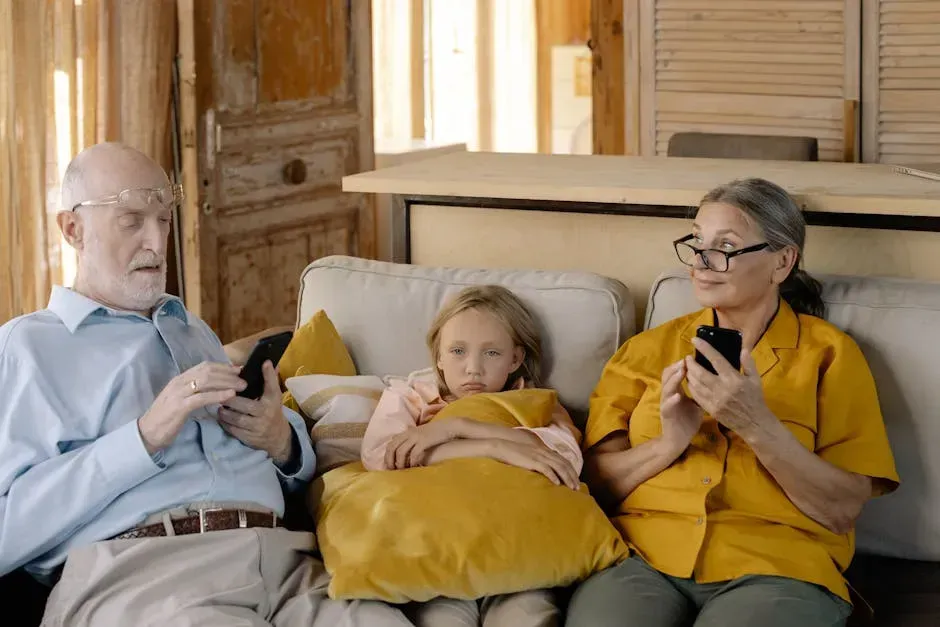
"Kids These Days…" (Image Credits: Pexels)
This phrase expresses generational critique. Boomers use it to highlight perceived differences in work ethic, manners, or values, and it reflects both concern and a sense of generational superiority. Younger generations often roll their eyes at the expression, though “kids these days” remains a timeless Boomer calling card.
According to a July 2024 Preply survey, roughly half of Baby Boomers admitted they are completely mystified by the slang used by their kids and grandkids. The younger crowd might prefer different terms, but the original generational frustration carries a much more audible punch. There’s something almost poetic about it: the very phrase that signals a generation gap is itself a product of that gap, perfectly preserved and reliably repeated across decades.
Boomers came of age in a time of TV dials, tape recorders, and counterculture revolutions, and their phrases reflect the world they grew up in, a world very different from today’s digital-first, slang-shifting environment. None of these nine expressions are wrong or embarrassing on their own terms. They’re just honest. Each one is a small time capsule, and that’s part of what makes them interesting rather than merely outdated.