
Most people assume that speed and freshness are mutually exclusive in fast food. The standard picture is frozen patties sliding out of a walk-in freezer, microwave ovens humming in the back, and sauces arriving in sealed industrial pouches. That assumption turns out to be wrong, at least for a handful of chains that have built their entire business model around doing things the harder way.
While the quick-service and casual-dining sectors battled it out with value deals through 2024, the fast-casual sector served as a shelter in the storm for most brands, with fast-casual chain sales among the top 500 growing nine percent, far exceeding the growth of quick-service and casual dining. The chains driving that momentum share one thing in common: a genuine commitment to preparing food from scratch, daily. Here are five of the most notable examples.
1. Chipotle Mexican Grill: Fresh Prep Before the Doors Even Open
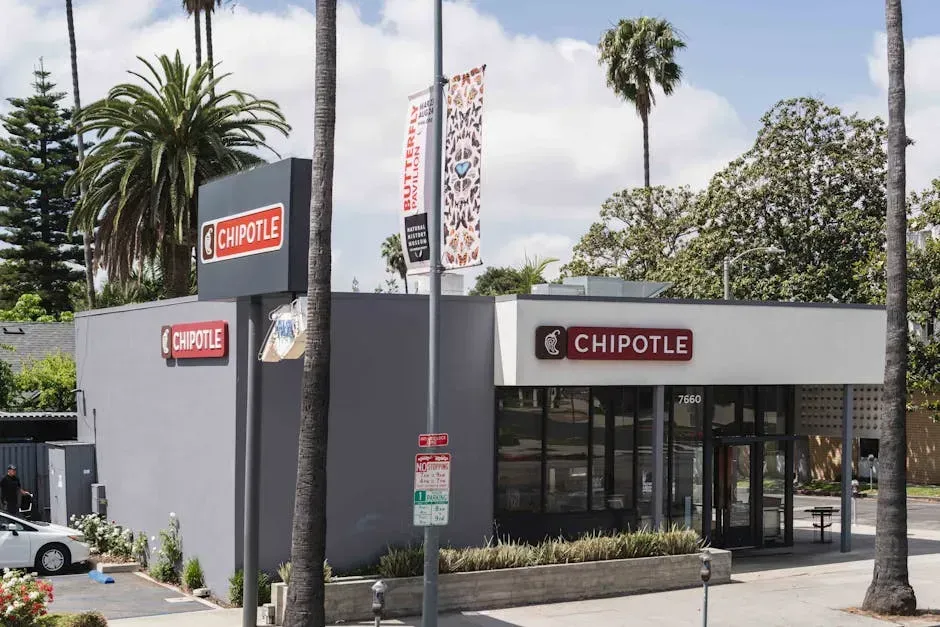
1. Chipotle Mexican Grill: Fresh Prep Before the Doors Even Open (Image Credits: Pexels)
Chipotle famously uses just 53 ingredients for everything on its menu, many of which are herbs and spices, and you won’t find a freezer, a microwave, or even a can opener on-site at any of its restaurants. That’s a remarkable operational constraint for a chain of its size. Morning prep crews arrive hours before opening to hand-chop vegetables, mash avocados for guacamole, and prepare meats using traditional cooking methods, with carnitas braised for hours until perfectly tender.
The cilantro-lime rice is made in batches using hot, fresh white or brown rice, hand-mixed with cilantro, lime juice, and salt, while tortilla chips are made from corn tortillas, cut and fried, then tossed with fresh lime juice and salt. The chain’s open kitchen concept allows customers to watch their food being assembled with ingredients that are prepared throughout the day. Foot traffic to Chipotle continued to impress in Q3 2024, with year-over-year quarterly visits elevated by 12.7 percent.
2. In-N-Out Burger: No Freezers, No Microwaves, No Exceptions
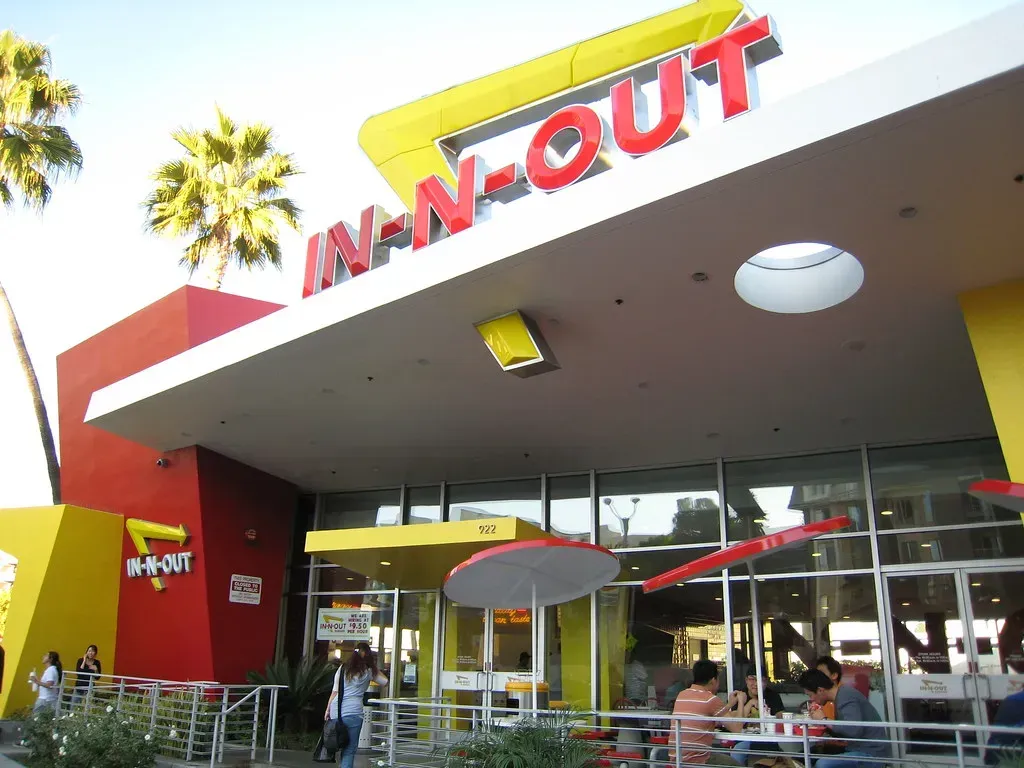
2. In-N-Out Burger: No Freezers, No Microwaves, No Exceptions (Wallslide, Flickr, <a href="https://creativecommons.org/licenses/by/2.0/" target="_blank" rel="noopener">CC BY 2.0</a>)
In-N-Out takes its slogan “Freshness You Can Taste” seriously, always serving only fresh, never frozen, high-quality products. The chain doesn’t even own a microwave or a freezer, making their hamburger patties themselves starting with fresh, high-quality front-quarter beef chucks with no additives, fillers, or preservatives. It’s a standard they’ve maintained for decades without compromise.
The burger chain places a high premium on the quality of its fresh ingredients beyond the meat, with fries hand-cut in-restaurant from potatoes delivered directly from farm suppliers, using a special slicer before the pieces get fried up in 100% sunflower oil. The chain famously operates without freezers or microwaves in their locations, which explains why they’ve expanded slowly compared to competitors. They won’t open a store unless it’s close enough to their distribution centers to ensure absolute freshness.
3. Five Guys: Potatoes by the Bag, Toppings by Hand
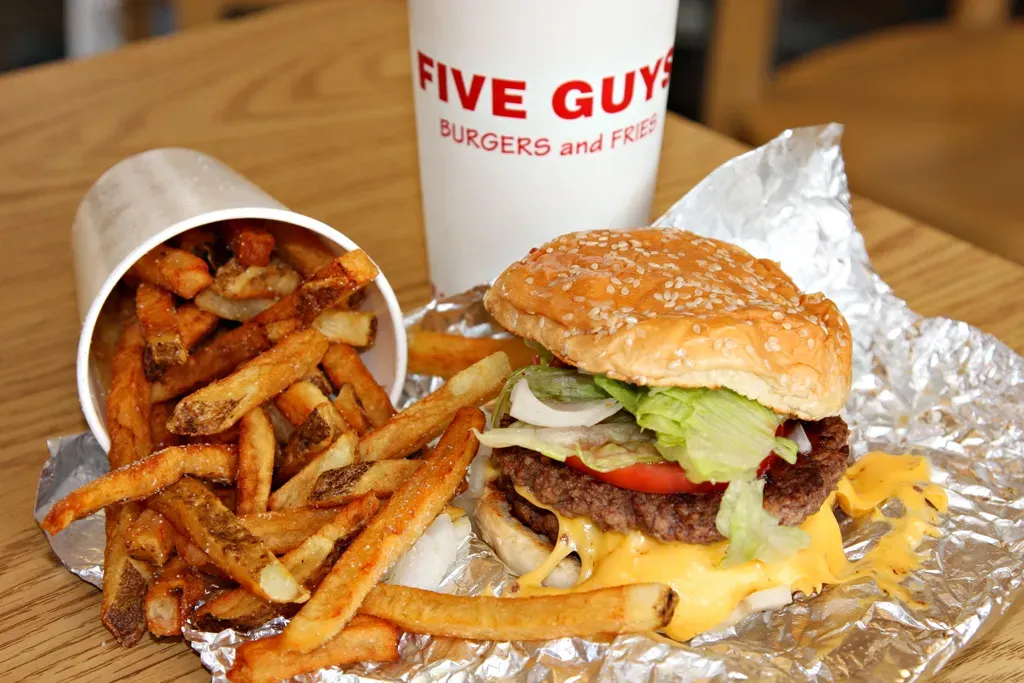
3. Five Guys: Potatoes by the Bag, Toppings by Hand (chief_huddleston, Flickr, <a href="https://creativecommons.org/licenses/by/2.0/" target="_blank" rel="noopener">CC BY 2.0</a>)
Five Guys has built its entire reputation around freshness. Walk into any location and you’ll see bags of whole potatoes stacked by the door, ready to be cut into fries that day. The chain doesn’t even own freezers, only coolers, meaning its beef patties are delivered fresh, formed in-store, and cooked to order. That visible commitment to prep work is almost theatrical, but it’s entirely functional.
With all 15 free toppings prepared fresh daily, Five Guys offers hundreds of thousands of topping combinations. Fruit-flavored milkshakes like strawberry and banana are made by adding simple fruit syrups to a vanilla base, while the peanut butter milkshake uses all-natural peanut butter sweetened with honey. This dedication to freshness comes at a premium, with the average price of a meal from Five Guys in 2024 reported at $20.73.
4. Culver's: Wisconsin-Made, Batch by Batch
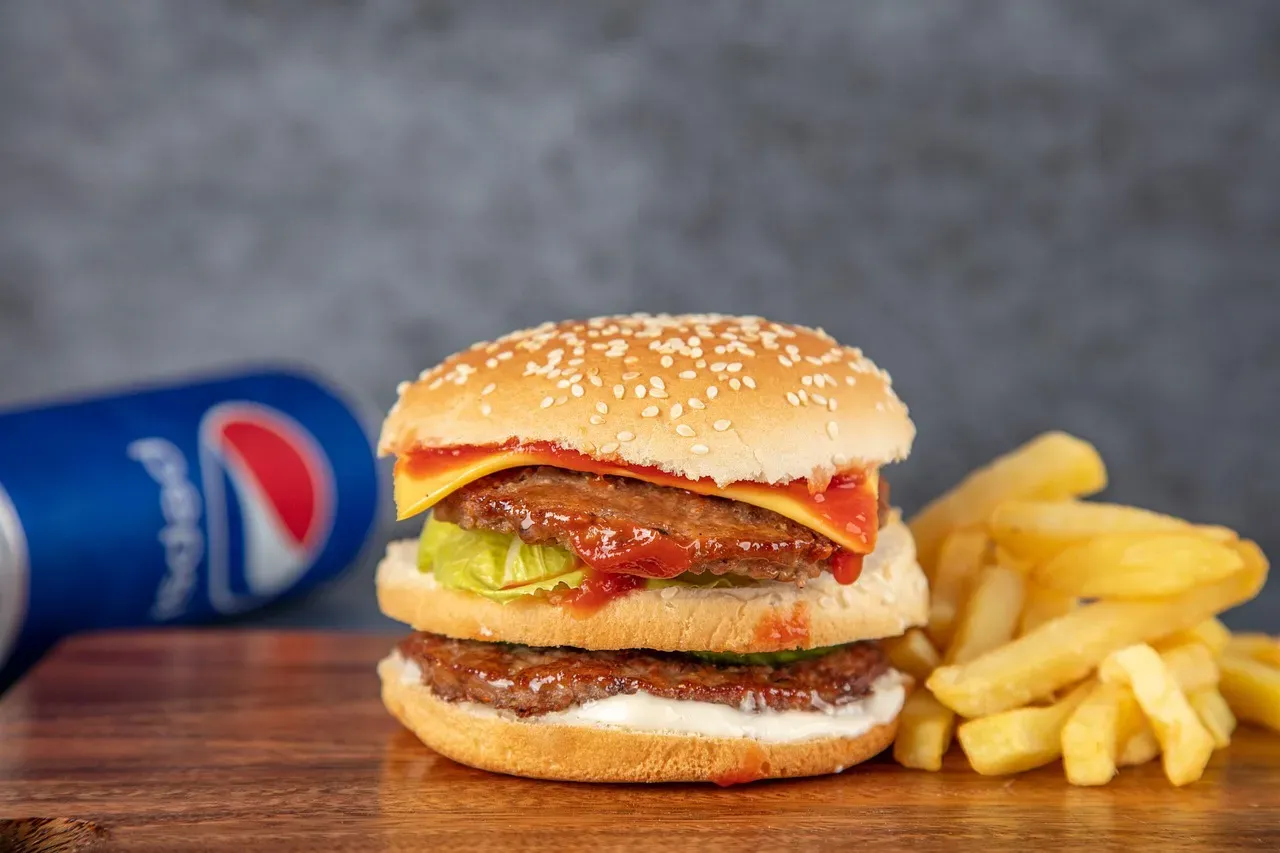
4. Culver's: Wisconsin-Made, Batch by Batch (Image Credits: Pixabay)
Known for its signature ButterBurgers, Culver’s grinds a blend of sirloin, chuck, and plate cuts for a fresh, never-frozen patty, with each burger cooked only after you order it. Culver’s uses “fresh, never frozen beef” and sticks to whole, white meat chicken from America’s family farms, with every ButterBurger cooked to order and topped with a lightly buttered, toasted bun.
No visit to Culver’s is complete without the frozen custard, and there’s a reason it tastes so good. The custard is slow-churned in the restaurant in small batches, always available throughout the day in a fresh batch, regardless of whether it’s the lunch rush or the slow hour before dinner. There are over 80 different flavors of the day, representing 80 unique combinations of custard and mix-ins. The chain operated a total of 1,000 restaurants in 26 states as of April 2025.
5. Raising Cane's: A Short Menu With Nothing to Hide
5. Raising Cane's: A Short Menu With Nothing to Hide (Image Credits: Unsplash)
Raising Cane’s keeps its menu deliberately small and focused, which is probably the secret to maintaining freshness at scale. A limited menu means every single item can receive the kind of attention that bigger, sprawling menus simply cannot afford. That focus has translated directly into real results in the market.
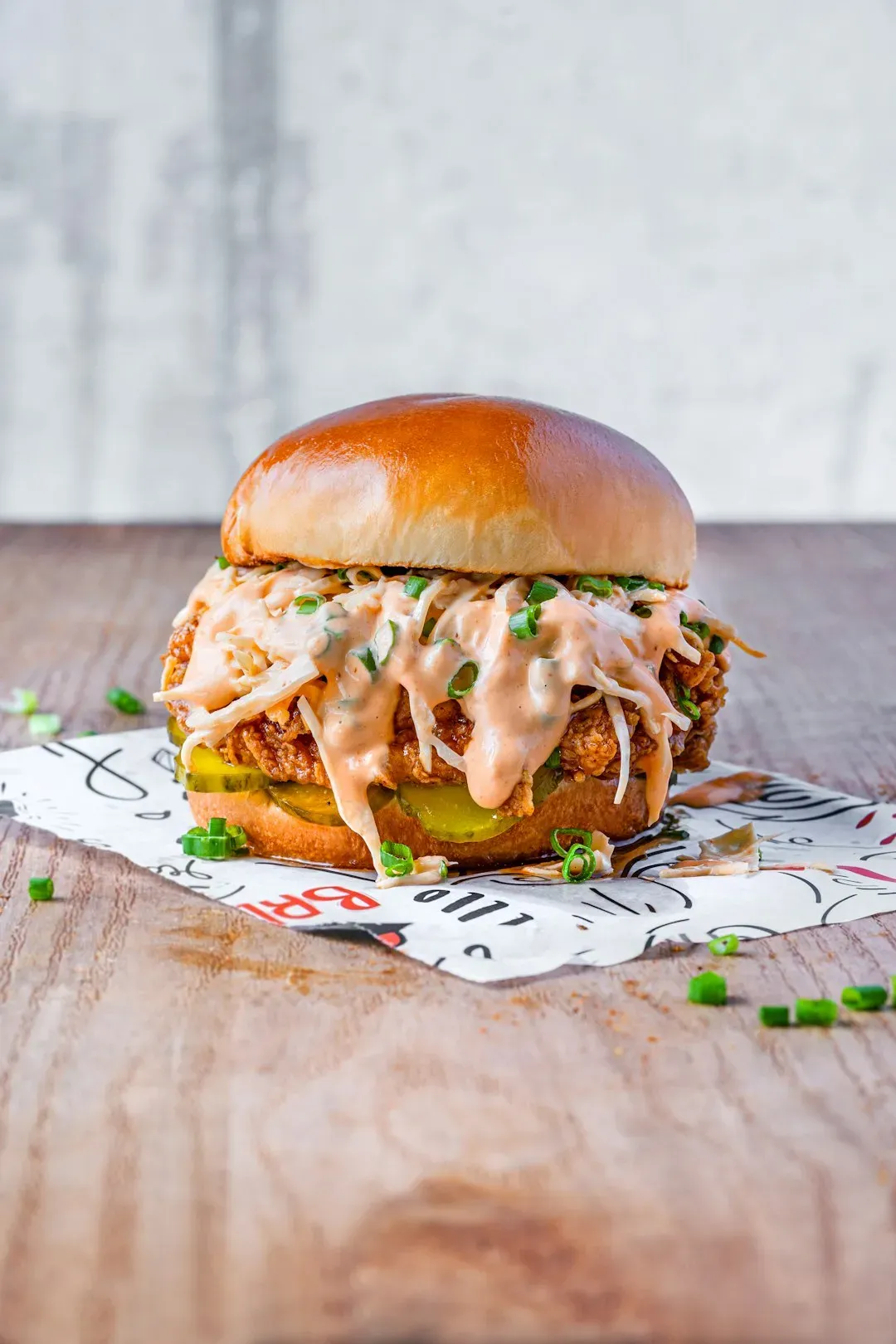
Every salad is hand-tossed to order, and Cane’s certified “Bird Specialists” hand-dip and bread chicken fresh for every order with no heat lamps, every time. Every day, crew members mix fresh diced red and green cabbage, shredded carrots, and creamy coleslaw dressing, and the Cane’s Sauce is also made fresh daily. Raising Cane’s grew sales by more than 30 percent in 2024, propelling the brand into the top 25 restaurant chains in the country. The connection between that growth and its from-scratch approach seems hard to dismiss.
The throughline across all five of these chains is discipline. Fresh prep costs more, takes longer, and demands better-trained staff. In a fast-food climate where even beloved names are in perceived decline, commitments to high-quality food are arguably more important than ever, and one sign that a chain cares about quality is the promise that its ingredients are fresh, never frozen. The numbers suggest consumers are noticing the difference.