
There was a time when walking into a diner on a Sunday morning felt like a ritual. The smell of coffee, the clatter of plates, the sizzle from the griddle. That experience still exists in pockets of the country, but the menu has been quietly changing for years. What once felt like a permanent fixture of American culture is now, plate by plate, slipping away.
The total number of full-service restaurant locations in the U.S. has shrunk for two consecutive years and in four out of the last five, with the overall full-service segment nearly 18% smaller at the end of 2024 than it was in 2019. That contraction has taken a real toll on what ends up on the menu. Rising costs, labor shortages, and shifting consumer habits have pushed operators to simplify, and some of the most beloved breakfast staples are paying the price.
Hand-Cut Hash Browns
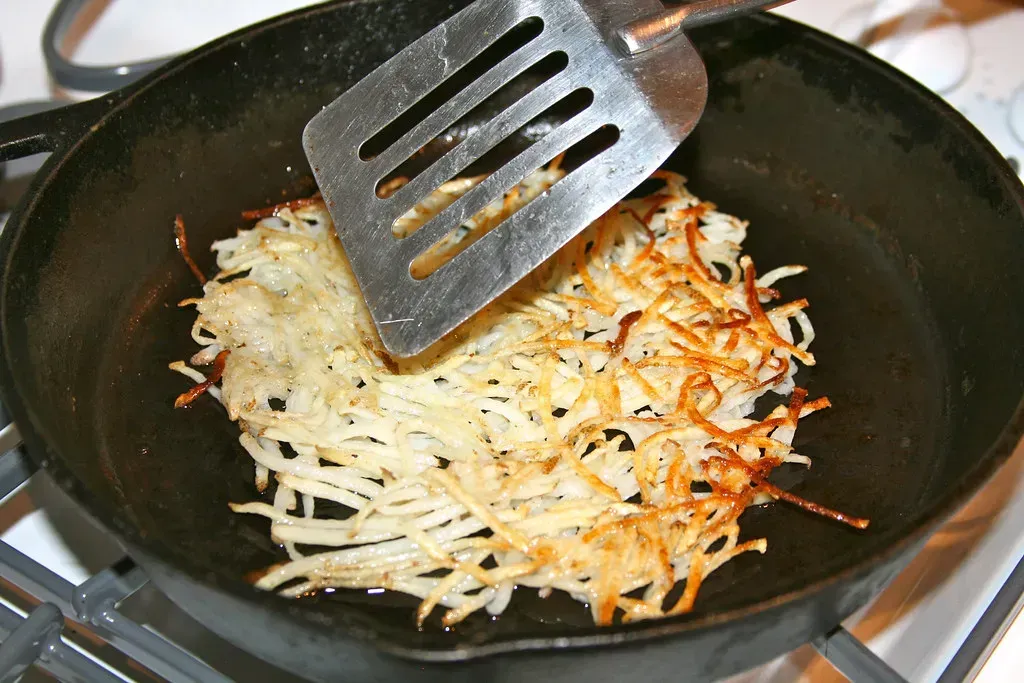
Hand-Cut Hash Browns (cheeseslave, Flickr, <a href="https://creativecommons.org/licenses/by/2.0/" target="_blank" rel="noopener">CC BY 2.0</a>)
The crispy, golden rectangles of shredded potatoes that once defined diner breakfast plates are becoming a rarity. Many establishments have switched to pre-formed frozen patties or eliminated them entirely in favor of faster alternatives, and the labor-intensive process of hand-cutting and properly cooking hash browns has become economically challenging for many diners.
Rising potato costs and supply chain issues have accelerated this trend, pushing restaurants toward more convenient options. Some establishments now offer breakfast potatoes or home fries instead, which require less specialized preparation but lack the distinctive texture and flavor that made traditional hash browns a breakfast essential. The artistry of achieving that perfect golden-brown exterior while maintaining a fluffy interior is becoming a lost culinary skill.
Scratch-Made Biscuits and Gravy
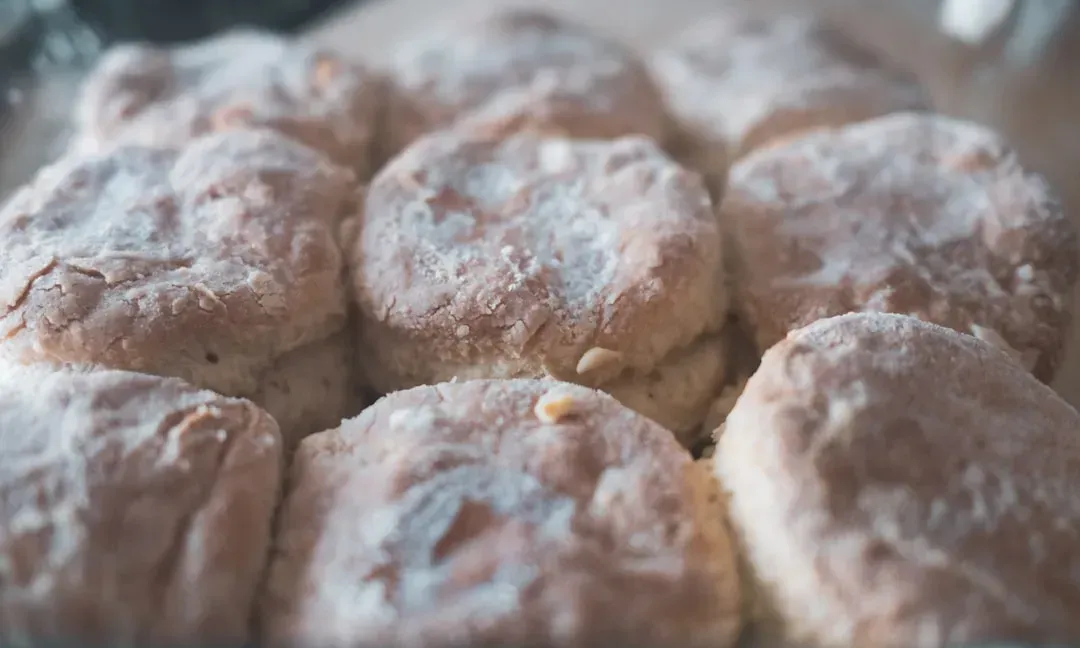
Scratch-Made Biscuits and Gravy (Image Credits: Unsplash)
Perhaps no breakfast dish embodies American diner culture quite like fresh biscuits smothered in sausage gravy, yet this labor-intensive favorite is vanishing from many menus. The process of making biscuits from scratch multiple times daily, combined with preparing proper sausage gravy, requires dedicated preparation time and skilled cooks.
The economics of biscuit-making are particularly challenging, as the dough requires careful handling, proper mixing techniques, and timing that doesn’t align well with modern fast-service expectations. Many establishments have switched to pre-made frozen biscuits or eliminated the dish entirely, unable to maintain the quality standards that make homemade biscuits worth ordering. The irony is that the diners still doing it from scratch tend to have lines out the door, which says something about how much people still want it.
Fresh-Squeezed Orange Juice
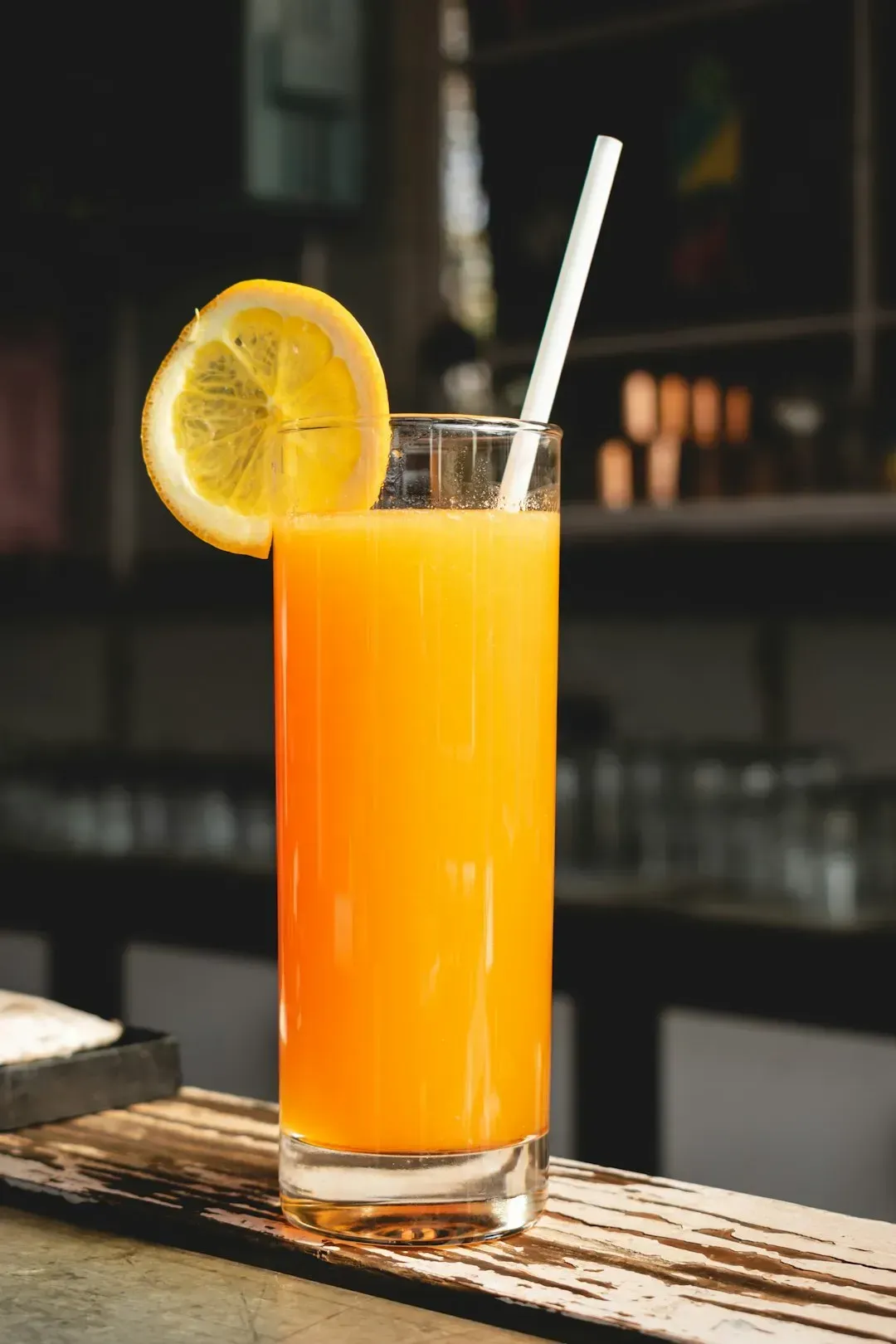
Fresh-Squeezed Orange Juice (Image Credits: Unsplash)
Orange juice has been losing market share thanks to a wave of competition, plus rising prices and lower production. For diners, that squeeze has been felt directly behind the counter. The biggest issue facing orange juice suppliers is citrus greening, a bacterial disease spread by tiny insects that has been decimating orange groves, especially in Florida, which produces most of the country’s juice oranges.
In January 2023, the price of frozen concentrate orange juice was $2.82, and by April 2024, the average price of that same product had hit $4.28, representing a roughly 34% increase in just 16 months. With citrus greening and real estate development, Tampa Bay area residents reported it was hard to find fresh-squeezed orange juice at restaurants and stores like they used to. Most diners have quietly swapped in carton juice or concentrate, hoping customers won’t notice the difference.
Canadian Bacon
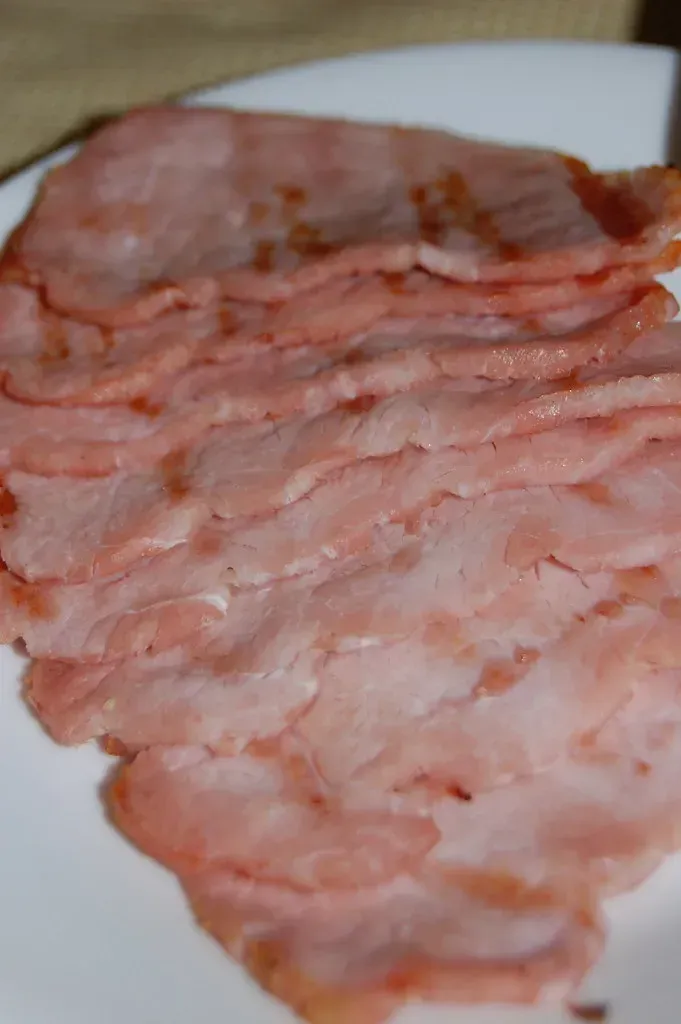
Canadian Bacon (Stefano A, Flickr, <a href="https://creativecommons.org/licenses/by/2.0/" target="_blank" rel="noopener">CC BY 2.0</a>)
The thick, round slices of lean pork that once graced breakfast platters nationwide are quietly disappearing. Unlike regular bacon strips, Canadian bacon requires special sourcing and preparation techniques that many smaller diners can no longer justify economically.
The item was never as universal as standard bacon, but it was a diner staple for decades, particularly as part of eggs Benedict and certain breakfast platters. In 2024, the vast majority of independent restaurants raised menu prices, mostly in the 5 to 10 percent range, but those who went beyond 15 percent saw a drop in profits and foot traffic, and the math of passing costs along to diners has real limits. Specialty cuts like Canadian bacon are often the first to go when operators need to reduce their ingredient lists.
Authentic Maple Syrup
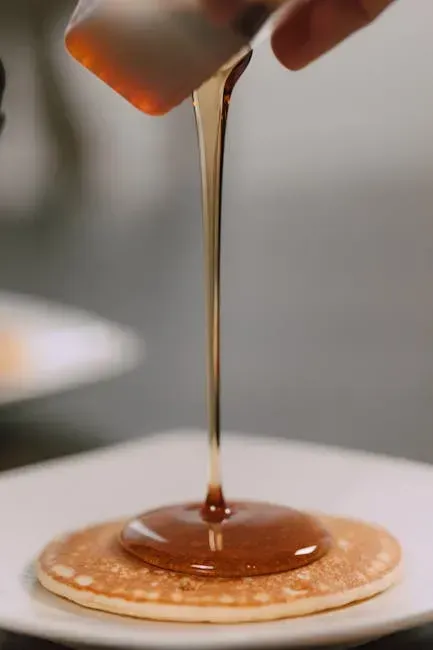
Authentic Maple Syrup (Image Credits: Pexels)
Authentic maple syrup is disappearing from diner tables, replaced by corn syrup-based substitutes that lack the complex flavor profile of the real thing. This seemingly small change affects multiple menu items, from pancakes and waffles to French toast and oatmeal. The rich, nuanced flavor of real maple syrup, with its subtle vanilla and caramel notes, represents a level of quality that many diners once took for granted.
Its disappearance signals a broader trend toward cost-cutting measures that prioritize profit margins over authentic flavor experiences. Real maple syrup costs several times more per serving than the imitation variety, and in a tight-margin breakfast environment, that difference adds up fast. Most customers only notice the swap when they’ve gone without the real thing long enough to order it somewhere else.
The Classic Full American Breakfast Platter
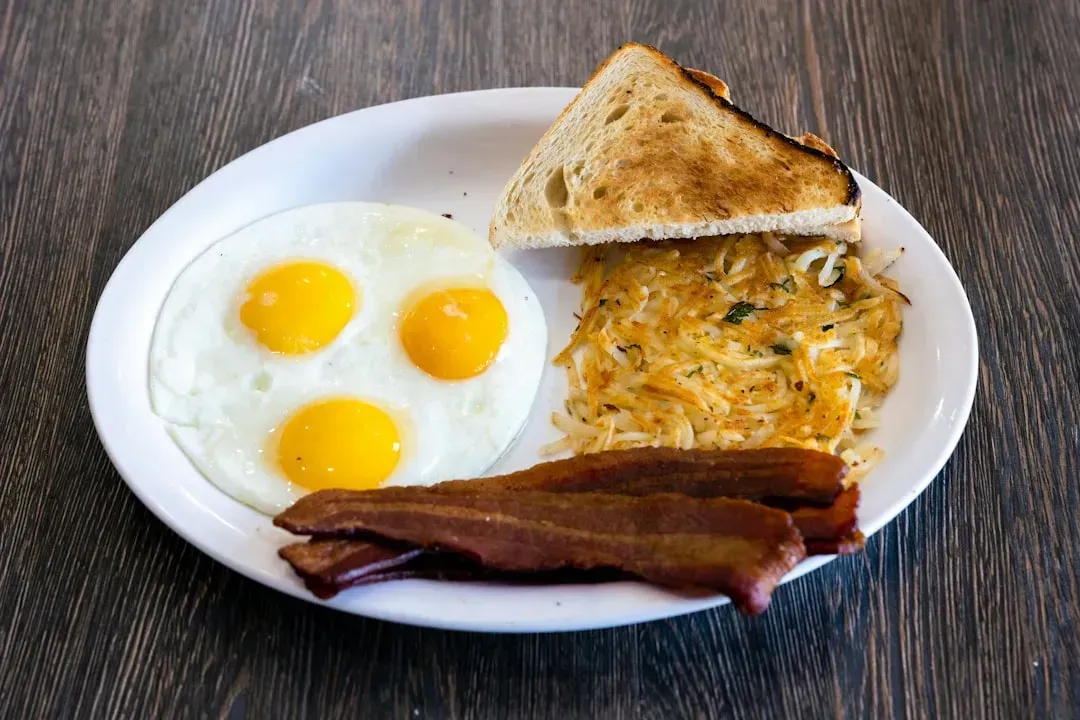
The Classic Full American Breakfast Platter (Image Credits: Unsplash)
The classic American breakfast, eggs, bacon, toast, coffee, orange juice and milk, has been a popular morning meal for decades. Increasingly, though, restaurants are trimming those all-in-one platters or breaking them apart into individual items priced separately. About 15 percent of Americans skip breakfast entirely, according to the Centers for Disease Control and Prevention, while around 13 percent of U.S. adults have tried intermittent fasting, according to a 2024 survey from the International Food Information Council.
Coffee hasn’t lost its luster and remains the most popular beverage at breakfast, with roughly two in five people choosing to kick off their morning with a cup, while fruit juice and milk both rank much lower at just 12 percent each. The full platter hasn’t vanished entirely, but it’s increasingly being presented as a premium, upsell option rather than the default morning offering it once was.
Unlimited Coffee Refills
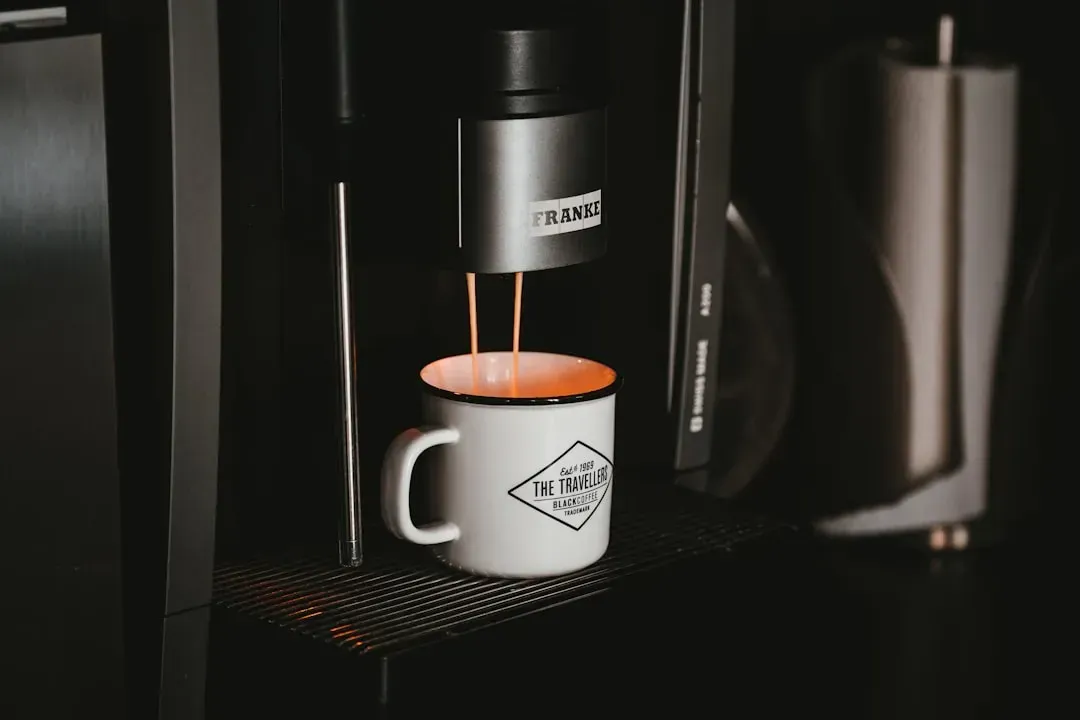
Unlimited Coffee Refills (Image Credits: Unsplash)
Morning visits to McDonald’s accounted for nearly a third of the chain’s traffic in early 2019, but that number had dipped to just under 30 percent by 2025, according to NBC News. Year-over-year morning traffic to fast-food chains has fallen every quarter for the last three years, according to data from Revenue Management Solutions. As foot traffic drops, the economics of unlimited refills, once a diner hallmark that kept customers lingering, have become harder to defend.
Free refills were never just about coffee. They were a signal of hospitality, of a place that wanted you to stay. The rising cost of dining out has been a major factor in the overall picture, with the vast majority of Americans saying restaurant prices have increased in the past 12 months. Denny’s revealed plans to close 150 restaurants by the end of 2025, after closing 88 locations in 2024 alone and expecting to shut down between 70 and 90 more in 2025. Denny’s was, in many ways, the symbolic heart of the American diner, and its contraction carried real weight.
The diner isn’t dead. Plenty of independent spots still do things the old way, and a few chains are holding the line on quality. What’s changing is the baseline expectation. Items that once came standard, from a pitcher of real syrup to an endlessly refilled mug, are quietly becoming the exception rather than the rule, and many regulars are only noticing the absence after the fact.