
Most people who relocate to a new town expect some adjustment period. A few awkward months, a handful of uncomfortable neighborhood events, maybe some quiet dinners alone before things start to click. What they don’t expect is to still feel like an outsider three or five years later, still eating alone, still being politely tolerated rather than genuinely included.
Sociologists have spent decades studying why some communities repel newcomers with invisible but remarkably effective force. The mechanisms vary, from geography and generational ties to religion, class, and deliberate urban design. What follows are eight community types that research consistently flags as some of the hardest to penetrate socially, not because they’re necessarily hostile, but because their structures weren’t built with you in mind.
Deeply Rooted Multi-Generational Small Towns
Deeply Rooted Multi-Generational Small Towns (Image Credits: Unsplash)
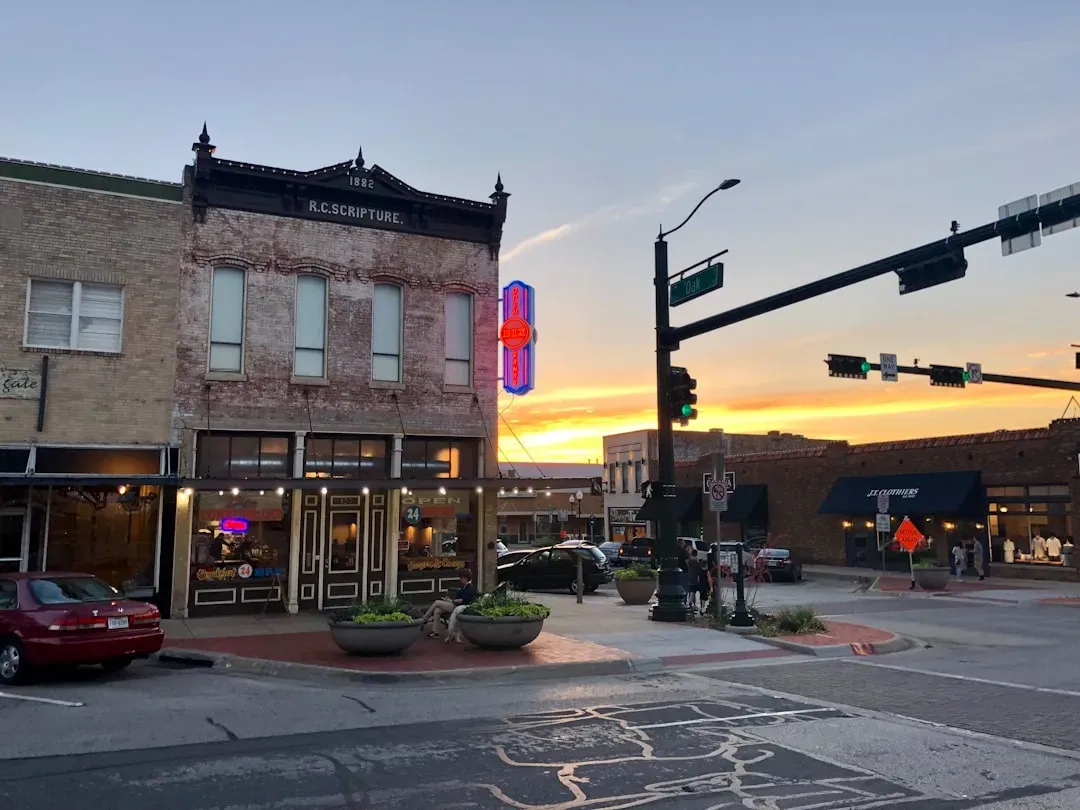
Small-town America carries a long association with friendliness and familiarity, but in some places deep roots, generational ties, and a strong sense of privacy create communities that move cautiously around newcomers. This isn't always about hostility so much as the protection of identity, tradition, and a particular rhythm of life. The social calendar in these towns is effectively full before you arrive. Friendships were formed in elementary school, family networks span entire zip codes, and the unspoken hierarchy of belonging has been decades in the making.
Sociologists have a term for this phenomenon: "island mentality," where isolated communities perceive themselves as unique and view outsiders with suspicion or even hostility. It's a phenomenon that can be rooted in anything from economic anxiety to historical trauma. Those forces can be subtle, like a town where every family has known each other for six generations. In that environment, a newcomer simply hasn't earned the social currency that takes a lifetime to accumulate.
Ideologically Isolated Religious Communities
Ideologically Isolated Religious Communities (Image Credits: Unsplash)
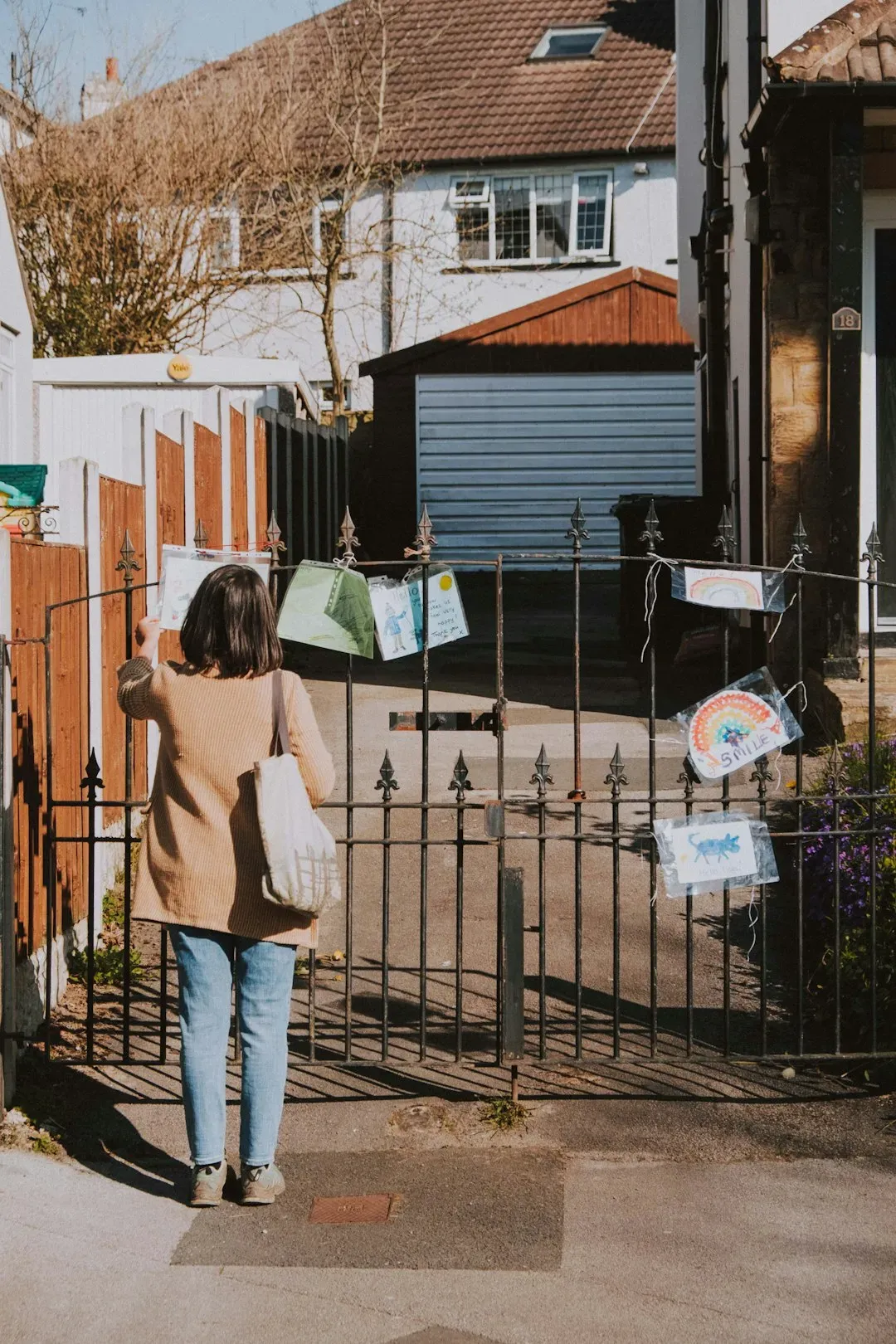
Colorado City, Arizona, stands as perhaps the most extreme American example of a community built on deliberate separation. Founded by polygamists seeking isolation from the mainstream world, that principle of separation has defined it for decades. While that is an outlier, it illustrates a broader pattern. Many tight-knit religious communities, even those far less extreme, operate with internal social structures that are largely invisible to outsiders and nearly impossible to enter without shared faith.
In tightly knit clusters of relationships with like-minded individuals, people may become entrenched in collective positions, and strong community bonds may coincide with distrust or indifference toward outsiders. Within these communities, divergent messages struggle to gain traction if they conflict with collective values. That insularity extends to social circles just as firmly as it extends to ideology, leaving secular or differently-affiliated newcomers perpetually on the outside.
Gated and Walled Residential Enclaves

Gated and Walled Residential Enclaves (Image Credits: Unsplash)
In gated communities, the main characteristic is physical enclosure and restricted access, which clearly distinguishes between those who can enter and those who cannot. The barrier is literal before it is ever social. Gated communities "preselect a ready-made community of socially and economically similar people," and over time that self-selection feeds upon itself, with fear of outsiders growing.
Increased privacy, exclusivity, and cohesiveness are associated with gated communities, but long-term evidence on crime reduction is mixed, with several studies linking them with spatial segregation and a false sense of security. In larger gated communities that have significant urban facilities, many residents live an almost endogamous lifestyle, with most of their activities carried out within the neighborhood and with people who live within. They have very little contact with the outside. Even if you manage to purchase a home inside one of these enclaves, the social network was already sealed shut long before you arrived.
"Minnesota Nice" Cities and Their Clones
"Minnesota Nice" Cities and Their Clones (Image Credits: Pexels)
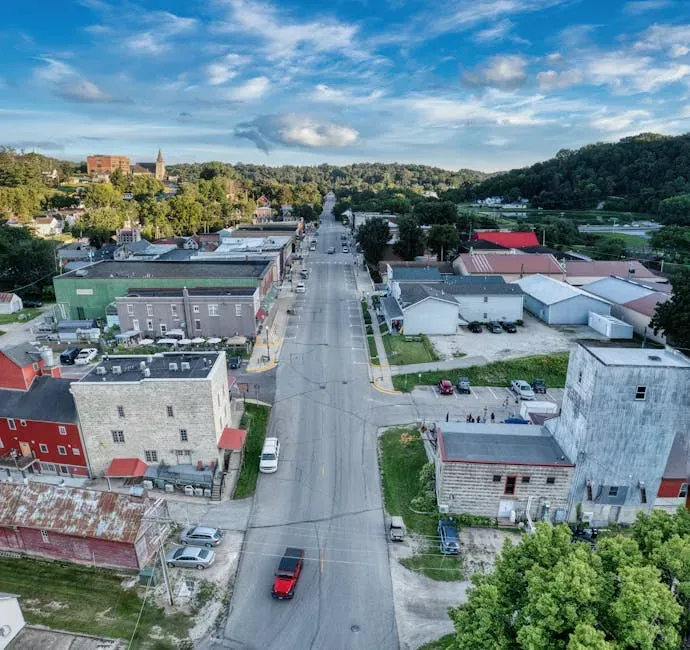
Young transplants, whether from South Dakota or South America, say the flip side of Minnesota Nice is an insular culture that keeps newcomers at a comfortable distance. For them, making friends and finding a sense of community can be daunting. This particular brand of social inaccessibility is especially disorienting because it's wrapped in warmth. People are pleasant, helpful, and genuinely kind. They just don't actually let you in.
Census figures show Minnesota has a higher share of homegrown residents than many other states, with roughly seven of every ten people in the state born in-state, compared to a national average closer to about six in ten. That homogeneity matters. It's really hard to connect with people whose social calendars were filled in elementary school and then onward. Good for those in the circle, not so good for those outside, whether transplants or people who simply didn't fit in from the start. Cities with similarly entrenched local-born social networks replicate this pattern across the country.
Geographically Isolated Communities
Geographically Isolated Communities (Image Credits: Unsplash)
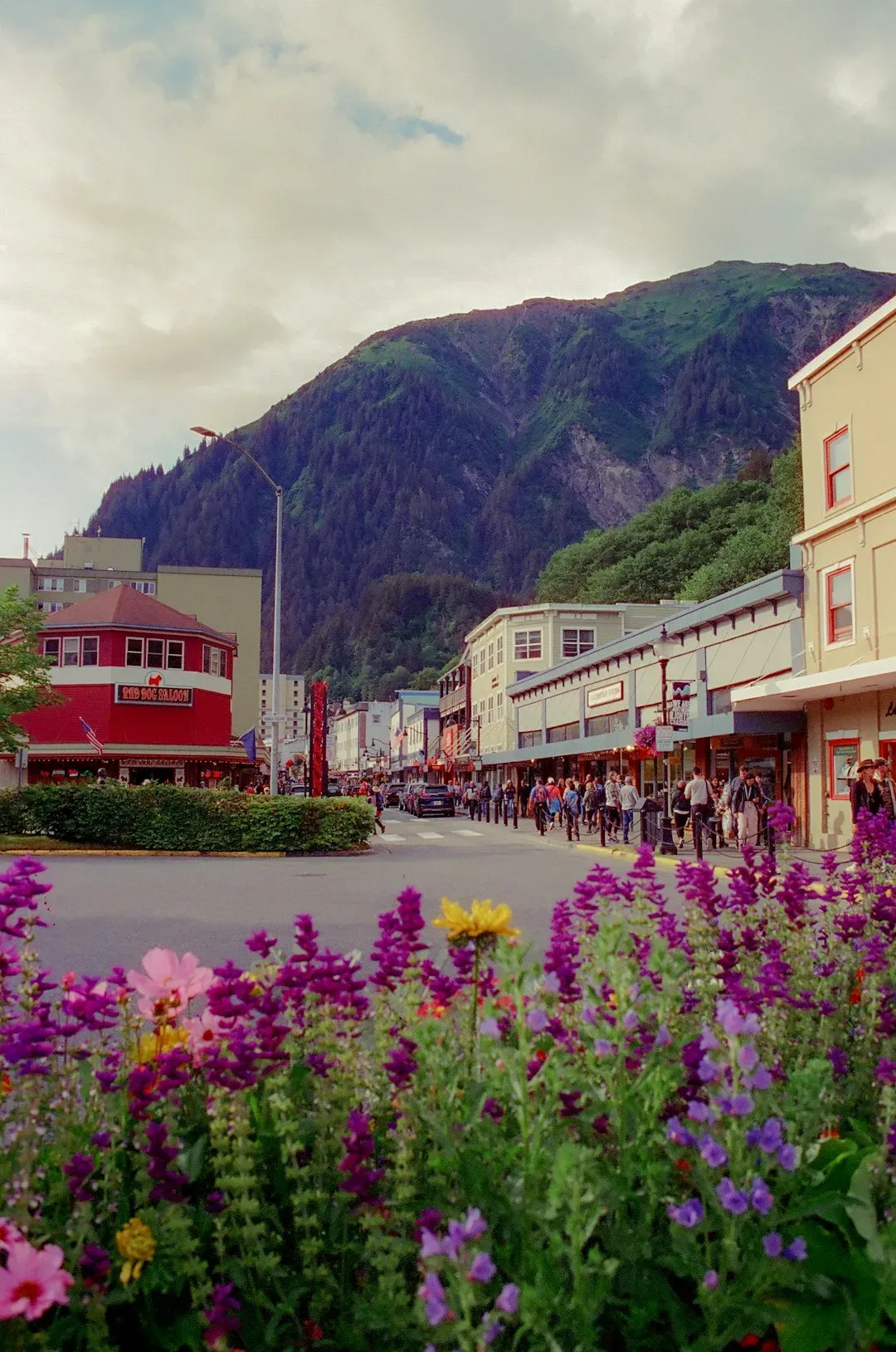
Whittier, Alaska, is one of the most uniquely insular towns in the United States. It's not that the people are mean; it's that the entire social structure is so extreme that it's almost impossible for an outsider to fit in. Nearly all of Whittier's two-hundred-plus residents live in a single, fourteen-story concrete building. This is an extreme case, but geography shapes social exclusion even in far less dramatic settings. When a community is physically cut off, whether by mountains, waterways, or a single access road, its residents develop profoundly self-reliant networks that have no structural need for newcomers.
Research has found that the fragmentation of social networks is significantly higher in towns where residential neighborhoods are divided by physical barriers such as rivers and railroads, and that towns where neighborhoods are relatively distant from the center and amenities are spatially concentrated are also more socially segregated. In places like McCarthy, Alaska, residents depend heavily on one another, which builds strong internal trust. Outsiders may feel like temporary observers rather than participants. Trust built on mutual survival is not easily extended to strangers.
Old-Money Enclaves and Inherited Status Communities
Old-Money Enclaves and Inherited Status Communities (Image Credits: Pexels)
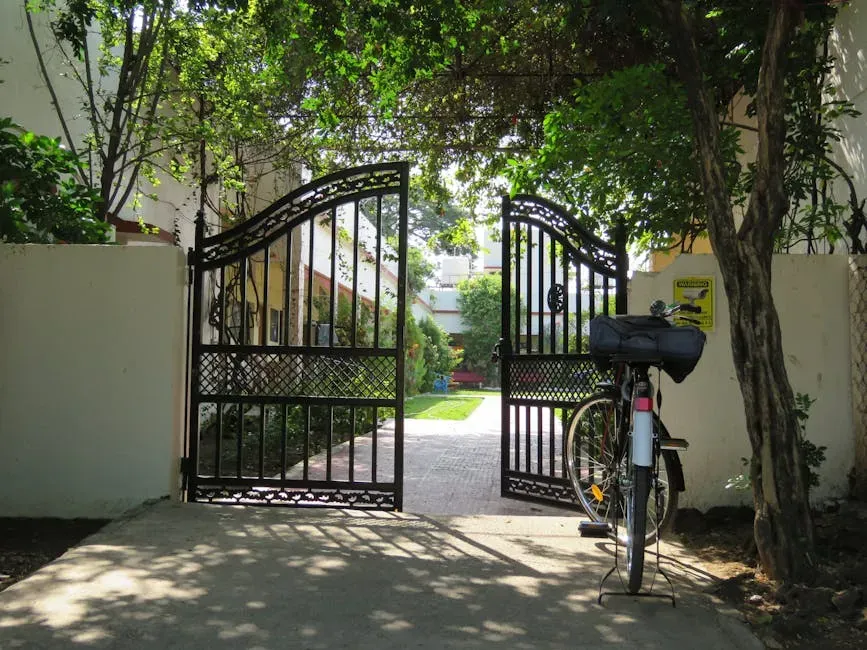
Promising to protect residents from crime as well as from fears of declining property values, gated and exclusive communities enable affluent residents to imagine that they can leave the unruly spaces of cities behind. The concentration of class and racial privilege in suburbs, fortressed enclaves, and private islands takes place alongside the spatial concentration of poverty in ghettos and barrios. In old-money communities specifically, newcomers face an additional layer of resistance: the social contract is written in family names, alma maters, and bloodlines, not income alone.
Many residents in exclusive communities want to show that they are part of the "winners" of the economic system and that they have good social networks. They also seek to distance themselves from people belonging to other social groups. Wealth alone won't buy you in. Discourses on community can be manipulated by residents to exclude and identify others, often with negative consequences, as these "purified communities" redefine community as an intensely private realm and reinforce the boundaries of social acceptability in narrow and discriminatory ways.
Ethnic Enclaves With Strong Internal Cohesion
Ethnic Enclaves With Strong Internal Cohesion (Image Credits: Unsplash)
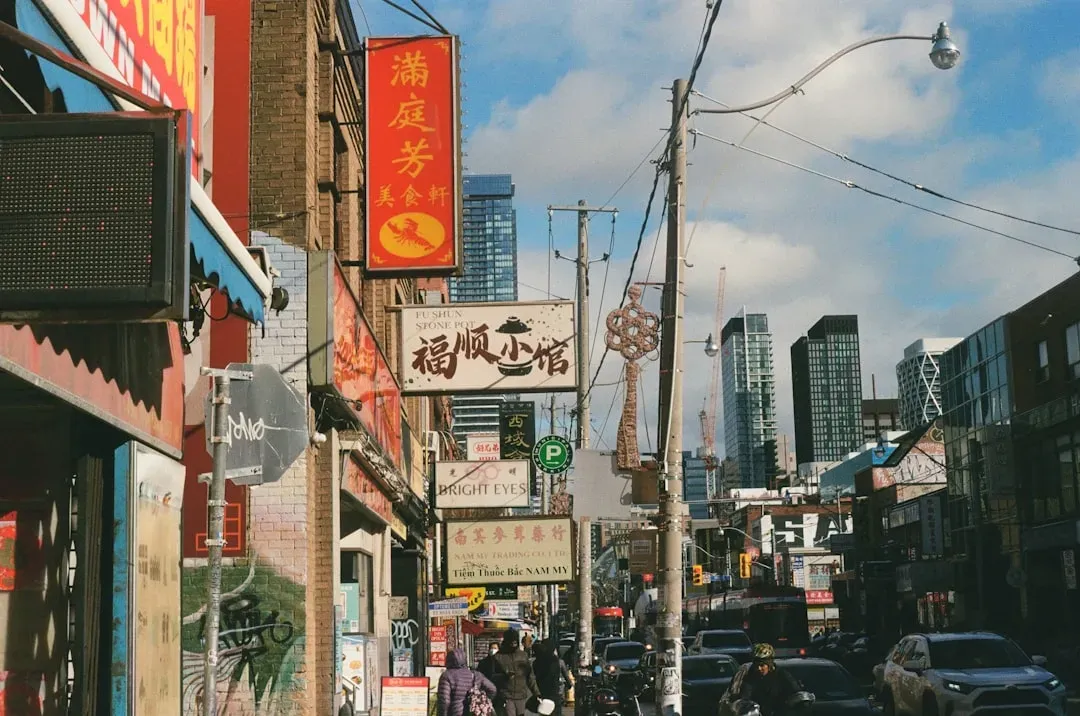
Historically, communities like Germantown, Chinatown, and Little Italy have emerged as strongholds of cultural identity, allowing immigrants to recreate familiar environments and establish economic networks. These communities serve an important and often lifesaving social function for their members. For outsiders, though, their internal cohesion is precisely what makes them so difficult to enter meaningfully. The bonds formed within them are shaped by shared language, religion, food, and memory, none of which can be borrowed or simulated.
Businesses within ethnic enclaves are generally owned and operated by community members, with many catering to their communities' particular tastes and needs. Inside the enclaves, discrimination often favored community members over outsiders because social norms sheltered the enclaves' housing, investment, and labor markets from outside competition. This "outsider" status can persist for generations, creating distinct communities that remain on the margins of broader urban life. The same dynamic operates in reverse: an outsider who moves into such a neighborhood may find that, despite physical proximity, full social inclusion remains just out of reach.
Appalachian and Rural Communities Shaped by Shared Hardship
Appalachian and Rural Communities Shaped by Shared Hardship (Image Credits: Unsplash)
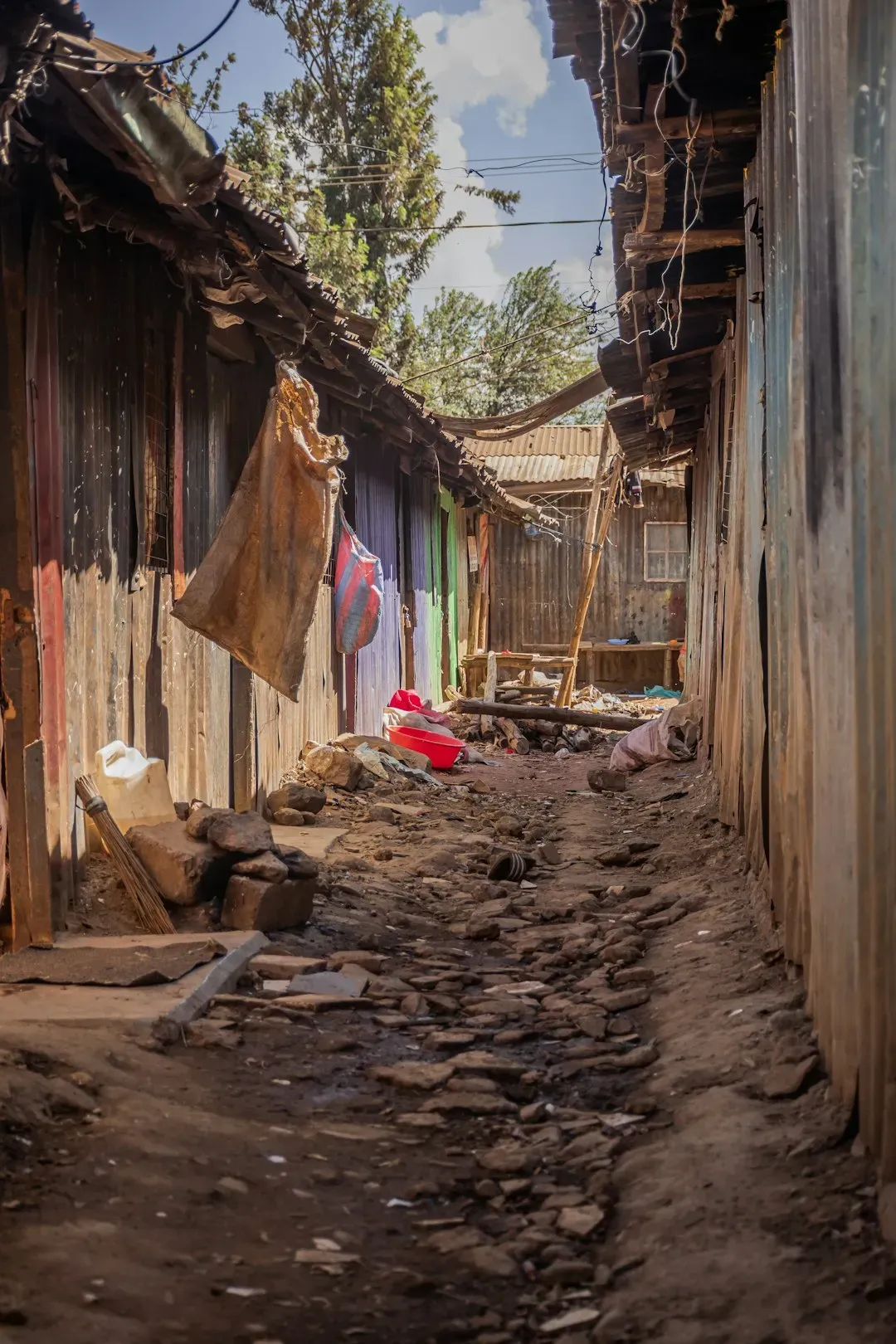
Certain small towns in Appalachian Kentucky remain deeply insular, where strong family ties and shared hardship shape local culture. Outsiders may feel invisible or cautiously observed rather than openly rejected. Respect, humility, and listening matter more than curiosity in these communities. Sociologists note that communities forged through collective economic struggle, whether the collapse of coal, textile mills, or manufacturing, tend to develop a fierce internal loyalty that functions as both protection and barrier.
Social isolation in these contexts is the crucial and causal element in recurring and extreme poverty, because it is the mechanism that establishes barriers to economic opportunity. The insularity isn't indifference for its own sake. Impoverished neighborhoods, which often rely on tightly knit local ties for economic and social support, develop powerful internal systems of trust. When decades of outside interference, from extractive industries to government policies, have repeatedly harmed a community, wariness toward newcomers is less a cultural quirk than a rational, deeply inherited response. Moving in with good intentions doesn't automatically dismantle that history.