
Economic uncertainty has a way of making people pay closer attention to where they live and work. With recession fears circulating in financial markets and hiring stagnating across parts of the country, the question of which American cities can genuinely hold their ground has become increasingly relevant. Economic uncertainty is something the world has navigated for several years, and while recession predictions have yet to fully materialize, some cities are far better poised to handle a downturn than others.
What separates a resilient city from a vulnerable one isn’t luck. It tends to come down to a combination of employment diversity, housing stability, GDP growth, and the kind of institutional anchors that keep money flowing even when broader conditions get rocky. The eleven cities below have repeatedly turned up in expert analyses, economic rankings, and research reports as places with strong fundamentals for the long haul.
1. Raleigh, North Carolina
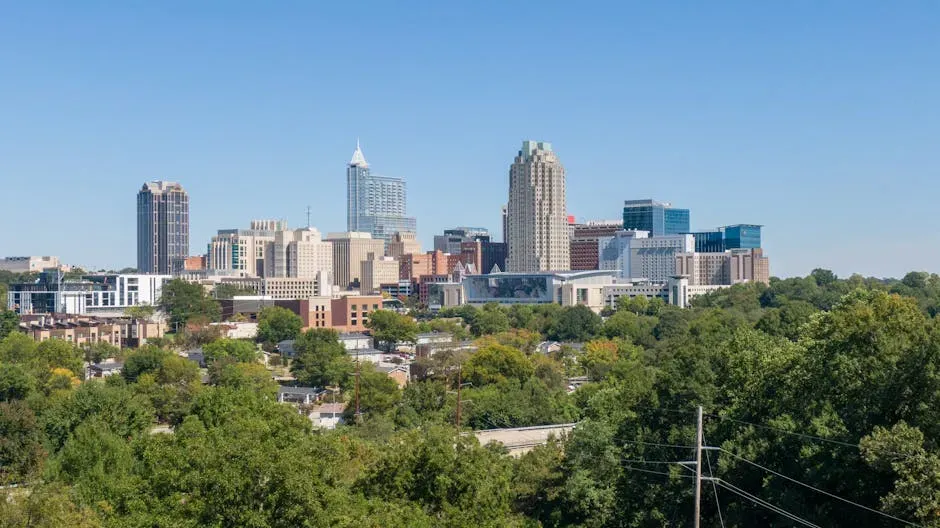
1. Raleigh, North Carolina (Image Credits: Pexels)
Raleigh, NC claimed the top spot as the best-performing large metropolitan area according to the 2025 Milken Institute Best-Performing Cities report, taking that position following two consecutive years of strong economic performance. The city's edge comes from its deep ties to research and technology. Raleigh tops the 2025 list of best cities for jobs and earning potential, driven by a strong tech and biotech presence, proximity to top-tier universities, and consistent population growth that offers a robust mix of high-wage opportunities and affordable living.
Raleigh is a major hub for technology and research, with Research Triangle Park contributing to its rapid growth and innovation-driven economy. In 2025, both North Carolina and Wake County continued to grow, maintaining a lower jobless rate than the nation while ranking high on attractive locations for new businesses. That combination of institutional research infrastructure and a competitive labor market keeps Raleigh well-insulated from the kind of single-sector shocks that flatten other metros.
2. Salt Lake City, Utah

2. Salt Lake City, Utah (Image Credits: Unsplash)
Salt Lake City earns its place near the top of recession resilience rankings thanks to an exceptionally low unemployment rate that sits more than one percent below the national average, a cost of living significantly lower than major metros, and a GDP growth rate that outpaces the U.S. as a whole. The city has also built a reputation as a hub for financial services, tech startups, and outdoor recreation industries, giving it uncommon economic diversity for a mid-sized metro.
The majority of people living in Salt Lake City don't appear to be facing significant financial hardship, with only a relatively small share of residents expressing low confidence about their upcoming housing security. Utah's broader fiscal discipline reinforces the city's resilience. As one national economist noted heading into early 2026, there was a sizeable amount of economic momentum in Utah, with recession fears that had loomed in mid-2025 seeming far away by year's end.
3. Austin, Texas
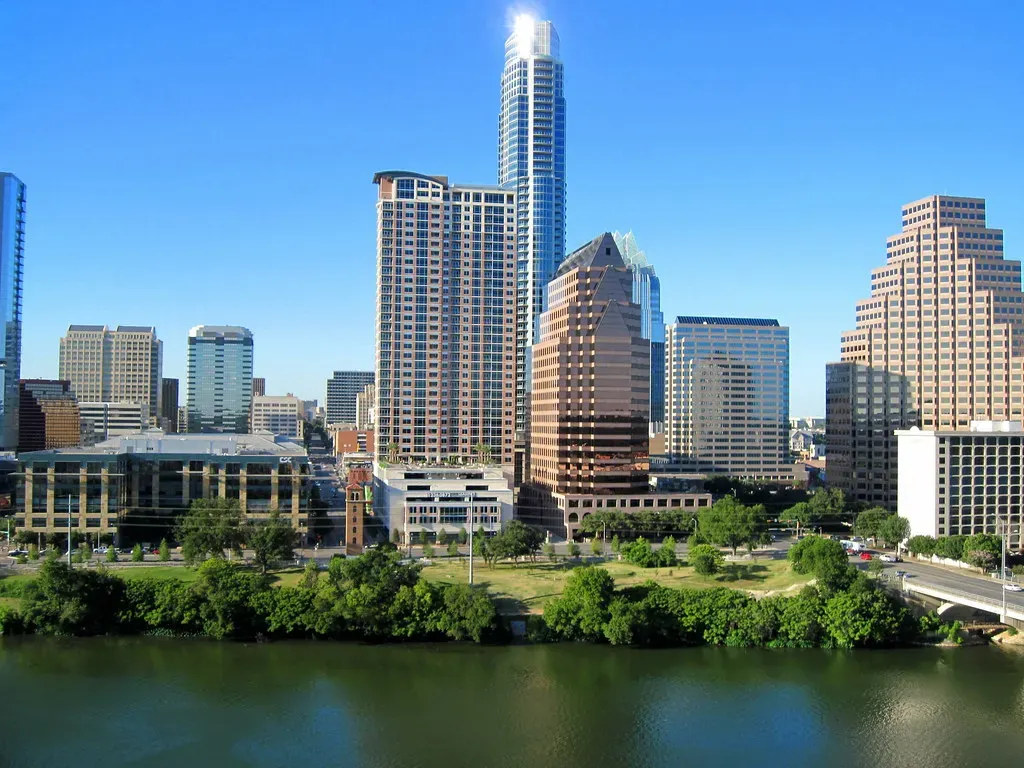
3. Austin, Texas (StuSeeger, Flickr, <a href="https://creativecommons.org/licenses/by/2.0/" target="_blank" rel="noopener">CC BY 2.0</a>)
Austin claims the top spot among large cities in CoworkingCafe's growth analysis with a remarkable surge in gross domestic product fueled by rapid job creation in tech, manufacturing, and professional services, while also seeing meaningful increases in housing stock and educational attainment. Even as big tech hiring cooled somewhat in recent years, the city's multi-sector foundation has kept it competitive. Austin was one of a very few U.S. cities that actually lowered housing costs in 2024 by fostering a multi-year apartment-building boom, and those homebuilding efforts helped rein in the cost of living for residents and polished the metro's reputation for prospective transplants.
Major developments like Project Connect, a voter-approved transit overhaul, signal serious long-term infrastructure commitment, and while some cooling is evident in big tech hiring and housing demand, Austin's multi-sector growth makes it a standout leader. Texas as a state also provides a favorable fiscal backdrop. Texas is the only Sunbelt state to crack the top tier of recession-readiness rankings, with a budget flush with government reserves and a construction boom that has led to relatively more affordable housing despite significant population growth.
4. Minneapolis, Minnesota

4. Minneapolis, Minnesota (Image Credits: Unsplash)
Minneapolis is a city where a steady economy keeps paying dividends. Its unemployment rate holds low, it's considerably cheaper to live there than in major coastal cities, and residents have some of the strongest confidence in housing security in the entire country. The metro is anchored by a dense concentration of Fortune 500 companies, a well-regarded healthcare system, and a financial services sector that provides durable employment even in downturns.
Minnesota has retained its position in the top tier of recession-readiness rankings in both 2023 and 2025 national studies. The state's safety net and diversified industrial base give Minneapolis a cushion that many peer cities simply lack. It's not a glamorous growth story, but steady and consistent often wins when economic conditions deteriorate.
5. Nashville, Tennessee
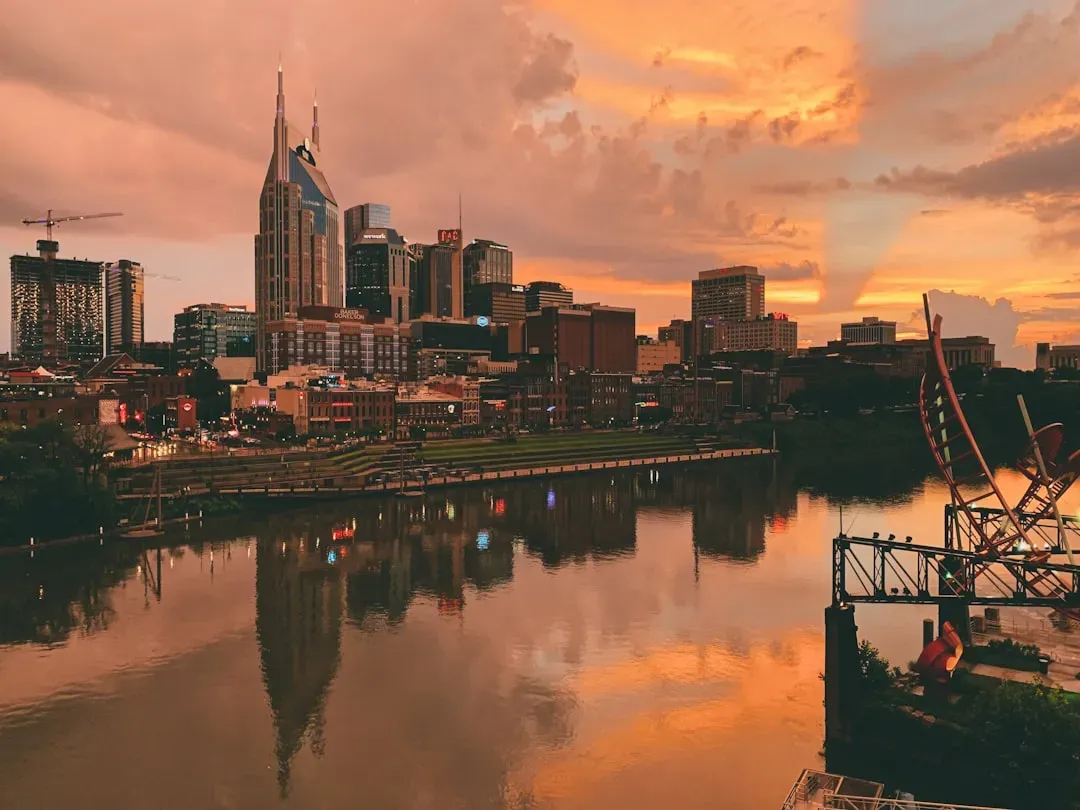
5. Nashville, Tennessee (Image Credits: Unsplash)
Nashville continues to thrive as a healthcare and entertainment capital, with a strong startup ecosystem and cultural draw that appeals to young professionals. That combination has translated into one of the most consistent population growth stories in the country. Nashville remains one of the fastest-growing markets in the nation, with strong residential demand and a business environment that drew dozens of new residents every single day throughout 2023.
Healthcare is the quiet backbone of Nashville's economy. The city is home to a remarkable concentration of hospital management companies and healthcare service firms, which tend to hold up well regardless of broader economic cycles. The Conference Board's consumer survey data also places residents in the Tennessee region among the most optimistic in the country about the economic outlook. That optimism isn't unfounded given the underlying job fundamentals.
6. Huntsville, Alabama
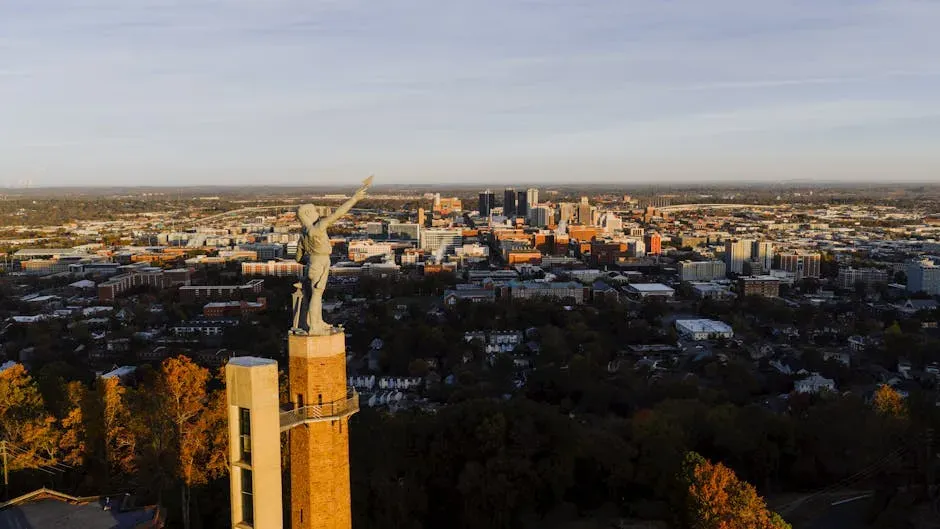
6. Huntsville, Alabama (Image Credits: Pexels)
The Huntsville metro area maintains a growing dynamic economy that outpaces the U.S. in both population and employment growth, and has been rated by Moody's as one of the top-performing economies in the country, with a workforce concentrated in aerospace and defense, information technology, advanced manufacturing, and bioscience. That defense-heavy foundation is one of the most recession-resistant economic drivers that exists: federal defense contracts tend to flow regardless of private-sector conditions.
The U.S. Army and NASA maintain a remarkable presence in Huntsville, and major employers including Meta, Toyota, and several research parks have created substantial career opportunities for the local workforce. The city has quietly transformed itself from a narrow government-dependent economy into a diversified tech and science hub that continues to attract national attention from site selectors and economic development analysts.
7. Charlotte, North Carolina
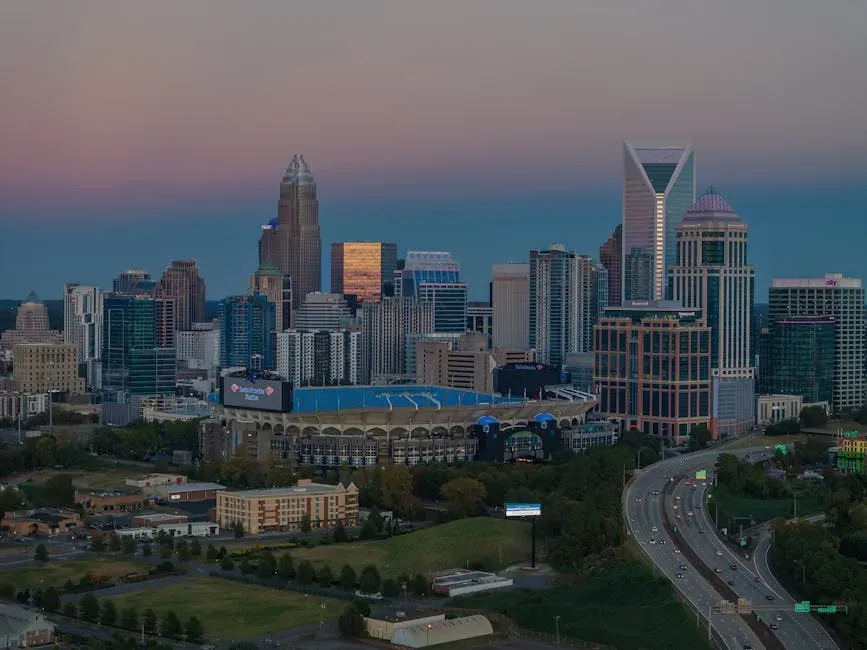
7. Charlotte, North Carolina (Image Credits: Pexels)
Charlotte is a major financial hub, home to Bank of America's headquarters and the second-largest banking center in the United States after New York City. That institutional scale gives the city a structural weight that insulates it against many types of economic shocks. Charlotte continues to shine as a financial powerhouse, seeing sustained growth in fintech, healthcare, and business services, drawing in a wave of young professionals.
Bank of America, Truist Financial, and Wells Fargo are among the economically significant employers alongside Duke Energy and other major corporate presences, and the city hosts headquarters or eastern operations units of several Fortune 500 companies. The city has faced some short-term pressure in housing permits, but its long-term trajectory and institutional depth keep it firmly on the resilience list.
8. Pittsburgh, Pennsylvania
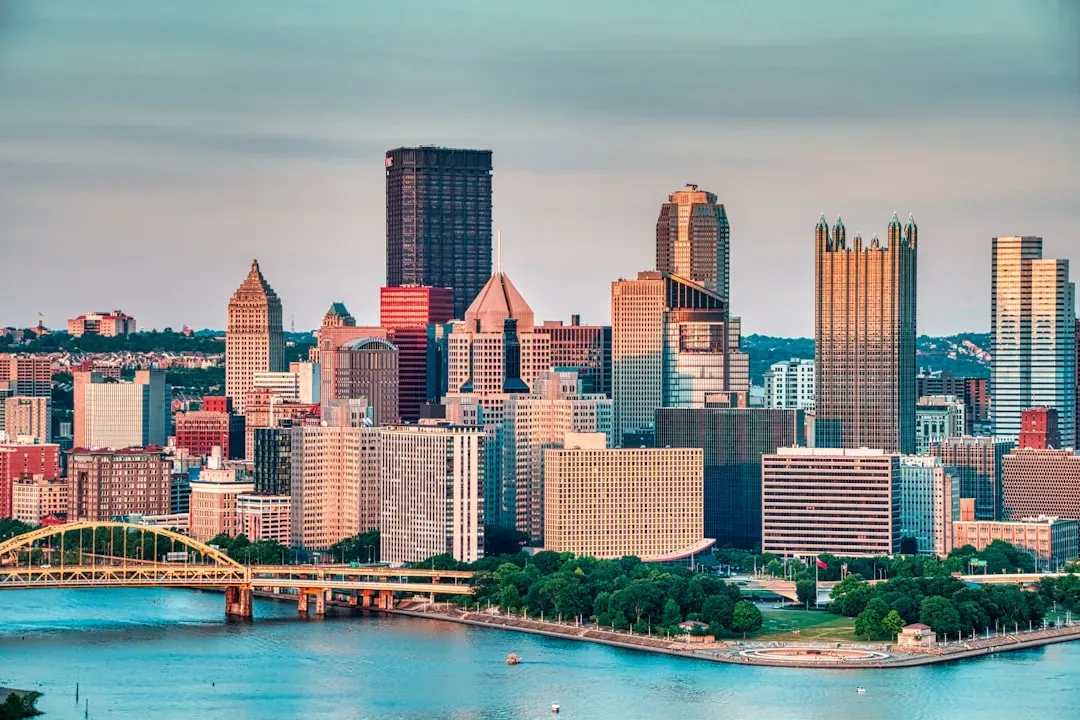
8. Pittsburgh, Pennsylvania (Image Credits: Unsplash)
Pittsburgh earns its place on recession resilience rankings largely thanks to a consistently low unemployment rate, and its low housing confidence figures still rank within the top tier of strong confidence among U.S. cities analyzed. What once defined Pittsburgh as a steel city has transformed dramatically over decades. Today the city is anchored by a thriving medical research sector, several world-class universities, and a growing technology corridor built around Carnegie Mellon University's robotics and AI programs.
The cost of living in Pittsburgh is notably low by national standards, which means workers can stretch their earnings further during difficult periods. That affordability also attracts employers looking to set up operations without the overhead costs of coastal metros. When a city pairs strong institutional employers with low costs, it creates a kind of economic buffer that pure growth cities rarely have.
9. Richmond, Virginia

9. Richmond, Virginia (Image Credits: Pexels)
Richmond, Virginia stands out with an exceptionally low unemployment rate and one of the lowest costs of living among the cities researchers surveyed, costing more than thirty percent less than New York City, while still maintaining steady economic activity. The city benefits from its proximity to Washington, D.C. without carrying the cost burden of the broader D.C. metro area. Government contracting, financial services, and a growing healthcare industry all contribute to Richmond's stable employment picture.
Virginia has historically been one of the stronger fiscal states in the country, and Richmond's economy reflects that stability. The city has seen renewed interest from businesses seeking mid-Atlantic presence with lower operational costs. Its manageable size also means that economic dislocations, when they happen, tend to be contained rather than cascading across an oversized labor market.
10. Jacksonville, Florida

10. Jacksonville, Florida (Image Credits: Unsplash)
Jacksonville stands out with a strong population increase, robust trade through JAXPORT, and a significant GDP boost, with major infrastructure upgrades preparing it for long-term scalability. Unlike many Florida metros that carry high housing vulnerability and relatively weak labor market buffers, Jacksonville has built a more diversified base including defense, logistics, financial services, and healthcare. Its deep-water port is a genuine long-term asset.
Population growth is one of Jacksonville's clearest signals of economic health. Between 2020 and 2024, more than two and a half million Americans moved to southern states, with Florida among the leaders in total population growth, reshaping regional economies significantly. Jacksonville has captured a meaningful share of that migration while adding the infrastructure to absorb it sustainably, which is more than can be said for some of its Florida peers.
11. Overland Park, Kansas
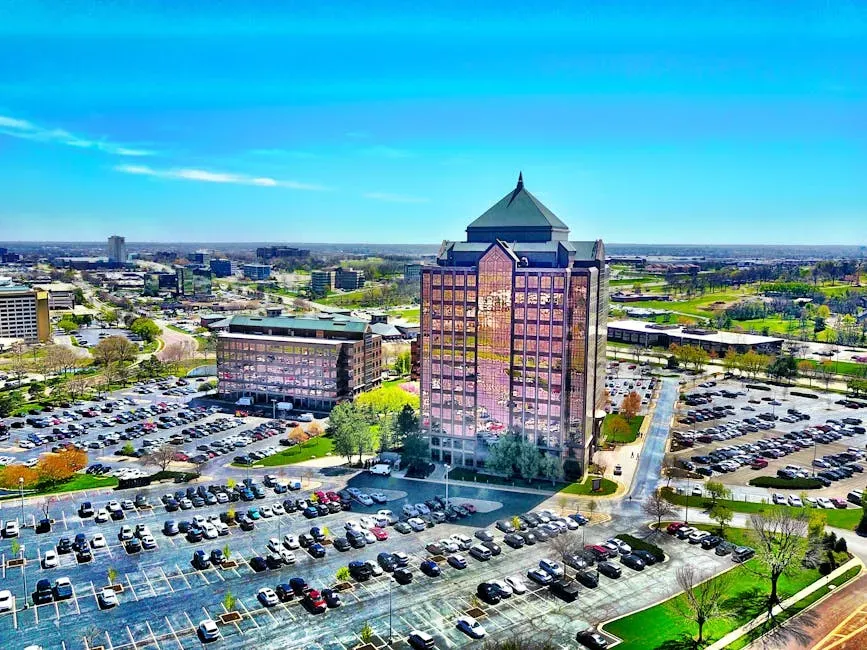
11. Overland Park, Kansas (Image Credits: Pexels)
Overland Park scores well across housing, social assistance, and economic stability categories, ranking high for labor force participation and posting a very low percentage of residents below the poverty level, with less than two percent of households relying on social assistance. This Kansas City suburb may lack the flashy profile of Sun Belt boomtowns, but its fundamentals are quietly exceptional. The city has attracted a steady stream of corporate relocations drawn by its affordable real estate and skilled workforce.
Overland Park specifically ranks high in economic stability, with a strong labor force participation rate and one of the lowest poverty percentages in the national study, further supported by minimal household dependence on government assistance. In an economic climate where resilience often matters more than peak growth, Overland Park's combination of fiscal discipline, affordable housing, and low poverty rates makes it one of the more underrated names on any serious recession-resistant list.
What ties these eleven cities together isn't any single factor. It's a layering of strengths: institutional anchors, economic diversity, workforce quality, and housing markets that don't collapse at the first sign of stress. The Milken Institute's 2026 Best-Performing Cities report ranks U.S. cities based on labor market strength, high-tech sector growth, housing affordability, and access to economic opportunity, and the metros on this list consistently perform well across more than one of those dimensions. In an era when the national economy can pivot quickly, that kind of depth tends to be worth more than any single growth metric on a chart.