
Before most people have children, they carry a mental picture of what parenting will look like. Some of those images come from their own upbringing, others from books, friends, or the highly curated version of family life that social media tends to project. The picture is almost never accurate. It’s not that the advice given was entirely wrong. It’s that the lived experience of raising a child has a way of quietly dismantling even the most carefully prepared expectations.
The gap between what we were told and what actually unfolded isn’t a failure of preparation. It’s simply the nature of parenthood. Parenting is a dynamic journey that shifts and reshapes with each generation and every new discovery about how children grow and thrive. It’s not a static rulebook passed down unchanged through time. What may have been common practice for our parents or grandparents, or even what was popular just a few years ago, might not stand up to current research or align with our evolving understanding of child development. Here are eleven things that caught even the most prepared parents genuinely off guard.
1. "Sleep When the Baby Sleeps" Is Harder Than It Sounds
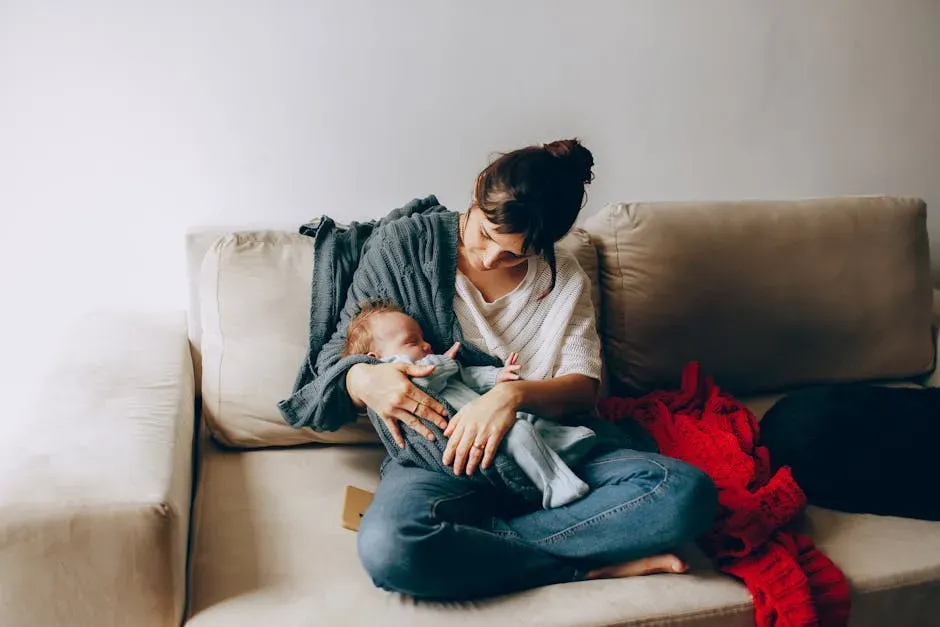
1. "Sleep When the Baby Sleeps" Is Harder Than It Sounds (Image Credits: Pexels)
Nearly every new parent hears this advice, and nearly every new parent discovers how maddeningly difficult it is to follow. The reality of infant sleep isn't just about being tired. It rewires your entire nervous system. Parents, on average, lose three hours of sleep per night during a baby's first year, contributing to feelings of exhaustion and overwhelming worry about their child's health.
The effects accumulate in ways that go well beyond yawning. More than seven in ten parents get insufficient sleep three or more nights a week, and eight in ten parents feel heightened parenting stress or guilt when sleep deprived. What nobody warns you about is how deeply sleep loss affects your ability to stay calm, think clearly, and be the parent you intended to be, even on ordinary days.
2. The "Terrible Twos" Are Just the Opening Act

2. The "Terrible Twos" Are Just the Opening Act (Image Credits: Pexels)
Parents brace themselves for age two. Toddler tantrums, meltdowns in the grocery store, the dramatic refusal of anything reasonable. What they don't expect is that age three can be significantly more intense. Many parents find that the emotional volatility of a three-year-old eclipses everything that came before it.
This actually makes developmental sense. Toddlers at two are still largely driven by immediate impulse, but three-year-olds are beginning to test autonomy in a more deliberate way. The expectation is polite children who listen the first time, share without fuss, and never cause a scene in public. The reality is that children are human, messy, loud, and full of emotions they don't always know how to handle. Tantrums, backtalk, sibling fights, and spilled juice are all part of the package.
3. Strict Discipline Does Not Build the Resilience We Were Promised

3. Strict Discipline Does Not Build the Resilience We Were Promised (Image Credits: Pixabay)
A lot of parents were raised with the idea that firmness, strict rules, and consistent consequences would produce disciplined, resilient children. Research tells a more complicated story. The idea that strict discipline builds resilience is a popular myth, but research shows it can do more harm than good. Harsh parenting, including excessive criticism or punitive measures, typically leads to low self-esteem, anxiety, and difficulties with emotional regulation. Research suggests that children who have overly strict or authoritarian parents are more likely to develop behavioral issues and struggle with healthy relationships later in life.
Resilience isn't born from fear. It grows in an environment where children feel supported and understood, even when they make mistakes. Tough love might seem effective in the short term, but long-term character is built through a combination of structure and loving support. That's a meaningful shift from what many parents absorbed growing up.
4. Praising Your Child Too Much Can Actually Backfire

4. Praising Your Child Too Much Can Actually Backfire (Image Credits: Pexels)
Most parents were told that encouragement builds confidence, and they went into parenthood ready to be generous with praise. That instinct isn't wrong, but the type of praise matters enormously. Praising your child seems like a no-brainer, but too much praise, or the wrong kind, can backfire. Research by psychologist Carol Dweck shows that outcome-focused praise like "You're so smart" may lead kids to fear failure and avoid challenges. They might begin to associate their value with achievement, which creates pressure to always perform perfectly.
The surprise isn't that praise is harmful. It's that the form it takes shapes how children respond to difficulty. Praising effort and process rather than natural ability tends to build a mindset that is far more durable in the long run. Most parents only discover this distinction after they've already established a pattern.
5. Babies Don't Cry to Manipulate You

5. Babies Don't Cry to Manipulate You (Image Credits: Pexels)
Plenty of new parents walk into the first months half-expecting to be tested by a tiny, calculating adversary. Older relatives sometimes reinforce this, cautioning against "spoiling" a newborn by picking them up too often. The science disagrees clearly. The notion that babies cry to manipulate their caregivers seriously needs to go. Babies lack the cognitive ability for complex, manipulative thought. They're simply using the tools they have, which is crying, to communicate their needs, whether it's hunger, discomfort, or the desire for connection.
Research on attachment theory shows that consistently responding to a baby's cries fosters a secure attachment, which lays the foundation for emotional resilience and trust later in life. Ignoring a baby's cries in an attempt to "teach independence" doesn't help them develop autonomy. Responding is not spoiling. It is, as it turns out, some of the most foundational parenting work there is.
6. A Packed Schedule Does Not Equal a Thriving Child

6. A Packed Schedule Does Not Equal a Thriving Child (Image Credits: Pixabay)
Somewhere along the way, the idea took root that a good parent fills every available afternoon with structured enrichment. Music lessons, sports leagues, coding camps, tutoring. The calendar becomes a project. The belief that a jam-packed schedule guarantees a bright future is a common parenting myth. While extracurriculars can enrich a child's life, overloading their calendars can lead to stress and burnout. Research shows that unstructured time is important for fostering creativity, problem-solving skills, and emotional well-being. Downtime is also critical for cognitive development, as it allows kids to process emotions and build resilience.
When every moment is accounted for, children miss the opportunity to explore their interests, recharge, and develop independence. Overscheduled kids may excel in the short term but risk growing up to associate productivity with self-worth, a mindset that can contribute to anxiety and burnout in adulthood. Boredom, it turns out, has underrated developmental value.
7. Physical Punishment Does Not Work the Way Parents Were Led to Believe

7. Physical Punishment Does Not Work the Way Parents Were Led to Believe (Image Credits: Unsplash)
Many parents who received physical discipline as children simply assumed they would pass that approach on, because it was framed as normal and effective. Research has steadily eroded that assumption. This is one of the myths that has lost the most ground with pediatric experts. The American Academy of Pediatrics says parents and caregivers should not spank or hit children because spanking often increases aggression and anger and can teach that hurting someone is an acceptable response to frustration.
A comprehensive NYU study analyzing 195 studies across 92 low- and middle-income countries concluded that physical punishment leads to exclusively negative outcomes for children. Crucially, this research debunks the "cultural normativeness hypothesis," which suggested that physical punishment might have different, less harmful effects in cultures where it is more common. The findings indicate that the negative impacts are universal. That's a striking finding that cuts across geography and tradition.
8. Parenting Books Will Not Prepare You for Your Specific Child

8. Parenting Books Will Not Prepare You for Your Specific Child (Image Credits: Pexels)
There's enormous comfort in the idea that the right book holds all the answers. New parents devour parenting literature looking for a roadmap, and the books do contain useful information. The problem is that they describe general tendencies, not individual children. There is a ton of helpful information in parenting books, but where they lack is in emphasizing that every baby is different. There might be things in those books that apply to "most" babies, but that doesn't mean all.
Every parent eventually discovers a moment where the approach that "always works" simply doesn't. It's a common misconception that age is the sole determining factor for a child's readiness to tackle new milestones. Every child develops at their own pace, and readiness depends on a combination of factors, including physical, cognitive, and emotional development. Paying close attention to your child's unique abilities and temperament is the more reliable guide. The book is a starting point, not a script.
9. Parenting Is Hard on Your Relationship in Ways Nobody Mentions

9. Parenting Is Hard on Your Relationship in Ways Nobody Mentions (Image Credits: Unsplash)
The romantic narrative around starting a family suggests that a baby will bring two people closer together. That can happen, and it does for many couples. What tends to get left out of the conversation is the period of genuine strain that often precedes any deeper bond. The expectation that having a baby will automatically bring you closer together is rather unrealistic. Exhaustion, a crying baby, trying to figure things out as you go, and new financial responsibilities do not exactly lend themselves to a romantic environment.
It takes open communication, having hard conversations, compromise, and honestly time to help create the relationship you want after kids. Knowing that some friction is a normal part of this transition, rather than a sign that something is broken, can make a real difference in how couples navigate those early years together.
10. Parental Stress Is More Widespread and More Serious Than Anyone Admits

10. Parental Stress Is More Widespread and More Serious Than Anyone Admits (Image Credits: Pexels)
There's a social script that says parenting is tiring but joyful, and that to express real distress is somehow a sign of inadequacy. The data paints a much more candid picture. According to the U.S. Surgeon General's 2024 advisory, roughly one third of parents reported feeling high stress in the past month, and nearly half said their stress was completely overwhelming most days.
According to a recent Pew survey, seven in ten parents believe that parenting is more difficult now than it was 20 years ago. Research does demonstrate, however, that each generation of parents tends to perceive their experience of parenting as more difficult than the generation before them. The feeling of being overwhelmed is real, and it's more common than the polished version of parenthood that circulates publicly would ever suggest.
11. "Good Enough" Parenting Is Not a Compromise. It's the Goal.

11. "Good Enough" Parenting Is Not a Compromise. It's the Goal. (Image Credits: Unsplash)
One of the most persistent and quietly damaging myths in modern parenting is the idea that perfection is achievable, and that anything less represents failure. Social media amplified this enormously. Parents scroll past immaculate lunchboxes, elaborate bedtime routines, and children who appear perpetually well-regulated, and quietly measure themselves against an impossible benchmark. If parents are conditioned to believe that every single decision may adversely impact their children, the public nature of modern parenting exacerbates this concern. In a world where different parenting approaches are battling it out on social media, caregivers may be left to believe there is only one correct way to do things.
The increasing emphasis on concepts like "good enough" parenting and the acknowledgment of parental exhaustion with overly demanding interpretations of styles like "gentle parenting" signal a crucial and healthy shift. This evolution challenges the pervasive myth of the "perfect parent" and underscores the importance of parental well-being as a prerequisite for effective, sustainable parenting. The parents who show up consistently, repair after mistakes, and stay genuinely engaged tend to produce the outcomes the parenting books are actually chasing. That version of good enough has always been more than enough.
Most of the surprises parenting delivers aren't catastrophes. They're recalibrations. The picture we carry beforehand is built from secondhand information, cultural narratives, and what we think we remember from being children ourselves. Real parenting is messier, harder in unexpected places, and in other ways far more ordinary than the mythology suggests. A Pew Research survey found that roughly four in ten U.S. parents say they are trying to raise their children differently from how they were raised, nearly the same share as those trying to raise them similarly. That tension between inheritance and intention is, in many ways, the truest summary of what parenting actually is.