
My mom doesn’t talk about the 1970s the way people talk about history. She talks about it the way people talk about somewhere they’d go back to if they could. Not because everything was better, but because the street she grew up on had a kind of texture that’s genuinely hard to find now. People knew each other. Kids wandered. Neighbors showed up uninvited and that was fine, actually welcomed.
She recently sat down and listed seven things that were just part of life back then. None of them were organized events or community programs. They were simply habits, casual and unspoken, that shaped what a neighborhood felt like. Looking at them now, it’s hard not to notice how much has quietly slipped away.
1. Sitting on the Front Porch Every Evening
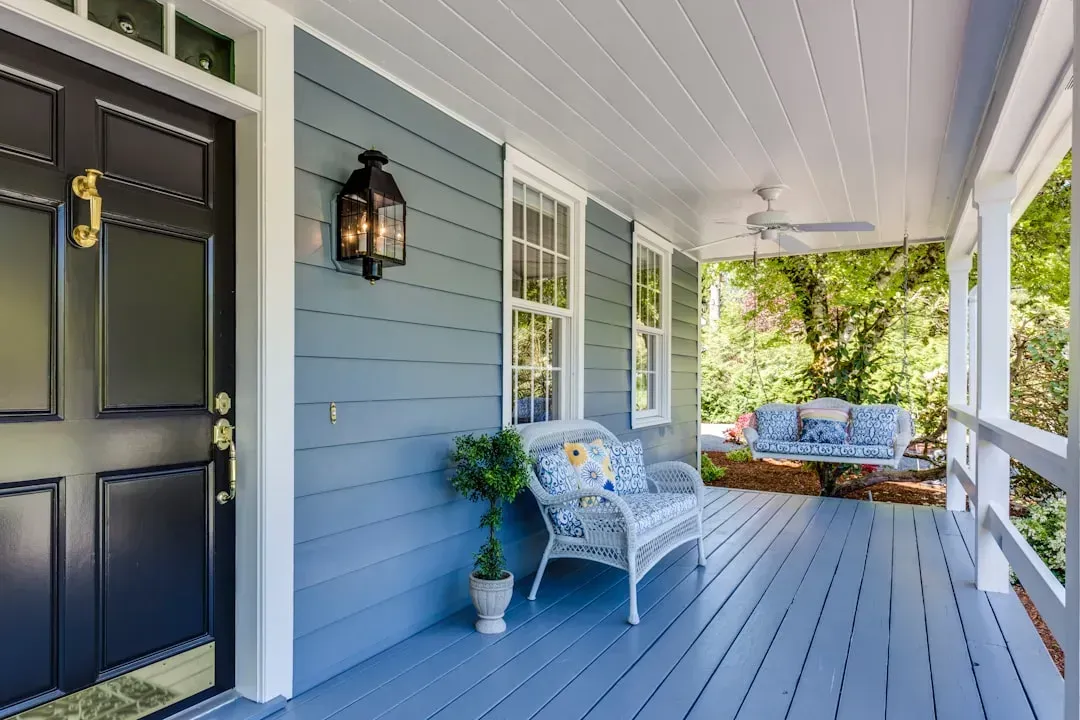
1. Sitting on the Front Porch Every Evening (Image Credits: Unsplash)
There was a time when the front porch was more than an architectural feature. It was an invitation, a place where grandparents rocked slowly in the evening breeze, where kids licked melting popsicles, and where neighbors waved without needing a reason. My mom’s street had a row of houses where someone was almost always outside by late afternoon. You didn’t need a phone call. You just walked over.
The porch was both private and public, a liminal space where boundaries softened. It wasn’t a formal invitation, but if you saw someone rocking on their porch, you knew it was okay to say hello. It was a natural generator of trust, the kind that can’t be replicated by neighborhood Facebook groups. Air conditioning eventually made indoor spaces more comfortable, and cars and attached garages reduced the need to linger outside or interact with neighbors. The ritual faded quietly, almost without anyone noticing.
2. The Summer Block Party
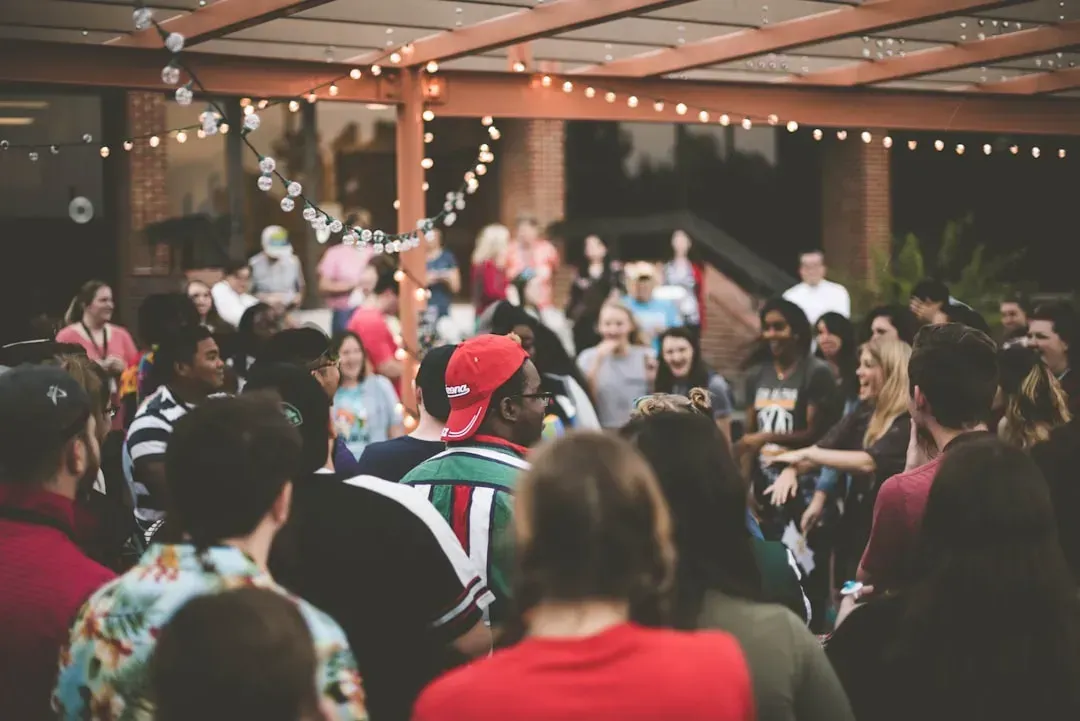
2. The Summer Block Party (Image Credits: Unsplash)
It was not until the 1960s and 1970s that block parties became a regular occurrence in many neighborhoods across the United States. The early block parties were often held in inner-city neighborhoods and were seen as a way for communities to come together in the face of economic and social challenges. On my mom’s block, the street would close off for a Saturday afternoon every July, and people would drag their grills and card tables out to the asphalt like it was the most natural thing in the world.
A block party is a gathering in which many members of a single community congregate, either to observe an event of some importance or simply for mutual solidarity and enjoyment. The name comes from the form of the party, which often involves closing an entire city block to vehicle traffic. Many times, there would be a celebration in the form of playing music, games, dance, and activities with food such as barbecues. Block parties are a way for people to connect with their neighbors and build a sense of community. In many neighborhoods, block parties are an important tradition that brings people together and creates a sense of belonging.
3. Kids Roaming the Neighborhood Until Dark
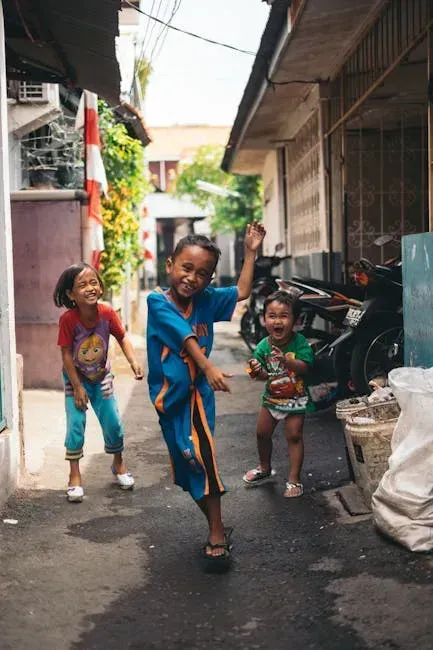
3. Kids Roaming the Neighborhood Until Dark (Image Credits: Pexels)
Environmental and developmental psychologist Roger Hart, who mapped how and where children spent their unsupervised time in one Vermont community in the mid-1970s and again 35 and 40 years later, found a significant reduction in the children’s zones of play, even though the community had the same demographics and crime rate as it did in the ’70s. My mom remembers leaving after breakfast and coming home when the streetlights came on. Nobody tracked her. Nobody worried.
Since the 1970s, the area in which children roam without adults has decreased by almost 90 percent. That number is striking when you sit with it. Children playing freely within the neighborhood visually signaled and represented an underlying culture of safety, trust, and support among neighbors. The streets were full of kids precisely because adults trusted one another enough to let them be full.
4. Borrowing From Neighbors Without Ceremony
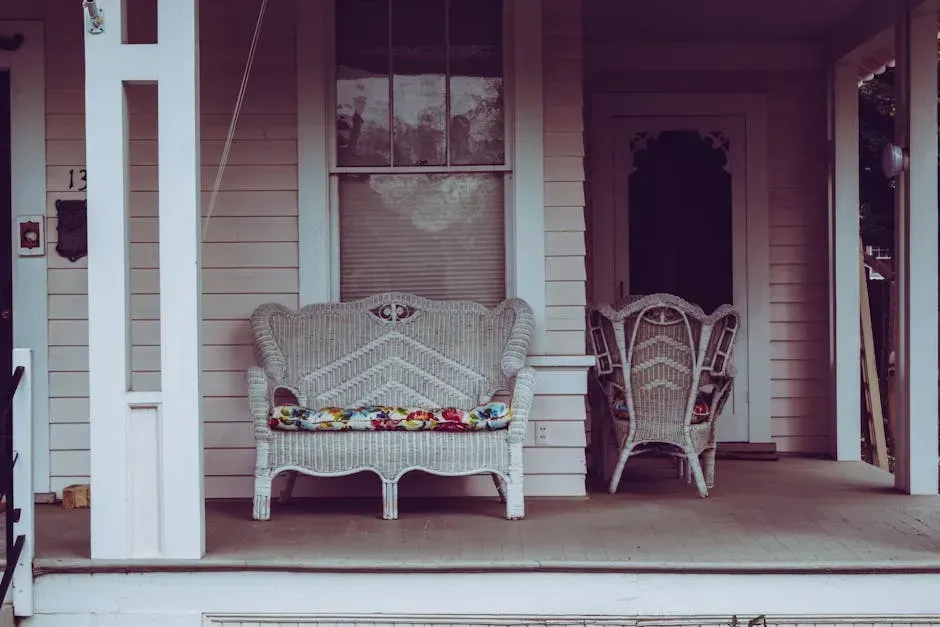
4. Borrowing From Neighbors Without Ceremony (Image Credits: Pexels)
There was no embarrassment involved in knocking on a neighbor’s door to ask for a cup of sugar or a garden hose. Small towns and close-knit neighborhoods often held tightly to traditions that had been passed down for generations. To locals, these customs felt ordinary and meaningful. Borrowing wasn’t charity or inconvenience. It was just how things worked, a rhythm built on the assumption that you’d return the favor someday, probably before anyone even thought to ask.
Porches and shared front spaces once acted as informal gathering spots where trust developed naturally through repeated, low-effort interactions. Neighbors could share small conversations, observe daily rhythms, and build familiarity without formal planning. The borrowing tradition was an extension of that same ease. It required proximity and mutual goodwill, both of which the neighborhood supplied without effort.
5. The Neighborhood Potluck
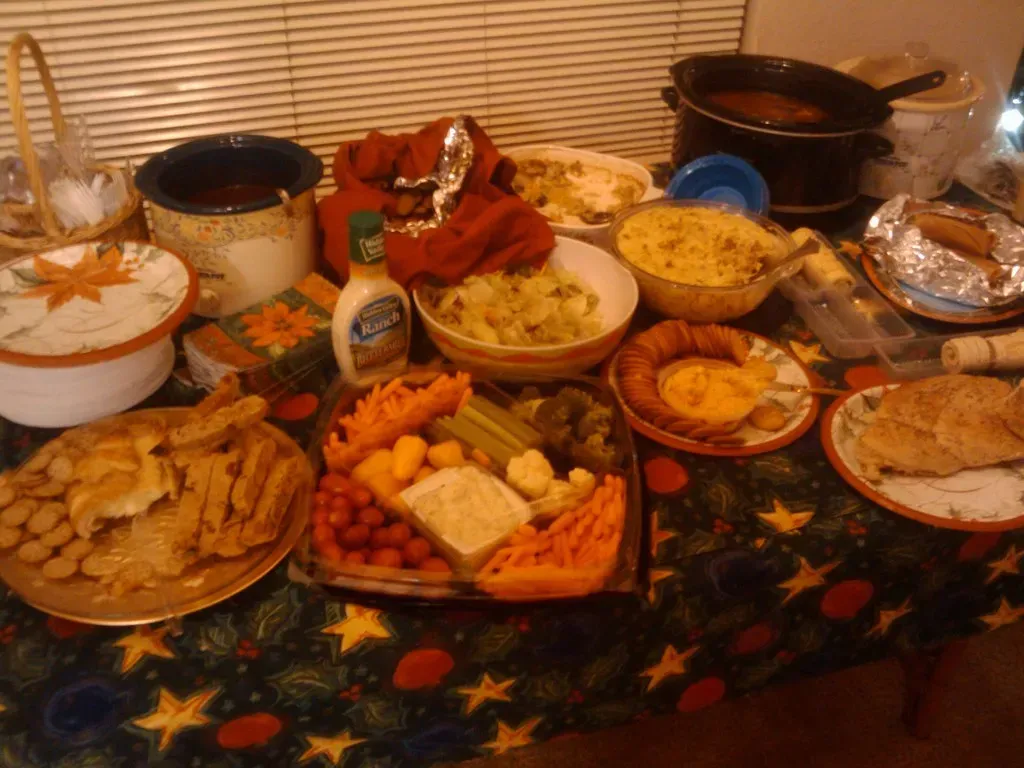
5. The Neighborhood Potluck (colmmcsky, Flickr, <a href="https://creativecommons.org/licenses/by-sa/2.0/" target="_blank" rel="noopener">CC BY-SA 2.0</a>)
Community potlucks were a frequent feature of church gatherings, school fundraisers, and town meetings across many American communities. Visitors sometimes arrived expecting a catered meal, only to discover long tables filled with homemade casseroles, salads, desserts, and slow-cooked dishes prepared by residents. My mom says hers happened a few times a year, usually tied to a holiday or the end of the school year, organized by whoever felt like it, which was usually the same four or five women on the block.
Potlucks operate on an unwritten system of cooperation. People coordinate dishes, pass down family recipes, and take pride in what they bring. The meal becomes less about dining and more about reinforcing hospitality, generosity, and collective participation. What she remembers most isn’t the food. It’s that everyone came, even the neighbor who barely spoke, even the family that kept to themselves most of the year. The potluck had a way of quietly insisting on community.
6. Watching Each Other's Kids
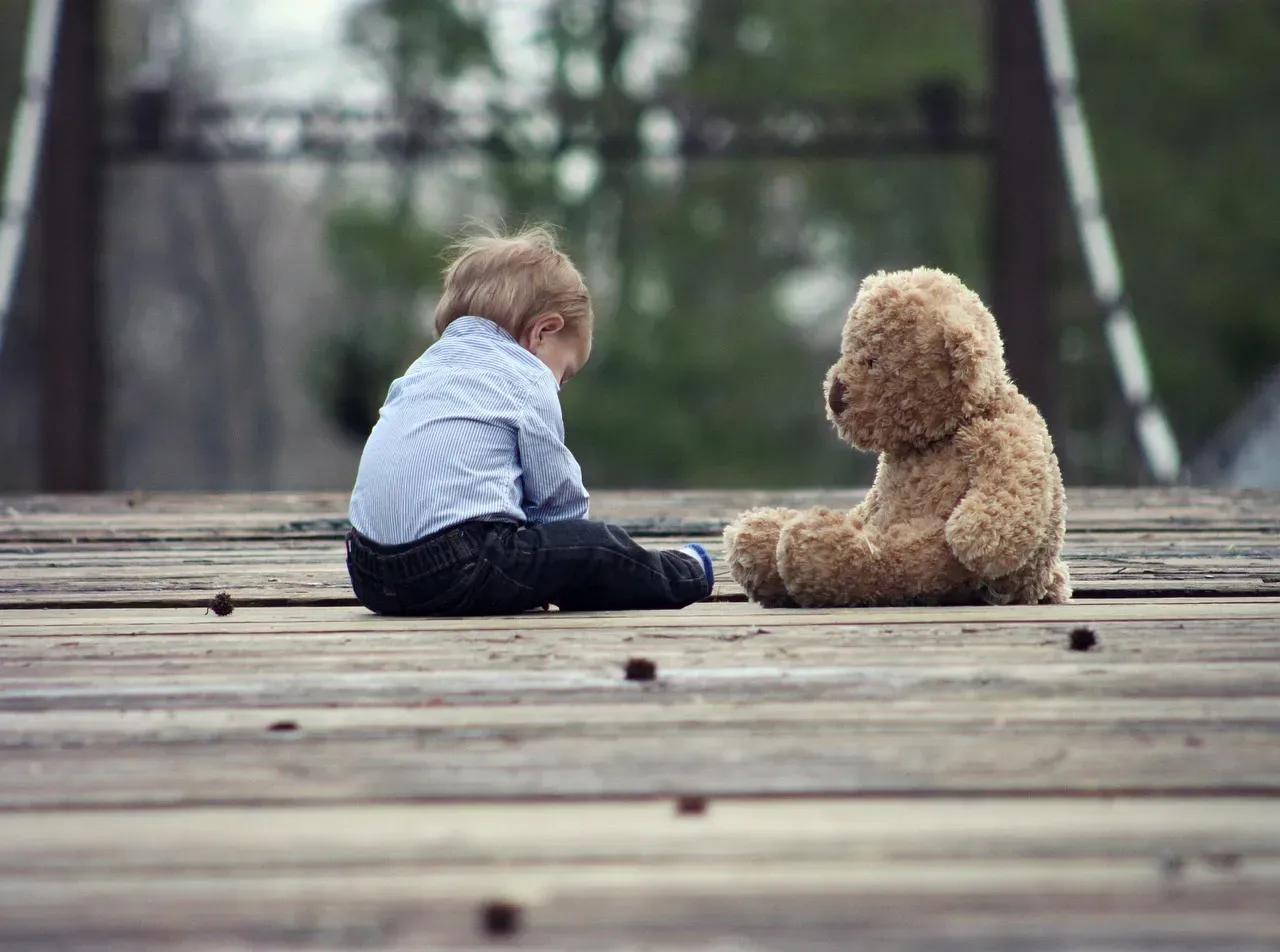
6. Watching Each Other's Kids (Image Credits: Pixabay)
This one wasn’t organized, either. It operated entirely on an unspoken agreement that if a child was in your yard or on your porch, you were responsible for them in that moment. When parents saw children playing in the neighborhood and encouraged neighborhood play with their own children, they perceived a sense of belonging and trust, drivers of community cohesion. My mom couldn’t have named which neighbor was watching her at any given hour. Everyone was, and no one made a fuss about it.
When neighbors don’t know each other, the only resource they feel they have when they see an unsupervised child is to call the police. That contrast captures something real. In the 1970s neighborhood my mom describes, the default assumption was care, not suspicion. Children of parents who perceived strong trust in their neighbors were twice as likely to play outdoors in their neighborhood every day compared to those whose parents had less trust in their neighbors. Trust wasn’t abstract. It had practical, daily consequences for how children lived.
7. Walking to the Corner Store Together
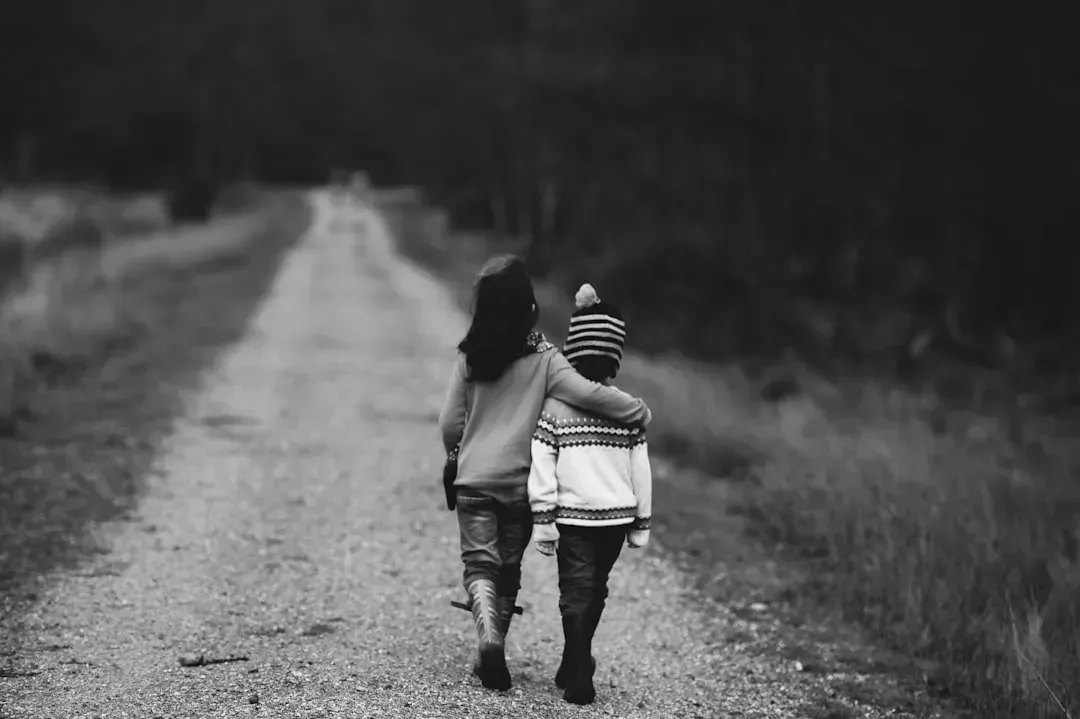
7. Walking to the Corner Store Together (Image Credits: Unsplash)
It wasn’t about the errand. It was the walk. Groups of kids from different houses would drift toward the corner store, sometimes with a dime, sometimes just for the company. As recently as the 1970s, a strong majority of kids walked or biked to school. The corner store trip was an extension of that same independence, the ordinary habit of moving through a neighborhood on foot and running into people along the way.
Instead of approaching homes on foot and passing neighbors along the way, residents increasingly arrived through driveways and entered through side doors. This shift reduced spontaneous social encounters that once occurred naturally. Streets became quieter but also less interactive, as people spent more time inside their vehicles or homes. The corner store run was a small thing. A handful of coins, a few blocks, a cold drink. My mom’s eyes still soften a bit when she talks about it, not out of sentimentality exactly, but because it meant the neighborhood was a place you moved through, not just a place you lived behind a door.