
Retirement is supposed to be the reward for decades of work and saving. For many Americans, though, the financial reality of those years turns out to be far more expensive than anyone predicted. Bills don’t stop arriving just because a paycheck does, and a fixed income can feel like a shrinking target against the steady rise of everyday costs.
The problem isn’t just that expenses exist. It’s that several of the biggest ones consistently outpace inflation, catch retirees off guard, or quietly grow year after year without drawing much attention. Here are the seven costs that drain retirement income the most, and why each one deserves more attention than it typically gets.
Healthcare Premiums and Out-of-Pocket Costs

Healthcare Premiums and Out-of-Pocket Costs (Image Credits: Unsplash)
According to Fidelity Investments' 2025 annual Retiree Health Care Cost Estimate, a 65-year-old retiring in 2025 can expect to spend an average of $172,500 in healthcare and medical expenses throughout retirement, representing a more than 4% increase over 2024. That figure climbs even higher for couples. Healthcare could cost a retired couple more than $300,000 over their retirement, not including some unavoidable costs such as dental care.
Medical care prices have risen faster than overall consumer prices for more than two decades. From 2000 to June 2024, medical care prices increased by more than 121%, compared with a roughly 86% rise in all goods and services. Making matters worse, the base rate for Medicare Part B is going up by nearly 10% in 2026, and since most Medicare enrollees have their premiums deducted directly from Social Security payments, that increase effectively reduces their annual cost-of-living adjustment.
Prescription Drug Expenses

Prescription Drug Expenses (Image Credits: Pexels)
A 2024 AARP survey found that roughly three quarters of adults aged 65 and over described prescription drugs as "too expensive." That sentiment is grounded in real numbers. In 2024, CDC data found that older Americans are skipping medication doses or delaying prescription refills due to an inability to afford the costs.
Out-of-pocket prescription expenses are among the fastest-growing health costs for retirees. Medicare Part D covers many drugs, but still requires enrollees to pay premiums, deductibles, and a portion of the price for each prescription, which can be significantly higher for newer or specialty medications. In 2026, the limit on out-of-pocket prescription drug spending will increase to $2,100, up from $2,000 in 2025. Once beneficiaries pay a plan's full deductible, they owe 25% in coinsurance until that cap is reached, after which the Medicare plan pays for 100% of prescription drug costs for the rest of the year.
Long-Term Care

Long-Term Care (Image Credits: Pexels)
Long-term care, including nursing homes, assisted living, and extended in-home support, is often the single largest uncovered expense in retirement. Nearly 70% of retirees will require some form of long-term assistance, yet Medicare covers very little of the cost. The numbers are striking. The 2024 Genworth Cost of Care survey reported that the median cost of a home health aide was $77,792 annually, while the national median cost of a semiprivate room in a nursing home was $111,325.
According to the U.S. Department of Health and Human Services, among those turning 65 between 2021 and 2025, more than half can anticipate having at least some significant need for long-term care, and the agency estimates that the average individual turning 65 will incur around $120,900 in future long-term care costs. Long-term care is expensive, and Medicare, disability insurance, and traditional health insurance generally don't cover most of it. The gap that leaves behind can devastate even a well-prepared retirement portfolio.
Home Insurance and Property Taxes

Home Insurance and Property Taxes (Image Credits: Unsplash)
While overall inflation has hovered between 2% and 3% in recent years, home insurance rates surged by 11% in 2023 and 11.4% in 2024, according to a July 2025 LendingTree analysis. Federal data shows motor vehicle insurance premiums have risen at double or triple the overall inflation rate for most of 2025. Many retirees assumed that paying off the mortgage would bring their housing costs under control. It doesn't work that way.
Many people underestimate their housing expenses in retirement, because they forget that they may need a new roof or a new furnace at some point. While you may enter retirement with your home paid off, you'll still have to pay for homeowner insurance, property taxes, utilities, repairs, and maintenance. You may also pay to make your home more accessible and safer as you age, perhaps installing a ramp or a walk-in shower. Those costs add up quickly and rarely show up in early retirement projections.
Taxes in Retirement
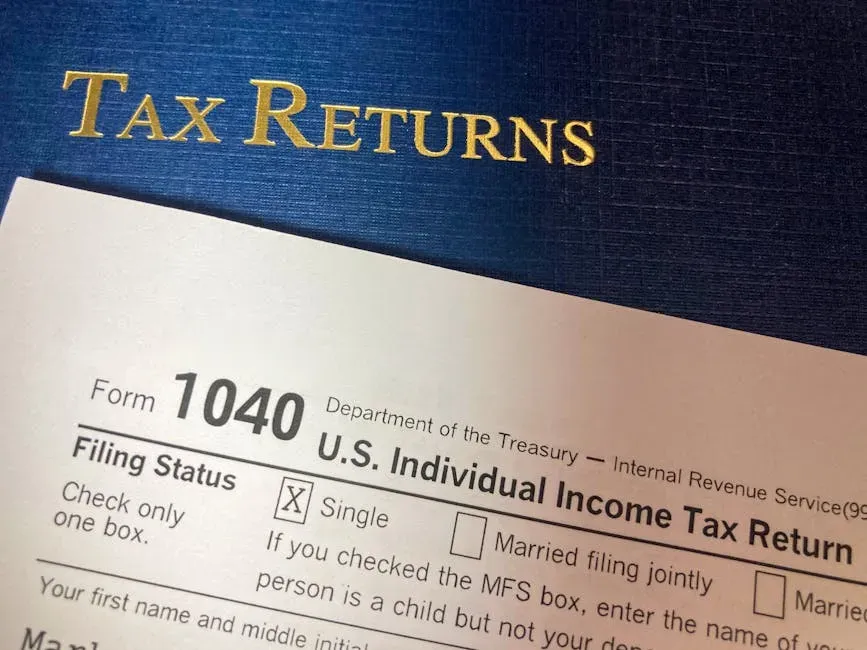
Taxes in Retirement (Image Credits: Pexels)
You may retire from your job, but you'll still be preparing a tax return each year. Unless you live in one of the 13 states that don't tax retirement income, you may be taxed on your Social Security benefits, your pension income, and your withdrawals from retirement accounts. Depending on where you live, you may also be paying sales taxes, property taxes, and other taxes. The reality is that many retirees are surprised by how much of their income still flows to the government.
The broader issue is that retirees on Social Security have been losing buying power for years. Social Security benefits lost about 20% of their buying power between 2010 and 2024, according to the non-partisan Senior Citizens League. A new tax deduction for taxpayers 65 and older is available for the first time in the 2025 tax season. It was enacted as part of the "One Big Beautiful Bill," signed into law in July 2025, and is worth up to $6,000 per eligible taxpayer. Still, even with new provisions, taxes remain a persistent and often underestimated drain.
Groceries and Food Costs

Groceries and Food Costs (Image Credits: Pexels)
According to the Consumer Price Index 2024 review, food prices increased 2.5%, with a 1.8% rise in costs for food at home. The Federal Reserve Bank of St. Louis noted food prices have jumped nearly 30% since 2019. For retirees living on a fixed income, that kind of cumulative increase over just a few years is deeply felt. According to a 2025 survey, nearly half of seniors aged 65 and over stated they were paying significantly more in groceries compared to 2024.
Many households have struggled to put food on the table and are grappling to find ways to pay for groceries. Not only have people dipped into their savings to cover food costs, but many have also gone into credit card debt, according to research from the Urban Institute. Food prices are predicted to rise a further 3.4% and increase "slightly faster" than typical growth per the Consumer Price Index for Food. There's little sign that the grocery bill pressure will ease meaningfully in the near term.
Digital Subscriptions and Telecom Bills
Digital Subscriptions and Telecom Bills (Image Credits: Pexels)
Just a phone line, home internet, and cable TV can cost a couple $300 per month, a budget bite that can feel bigger on a retirement income. That baseline figure doesn't account for the growing ecosystem of streaming services, app subscriptions, and digital memberships that accumulate over time, often without much notice. A July 2024 LendingTree study found that roughly one in four consumers subscribe to a streaming service they no longer use.
That doesn't include all those digital services you rarely use, or the ones you forgot about after signing up for a free trial. For retirees, telecom and subscription costs are particularly insidious because they auto-renew, rarely trigger a paper bill review, and tend to drift upward year after year. A few unused subscriptions might seem minor in isolation, but across a full year they can quietly absorb hundreds of dollars that were never budgeted for anything at all.