
Most homeowners opening their renewal notice these days do a double take. The number looks wrong. It can’t have gone up that much. Except it has – and in some states, it’s gone up by a remarkable amount over a very short stretch of time. Since 2021, premiums have climbed roughly 46%, about three times as much as inflation. That’s not a blip. That’s a structural shift.
The basement in the title isn’t just a metaphor, though it works as one. Basements are ground zero for one of the most misunderstood and financially devastating gaps in standard home insurance. If water comes from outside your home and floods your basement, homeowners insurance likely won’t cover it. Across the country, that gap is colliding with a wave of increasingly extreme weather – and the ten states below are feeling it most acutely.
The National Picture: A Market Under Genuine Strain

The National Picture: A Market Under Genuine Strain (Image Credits: Unsplash)
Following four consecutive years of rising premiums, the average annual cost of home insurance will increase again in 2026, with Insurify projecting a 4% jump to $3,057 by the end of the year. That might sound modest after what came before, but the cumulative effect is severe. The Consumer Federation of America’s April 2025 report found that U.S. homeowners spent $21 billion more on homeowners insurance in 2024 than in 2021.
It’s estimated that insurance now accounts for 9% of the typical homeowner’s monthly mortgage payment, the highest share ever recorded. For millions of households, that’s not an abstract statistic – it’s the reason a monthly budget no longer adds up. More than half of homeowners surveyed by Insurify said they made financial sacrifices to afford coverage, and nearly three in ten said they would drop coverage altogether if they could.
The Basement Problem Nobody Talks About
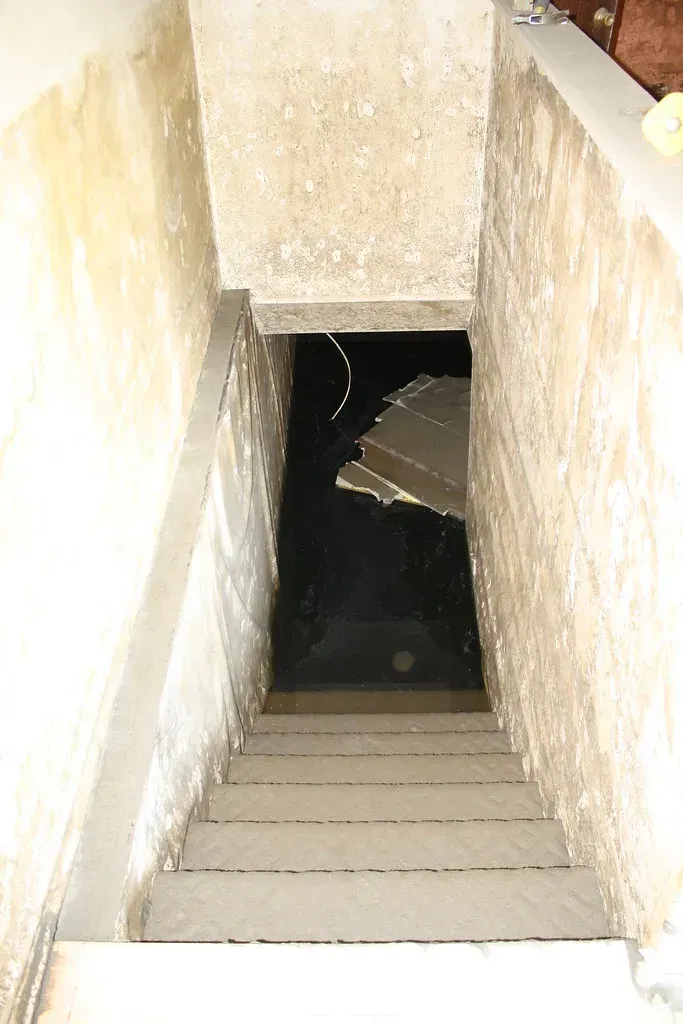
The Basement Problem Nobody Talks About (carlpenergy, Flickr, <a href="https://creativecommons.org/licenses/by/2.0/" target="_blank" rel="noopener">CC BY 2.0</a>)
Homeowners insurance excludes coverage for some natural disasters, including floods. If a flood leads to water filling your basement and your personal property is damaged, you wouldn’t be able to file a claim with your homeowners insurance company. This surprises a staggering number of people every year. If sewage or water backs up into your basement, your homeowners insurance won’t cover the damage unless you have additional coverage, like a water backup endorsement.
FEMA warns that even just one inch of floodwater could result in $25,000 of damage to your home, and the average NFIP claim payment from 2020 to 2024 was more than $82,000. Even separate flood insurance has its limits underground. Policyholders may be surprised to learn that flood insurance generally doesn’t cover damage to personal property and other items stashed in a basement, including couches, computers, or televisions, and basement improvements like finished flooring and bathroom fixtures.
Florida: Still the Most Expensive State by a Wide Margin
Florida: Still the Most Expensive State by a Wide Margin (Image Credits: Unsplash)
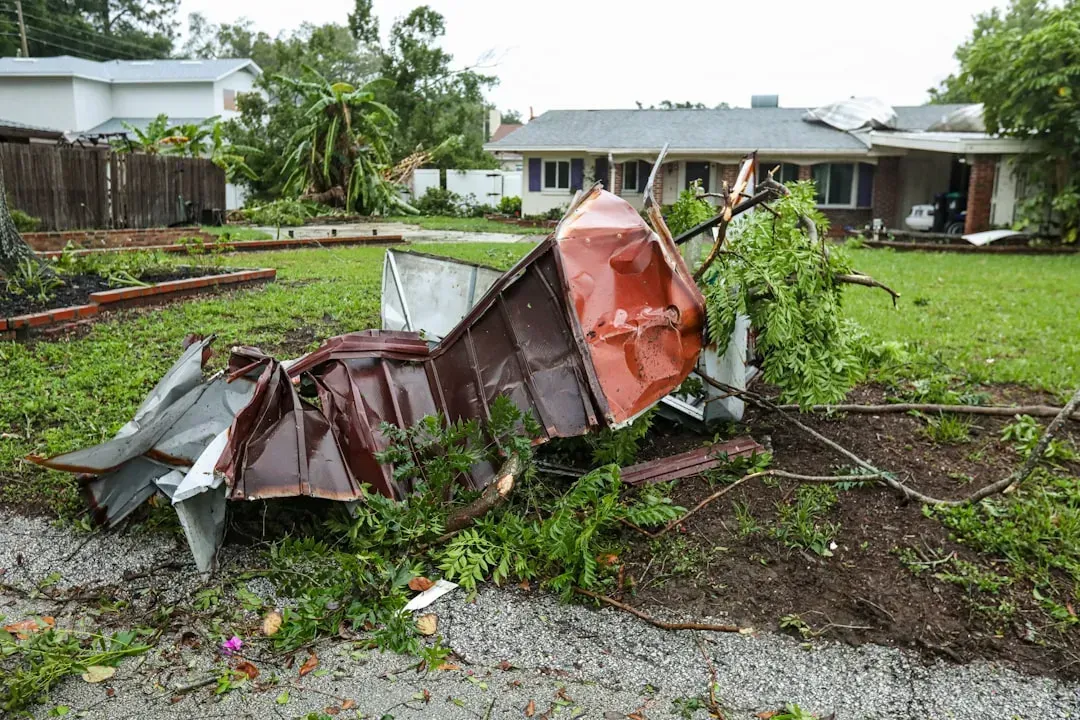
Florida remains the most expensive state for home insurance, with a typical premium of $8,292 annually, nearly three times the national average, following an 18% spike in 2025. The math is brutal for residents there. Florida is a notoriously tough market for homeowners insurance due to the state’s risk level. The Sunshine State’s long coastline and narrow shape mean that much of the state is at risk for hurricane damage, wind damage, and flooding.
States like Florida experience unusually high rates of insurance litigation, which directly raises premiums for everyone. Legal system abuse – where attorneys encourage claim disputes and lawsuits – inflates claim costs, leading insurers to either exit markets or raise prices substantially to remain solvent. Flooding in basements and lower floors compounds this. High numbers of lawsuits, particularly in states where the law has been favorable toward those suing insurance companies, drive up costs for insurance companies, which are again passed on to consumers.
Louisiana: A 58% Rate Jump and Counting
Louisiana: A 58% Rate Jump and Counting (Image Credits: Unsplash)
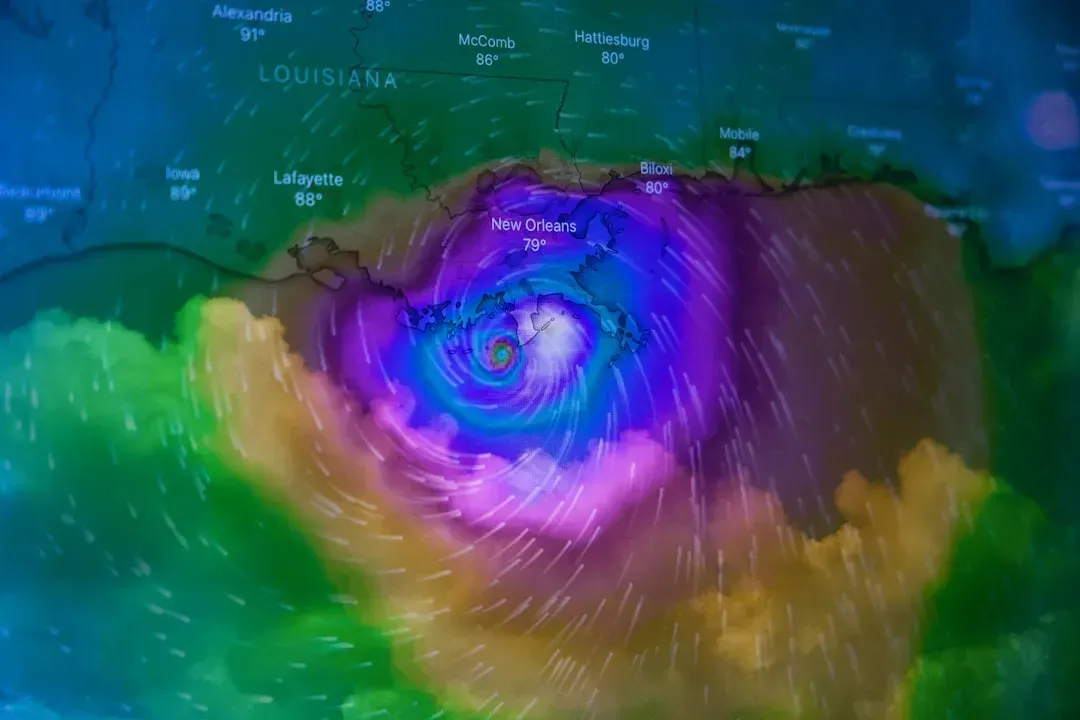
The state where home insurance rates increased the most in the past two years is Louisiana, with a 58% rate increase from 2023 to 2025. That’s a remarkable figure even against the backdrop of a national crisis. Louisiana’s geography makes it highly susceptible to hurricane damage, and the state’s high average premiums reflect that risk. Rates surged 39% in 2024 but were flat in 2025.
The governor signed a bill requiring insurers to disclose older rates in renewal notices and seeking to reduce excessive increases. The state also enacted a bill creating a $10,000 state tax credit for homeowners who install specific storm-resistant roofs. These are meaningful steps. Still, residents face a long road back from years of compounded increases. Insurance reform in Louisiana has brought 10 new insurers and lower rate increases, which is at least a sign that the market is beginning to respond.
California: Wildfire Losses Reshaping the Entire Market

California: Wildfire Losses Reshaping the Entire Market (Image Credits: Pexels)
Insurify predicts that California premiums will rise 16% in 2026, the largest estimated hike in any state. The trigger is well documented. California’s outsized increase comes after devastating wildfire losses. In terms of insured losses, the Palisades and Eaton fires are now the first and second most expensive fires on record globally.
California wildfires caused $40 billion worth of covered property damage during the first half of 2025, accounting for roughly half of the world’s total insured natural catastrophe losses during that time frame. The ripple effects go beyond fire-prone hillside properties. In California, Florida, and Texas, the Excess and Surplus market accounted for roughly 16% of policies by December 2025, up from under 2% in 2023, reflecting just how many homeowners can no longer find coverage through standard channels.
Colorado: The Steepest Cumulative Climb in the Nation

Colorado: The Steepest Cumulative Climb in the Nation (Sreejith K, Flickr, <a href="https://creativecommons.org/licenses/by/2.0/" target="_blank" rel="noopener">CC BY 2.0</a>)
The state that has faced the steepest increase, Colorado, reported a hike of nearly 76.6% over a five-year span – nearly double the already alarming national average increase of 40.4%. The reasons are layered. Colorado faces a “perfect storm” of risk: escalating wildfire exposure, severe convective storms, and rapidly rising reconstruction costs.
Since 2023, the average cost of home insurance in Colorado has increased 55% as insurers try to recover losses from extreme weather. Insurers paid out more money in claims than they made in premiums in 2023. Hail, specifically, is a major driver. Hail-producing convective storms are the biggest factor in rising premiums, and depending on the county, hail accounts for 26% to 54% of homeowner premiums.
Minnesota and the Midwest Convective Storm Belt
Minnesota and the Midwest Convective Storm Belt (Image Credits: Unsplash)
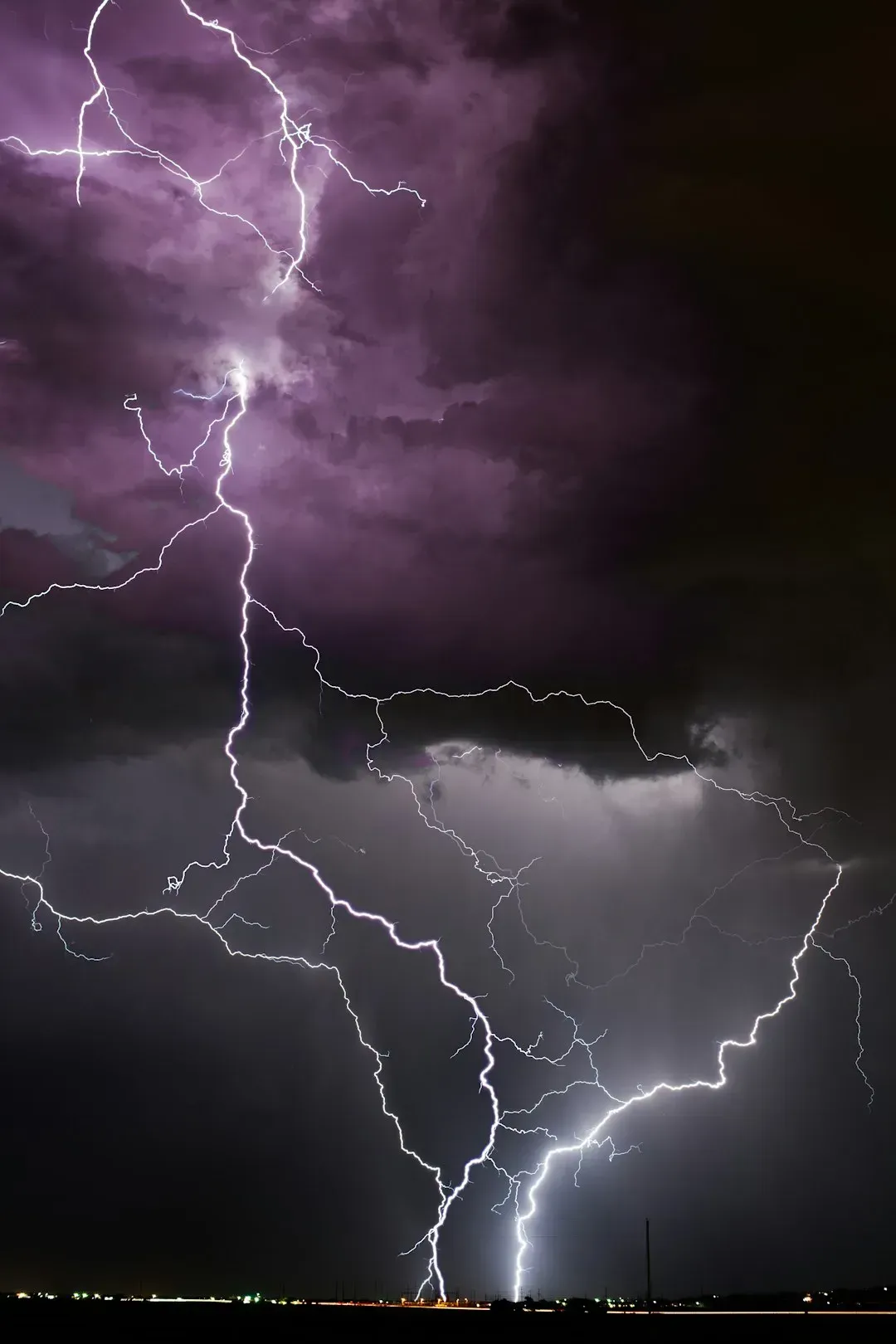
Minnesota home insurance rates surged by 34% in 2025, an increase of nearly $900, bringing the state’s average annual policy to $3,530. It’s one of the most jarring single-year jumps in recent memory for a state not typically associated with catastrophic weather. Rates are skyrocketing even in places far from the coasts. Severe convective storms, marked by high winds and large hail, cause cumulative losses in a year on par with a one-time hurricane event. Midwest states, like Minnesota, have seen a significant jump in rates as a result.
Severe convective storms, which can conjure tornadoes, hail, and other perils, have wrought damage across the U.S. in recent years, particularly in the Midwest and Great Plains states. These storms caused more than $52 billion in insured losses in 2025, the third-highest total on record. The basement connection is direct here. Heavy rains from stalled convective systems create flash flooding that pours into lower-level spaces that standard policies simply don’t protect.
Oklahoma: Tornado Alley Pays a Heavy Premium
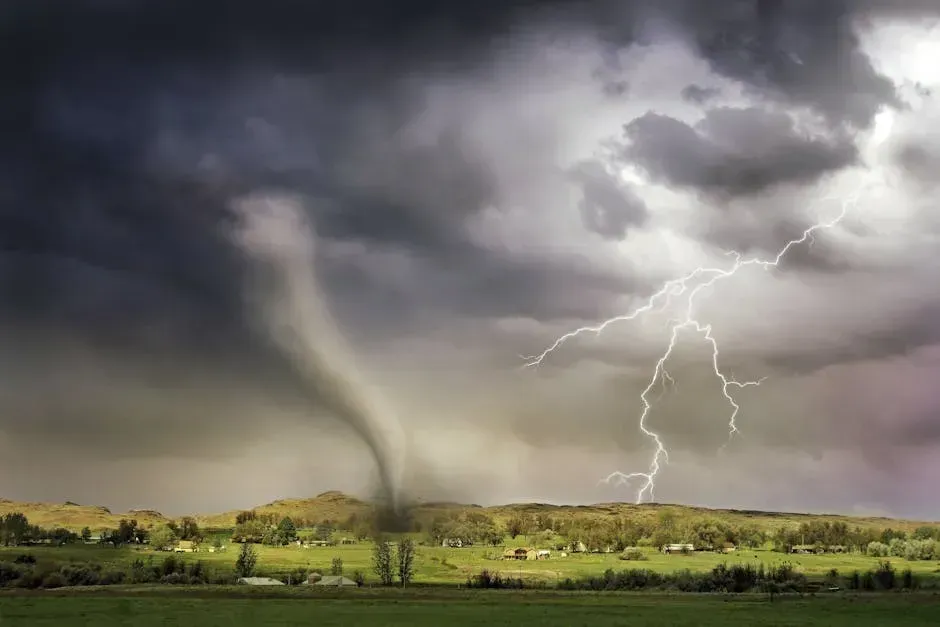
Oklahoma: Tornado Alley Pays a Heavy Premium (Image Credits: Pexels)
Oklahoma is likely to finish 2026 as the second most expensive state for home insurance, surpassing Louisiana. It’s a remarkable development for a state that doesn’t face the same hurricane risks as Gulf Coast states, and highlights the rising cost of severe convective storms. The tornado statistics are sobering. In 2024, the last year with complete data, Oklahoma led the nation with 151 tornadoes and had the third-most hailstorms of any state. Insurance costs in the state jumped 24% in 2025.
In 2026, legislators voted down a bill that would have given insurance regulators the power to reject rate increases before they’re implemented. The measure would have marked a departure from the state’s current “use-and-file” system that allows insurers to enact hikes before filing them with regulators. That regulatory structure gives carriers significant latitude to raise rates quickly – and they have. Oklahoma, Florida, Louisiana, Kansas, and Colorado consistently rank among the most expensive states for home insurance. Oklahoma homeowners can pay over $4,700 annually.
Nebraska, Georgia, and the Expanding Risk Map

Nebraska, Georgia, and the Expanding Risk Map (Image Credits: Pexels)
Nebraska homeowners felt the biggest single-year pinch, with rates climbing 22.7% in 2024. In fact, 33 states saw double-digit increases that same year. Nebraska’s situation illustrates something that affects all of these states: a smaller population base means fewer people sharing the risk pool. Nebraska’s average homeowners insurance cost is high due to severe weather including hailstorms and tornadoes, increased construction costs, and a smaller population that spreads costs over a smaller risk pool, increasing rates for individuals.
Colorado is a prime example of a state where climate-related risks, including wildfires and convective storms, have led to significant premium increases over the past year. Other states with steep premium increases include Mississippi, Georgia, and Texas. Georgia’s projected 10% hike in 2026 is part of a broader Southeast pattern where flooding, humidity-related structural damage, and severe storm activity are all compounding together. Flood risk is expanding beyond traditional coastal areas, impacting historically low-risk regions, as shown by the recent flooding in western North Carolina from Hurricane Helene.
Michigan and the Surprise Entrants
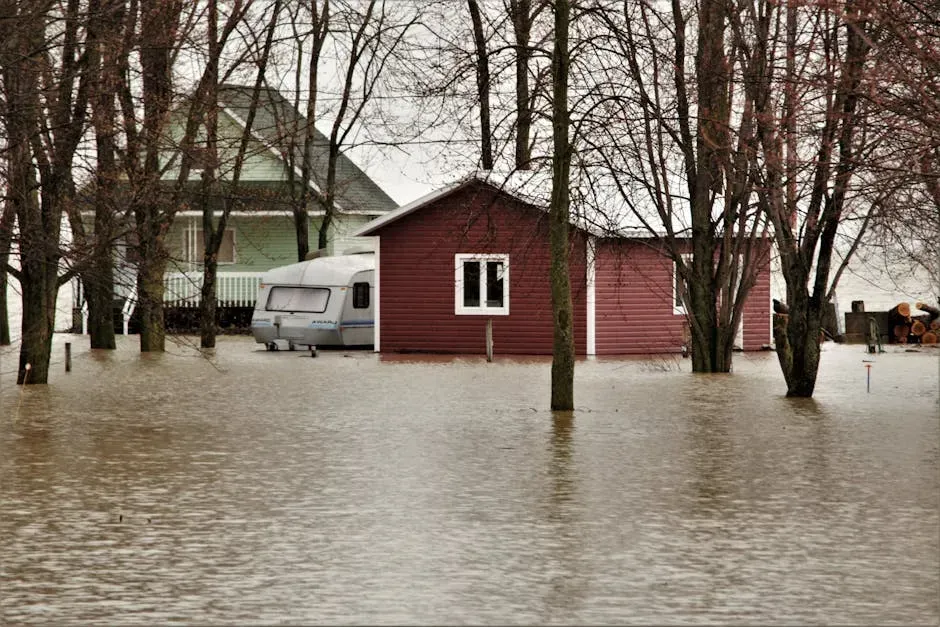
Michigan and the Surprise Entrants (Image Credits: Pexels)
Insurance.com data found that the states with the greatest increases for 2026 are Louisiana at 58%, Michigan at 48%, Virginia at 37%, Kentucky at 33%, and Minnesota at 29%. Michigan’s appearance near the top of the 2026 list surprises many people. The Great Lakes state isn’t typically mentioned alongside hurricane zones or wildfire corridors. Increasing natural disasters, such as hurricanes in Louisiana, hail storms in Minnesota, and tornadoes in Oklahoma and Kansas, are driving increases – but Michigan is facing its own escalating pattern of severe storms, flooding, and aging housing infrastructure that makes repair costs climb fast.
A warming ocean has resulted in more vapor being added to the atmosphere, supercharging storms and increasing flooding in areas that haven’t been designated as being at risk for floods. According to FEMA, about 40% of National Flood Insurance Program claims come from properties outside of flood hazard zones. That figure matters enormously for states like Michigan and Virginia, where homeowners may not carry flood coverage precisely because they never thought they needed it. In the last 20 years, 99% of U.S. counties have had at least one flood event, and in the decade between 2014 and 2024, nearly one third of NFIP claims came from outside of high-risk areas.
What's Actually Driving the Costs Upward

What's Actually Driving the Costs Upward (Image Credits: Unsplash)
The increase in the number and severity of severe weather has led to a spike in claims in many parts of the country, as has the increased cost of labor and housing materials. Reinsurance – the insurance that insurance companies buy for themselves – plays an underappreciated role too. When catastrophe losses spike, reinsurers raise their prices, and primary insurers pass those costs directly to consumers. Following years of record wildfire, hurricane, and severe storm losses, reinsurance markets have tightened dramatically, adding a systemic layer of cost pressure felt by every homeowner nationwide.
In 2024 alone, roof claims costs totaled nearly $31 billion, up 30% from 2022. Deductibles are shifting too. A significant increase in deductibles on home insurance policies is now a key trend. Matic’s data reveals a 24.5% increase in the average deductible from 2024 to 2025, compared to 15% the previous year. In practice, that means homeowners are absorbing a larger share of the first dollar of any loss – exactly when they can least afford it.
What Homeowners Can Actually Do
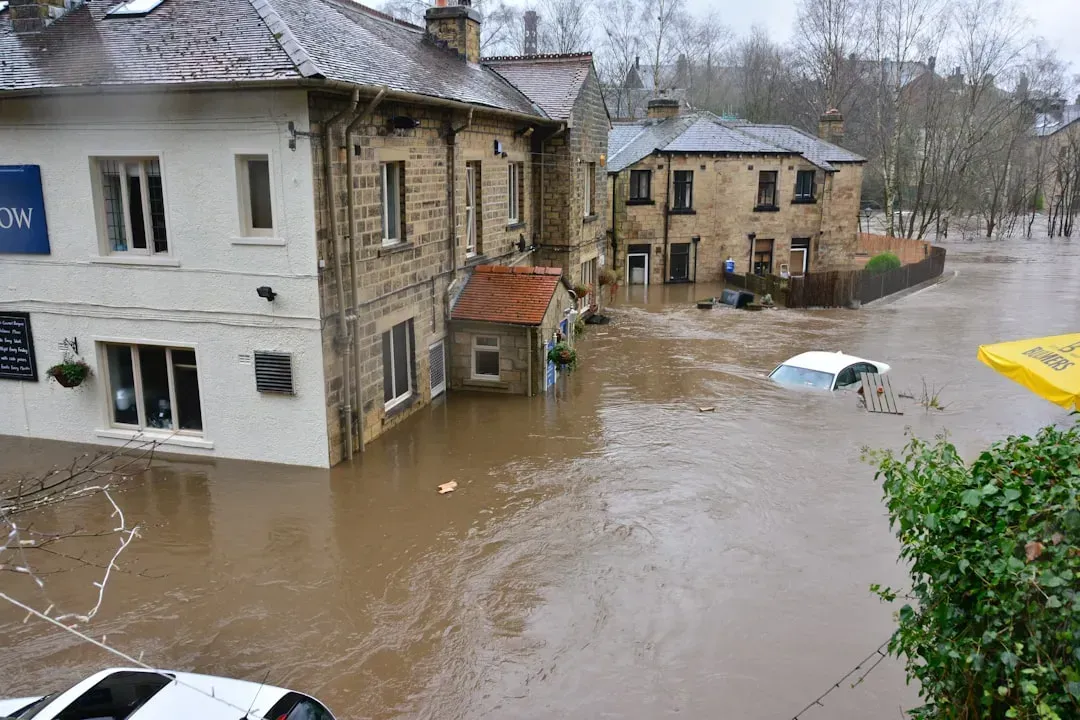
What Homeowners Can Actually Do (Image Credits: Unsplash)
Each foot your house is raised above base flood elevation can save hundreds of dollars annually, the NFIP says. For those not in a position to elevate their homes, there are more accessible options. Flood insurance may be particularly expensive if you have a basement that’s below “base flood elevation” on all sides. Backfilling your basement can significantly reduce your risk and therefore your premium.
In 2024, data showed a 25% increase in customers purchasing flood insurance, with total flood policies growing by nearly 38%. This tripled the growth rate of home insurance policies in 2024. As severe flooding events continue to occur, customers are recognizing the importance of flood insurance coverage, even in regions not traditionally categorized as flood risk zones. Shopping regularly also matters. Average home insurance costs rose in 45 states and Washington D.C. in 2025, while rates remained level or decreased in only five states. Overall, rates rose an average of 12% across the country. In a market this uneven, the homeowners who compare quotes and understand their exact exposures are the ones who fare best.