
Every generation shapes the world it inherits and then watches as the next one reshapes it into something almost unrecognizable. That tension isn’t new. What is new is the pace. The last two decades have compressed changes that might once have taken a century into the span of a single lifetime, and the people who feel that most acutely are often those who built comfortable and competent lives under a completely different set of rules.
The result isn’t simply nostalgia or stubbornness. It’s something more specific: the quiet disorientation of finding that systems you mastered no longer apply. From how people pay for groceries to how they form families, the ground has shifted. These are six of the most significant ways that shift has played out.
1. The Rapid Rise of Digital-First Technology
1. The Rapid Rise of Digital-First Technology (Image Credits: Pexels)
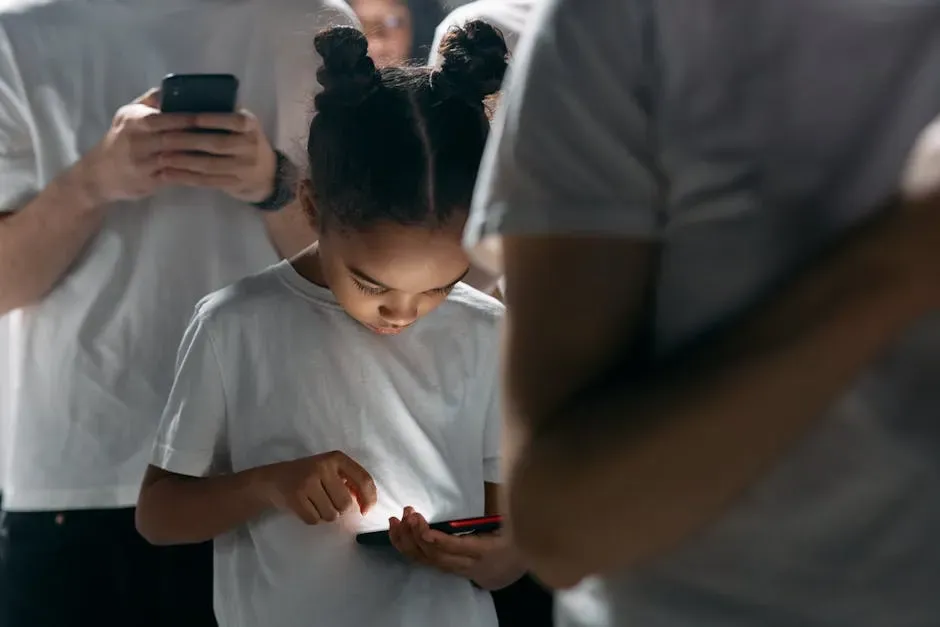
The speed of the digital transition has left a real gap between generations. In 2023, roughly two thirds of adults aged 50 and older said technology is not designed with their age group in mind. That's not a fringe view. It reflects a structural reality: products and services increasingly assume a baseline of digital fluency that many older adults simply weren't given the chance to build.
In older people, the use of technology on a day-to-day basis is often more complicated or even impossible due to a lack of knowledge, partly because older people grew up without technology and only encountered it later in life. Meanwhile, most older adults prefer a wait-and-see approach when it comes to new technology, with about two thirds saying they'd rather let new products prove themselves on the market before adopting them. That caution is understandable, even sensible, but in a world that keeps moving forward, it can mean being perpetually a step behind.
2. The Move Toward a Cashless Society

2. The Move Toward a Cashless Society (By ING Nederland, <a href="https://commons.wikimedia.org/w/index.php?curid=31121470" target="_blank" rel="noopener">CC BY-SA 2.0</a>)
Cash used to be universal. You could walk into almost any shop, hand over physical money, and complete a transaction without needing a smartphone, a bank app, or a reliable internet connection. That world is fading fast. Roughly seven in ten Gen Z consumers prefer cashless payments, and younger generations are adopting digital payment options at a noticeably faster rate. For many businesses, accepting only cards or contactless payments isn't a policy decision so much as an assumption about their customers.
Baby Boomers still rely on cash quite a bit, with research from the Federal Reserve Bank of Boston finding that they use cash for roughly four in ten of their transactions, which is higher than the national average. Older Americans tend to rely more on cash, and when businesses refuse it, they may be streamlining payments for some while narrowing who can actually participate. This isn't just inconvenient. For those without reliable smartphone access or banking relationships, a cashless system can effectively close the door on everyday commerce.
3. The Transformation of How People Communicate

3. The Transformation of How People Communicate (Image Credits: Unsplash)
Phone calls were once the default. Letters before that. Today, a significant portion of social life runs through platforms built around short video clips, disappearing messages, and algorithmic feeds that constantly change what content you see and how. Even millennials, who came of age with the early internet, are no longer driving digital culture, as Gen Z users now shape platforms like TikTok and Instagram, often creating content that highlights and pokes fun at generational differences. For older adults, the learning curve isn't just technical. It's cultural.
The digital habits of each generation have been shaped by technological availability and necessity, and while older generations tend to maintain a distance between their digital and physical lives, the two have fully converged for younger generations. The practical consequence is that older adults can feel left out of family conversations, community groups, and social events that now primarily happen in digital spaces they find unintuitive or overwhelming.
4. Shifting Family Structures and Living Arrangements

4. Shifting Family Structures and Living Arrangements (Image Credits: Unsplash)
For much of the twentieth century, the default family model was fairly well understood: marriage, children, a household, and eventually grandchildren nearby. That model has become one option among many, and in many communities it's no longer even the most common one. Multigenerational households have declined in many parts of the world, and the concept of filial duty, once an assumed feature of family life, is now negotiated rather than inherited. Rapid demographic changes, including declining fertility rates and expanded longevity, along with attitudinal shifts in family values, have weakened traditional living arrangements for older adults, with traditional multigenerational households gradually transitioning into nuclear households in many cultures.
Older generations who grew up expecting that family proximity was simply how life worked can find themselves surprised and sometimes hurt by the distance, literal and emotional, that modern life introduces. Older adults are particularly at risk for social disconnection because they are more likely to live alone and experience changes in their social networks, and in the United States, roughly one quarter of older adults are considered to be socially isolated. The shift in family norms contributed to that reality in ways that are hard to measure and harder to reverse.
5. Changing Norms Around Work, Identity, and Retirement

5. Changing Norms Around Work, Identity, and Retirement (Image Credits: Pexels)
Older generations often built their lives around a clear and shared understanding of how work fit in. You found a stable job, you stayed, you retired at a predictable age with a pension, and your professional identity was relatively fixed. That world has been replaced by one defined by gig work, career pivots, constant retraining, and a workforce in which identity and employment are far more fluid. Younger generations think differently about gender, equality, work-life balance, and education, among other things. These aren't just preferences. They've reshaped workplaces in ways that can make older employees feel like they're playing by outdated rules.
The concept of retirement itself has become more complicated. Rising costs of living, longer lifespans, and the collapse of traditional pension systems in many countries mean that retirement looks different, arrives later, and feels less secure than previous generations were led to expect. For those who planned their lives around an older model of work and retirement, the adjustments required have often been substantial and unwelcome.
6. Generational Differences in Values and Social Priorities
6. Generational Differences in Values and Social Priorities (Image Credits: Pexels)
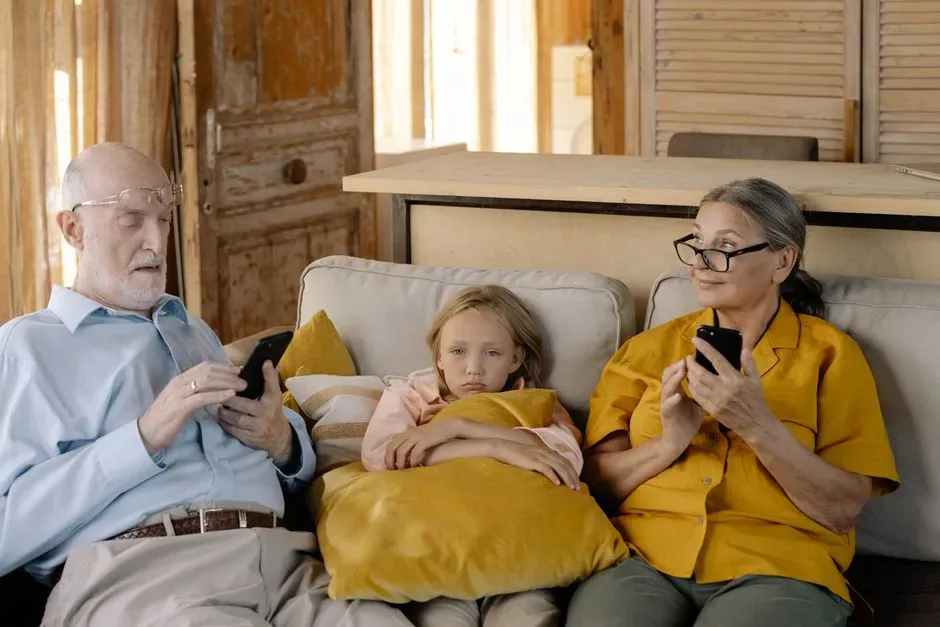
Research shows clear age-related differences in the perception of societal changes, with older adults generally perceiving societal transitions as less impactful than younger adults, though they feel more affected by climate change, demographic shifts, and international conflicts, while feeling less impacted by digitalization and issues around diversity and inclusion. That divergence isn't just statistical. It shows up in family dinners, political conversations, and public discourse in ways that can feel genuinely alienating to all sides.
Societal polarization was identified as the fifth most significant current risk in the World Economic Forum's Global Risk Report 2025, with research showing that while different generations generally perceive each other positively, each tends to feel that it is disliked by the other. That mutual perception of being misunderstood drives a lot of the frustration that older generations articulate. It isn't simply that norms have changed. It's that the changes often happen without acknowledgment of what was being replaced, or why it mattered to those who lived by it.
None of this means older generations are simply victims of progress, or that younger ones are wrong for building the world they want to live in. Most of these changes carry genuine benefits alongside the disruption. The more honest reckoning is that rapid change always has a cost, and that cost tends to fall unevenly. The people with the least time to adapt, and the least institutional support to help them do so, usually carry the heaviest share. Recognizing that isn't nostalgia. It's fairness.