
There’s something quietly obsessive about the way people chase discontinued candy bars. It’s not just nostalgia, though that’s part of it. Food historians continue to document these disappeared delights because they represent changing American appetites and business strategies, and each discontinued bar tells a story of innovation, marketing missteps, corporate mergers, or simply being ahead of or behind the times. For some collectors, the thrill is in the packaging. For others, it’s the taste they’re certain they remember more clearly than they actually do.
Amazingly, roughly two thirds of candy bars in production have been around for over 60 years, but more brands are being discontinued than ever as companies merge, are purchased by private equity, or go out of business. The bars below represent a cross-section of that loss: some beloved by millions, others obscure in the best possible way. All of them have found devoted hunters who refuse to let them go.
1. The Marathon Bar (1973–1981)
1. The Marathon Bar (1973–1981) (Image Credits: Unsplash)
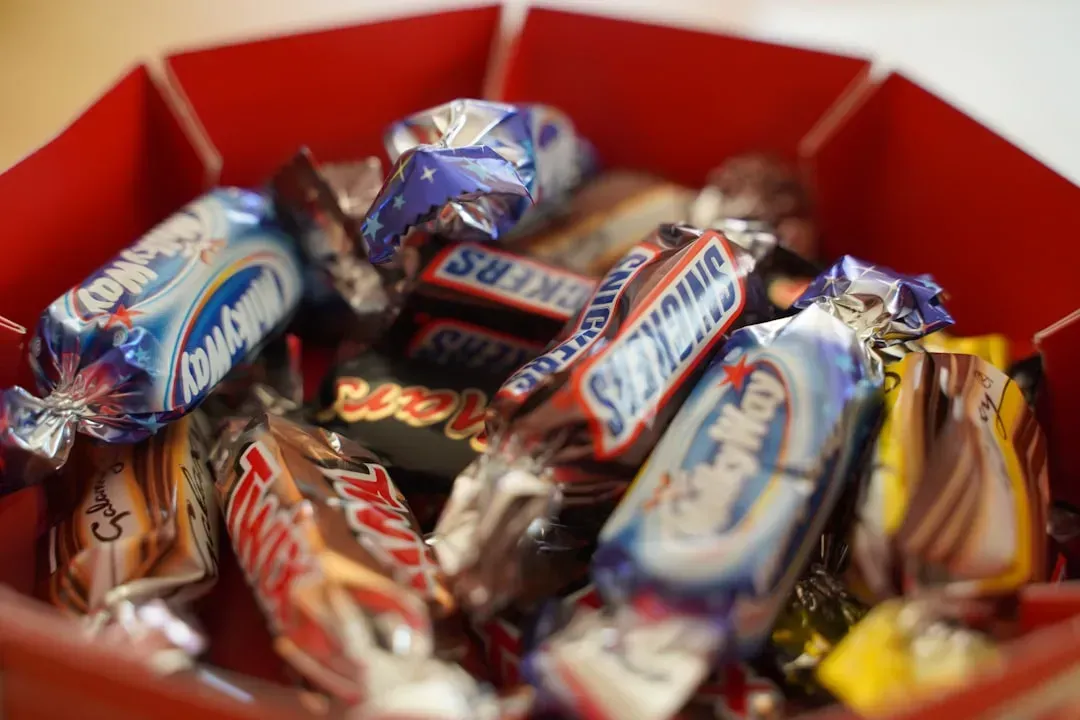
Introduced in 1973 by the Mars Candy Company, the Marathon bar became a staple in American culture in the 1970s, measuring in at a whopping 8 inches and enrobed in a bright red wrapper, an oversized candy bar that was almost a foot of braided chocolatey caramel goodness. Its red packaging had ruler markings that highlighted its impressive length, and ads promoted the candy bar with the slogan “the candy bar you can’t eat quickly.”
Its time was cut short and the Marathon bar was discontinued in 1981 after a glorious 8-year run, simply because it couldn’t pull in the revenue like other chocolate candy Mars sold. The Marathon bar still has its own cult following that hopes one day the bar will make its comeback. It remains one of the most requested discontinued candy bars of all time.
2. PB Max (1989–1994)
2. PB Max (1989–1994) (Image Credits: Pexels)
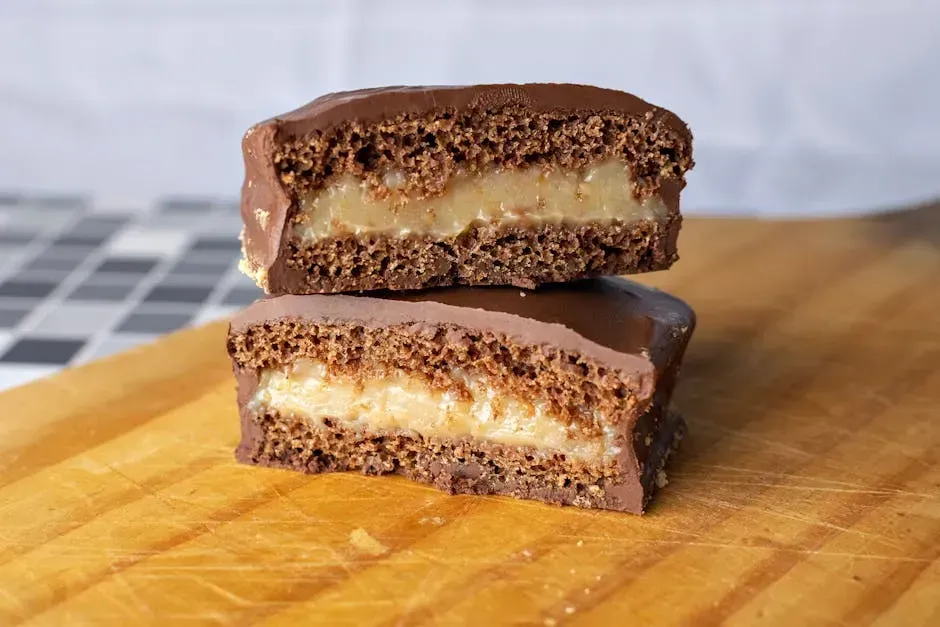
The PB Max had a five-year run between 1989 and 1994, created by Mars and intended to stand out as a peanut butter and chocolate bar with a crunchy texture, featuring a crunchy cookie base with a thicker layer of peanut butter and a milk chocolate coating. Even though the PB Max sold well and generated $50 million in revenue, Mars decided to pull it from shelves anyway.
Unlike many snack food products discontinued for good reason, there is intense online speculation around why PB Max bars were taken off shelves, with one Reddit thread claiming that Mars did away with the product because someone in the company disliked peanut butter. PB Max has achieved a small but loyal following despite its current discontinuation. Several petitions still appear to be ongoing, attempting to cajole Mars into reproducing the bar.
3. Reese's Whipps (2007–2010)
3. Reese's Whipps (2007–2010) (www.schoko-riegel.com, Flickr, <a href="https://creativecommons.org/licenses/by/2.0/" target="_blank" rel="noopener">CC BY 2.0</a>)
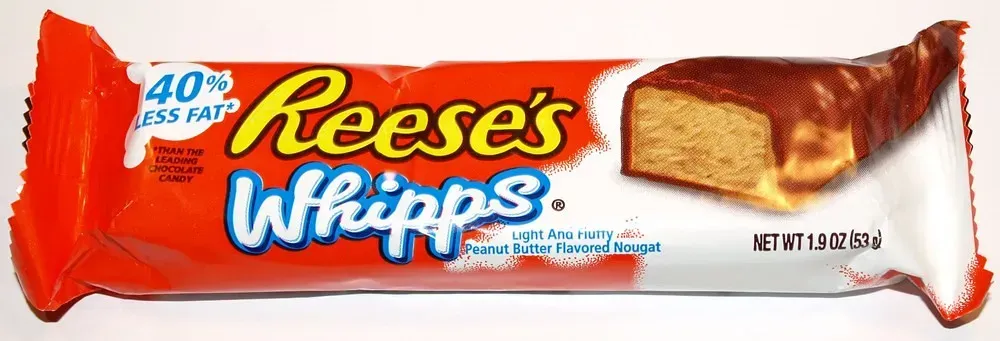
The Reese’s Whipps bar was introduced in 2007 as a lower fat candy bar version of original Reese’s peanut butter cups, consisting of a layer of peanut buttery nougat goodness covered in creamy milk chocolate. Unlike the cups that are loaded with peanut butter, Whipps had a peanut butter nougat filling that was slightly lighter and fluffier.
Despite being discontinued in 2010, Reese’s Whipps candy bars are still highly sought after by some online fans and vintage candy hunters. In the 2010s, Reese’s discontinued Reese’s Whipps and what stock remained steadily ran out, with a Change.org petition asking Hershey’s to bring back Whipps garnering only slightly more than 500 supporters, and the candy company didn’t respond to the request. Reese’s Whipps are probably gone for good.
4. Hershey's Thingamajig (2009–2012)
4. Hershey's Thingamajig (2009–2012) (Image Credits: Pixabay)
In 2009, Hershey’s released a candy bar sidekick to its existing Whatchamacallit product line. While the Whatchamacallit was caramel-heavy, the Thingamajig was peanut butter-heavy, a chocolate-coated candy bar with peanut butter crème and cocoa-flavored crisp pieces at the center, and was described as being sweeter than the original Whatchamacallit.
Initial sales were strong, but Hershey soon realized something troubling: people were buying Thingamajig not to adopt it, but to compare it, with many returning to Whatchamacallit. By 2012, the writing was on the wall, and despite having devoted fans, Thingamajig couldn’t build the sustained momentum needed to justify manufacturing it. Some fans even stockpiled bars they found in forgotten corners of gas stations all around America.
5. Hershey's Bar None (1987–1997)
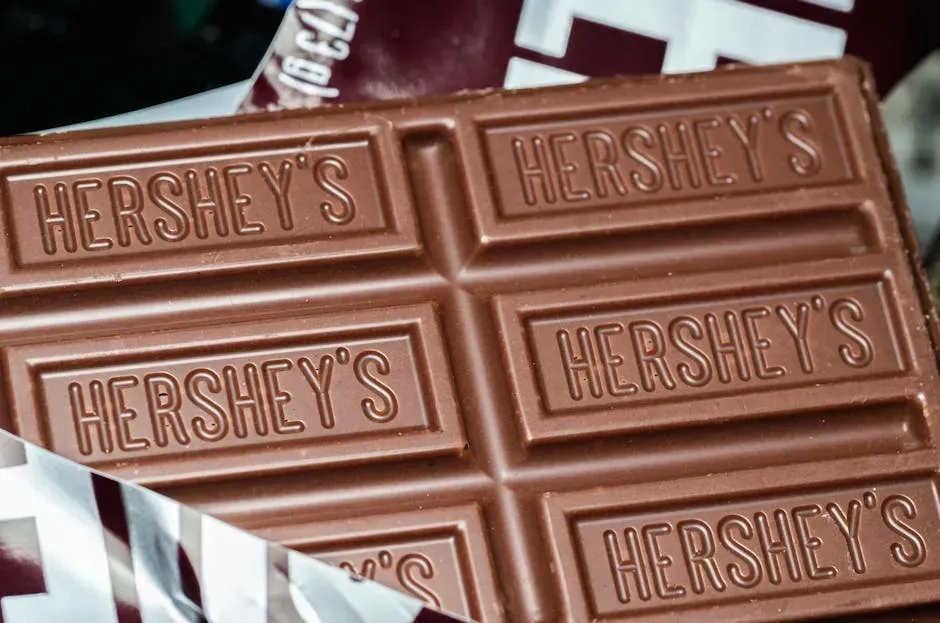
5. Hershey's Bar None (1987–1997) (Image Credits: Pexels)
Launched in 1987, Bar None combined layers of wafers, peanuts, and chocolate cream coated in milk chocolate. A controversial 1992 reformulation added caramel sticks, the change backfired, and Hershey discontinued the bar in 1997. The original formula was considered by many fans to be one of the more inventive wafer-based bars of its era, and the reformulation remains one of the more infamous missteps in candy bar history.
The Iconic Candy Company revived the original Bar None formula in 2019. Still, collectors continue to track down original 1980s and early 1990s packaging and memorabilia, treating the pre-reformulation era bar as a distinct artifact. Some Thingamajig fans even claimed their beloved bar felt like the discontinued Bar None from the 1980s, suggesting just how lasting the original’s memory has been.
6. The Seven Up Bar (1930s–1979)
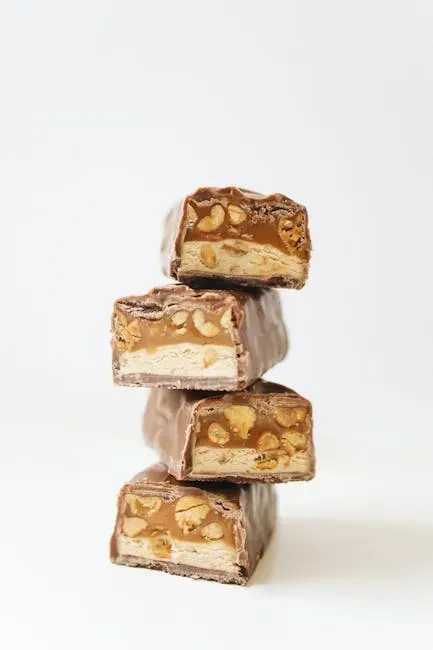
6. The Seven Up Bar (1930s–1979) (Image Credits: Pexels)
The Seven Up bar was a creamy milk chocolate bar with seven different sections that broke off in a snap, one for every flavor a candy lover could want: mint, nougat, butterscotch, fudge, coconut, buttercream, and caramel filling each creamy pillow of chocolate. The first Seven Up Bar came out sometime in the 1930s, originally by Trudeau Candy, until Pearson’s bought out the company in 1951 and slightly changed the filling flavors to go with the times.
Pearson Candy called these sections “pillows,” and high manufacturing costs and trademark disputes with 7 Up soda forced the candy’s discontinuation after nearly 50 years. The Seven Up Bar was discontinued in 1979, likely due to some drama over the name with 7 Up soda. Collectors now prize original wrappers and advertisements, as the bar’s sheer complexity of flavors in a single package has few real equivalents among modern bars.
7. The Chicken Dinner Bar (1920s–1962)
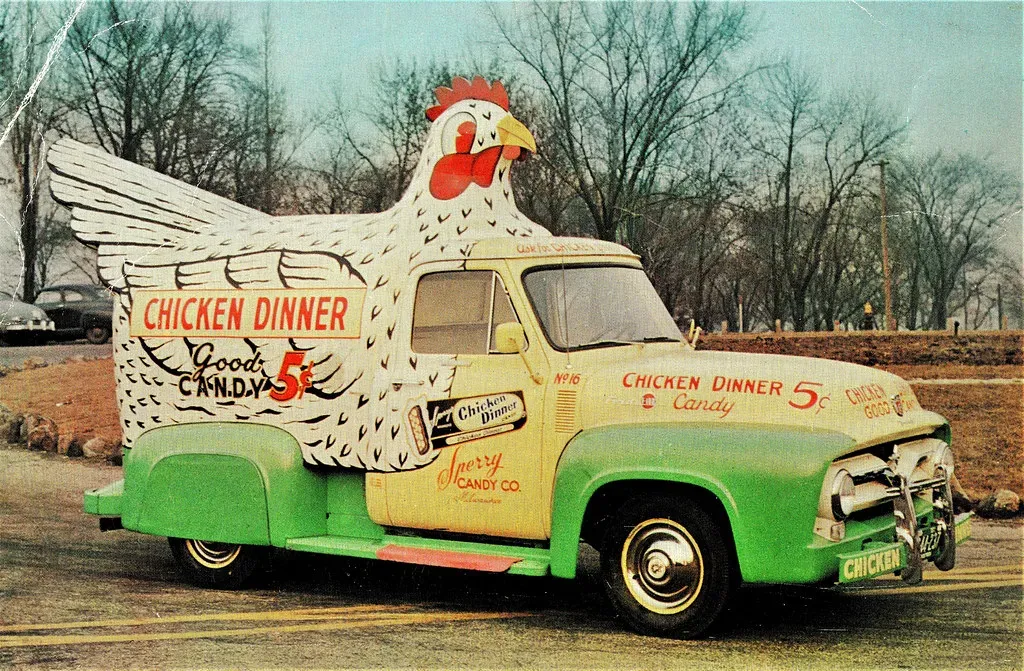
7. The Chicken Dinner Bar (1920s–1962) (aldenjewell, Flickr, <a href="https://creativecommons.org/licenses/by/2.0/" target="_blank" rel="noopener">CC BY 2.0</a>)
The Sperry Candy Company created a chocolate-covered nut roll during the Roaring Twenties, naming it with the humorous name Chicken Dinner Bar. It was positioned as nutritious with the slogan “Candy Made Good,” and the chicken imagery was developed during the Great Depression to symbolize prosperity during economic hardship. Sperry was committed to the bar, handing out 12,000 samples during their 1926 campaign, and there were even Chicken Dinner branded trucks that drove around Milwaukee blaring their horns, attracting curious passersby.
Chicken Dinner had a hardy 40-year run on the market but was ultimately discontinued in the early 1960s when Sperry Candy Company was acquired by Pearson’s Candy Company, which decided to prioritize its own product lines rather than keeping the established ones from Sperry. Over 60 years later, this candy bar, as well as the nostalgic memory it can evoke, is still well-remembered by vintage candy collectors worldwide.
8. Hershey's S'mores Bar (2003–2012)
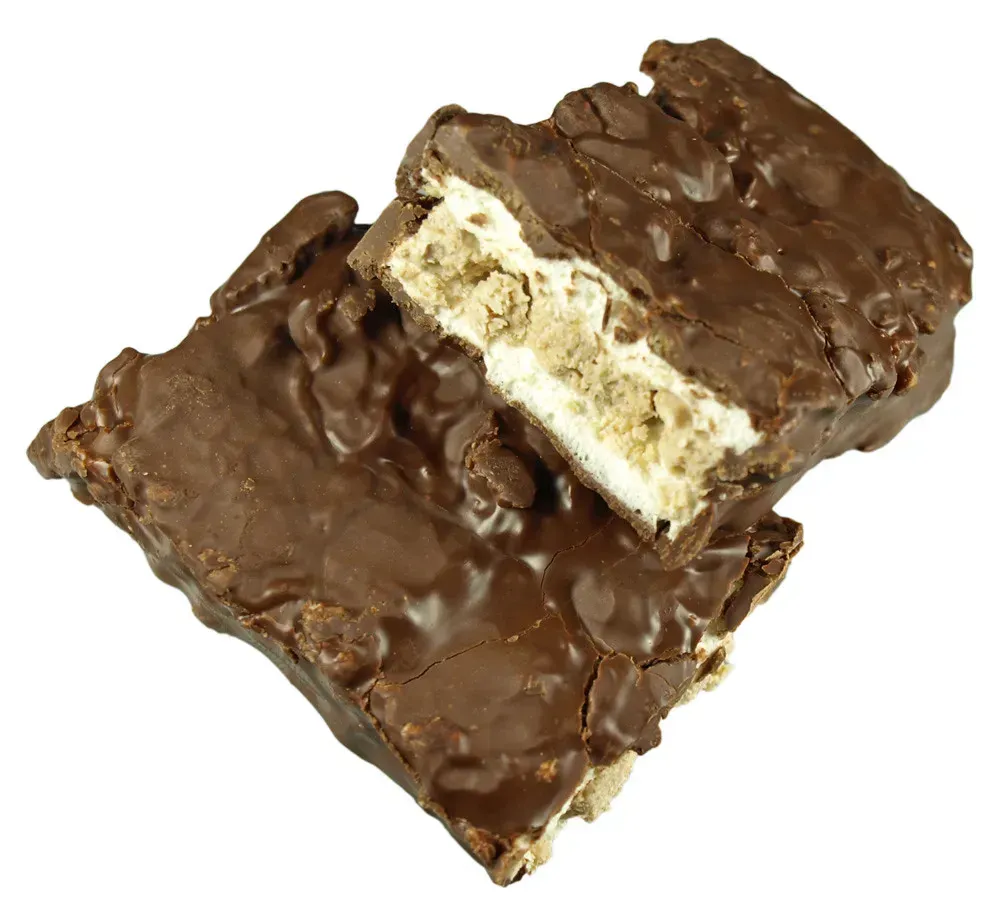
8. Hershey's S'mores Bar (2003–2012) (www.schoko-riegel.com, Flickr, <a href="https://creativecommons.org/licenses/by/2.0/" target="_blank" rel="noopener">CC BY 2.0</a>)
Introduced to replicate s’mores with graham cracker bits, marshmallow filling, and milk chocolate coating, the Hershey’s S’mores Bar lasted 11 years before discontinuation. It had a melty, gooey center, a thick candy coating, and a little snap from the Graham cracker base. For a bar built around one of America’s most beloved campfire traditions, it had a surprisingly loyal following among those who never actually bothered to make actual s’mores.
Despite this seemingly winning combination, Hershey’s S’mores ultimately didn’t stand the test of time and was discontinued in 2012, though the candy bar still has a relatively dedicated online fan base. The fact that many people were unaware of the candy bar might reflect a possible reason for its decline, with some suggesting the bar was likely discontinued due to low sales.
9. The Caravelle Bar (1960s–1988)
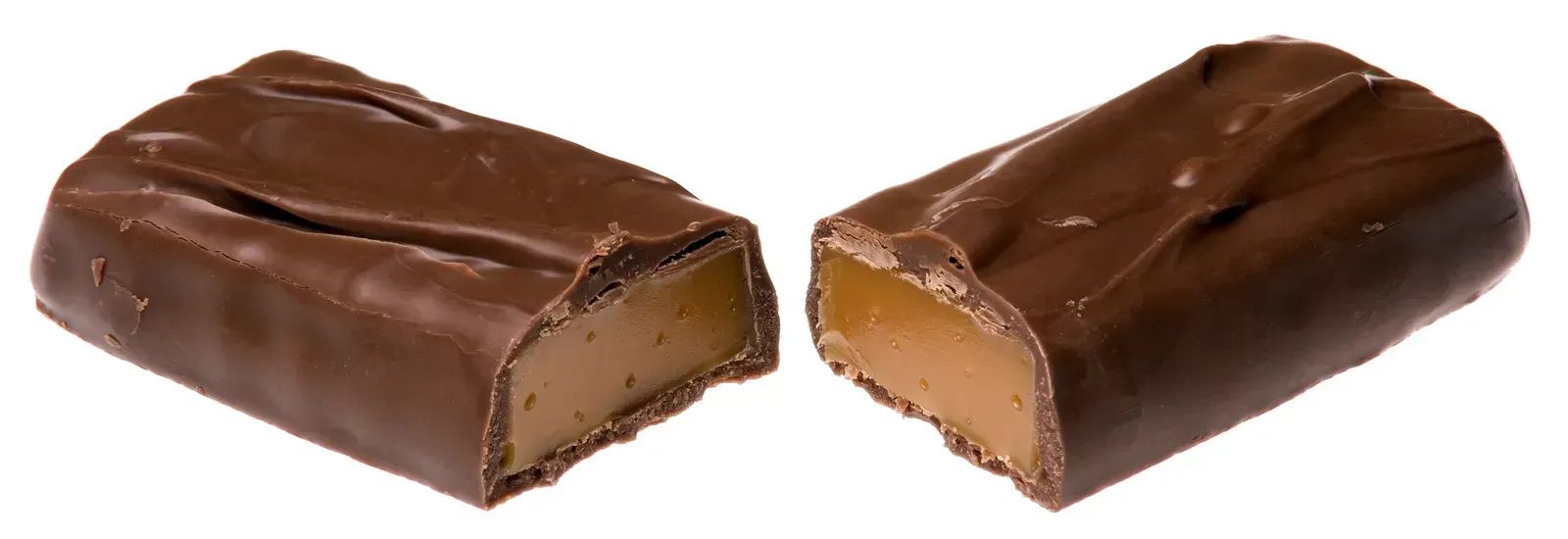
9. The Caravelle Bar (1960s–1988) (By Evan-Amos, <a href="https://commons.wikimedia.org/w/index.php?curid=14826596" target="_blank" rel="noopener">CC0</a>)
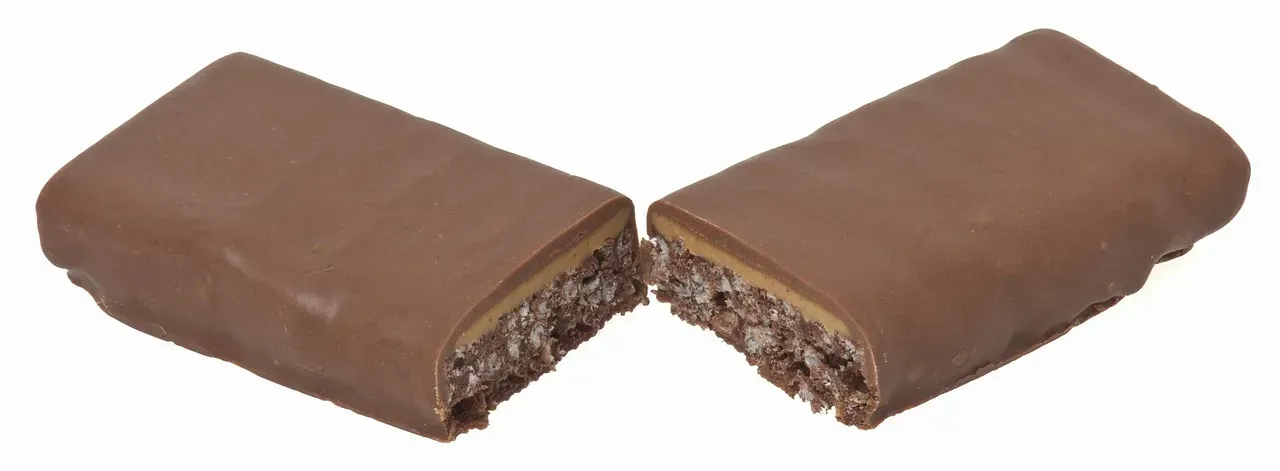
Before Peter Paul was acquired by Hershey in 1988, the Peter Paul Candy Manufacturing Company made a candy bar to compete with other caramel and crisped rice bars, called the Caravelle bar, which was similar to the 100 Grand bar by Nestlé, with chocolate, rice, and chewy caramel. By 1978, Caravelle became a challenge to find and eventually became entirely extinct, with many pointing to the merger between Peter Paul and Cadbury Schweppes as the reason for the discontinuation.
Today you won’t find Caravelle bars anywhere, but the company’s jingles still live on the internet for retro listening enjoyment. Some of those familiar with the bar suggest biting into a 100 Grand bar instead, as it boasts a similar flavor profile with chocolate, crisped rice, and caramel. The Caravelle remains an especially elusive collector’s target precisely because it disappeared so quietly, without the viral outrage that followed more recent discontinuations.
10. Kudos Bars (1990s–2017)
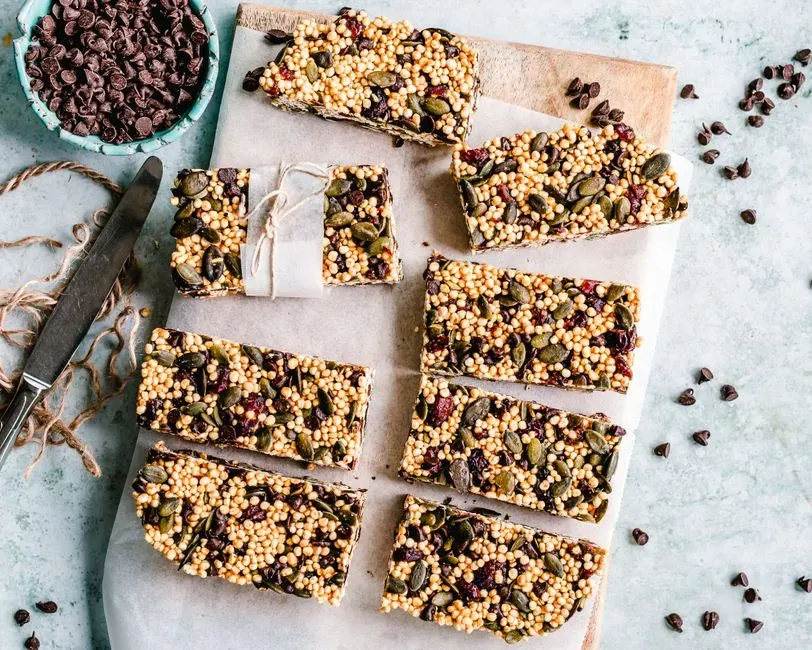
10. Kudos Bars (1990s–2017) (Image Credits: Pexels)
Made from sweet, crunchy puffed Rice Krispies mixed with toasted oats and drizzled with milk chocolate, Kudos bars were a tasty lunchbox item or an energy booster at work. As they were partly made out of cereal, they weren’t advertised as candy products but touted as nutritious snacks, yes, even those with M&Ms inside. Changing perceptions of healthy foods became a major reason Kudos bars were discontinued, as the bars were low in calories but high in sugar, at a time when dieticians mainly focused on getting people to lower their fat intake.
The 1990s focus on low-fat, high-sugar foods made them popular, but when nutrition science evolved beyond the fat-fear era, Kudos couldn’t adapt. Kudos bars were owned by Mars and were a super popular snack in the 1980s and 1990s, even considered a healthy option compared with other candy bars at the time. They lasted well into the 2000s before finally disappearing from shelves in 2017, and today sealed vintage packages occasionally surface on resale platforms, snatched up quickly by collectors who remember them fondly from lunchboxes of decades past.
For collectors, finding original packaging, advertisements, or even expired bars becomes a treasure hunt that connects them to a sweeter time in confectionery history. The bars on this list span nearly a century of American candy making, and the passion behind hunting them down says something real about how deeply food weaves itself into memory. Some of these may never return. Others might, given enough noise from enough people. Either way, the search itself has become part of the story.