
Most people drop pennies into a jar without a second thought. They're the coins that accumulate at the bottom of bags, pile up on nightstands, and get left behind in cup holders. What most people don't realize is that mixed in with all that loose change, there's a genuine chance of finding a coin worth hundreds, thousands, or in some extraordinary cases, a life-changing sum of money.
The Lincoln cent series marks its 115th year of production in 2024, and throughout that time the U.S. Mint has struck over 540 billion one-cent coins. With that kind of production volume, it's easy to assume every penny is the same. Most are. The sheer commonness of Lincoln cents helped make collecting them a favorite pastime for Americans, especially during the Great Depression, and the hobby has been widely considered a rite of passage for generations of collectors. The coins covered here are the ones that make even seasoned collectors stop and look twice.
The 1909-S VDB: Where the Story Begins
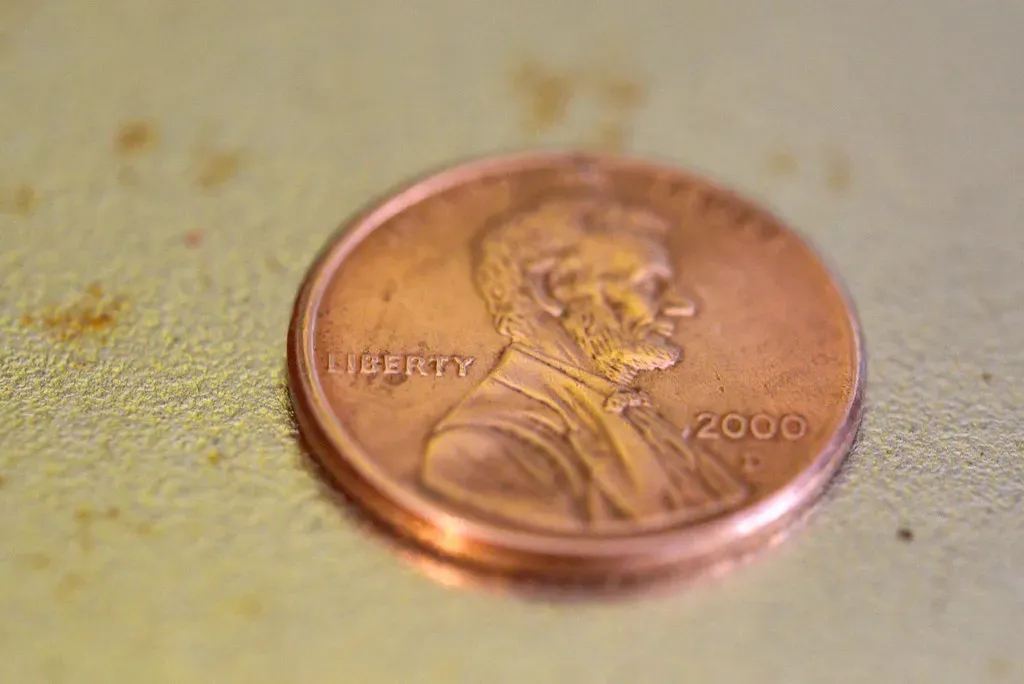
The 1909-S VDB: Where the Story Begins (vanhookc, Flickr, <a href="https://creativecommons.org/licenses/by-sa/2.0/" target="_blank" rel="noopener">CC BY-SA 2.0</a>)
The Lincoln Wheat cent features the profile of President Abraham Lincoln on the obverse, marking the first time a U.S. president appeared on a coin. The reverse depicts stalks of wheat, and the design was created by Victor David Brenner to commemorate the 100th anniversary of Lincoln's birth. That first year of production produced one of the most coveted coins in the entire series.
The 1909-S VDB is one of the most famous wheat pennies. It was the first year of issue, and the initials of the designer, Victor David Brenner, were placed prominently on the reverse. Public criticism led to the removal of the initials, making the San Francisco-minted version with VDB extremely rare. San Francisco struck fewer than half a million of them, and prices for high-end specimens range into the low to mid six digits.
The 1914-D: A Low Mintage Treasure
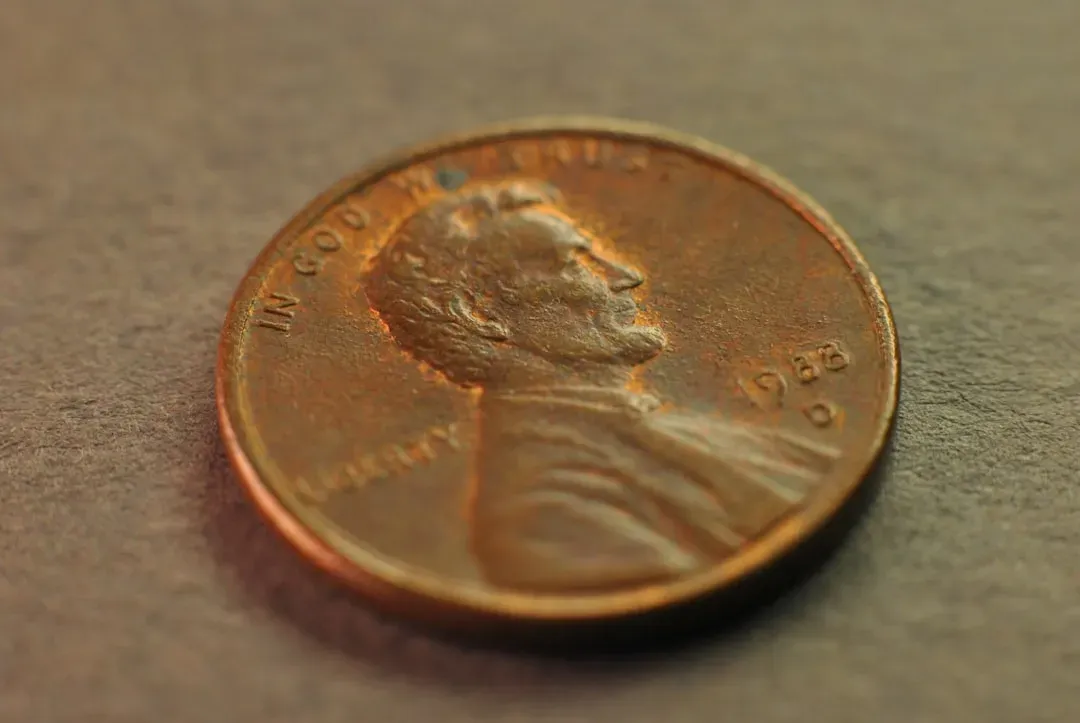
The 1914-D: A Low Mintage Treasure (Image Credits: Unsplash)
The 1914-D is the undisputed key date of the Lincoln Wheat penny series. It isn't just rare – it's the stuff of legend, with a mintage so low it makes other scarce coins look common. For regular business strike coins meant for circulation, the roughly 1.19 million made by Denver is incredibly low. To put that in perspective, Philadelphia minted over 75 million pennies that same year, making Denver's output a mere drop in the ocean.
Most 1914-D cents that survive are well-worn, making high-grade examples nearly impossible to find. Key dates like the 1914-D range from around $250 in worn condition to well over $10,000 in top grades. Even a heavily circulated example carries real value, which is exactly why you should always check the date and mint mark on every old wheat cent you come across.
The 1931-S: Quietly Rare
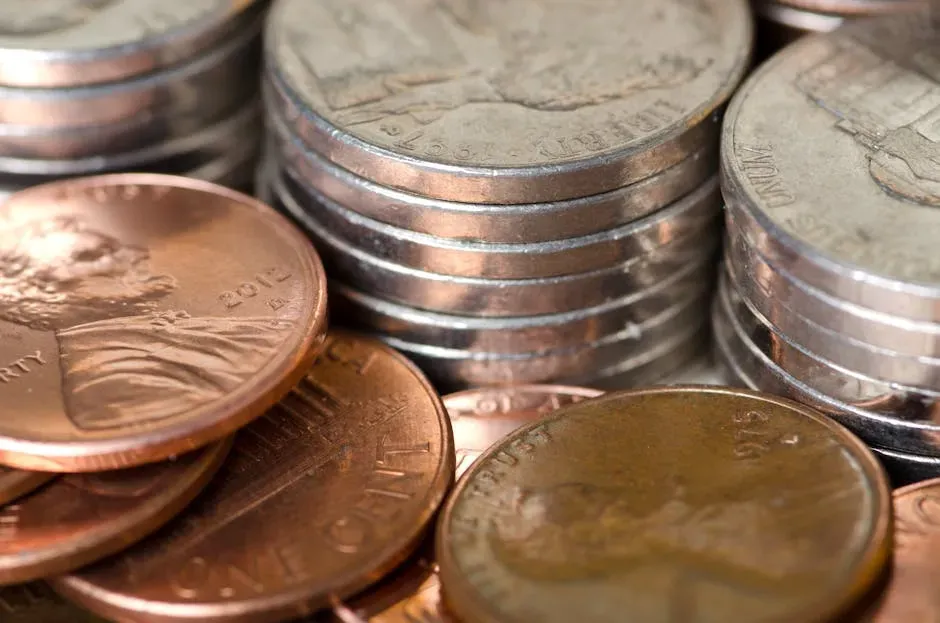
The 1931-S: Quietly Rare (Image Credits: Pexels)
The 1931-S Lincoln cent had a very limited mintage, resulting in a coin that is still valuable today. With only 866,000 coins produced, it's a rare find, especially in higher grades, and is one of the more affordable rare pennies when found in lower conditions. Its low production numbers were largely a result of the Great Depression, when demand for circulating coinage dropped sharply.
The "Big Three" key dates of the wheat cent series are the 1909-S VDB with roughly 484,000 minted, the 1914-D with 1.19 million, and the 1931-S with 866,000. The 1931-S sits firmly in that elite group. It's the type of coin that tends to go unnoticed by casual sellers, which means it occasionally surfaces at estate sales or in old family collections at a fraction of its real worth.
The 1943 Copper Penny: The Holy Grail
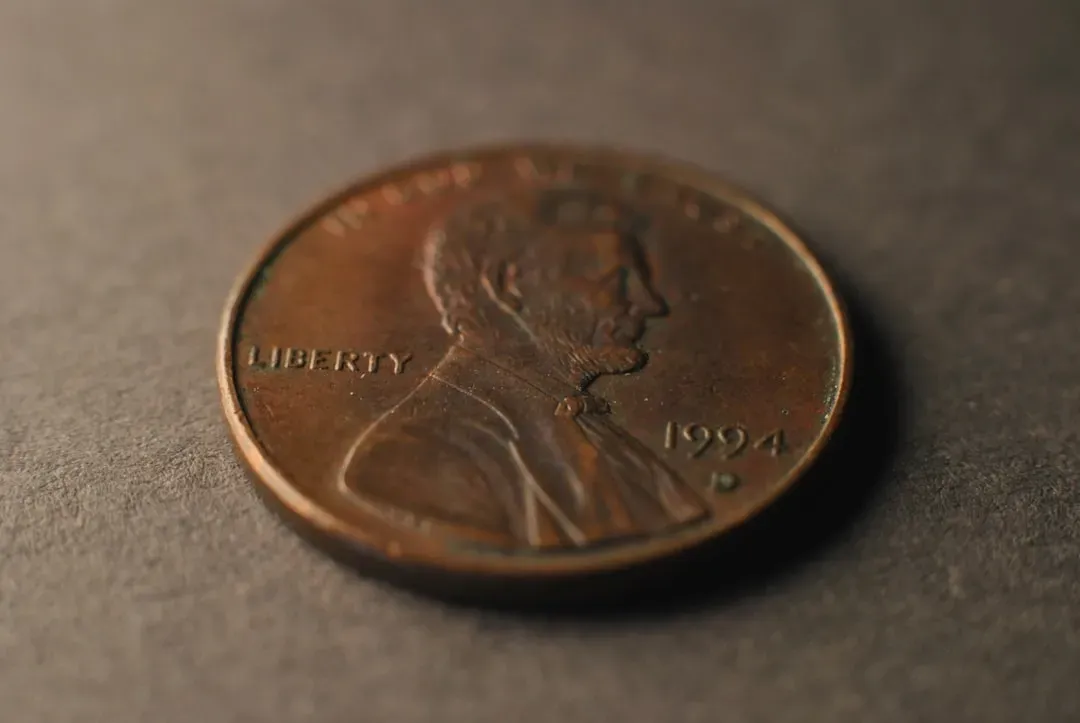
The 1943 Copper Penny: The Holy Grail (Image Credits: Unsplash)
During World War II, the U.S. Mint shifted from copper to zinc-coated steel to conserve copper for military use. A few pennies were mistakenly struck in copper in 1943. These error coins are among the rarest in American numismatics. Only about 10 to 15 genuine 1943 bronze pennies are known to exist today, and one of them, graded nearly perfect, sold at auction for $2,600,000.
The 1943 Bronze Wheat cent was struck when a few leftover copper planchets from 1942 remained in the presses during the switch to zinc-coated steel. These coins are heavier, non-magnetic, and display a reddish hue that sets them apart from standard 1943 issues. Genuine copper pennies have a reddish-brown hue, unlike steel pennies which appear silver-gray. Copper pennies weigh about 3.1 grams, while steel pennies weigh 2.7 grams. A simple magnet is your first test.
The 1944 Steel Penny: The Mirror Error
The 1944 Steel Penny: The Mirror Error (Image Credits: Pexels)
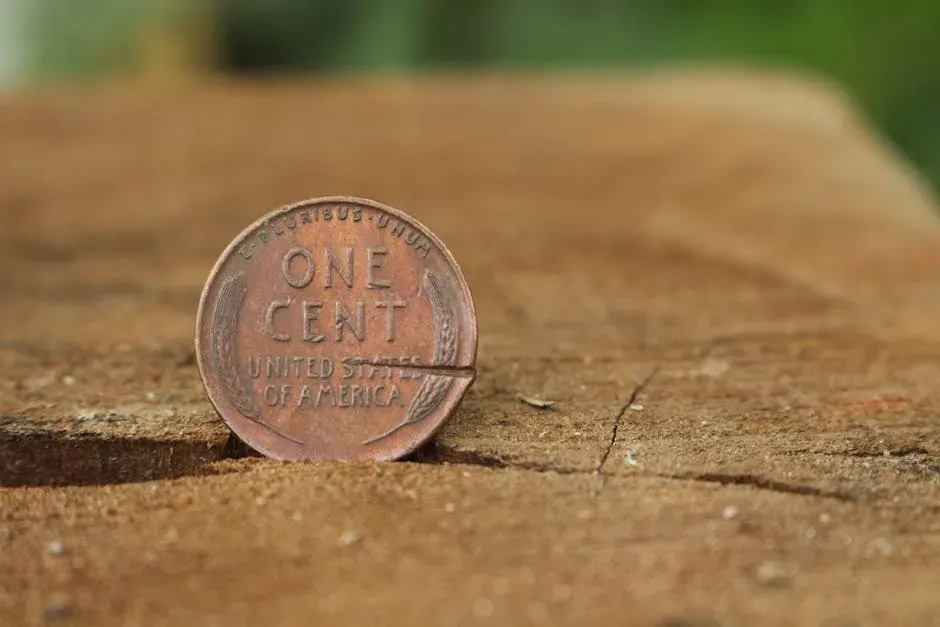
Two pennies stand out as the rarest among all Lincoln Wheat cents: the 1943 Bronze and the 1944 Steel. Both are planchet error coins, produced by accident during a wartime shift in metal usage, and neither is readily available on the market. While the 1943 copper gets most of the attention, the 1944 steel is its equally dramatic counterpart.
The 1944 Steel Wheat cent was minted when steel blanks from the previous year were mistakenly used after the Mint returned to copper, resulting in silvery, magnetic coins that differ sharply from their bronze counterparts. The 1944 steel wheat penny carries a value over $180,000. Unlike the bronze pennies of the era, this coin is shiny, gray, and magnetic due to its steel composition. If a 1944 penny sticks to a magnet, that's the first sign you might have something extraordinary.
The 1955 Doubled Die: The Error Everyone Talks About
The 1955 Doubled Die: The Error Everyone Talks About (Image Credits: Unsplash)
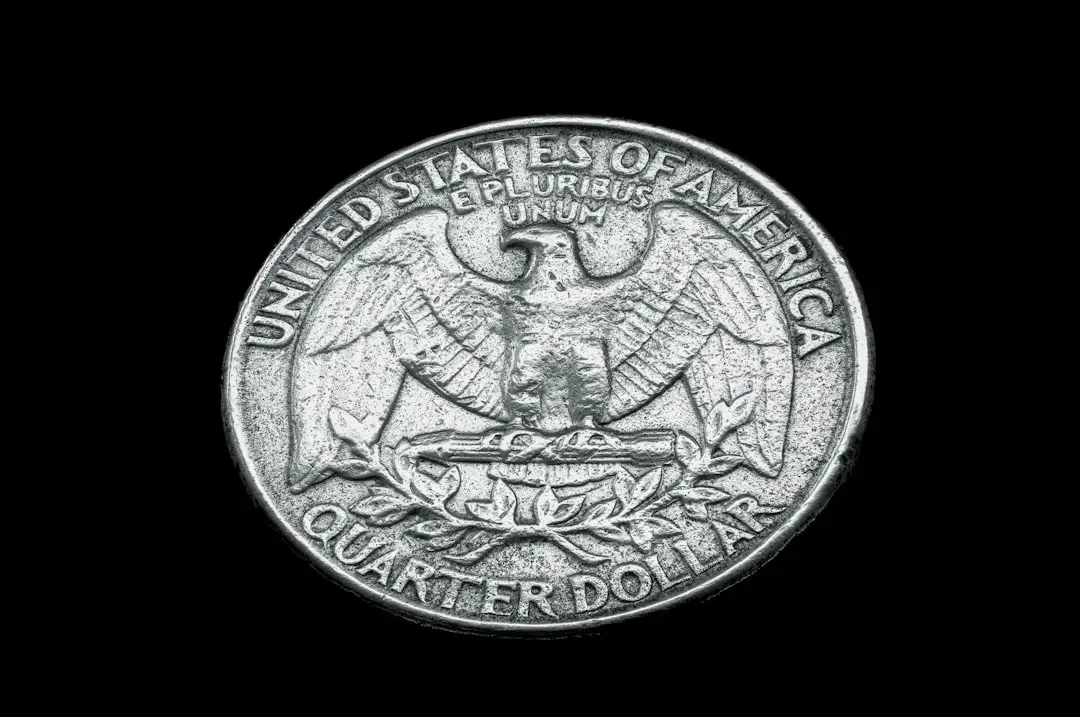
In 1955, one of the working obverse dies at the Philadelphia Mint was misaligned on the second blow from the working hub, resulting in a doubled image. Due to the manner in which this hubbing was carried out, it most noticeably affected the date and inscriptions. These doubled features were visible on all of the coins struck from this die. It is estimated that 40,000 of these coins were minted, all during one night shift at the Philadelphia Mint, and roughly 20,000 to 24,000 were introduced into circulation.
The doubling on the obverse inscriptions, particularly "LIBERTY" and "IN GOD WE TRUST," is unmistakable – ghost text levels of doubling, visible even without magnification. The NGC Price Guide estimates the current retail value of a 1955 Doubled Die Lincoln cent at a range from $1,000 in worn condition to $85,000 in Mint State 66 with original mint red color. It's one of the few genuinely famous error coins that can still occasionally be found in old rolls of unsearched change.
The 1969-S Doubled Die: Rarer Than Most Realize
The 1969-S Doubled Die: Rarer Than Most Realize (Image Credits: Unsplash)
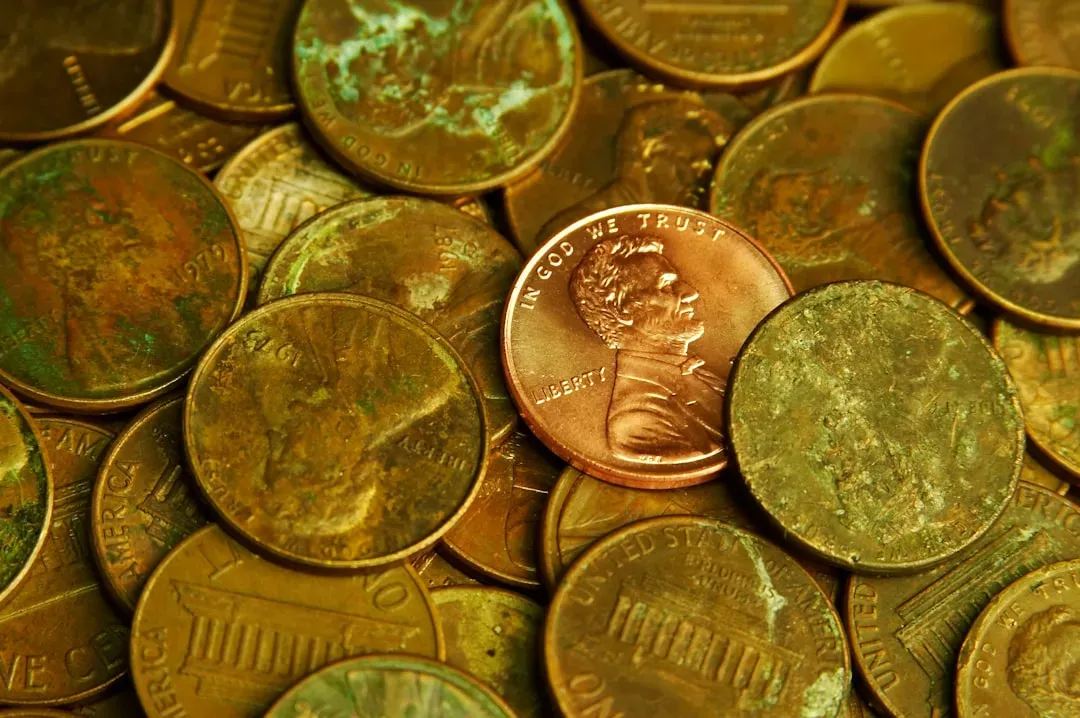
While not as well-known as the 1955 Doubled Die, the 1969-S is at least 100 times rarer and is still being discovered by astute collectors in bank rolls or in the bottom of unsearched groups of Lincoln cents. There are currently fewer than 50 known, with price records of $126,500 set in 2008. Even a lightly circulated example is worth $10,000 or more.
The doubling on "LIBERTY," "IN GOD WE TRUST," and the date is so dramatic you can see open space between the characters, with no magnification needed. Counterfeiters flooded the market with thousands of fakes, and when the Secret Service swooped in to destroy the counterfeits, they accidentally destroyed authentic examples too, making genuine specimens even rarer than nature intended. That history is part of what makes this coin so compelling.
How to Search Your Own Collection
How to Search Your Own Collection (Image Credits: Pexels)
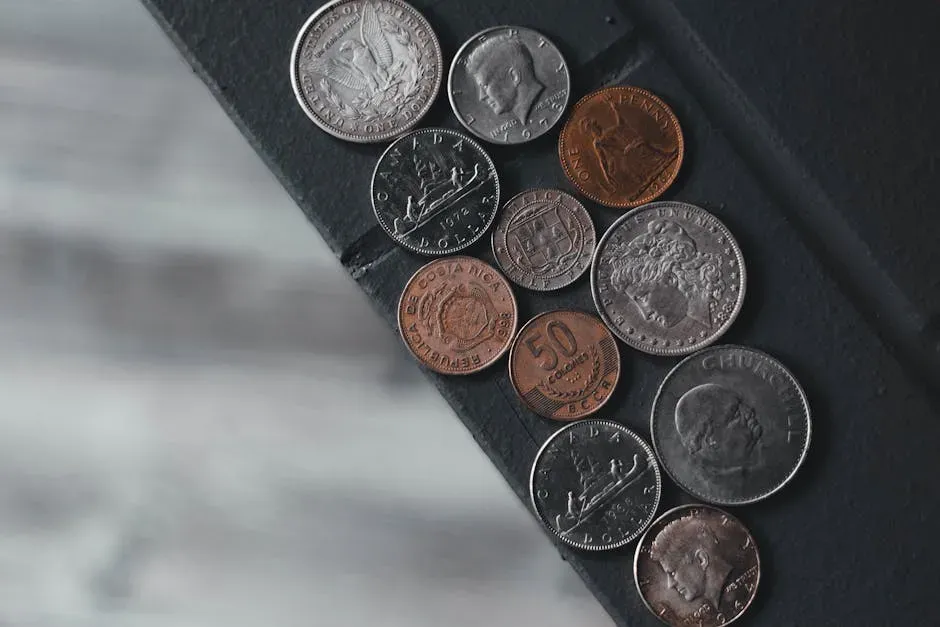
A loupe helps find rare pennies worth money, but the best method is still date, mint mark, and visible diagnostics in that order. Check the reverse first – wheat ears confirm a 1909 to 1958 date range. Read the date and mint mark carefully, since many valuable wheat cents are rare because of the mint. Look for major varieties, not minor marks.
Store any potential finds by handling edges only, using mylar 2×2 holders or capsules without PVC, and keeping them in a cool, dry, dark environment with stable humidity. Professional grading from PCGS or NGC is recommended for coins valued over $100. Before you spend a penny, it's worth a few minutes to really look at it – because the coins described here have all been found by ordinary people who simply paid attention.